Article
Search results:
-
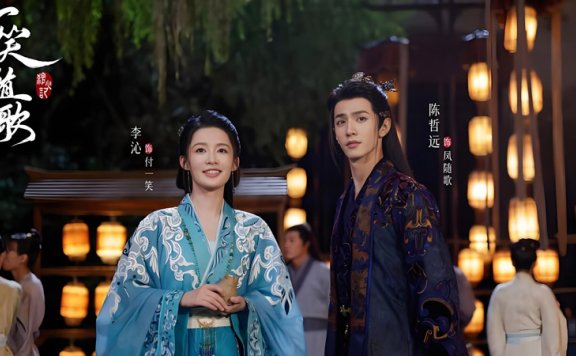
Fated Hearts: How 1 Arrow Shapes 2 Lives and a Kingdom’s Fate
Can a single arrow change two lives and the fate of a kingdom? In the new historical drama Fated Hearts (一笑随歌), that is precisely where our story begins. This series, streaming on iQiyi, quickly captured viewers with its potent mix of grand romance and high-stakes political intrigue. Led by actors Li Qin (李沁) and Chen Zheyuan (陈哲远), it presents a couple whose alliance is as dangerous as it is passionate, earning comparisons to a Mr. & Mrs. Smith set against a rich Wuxia backdrop. The narrative thrusts us into the fray as the Jinxiu Kingdom (锦绣国) faces imminent threat. In a desperate, defining moment, a brilliant female archer clad in red strikes a blow that alters the course of a battle. Her target is no ordinary soldier but the crown prince of the rival Susha Kingdom (夙砂国). This single act of defiance sets in motion a chain of events where memory is lost, identities are concealed, and trust is the ultimate gamble. The Amnesiac Archer Stripped of her past, she is found and brought to the Zhengnian Villa (正念山), a place of seeming peace that masks undercurrents of conspiracy. Here, the woman known for her fierce prowess must navigate a… -
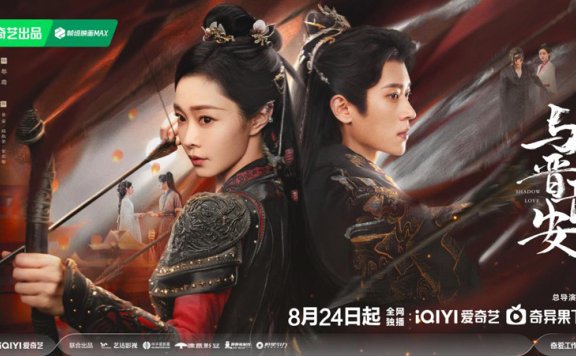
Shadow Love: A Fantasy Hit Breaks Conventions with Style
Good things are worth waiting for, and the arrival of Shadow Love has undoubtedly injected fresh heat into the costume drama market just as the summer season was winding down. On August 24, the fantasy romance drama Shadow Love premiered on iQIYI. Adapted from Jiu Lu Fei Xiang's novel of the same name, the series tells the story of Li Shuang, a fierce general of the Tai Jin Kingdom, who rescues the amnesiac enemy prince Duan Aodeng (Jin An). By accident, the two become bound by a blood contract, kicking off a love story that straddles both personal desire and national duty—sweet yet laced with anguish. From the very first episodes, the show has hooked audiences with its comic-inspired fantasy elements, reincarnation-spanning romance, and polished production quality. Heroine Li Shuang's archery scenes and Jin An's supernatural transformations quickly became viral "must-rewatch" moments among fans. On its debut day, Shadow Love soared past 7,000 heat index points on iQIYI, climbing to 8,000 the very next day—earning a spot in the platform's "Hall of Fame." Meanwhile, conversations about the show's narrative design, character construction, and visual aesthetics have kept trending across social media. From what's aired so far, one thing is clear:… -
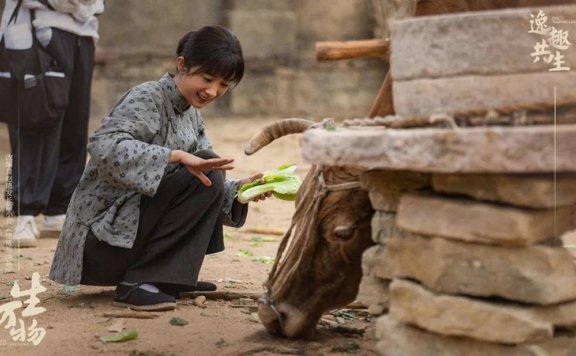
Yang Mi's Career Turning Point in 2025
The path of transformation from a traffic-driven star to a serious actress has been a long one for Yang Mi. From the early setback with Baby (宝贝儿) to the controversy around last year's In the Name of the Brother (哈尔滨一九四四), every attempt she made to step closer to the label of "actress of the people" came with scrutiny, heated discussion, and doubt. This year feels like a subtle turning point. She's Got No Name (酱园弄·悬案) and The Lychee Road (长安的荔枝) helped reverse public opinion, while her latest drama This Thriving Land (生万物) is delivering strong results. After three stumbles in a row followed by three consecutive successes, the question is: how close is Yang Mi to achieving a genuine breakthrough? The Success of This Thriving Land This Thriving Land stands as Yang Mi's most important step so far. Earlier this year, both The Murder in the House of Chaos and The Lychee Road were released, and even though Yang Mi only played supporting roles, they earned her positive reviews. In The Murder in the House of Chaos, her portrayal of Wang Xumei was highlighted as one of the rare bright spots in a film that only scored 5.7 on Douban… -
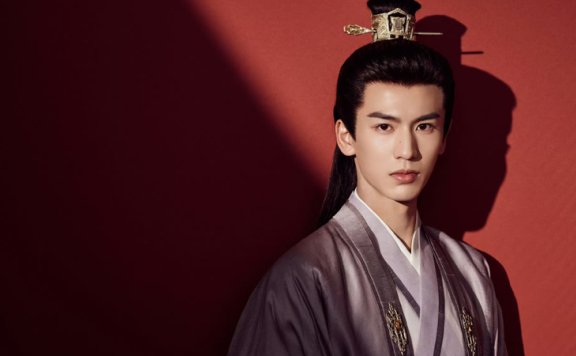
Top 6 Zhang Linghe Period Dramas You Can't Miss
Rising as a quintessential heartthrob in Chinese period dramas, Zhang Linghe (张凌赫) seamlessly blends scholarly intellect with arresting magnetism. Standing at 190cm—often dubbed "AI-modeled physique" for his sculpted features and commanding presence—he initially pursued engineering at Nanjing Normal University, excelling in mathematics and physics before serendipitously entering acting. With roles spanning ethereal immortals to cunning strategists, Zhang merges analytical depth with emotional vulnerability, creating characters that resonate globally. Here are six of his must-watch period dramas that showcase his remarkable range. Love Between Fairy and Devil 苍兰诀 Aired: 2022 Period Background: Mythical ancient China Genres: Xianxia, Fantasy, Romance Main Roles: Zhang Linghe as Changheng, Yu Shuxin (虞书欣), Wang Hedi (王鹤棣) Adapted from: Novel Mo Zun by Jiu Lu Fei Xiang In Love Between Fairy and Devil, Zhang Linghe portrays Changheng, the revered War God of the Heavenly Realm, whose unwavering sense of duty and innate kindness define his character. As the embodiment of the "immortal white moonlight" (a Chinese fandom term describing an idealized, unattainable love), he finds himself deeply devoted to Orchid (Xiao Lanhua), a low-ranking fairy whose innocence and warmth inadvertently challenge his celestial obligations. Their relationship unfolds against a backdrop of cosmic conflict, particularly with the powerful… -
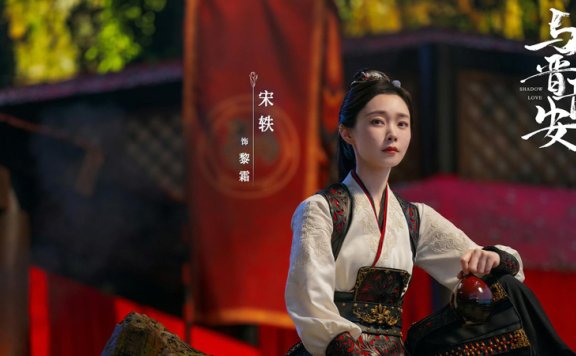
Song Yi: Embodying the Strategic General in Shadow Love
When an actor's style has already won recognition, stepping out of that comfort zone is never easy. It means facing the unknown, and it also means being judged again through the lens of past roles. That's exactly what Song Yi attempts with Shadow Love (与晋长安), where she plays the female general Li Shuang. Unlike her well-known "talented lady" roles, Li Shuang requires both sharp intelligence and raw courage—she must be decisive on the battlefield while carrying a quiet tenderness inside. This performance matters not only because audiences bought into her mix of strength and vulnerability, but also because it shows Song Yi pushing for more complex characters and wider acting range in her career. Act as A "Strategist General" with Both Iron and Softness Built around a "blood pact" fantasy element, the show offers what viewers call a "manhua-style" (漫感, meaning the fast-paced, heightened feel of reading a Chinese webcomic) drama-watching experience. Since its release, Shadow Love has steadily climbed in popularity. On iQIYI International, it has already topped the streaming charts in nine regions including the US and Japan, showing clear cross-border appeal. Data from consulting firm Detawen highlights the real driver: Song Yi's Li Shuang accounts for up… -
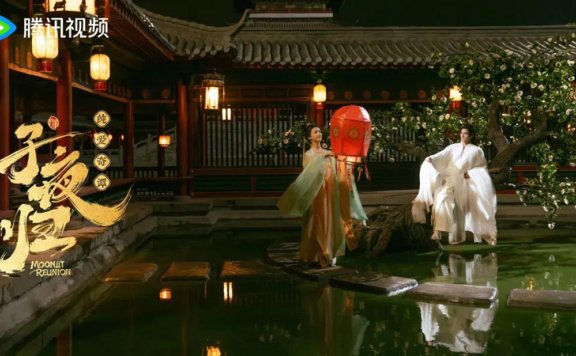
Moonlit Reunion: Unique Supernatural Costume Drama
September always marks two things in China: the start of a new school year and the moment when summer dramas are reviewed and weighed. This summer season, costume dramas once again dominated in both output and market share. Yet the creative "bottleneck" is still hard to ignore. The two main directions for period dramas—lavish historical productions aiming for grounded realism, and sweeping romances drawn from internet novels—have both hit a slowdown. The first route demands meticulous research into historical records while still finding ways to resonate with modern emotions. That kind of project is time-consuming, high-risk, and truly good works are rare. The second route, the all-consuming romance, is struggling in today's climate where "anti-romance-brain" (反"恋爱脑", a popular phrase criticizing shows where characters are unrealistically obsessed with love) has become a mainstream sentiment. Even if produced, creators often brace themselves for backlash and limited payoff. But audience appetite for period storytelling hasn't waned. This is why industry players keep probing subgenres and side paths within the wider costume drama field. One such path is the supernatural drama, a genre that thrives on imagination and often doubles as a modern allegory. Recently, Moonlit Reunion (子夜归), now streaming on Tencent Video and… -
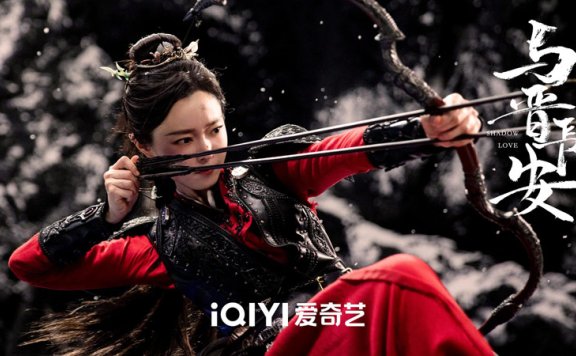
Grounded Costume Dramas Stay Hot with Heroines Chasing Careers
Adapted from Qianshan Chake's novel, Legend of The Female General (锦月如歌) received a Yunhe rating of S+, marking the first big splash for the "female general" subgenre of costume romance. So far this year, grounded costume dramas (落地古偶, meaning historical dramas rooted in reality rather than heavy fantasy) have kept their momentum. Shows like Flourished Peony (国色芳华), The Glory (雁回时), The Prisoner of Beauty (折腰), and Coroner's Diary (朝雪录) all drew strong reactions. With traditional fantasy xianxia dramas losing steam, these grounded works are holding steady. Why that is deserves a closer look. If we break it down by subgenres, the picture gets clearer: whether it's palace intrigue, mystery-solving, wuxia-inspired stories, or political power plays, these staples are always reliable. And in recent years, the rise of female-led stories—businesswomen, military commanders—has only added to the mix. For audiences, watching a heroine build her career can be just as satisfying as watching her fall in love. Popular Genres Shift to Female Generals Within grounded costume dramas, palace intrigue, mystery, wuxia, and political scheming remain the most enduring topics. Producer Lin Li explained: "In a platform-driven production system, these themes are safe bets because past data has already proven their appeal." Looking… -
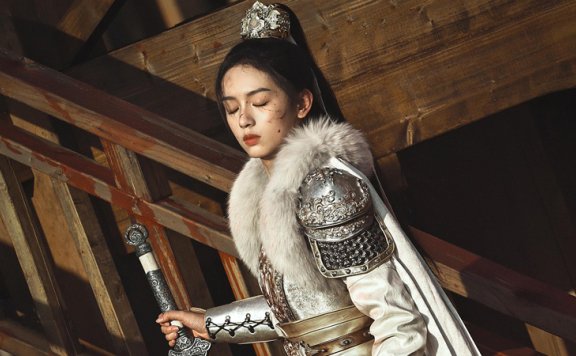
Explore Zhou Ye's top 4 Costume Dramas
Zhou Ye, a prominent post-95s generation rising actress in the Chinese entertainment industry, captivates audiences with a unique blend of classically exquisite features and a refreshingly "wild" off-screen personality. From a mischievous fairy to a fierce general, her roles showcase her ability to embody strong, complex characters. This article delves into four of her must-watch costume dramas, highlighting their unique stories, genres, and why they are worth your time. Word of Honor 山河令 Aired: 2021 Period Background: Ancient China, Wuxia (martial arts) setting. Genres: Wuxia, Romance, Drama. Main Roles: Zhou Ye as Gu Xiang, a playful and loyal demon servant. Adapted From: Priest's novel "Faraway Wanderers." "Word of Honor" is a celebrated wuxia drama that intricately weaves themes of loyalty, redemption, and sacrifice. The story centers on Zhou Zishu, a former assassin seeking freedom from his past, and Wen Kexing, the enigmatic leader of the Ghost Valley, whose intertwined fates challenge their moral boundaries. Amidst this complex narrative, Gu Xiang (portrayed by Zhou Ye) emerges as a pivotal character. As Wen Kexing's fiercely devoted servant, she navigates a journey from unwavering loyalty to tragic self-discovery. Her character arc is deeply enriched by her relationship with Cao Weining, a gentle martial… -
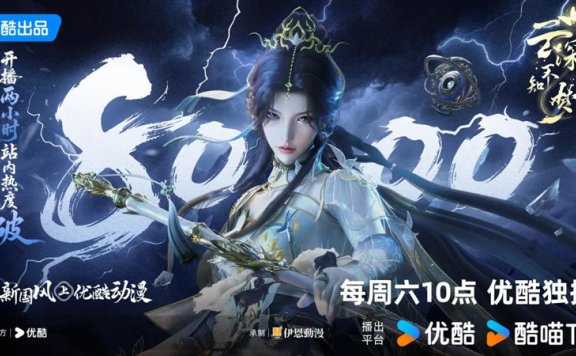
Eclipse of Illusion: The First 3D Female-Led Revenge Hit
This summer, Chinese animation has been swept by a surge of what fans are calling "her power" (a buzzword in Chinese internet slang that highlights stories centered on strong female characters). The first 3D female-oriented animation from Youku, Eclipse of Illusion / Veiled Dreams (云深不知梦), made an explosive debut. Marketed as a "female-led revenge fantasy," it lit up the summer season the moment it dropped. Viewers were hooked by Yun Wangshu's wedding-day betrayal, which threw her straight into a "hell mode opening," then thrilled by her face-swapped rebirth and step-by-step revenge plan. Comments like "rebirth revenge is so addictive" and "this is the female lead we've been waiting for!" quickly flooded social platforms. The buzz wasn't just hype—it was backed by hard numbers. Before launch, reservations had already crossed 2.25 million, signaling sky-high anticipation. After release, the show's popularity surged, peaking at 8,620 on the heat index. It held the #1 spot on Youku's animation chart for female viewers, and within just one month broke into the annual Youku animation sales Top 7. On Yunhe's "binge chart" (a ranking of most-watched new series across platforms), it also stayed at the top. These figures built a solid foundation for its breakout success.… -
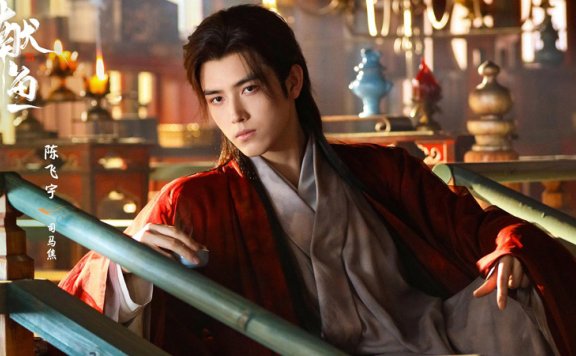
Chen Feiyu Gains Both Performance Growth and Industry Recognition
In the summer of 2025, Chen Feiyu returned to the spotlight with his new drama When Destiny Brings The Demon (献鱼). His role as Sima Jiao shattered the usual image of the flawless male lead in xianxia dramas, immediately stirring heated discussion online. According to data from Detawen, since its premiere on August 16, 2025, When Destiny Brings The Demon has crossed 9700 in popularity on Youku's in-app index. At the same time, the "character contribution rate" for Sima Jiao—essentially measuring how much his presence drives the drama's popularity—soared to a peak of 46%. Chen's performance is widely credited as a key factor behind the show's surging momentum. Social media comments show just how much the role has clicked with viewers: "In this B-king lane, our 'Shizu' (师祖, literally 'ancestral master,' here used playfully to refer to Sima Jiao) has endless tricks up his sleeve." "The unhinged Shizu is crazy but I adore him." "The tsundere Shizu spoiling someone with bossy tenderness? Hot." "Finally, the fantasy of the overworked employee getting pampered by their boss comes true." These reactions highlight more than just a trending character—they also signal Chen Feiyu's progress as an actor. From the inexperienced Ning Que in… -
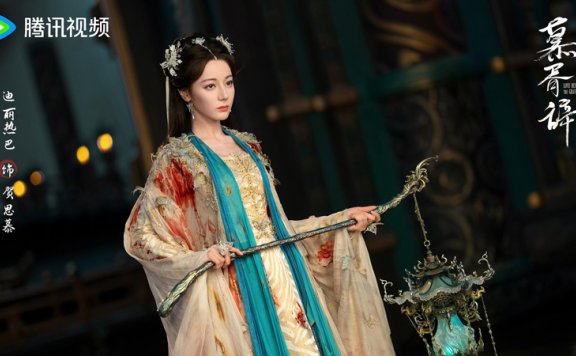
Are There Still Sleeper Hits Left for Q4 2025?
The summer drama battlefield ended with This Thriving Land (生万物), but the second half of the year has only just begun. Every year, once summer vacation is over, the drama market slips into a brief "hibernation." By this point in 2025, most of the heavyweight titles have already been consumed in the first half of the year. Still, the Qixi Festival (Chinese Valentine's Day, usually in August) brought fresh promo pushes: Chasing Jade (逐玉), Blossoms of Power (百花杀), Speed and Love (双轨), Love Beyond the Grave (慕胥辞), Our Dazzling Days (烟花少年), and Banquet at Yong'an (宴遇永安) all dropped new teasers. Rumors suggest many of them are lining up for a Q4 2025 to Q1 2026 release. Looking back at past winter holiday schedules, the family-friendly and comedy slots tend to dominate. Period pieces with an ensemble touch have also done well here—titles like Always On The Move (南来北往), Six Sisters (六姊妹), Perfect Match (五福临门), and Legend of the Undercover Chef II (鹊刀门传奇第二季) all pulled solid ratings in this timeframe. On the production side, platforms aren't rushing into large-scale historical projects just because of the latest supportive policies. They're keeping things steady. Over the past month, most new shoots have been… -
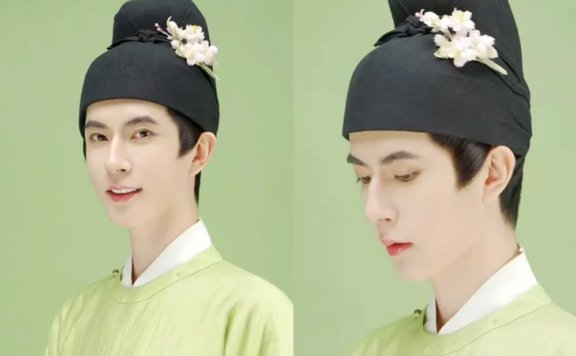
Yu Menglong: The Eternal Youthful Gentleman
My most vivid memory of Yu Menglong (于朦胧) remains the image of him as the young man holding an umbrella in A Umbrella of Misty Rain (一伞烟雨). During a shoot, he wore a light green round-collar robe, a Futou (幞头), and black boots—like a "zanhua shaonian" (簪花少年) stepping out of a classical painting. Zanhua and Youth In the behind-the-scenes footage, he pointed to the Zanhua on his Futou, saying they represented unyielding spirit and hope for the future. "Flowers and youth" are the purest romance, and this set of photos became my ultimate template for the "zanhua shaonian" image. Zanhua is more than an ornament; it's a symbol of hope. As early as the Tang Dynasty (618–907) and popular in the Song Dynasty (960–1279), Zanhua was worn by young talents and successful individuals. At the "Qujiang Banquet" celebrating new Jinshi (进士), youths used Zanhua to express their ambitions and confidence. The tanhuashi (探花使) was a young graduate. He would ride through the capital collecting flowers, and this activity culminated in composing poems at Qionglin Garden to welcome the top scholar. This is what the poet described: "Riding on a galloping horse with spring breeze, seeing all Chang'an flowers in a day." Career… -
Why Big Phoenix Hairpins Disappear from Costume Dramas?
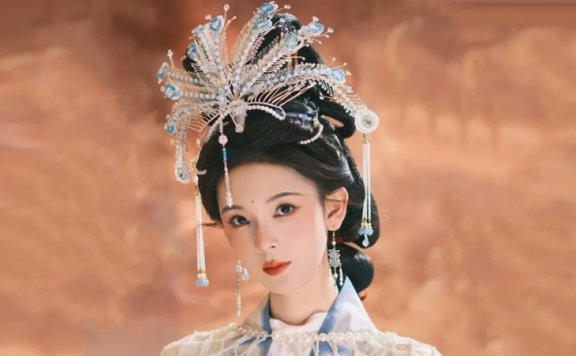
Many viewers who grew up watching Chinese costume dramas recall the grand Phoenix Hairpins. These are ornate hairpieces made of gold, silver, or velvet flowers, and they often adorned characters like queens or noblewomen. These pieces were so luxurious that people often wondered: Why have such grand hairpins become rare in today’s costume dramas? The answer lies in evolving aesthetics and character design. Each generation has its own taste, but hairpieces must serve character portrayal and match actors’ features. Older Phoenix Hairpins suited the rounder face shapes common among actors in the past, while today’s preference for "white, young, and slim" aesthetics makes such large hairpieces less flattering on modern actors. The Most Memorable Phoenix Hairpin: Wang Xifeng The most iconic Phoenix Hairpin comes from A Dream in Red Mansions (红楼梦). When Wang Xifeng, a feisty noblewoman, first appears in Chapter 3, she wears a "gold-thread eight-treasure pearl bun" and a "sunrise five-phoenix pearl hairpin". Imagine five phoenixes each holding a string of pearls, with a large bead or mirror in front to mimic sunlight — the craftsmanship is breathtaking. The "gold-thread eight-treasure pearl bun" is actually a Diji (䯼髻), a metal hair frame shaped like a steamed bun, often… -
Wearing an Earpick Hairpin on Your Head?
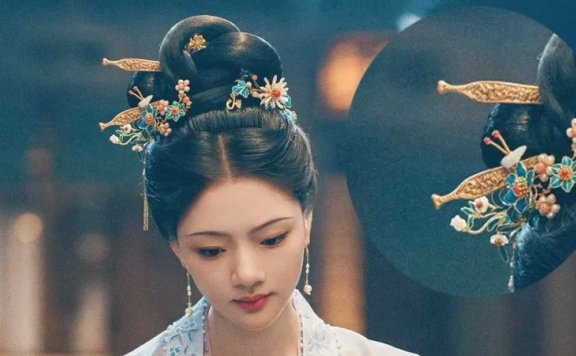
Have you ever spotted a tiny spoon dangling from a character’s hair in a historical drama and wondered about its purpose? This intriguing accessory, far from being a random prop, is a traditional Earpick Hairpin, a brilliant testament to ancient Chinese ingenuity. Blending everyday utility with elegant adornment, this object reveals a practical and artistic approach to life that resonates across centuries. More Than Decoration The Earpick Hairpin first appeared during the Shang Dynasty and gained widespread popularity from the Song to the Qing dynasties. Crafted primarily from gold, silver, or bronze, and occasionally from jade, it featured a spoon on one end for cleaning ears and a pointed stem on the other to secure it in the hair. This design allowed the wearer to use it conveniently and then return it to its place as a hair ornament. Decoration soon became as important as function. Artisans employed techniques like openwork carving and filigree, sometimes adding jewels or enamel, to transform these tools into exquisite pieces of art. Variations emerged, including hairpins with multiple spoons or additional prongs, clearly intended more for show than daily use, showcasing the wearer’s status and taste. The innovation did not stop there. The Tang… -
Hanfu: More Than Clothing, a Millennium of Cultural Legacy
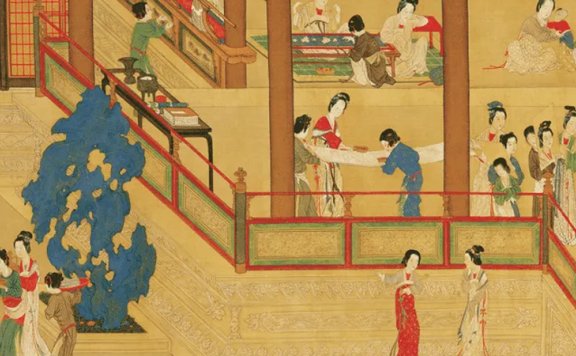
Walk down a modern city street, and you might spot a figure in flowing robes, hair adorned with Buyao Zhuchai (步摇珠钗), as if stepping out of an ancient painting. That’s Hanfu – a traditional garment making a comeback, but its meaning goes far beyond fashion. It’s a living bridge to China’s thousand-year-old culture, a piece of history worn with pride. Symbols Woven in Threads Hanfu, short for "Han Ethnic Traditional Clothing", is not just fabric stitched together. It’s a cultural symbol, a tangible reminder of who the Han people are. Every line, every fold, carries the weight of centuries. The Zuo Zhuan (左传), an ancient historical text, says: "China is called Xia for its grand rituals; Hua for its beautiful clothing." The very name "Huaxia" – what the Han people call themselves – ties identity to clothing. Hanfu embodies ancient values: hierarchical order, ethical cultivation , and aesthetic ideals. It’s not just clothes; it’s a language of culture. Take the "jiaoling youren" (交领右衽) – the cross-collar that overlaps to the right, forming a Y-shape. This isn’t a random design; it reflects the belief that "right is honorable," a core part of traditional ethics. Ribbons replace buttons, symbolizing harmony and inclusivity.… -
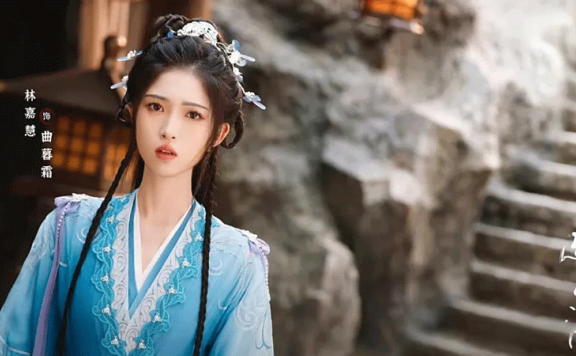
Cheng Yi's Hero Awakens in The Journey of Legend
The Journey of Legend, a Wuxia drama starring Cheng Yi (成毅) as Xiao Qiushui (萧秋水), reaches a defining turning point in its sixth episode. Xiao Mingming is a modern writer trapped in the game world. Within the story, he goes by the name Xiao Qiushui. The scene where he raises a toast to the Huaan Sect disciples encapsulates a profound shift: he moves from being a "game player" with a god’s-eye view to becoming a true believer in chivalry. This moment not only transforms the protagonist but also plants seeds for another character’s redemption and bridges the gap between fiction and real life. The Protagonist’s Shift For the first five episodes, Xiao Mingming treats the game world as a mere RPG. He stays distant: mocking ancient characters’ choices with modern cynicism, viewing conflicts as "storylines" rather than real struggles. But when he retreats to the Sword Cottage in Episode 6, his father’s words about heroism and his own toast shatter that detachment. "I’ve read countless chivalric tales," he tells the Huaan Sect disciples. "They felt like myths—distant, unreal. But today, you risk your lives for the sect—not for glory, but for belief. This drink is for you." This toast marks… -
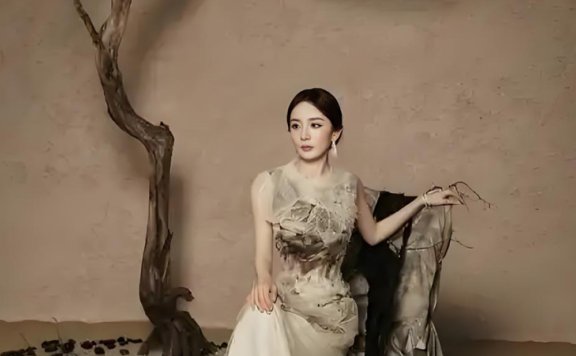
Yang Mi’s Ink Wash Qipao and Withered Trees
At first glance, Yang Mi’s latest photoshoot felt like a high-end couture campaign—until you zoomed in on the details. The Qipao she wore, with its ink wash patterns, evoked the exact moment when ink bleeds into rice paper during calligraphy practice: a flow of slate gray on plain white fabric, not a forced vibrant pop but a cool, understated elegance. The frog buttons dangled with tiny tassels, and the slit ran up to her thigh, adding a hint of sexiness that was never crass—just that “everyone gets it but no one can put it into words” kind of sophistication. But what truly set the scene apart was the backdrop: withered trees, bare and lifeless, yet somehow amplifying her presence instead of overshadowing it. Ink Wash Qipao The Qipao’s design is a masterclass in subtlety. The ink wash effect isn’t a bold, manufactured color; it’s a quiet spread, like the way ink seeps into paper when you’re learning to write with a brush pen as a kid. Slate gray on ivory fabric, it carries a “cold” tone—not unwelcoming, but distant enough to feel exclusive. The frog buttons, adorned with delicate tassels, and the high thigh slit balance elegance with allure: every… -

Why Did When Destiny Brings The Demon Start Strong Then Crash?
Another weekend, another Chinese fantasy drama binge. This time, it was When Destiny Brings The Demon (献鱼), a show that initially promised a delightful escape but ultimately delivered a frustratingly familiar letdown. The series began with an engaging and humorous dynamic between its two leads, offering a fresh take on the well-trodden trope of a modern person transported into a fantasy world. Their chemistry was palpable, their banter witty, and their growing affection felt organic. For the first ten episodes, it was a genuine pleasure to watch. Yet, this promising setup soon unraveled, devolving into a messy spiral of overused clichés and melodramatic excess that left viewers wondering why so many Xianxia (仙侠) dramas follow this same disappointing path. A Promising Beginning The early success of When Destiny Brings The Demon hinged on its charismatic leads and their genuinely funny interactions. The female lead's modern sensibilities clashing with the ancient, mystical world created a fantastic source of comedy. The male lead, a powerful yet aloof figure, found himself constantly bewildered by her unconventional behavior. This "odd couple" formula worked exceptionally well, providing countless moments of levity and charm that hooked audiences immediately. It felt like a breath of fresh air… -
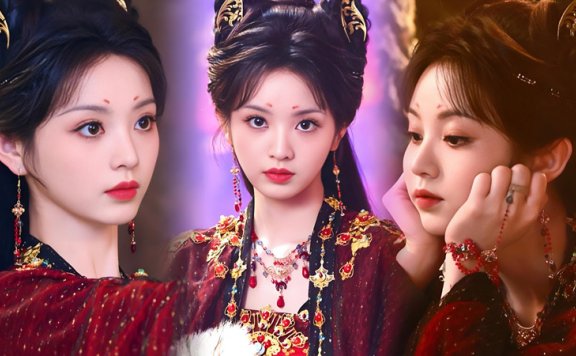
Tian Xiwei’s Chinese Styles in Moonlit Reunion
Who hasn’t been mesmerized by Tian Xiwei’s (田曦薇) stunning looks in the hit drama Moonlit Reunion (子夜归)? From the flowing Qixiong Shanqun (齐胸衫裙) to the intricate updos adorned with hairpins, let’s uncover the Chinese aesthetic secrets behind these viral styles that have taken the internet by storm. Clothing: Timeless Hanfu Silhouettes Qixiong Shanqun is a signature skirt style for women during the Sui, Tang, and Five Dynasties. Its defining feature is an extremely high waistline—usually positioned above the chest—which elongates the figure and creates a graceful, flowing effect when walking. Tanling Banxiu (坦领半袖) is a standout short outer layer in the Hanfu system. “Tanling” refers to its wide, curved or square neckline, which gracefully reveals the neck and collarbone, while “Banxiu” denotes short sleeves that end at the elbows. Worn over a short inner shirt, it adds depth and layers. Its origins trace back to the upper jacket of the Wei and Jin dynasties, evolving over time into its current form. Duopo Jianse Qun (多破间色裙) gets its name from the number of fabric panels—terms like “six-panel skirt” or “twelve-panel skirt” highlight its complex sewing technique. In the Sui and Tang dynasties, multi-panel skirts were all the rage with high-chest long… -
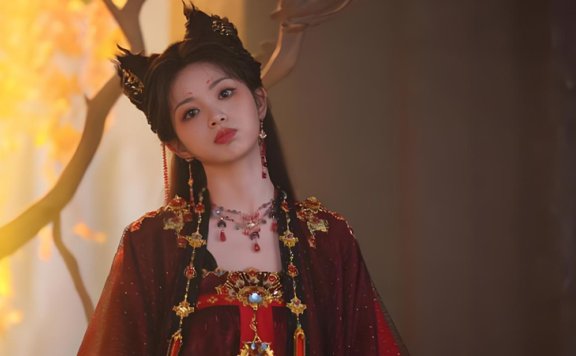
The Cat Lord's Path to Balance in a World of Humans and Demons
In the fantasy world of Moonlit Reunion (子夜归) , where humans and demons coexist, Wu Zhen’s (武祯) growth isn’t a sudden “power-up” story—it’s a gradual, cat-like transformation: shedding the fragility of a kitten to grow sharp claws and unwavering resolve. From hiding behind a facade of recklessness to facing her identity crisis, from evading responsibility to embracing it, she finally finds balance between her human and banyao (半妖) selves. Once a girl hiding in armor, she becomes a light for herself and others. Hiding in Dual Lives Wu Zhen’s early self was fragmented and vague. As the second young lady of the Yu State Duke’s Mansion, she faced the constraints of being a “proper lady.” As the Mao Gong (猫公), she bore the responsibility of protecting demons. The conflict between these two identities made her use pretense as armor. By day, she was the famous “reckless county lord” of Chang’an—wearing men’s clothes, visiting music halls, teasing her husband—using irreverence to rebel against the expectation that “women must be dignified.” “Since they think I’m reckless, I’ll play the part so no one forces me to do what I hate,” she thought. This facade protected her from societal pressure but blinded her…