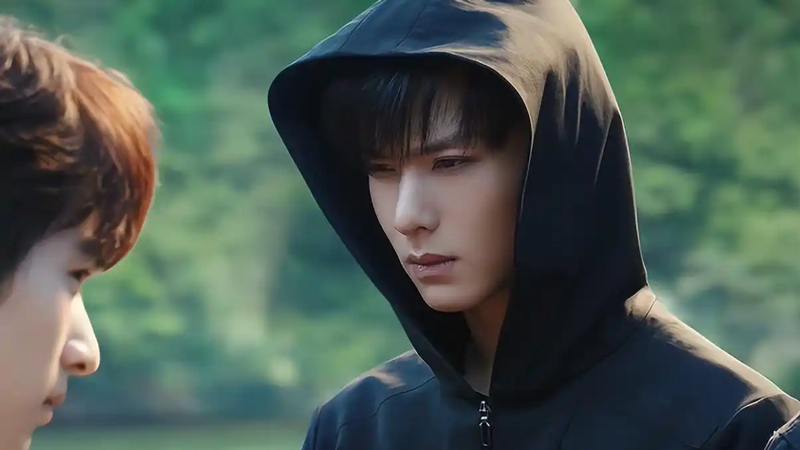
The sprawling universe of The Lost Tomb (盗墓笔记) has welcomed a new addition. Time Raiders (吴邪私家笔记), a derivative series that premiered on September 20, 2025, quickly captured audience attention, achieving a notable heat index upon its release. Helmed by the original author Xu Lei (徐磊) and director Pan Anzi (潘安子), the series aims to deliver an immersive experience by adopting a notebook-viewpoint narrative.
A Narrative Anchored by Perspective
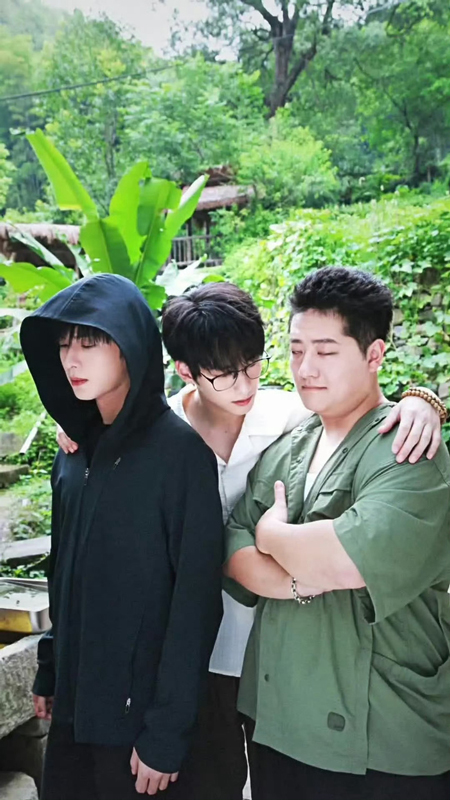
The series distinguishes itself through its storytelling approach. It utilizes Wu Xie's (吴邪) personal notes as a core device, creating a sense of immediacy and intimacy. This perspective blends the main adventure with handwritten observations, sketches, and personal quips from the young protagonist. The plot alternates between a modern timeline, where Wu Xie (played by Xu Zhenxuan, 徐振轩) runs an antique shop and gets drawn into a new mystery involving a mysterious silk manuscript, and flashbacks to his grandfather's early tomb-raiding days. This structure provides depth and context, serving as both a new adventure and a supplement to the main storyline.
The Assembled Team
A crucial element of any tomb-raiding story is the team dynamics. The series sees the gathering of a familiar crew. Veteran actor Francis Ng takes on the role of Wu Sanxing (吴三省), Wu Xie's experienced and shrewd uncle. He is joined by Panzi (潘子), a skilled fighter, and Da Kui (大奎), known for his immense strength. The enigmatic and highly skilled Zhang Qiling (张起灵) also appears, his signature calm demeanor and unique "Kylin blood" making him a formidable asset against supernatural threats. The casting of Francis Ng has been highlighted as a strength, bringing a seasoned gravitas to the role of the seasoned tomb raider.
Immersive Atmosphere and Homages
The production strives to recreate the eerie and suspenseful atmosphere characteristic of the genre. Early episodes feature high-density horror elements, including blood zombies, corpse-eating beetles, and spectral apparitions, aiming to keep viewers on edge. The series also incorporates classic settings and artifacts from the original series, such as the "Guixi" (癸玺, a homophone for "Ghost Seal" or Guixi, 鬼玺), which is said to command spectral armies. These elements are intended to evoke a sense of familiarity for long-time fans.
Reception and Critique

Initial audience reactions have been mixed but generally positive regarding its core appeal. The series has been praised for its compact pacing in the initial episodes, quickly moving from team assembly to perilous exploration. However, some critiques have emerged. Certain scenes, especially in the first episode, have been noted for lengthy expositional dialogue. The visual effects have received mixed feedback, with some moments appearing less polished upon close inspection. Furthermore, the performance gap between younger actors and established veterans like Francis Ng and Cao Lei (曹磊) is occasionally noticeable.
Position within the Expansive IP
Time Raiders enters a well-established yet challenging landscape. The Lost Tomb IP has seen numerous adaptations, with the 2020 series Ultimate Note (终极笔记) often cited by fans as a high benchmark due to its fidelity to the source material. Comparatively, early impressions suggest Time Raiders shares a closer quality alignment with the 2020 series Reunion: The Sound of the Providence (重启之极海听雷). The series represents another step in expanding the IP's universe, following other derivatives like Adventure Behind the Bronze Door (藏海花) and The Legend of Zhang Hai (藏海传).
A Familiar Yet Distinct Entry
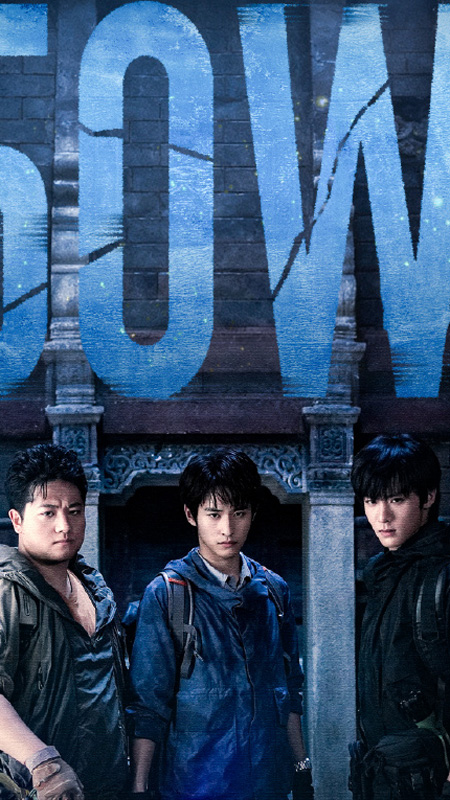
For enthusiasts of adventure genres and dedicated followers of The Lost Tomb, Time Raiders offers a fresh perspective on a beloved world. Its attempt to blend a novel narrative viewpoint with classic tomb-raiding tropes provides a recognizable yet distinct experience. While it may not surpass all previous adaptations in every aspect, its focused storytelling and homage to the source material make it a worthwhile exploration for those eager to delve back into the mysteries and dangers of the Jianghu beneath the earth.