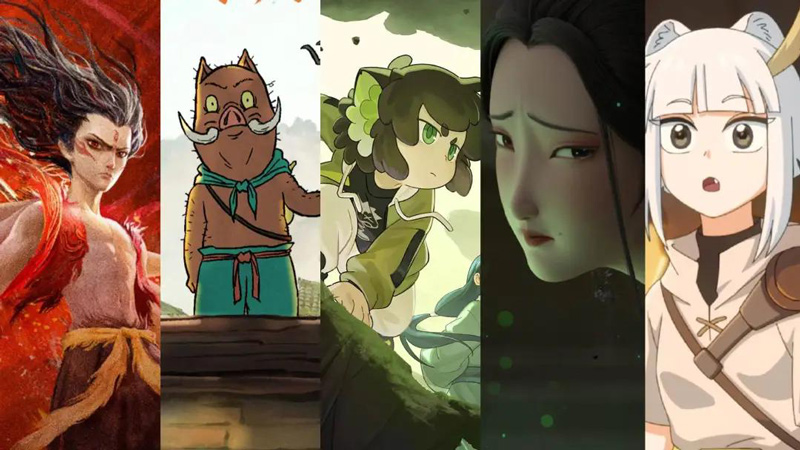
"Yao are like a mirror—every story about them ultimately reflects humanity itself."
By any measure—quantity, quality, or box office—2025 is a breakout year for Chinese animated films.
It began with Ne Zha 2 smashing records during the Spring Festival and reaching audiences worldwide. Summer brought an even fiercer lineup: NOBODY, The Legend of Hei 2, Curious Tales of a Temple Chinese, Fairizest: Rally for Pally, and Pleasant Goat and Big Big Wolf: Bright New Dawn.
Among them, NOBODY and The Legend of Hei 2 stood out as rare 2D hits, with the former breaking a nine-year box office record. Together, these works suggest Chinese animation has finally moved past old critiques—too many Monkey Kings and Ne Zhas, too much 3D, too many recycled myths.
And yet, one curious pattern remains: so many protagonists are…yao. Of the six non-children's animated films this year, five feature them. Why does Chinese animation keep returning to monsters, spirits, and the supernatural?
What Are Yao?
An old saying goes: "Where there is strangeness, there must be Yao (妖)."
In ancient China, people explained unexplainable phenomena through categories. Natural wonders were attributed to gods (神), while things that disrupted the normal order became yao. It was believed that old animals, plants, objects, or even corpses could absorb the essence of nature and transform into yao—hence phrases like "objects grow old and become spirits."
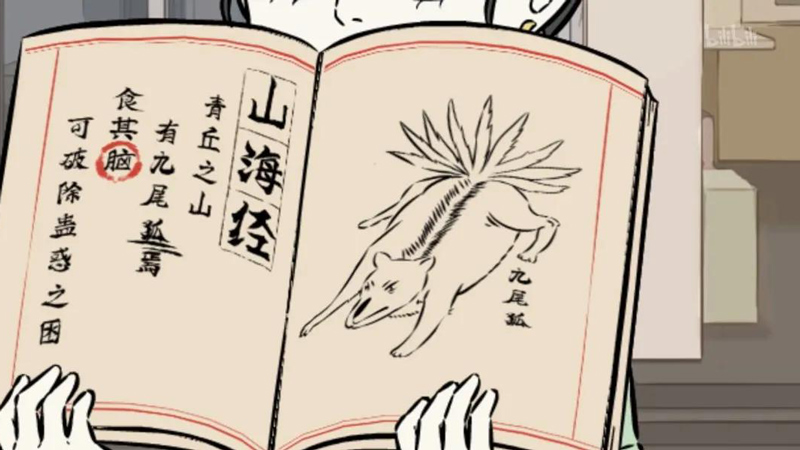
Pre-Qin texts often paired Yao with "strange" (怪) and "anomaly" (异). The Zuo Zhuan described unnatural things as yao, linking them to disorder in nature and society. Later, Gan Bao's In Search of the Supernatural defined Yao as manifestations of vital energy attaching to forms—when energy shifts inside, appearance changes outside. In short: abstract energy + concrete form + unnatural transformation = yao.
From Strange Creatures to Everyday Spirits
The Classic of Mountains and Seas, a pre-Qin text, catalogued bizarre beings—an early source of Yao lore. But these creatures lacked distinct personalities; they were more imaginative records of nature.
By the Han and Six Dynasties, social upheaval and cultural exchange gave Yao stronger connections to daily life and moral warning. Tales blended with divination, karma, and local beliefs, adding fear and divine punishment.
During the Tang and Song dynasties, Yao became familiar figures: fox spirits, flower spirits, tree spirits—creatures transformed from humans, plants, or objects. They felt close to ordinary life and frequently appeared in romances, Buddhist texts, and Daoist writings.
From the Yuan to Qing dynasties, Yao types stabilized. Writers drew on earlier lore, inserting Yao into operas and detective stories—sometimes evil spirits stealing souls, sometimes kind beings urging goodness.
Yao Has Many Names, Many Faces
Yao appear under many labels: jing (精, spirit), guai (怪, strange being), ling (灵, spirit), gui (鬼, ghost), or mei (魅evil spirit). Ancient collections of such tales were often called records of the strange (志怪).
As the language evolved, Yao combined with other morphemes, creating terms with nuanced tones. Yaoguai (妖怪, monster) often implied fear or disgust. Yaomo (妖魔, demonic spirit) and yaoxie (妖邪, evil yao) carried even darker meanings. Others like yaojing (妖精, fairy spirit) or yaoling (妖灵, spirit being) felt more neutral.
In The Legend of Hei 2, beings are called yaojing or yaoling, suggesting natural spiritual energy. Only when their true forms frighten humans are they reduced to "monsters." In contrast, Ne Zha 2 uses yaoguai and yaomo with strongly negative overtones.
The endless stream of retold Yao stories today represents both a continuation and an innovation of traditional Yao culture. Creators interpret and utilize these elements differently based on their needs, expressing their own perspectives while also deconstructing and reconstructing Yao culture in the process.
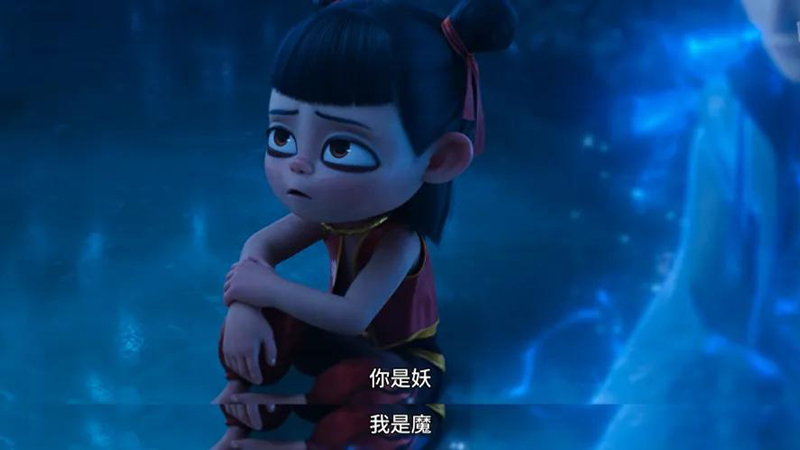
Yao Are Defined by Their Chaos—Unlike Humans and Gods
To talk about yao, we must also discuss humans and gods.
If humans represent the normal world and gods embody the divine order, then Yao symbolize the mysterious, dangerous, and unknown margins.
1. Gods: Stability and Constraint
Among the three, the divine realm is the most stable. As the pinnacle of aspiration, divine order often mirrors rigid human structures. Individuals in this world are trapped in fixed hierarchies, with little agency. Gods thus appear as observers, judges, or antagonists in stories. Only atypical figures—rebels, trainees, fallen gods, or those stripped of power—can become protagonists.
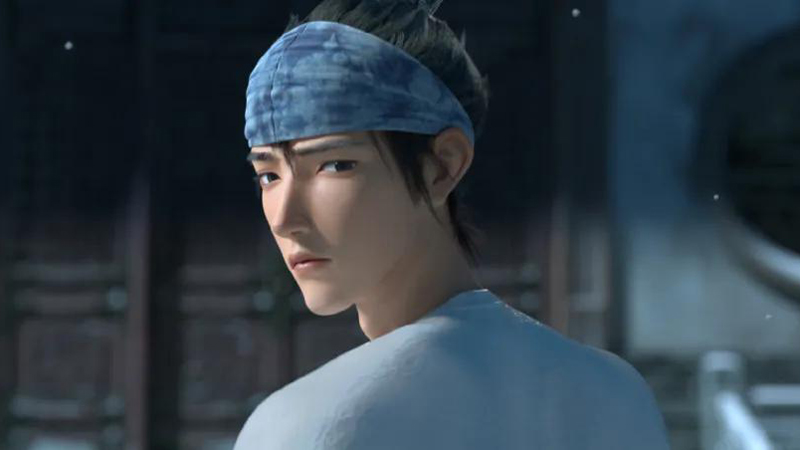
2. Humans: Flux and Opportunity
Compared to the divine realm, human society is more fluid. Power gaps are narrower, and social status is not permanently fixed. This creates both crisis and opportunity, giving humans stronger agency and more willingness to act than gods.
3. Yao: Defined by Chaos
What most distinguishes Yao from humans and gods is chaos.
Like gods, Yao possess power beyond humans, but they are disorganized, unconstrained, and scattered along the edges of the human world. No single set of rules governs them, making them the most flexible narrative element.
If Yao conform to norms, they shed their identity and ascend to divinity. Seen negatively, they disrupt stability; seen positively, they rebel against unjust systems. While order defines mature societies, humans also desire to break and recreate systems—an impulse that fuels Yao culture.
Yao can achieve goals humans cannot, much like gods. This explains classic animated plots where humans ally with Yao against gods, or with gods to eliminate yao. Yao transcend order; gods enforce it. The sharper the conflict between humanity and order, the more justified Yao become. They represent unattainable human aspirations, delegated to beings unbound by rules.
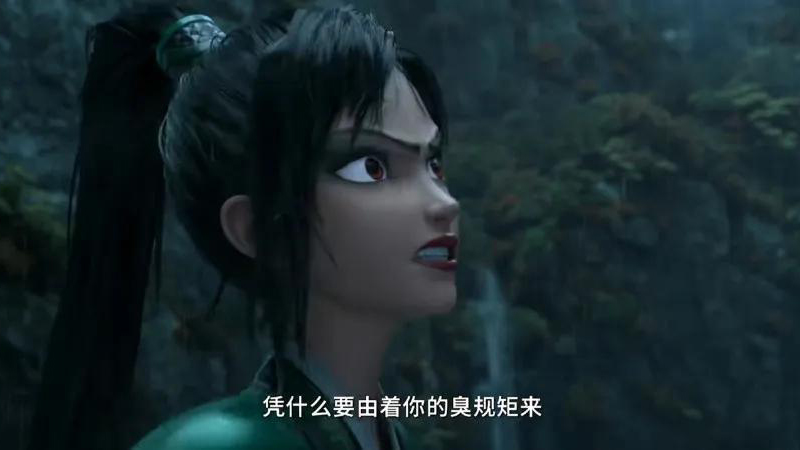
Case Analysis: How Animated Films Interpret Yao
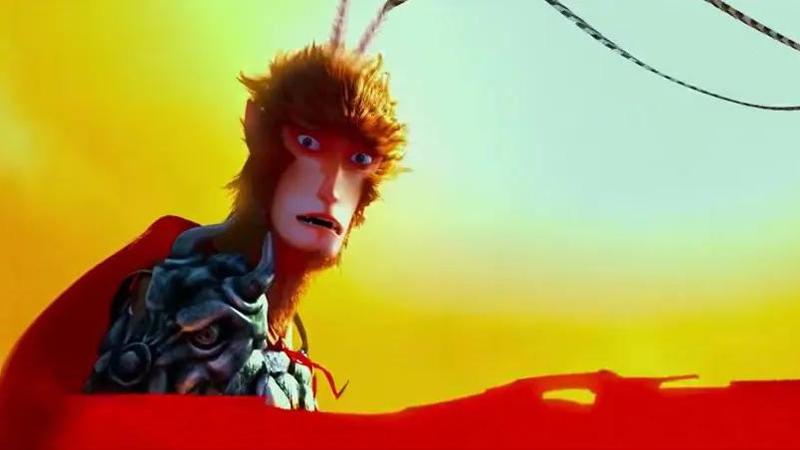
1. Monkey King: Hero Is Back (2015)
This film was a breakthrough, reimagining myths and spotlighting yao.
It emphasizes Sun Wukong's identity as a yao—a rebel who defies heaven and is punished by imprisonment under Five Elements Mountain. Unlike earlier depictions, this version highlights him as an outsider embodying both divine and Yao traits: condemned as a troublesome monkey by heaven but admired as a hero by humans.
In the climax, however, Sun Wukong defeats Chaos not as a Yao king against heaven but as a protector of humanity. The film simplifies the narrative into a human–yao opposition. All other Yao are one-dimensional villains, and Wukong's rebellious Yao nature dissolves into alignment with human justice. In essence, Yao serve only as obstacles for the hero to overcome.
2. Ne Zha 2
Four years later, Ne Zha 2 broke new ground with a different approach.
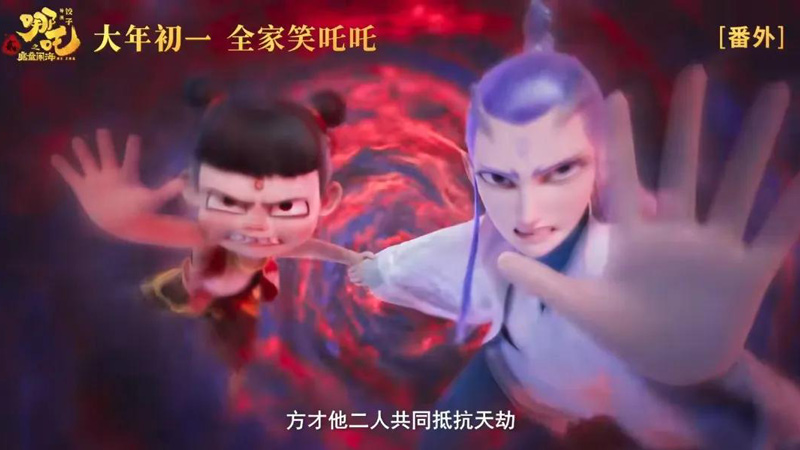
Ne Zha is destined to be a god but instead becomes a demon, pushed outside the mainstream. Ao Bing is born a Yao who, even after stealing the Spirit Pearl's power, remains excluded from divinity. Both long for order but face rejection.
Their struggle culminates in confronting Heavenly Thunder—the violent embodiment of order—and winning recognition from the people of Chentang Pass. Here, marginalized identities resist an unassailable system, placing Yao at the center of the narrative.
Three Modes of Yao in Recent Films
The five major animated films released this year expand Yao storytelling. Their handling of gods and Yao can be grouped into three modes.
1. Transformation Between God and Yao
In traditional literature, gods and Yao are not strictly separate. Yao can ascend through cultivation or good deeds, while humans may become deities after death or fall into the Yao realm.
Curious Tales of a Temple Chinese reflects the most conservative model, echoing Strange Tales from a Chinese Studio. That Qing dynasty classic was celebrated for using ghosts and Yao to satirize corruption and became a bestseller of its age. Its Yao were complex—benevolent bee clans, tragic spirits like Nie Xiaoqian, and villainous monsters alike.
The new film recreates this world but leans too heavily on the original text, treating gods and Yao as surface-level spectacle rather than meaningful narrative devices.
NOBODY, by contrast, blends classical structure with modern sensibilities. Behind its Journey to the West veneer lies an allegory of contemporary struggles, resonating with today's overworked "beasts of burden."
Here, being a Yao is not permanent but fluid. Good Yao may ascend to godhood; evil ones fall into monstrosity. Sun Wukong once became a Buddha; the pig demon and companions try the same path. Villagers erect statues in their honor, hinting at eventual deification. Meanwhile, the antagonist Yellow Brow Demon, once a page of Maitreya Buddha, falls into chaos and becomes a Yao king.
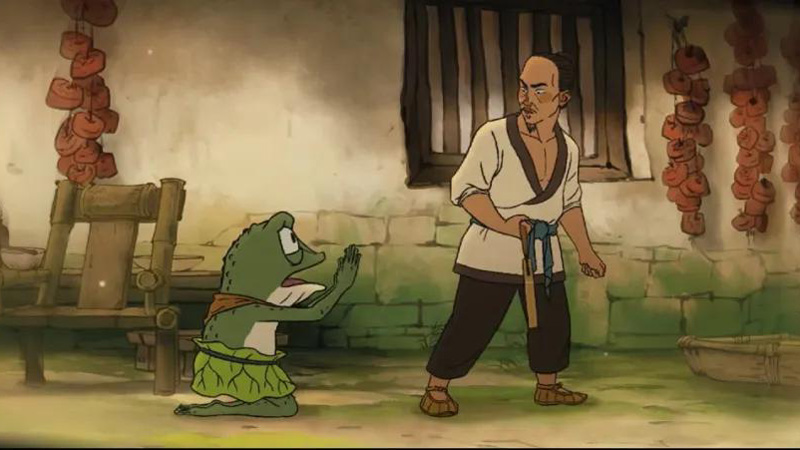
Even marginal Yao yearn for legitimacy. Some cultivate toward immortality, others seek approval from divine figures. Gods remain neutral, allowing humans and Yao to approach divinity through effort, intervening only when order itself is threatened.
Typically, Yao exist in opposition to both the human and divine worlds, yet they also serve as a reserve force for the divine realm, with the potential to ascend given the right chance.
Though their origins place them further from divinity than humans, their superhuman power grants them a chance to transcend order. Ancient people projected their longing for transcendence onto yao, imagining themselves elevated within the divine hierarchy through yao's triumphs.
In such tales, divine order is legitimate and rational, forming the unquestioned rules of the story. The premise depends on the belief that humans or Yao can rise if they follow these rules.
But if the order itself proves deceptive, the story sheds its classical frame—leading to a second model of god–yao relations.
2. God vs. Yao: Inescapable Otherness
Ne Zha 2 2 represents a full overturning of the traditional cultivation system.
Building on the identity crises of Ne Zha and Ao Bing, the sequel expands their struggles into a world where order is a trap. Gods, embodied by the Elder of the Infinite, manipulate humans and Yao into fighting rebels who resist the heavens.
Here, Yao identity is inescapable. Like racial categories in Western fantasy, being Yao is a permanent stigma. They may resist or surrender but remain outsiders. Only traitors who help gods slaughter their own kind—like the Deer and Crane Boys—are accepted. Even the Dragon Clan, though submissive, remain excluded.
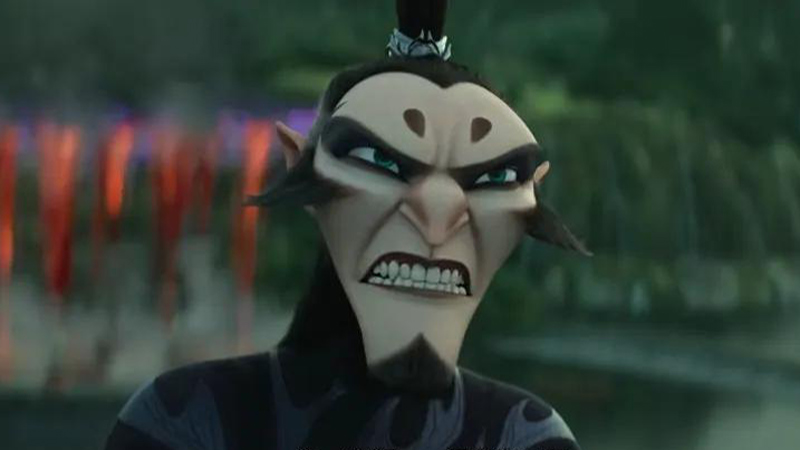
With the Three Pure Ones in seclusion, the Elder of the Infinite becomes the spokesperson for divine order. Order itself is exposed as the source of evil, and its conflicts with the oppressed are irreconcilable. It must be overthrown.
The Elder's tolerance of Ne Zha's demonic energy shows that selection isn't about morality or cultivation but utility: can they be used?
Thus, the burden of resistance falls on Yao and demons, those most rejected by order. The fighting spirit of Ne Zha 2 is fierce. Born of the Demon Pearl, Ne Zha dies twice, embodying the tragic resolve of "better broken jade than intact tile"—choosing noble failure over compromise. His rebellion is fueled by revenge, focused on punishing wrongs rather than building futures.
In this high-magic world, humans are sidelined. During the climax, hordes of sea demons take on the role of humanity, battling the heavens in their place. Actual humans remain passive, awaiting salvation or destruction.
Because the human world in Ne Zha and Investiture of the Gods is an extension of divine order, its conflict with heaven is less urgent. Humans lack motive to rebel. Yao, as the most oppressed, are the true voice of resistance.
3. God–Yao Unity: Everyday Companions
Beyond transformation and confrontation, a third path exists: unity.
Non-Human and The Legend of Luoxiaohei, both contemporary settings, explore this model.
Non-Human mixes sources from Classic of Mountains and Seas, Investiture of the Gods, and Journey to the West, placing gods and Yao in modern urban life.
Here, human modernity overwhelms all. Skyscrapers and concrete erase classical orders. Whether aloof gods or powerful yao, all must adapt to human systems, integrating into the new order shaped by humanity.
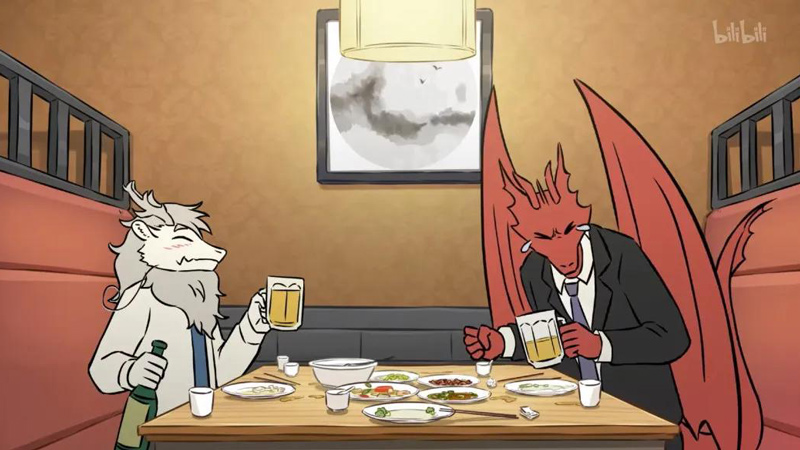
Despite its title, the true masters are humans, whose overwhelming presence blurs the line between god and yao. Old divine orders collapse before modern society. Yao become like gods without official status. Whether they oppose each other, or whether Yao can ascend, becomes irrelevant compared to workplace deadlines or rent payments.
This is not deconstruction but extension. Mythological figures shed their mystique and assume everyday roles: office workers, café owners, schoolchildren, the unemployed.
The comedy arises from clashes between ancient traits and modern routines:
A nine-tailed fox gets her tails stuck in a subway door.
The war god Xingtian, lacking a head, drives with a mannequin strapped on.
Guanyin goes to the movies, but his glowing halo annoys other viewers.
Slice-of-life humor masks the inherent tension of humans living with powerful beings. It imagines a utopia where gods and Yao willingly obey human order, and humans in turn accept them as neighbors rather than outsiders.
But if we puncture this utopian surface, how should humans coexist with powerful Others who surpass them?
The Legend of Hei 2 offers its answer.
Here, Yao break almost entirely from tradition. Beyond their birth through gathering spiritual energy—echoing "absorbing the essence of heaven and earth"—the rest of the worldbuilding is fresh. Mythic figures like Lao Jun or Ne Zha appear more as creative references than faithful retellings. Ne Zha still carries his topknot, Wind Fire Wheels, and Universe Ring, but little of his backstory remains.
In this universe, gods and Yao merge into one category: yaojing (spirits). Like Non-Human, they live under modern human order, but unlike that lighthearted vision, the yaojing must hide. Their enormous power could provoke human fear and, with it, extermination.
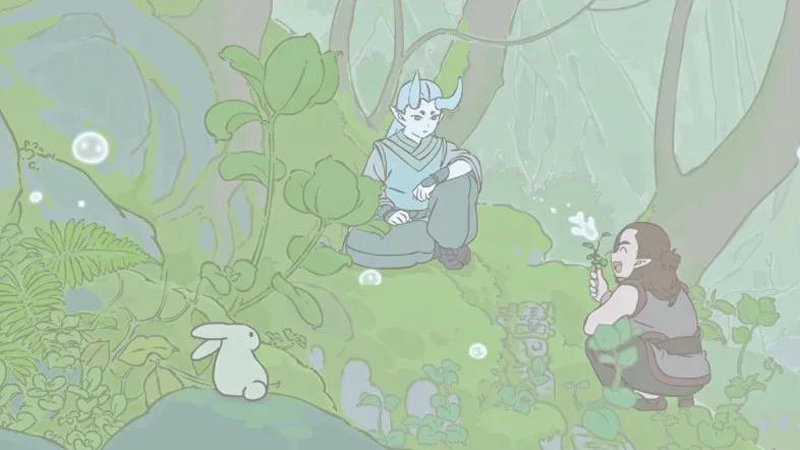
Yaojing remain tied to nature—emerging from it, nurtured by it, embodying pre-modern agrarian life. In such an age, humans were weak before natural forces. Industrial society upended this balance. Humanity's technological dominance shrank yaojing's space, pushing them to society's margins alongside nature itself.
For any dominant power, Others are potential chaos. This fuels the brutal human-yaojing clashes in The Legend of Hei 2.
Those seeking peace form the Huiguan (Guild), advocating coexistence through negotiation without challenging human primacy. Their reformism accepts the current order, seeking only to soften its edges. Opposing them, Feng Xi leads a violent faction, aiming to restore an old order, while Ling Yao pushes toward a new one, sowing present conflict for a future war. Humans are divided too: some initiate battles, others choose diplomacy.
Yet whatever the faction, the motive is survival and future-making. Unlike Ne Zha, where the struggle means "I'll make you die," here it's "I want to live." Even Feng Xi, dreaming of a return to the past, seeks refuge, not vengeance.
This future-oriented optimism permeates Luoxiaohei. The world is idealized: adults are dutiful, institutions run smoothly, children are bright and endearing. Conflict exists, but the series emphasizes harmony, daily life, and integration: if yaojing are willing, they can join society safely. To ground this vision, the narrative dwells on the ordinary workings of human-yaojing coexistence and the Huiguan's bureaucracy.
Humanity's stance toward yaojing reflects how it faces the past while shaping the future. Every conflict becomes rehearsal for tomorrow. Yaojing, too, mirror humans—together they construct the present order through struggle and accommodation. Whether the future turns out well depends not on fate but on choices.
The Ever-Changing Yao
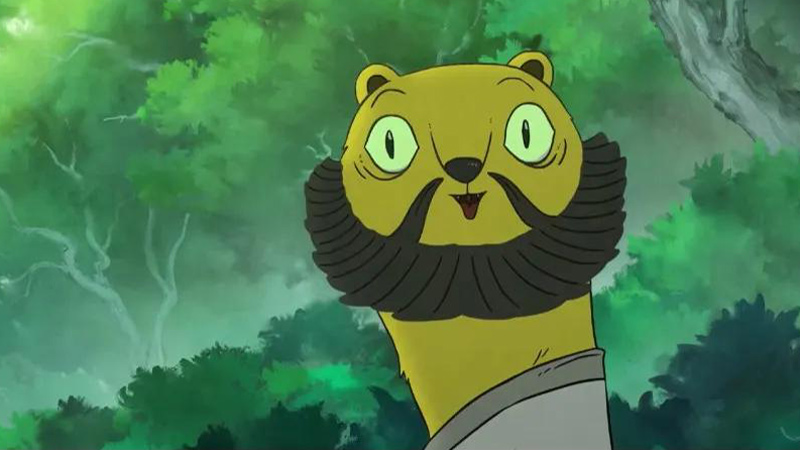
Why, then, are Chinese animated films so drawn to Yao? And what are we really talking about when we talk about them?
Narratively, Yao are fluid. Their forms can shift at will, detached from realism, enabling creative freedom. China's deep cultural tradition provides fertile ground for Yao stories, supplying both mythological resources and symbolic depth. Audiences already recognize the myths, so storytellers can play against expectations, borrow existing structures, or subvert them to craft something new.
Ultimately, Yao serve as mirrors. Each Yao story reflects human anxieties, hopes, and social realities. As Zuo Zhuan put it: "Yao arise from humans. If humans give no opening, Yao do not manifest."
China's first feature-length animation, Princess Iron Fan (1941), turned Yao like the Bull Demon King and Princess Iron Fan into metaphors for Japanese invaders, while Sun Wukong and his companions symbolized domestic disunity. The Tang Monk's appeals for unity became a rallying cry for resistance. Here, Yao embodied privilege and destruction, their defeat symbolizing social renewal through collective action.
Different eras produce different yao, each shaped by contemporary reflection on humanity and order. That is the lasting charm of Yao stories: their adaptability, their openness, their infinite potential for reinvention.
More yao-centered works are already on the horizon. With them will come new visions of humanity, order, and coexistence—further proof of the ever-changing vitality of the yao.