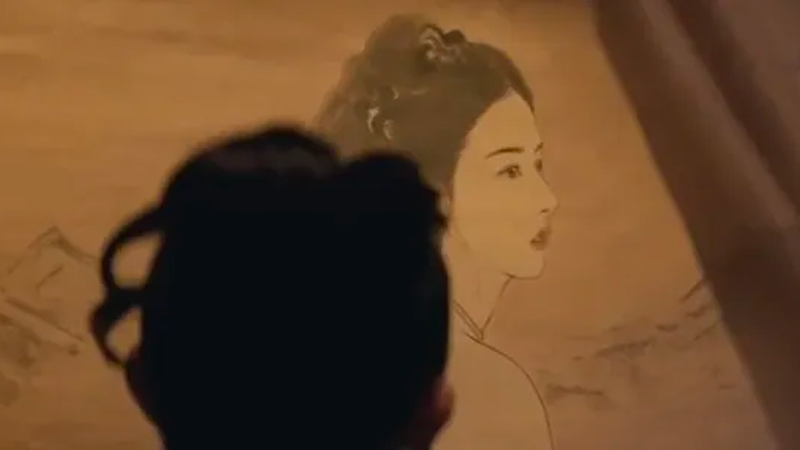
What constituted the perfect woman in ancient China? The answer might be found not in poetry or legend, but in the delicate brushstrokes of Shinü Hua (仕女画), a genre of painting dedicated to depicting idealized female figures. These artworks, often misunderstood as simple portraits of beauty, served as a complex mirror reflecting the evolving tastes, social values, and deepest aspirations of Chinese literati across centuries.
They are far more than pretty pictures; they are visual archives of a cultural conversation about femininity, grace, and intellect that spanned dynasties. This artistic tradition offers a unique window into how standards of elegance were constructed and contested, providing a fascinating counterpoint to today's globalized beauty ideals. By examining these paintings, we embark on a journey through time to understand the essence of what was once considered the pinnacle of Chinese womanhood.
Defining Shinü
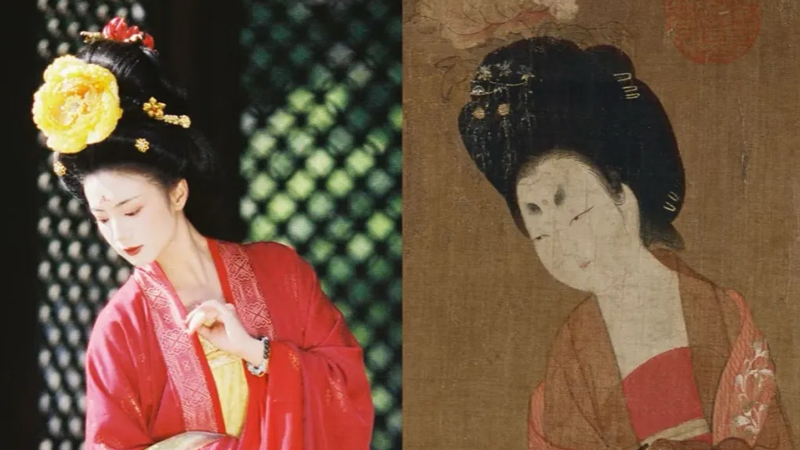
The term Shinü itself carries layered meanings. Initially appearing as "Shinü" (士女) in ancient texts like the Record of the Buddhist Monasteries of Luoyang (洛阳伽蓝记), it simply referred to young women. Over time, particularly by the Tang and Song dynasties, its meaning narrowed to specify women from official or scholarly families. However, within the context of art, Shinü transcended mere social status to embody an ideal. She was the archetype of the cultivated woman—poised, virtuous, and skilled in the arts. This conceptual shift was driven by scholars and painters who used their brushes to visualize their highest aspirations for female companionship and cultural refinement.
These paintings were never intended to be realistic portraits of individual women. Instead, they presented a standardized, idealized form. In a society where artistic expression was largely dominated by men, the Shinü became a cultural projection. She was often depicted in serene gardens or elegant chambers, engaged in refined activities like playing the Guqin (古琴) or contemplating poetry. Her beauty was not solely physical; it was an aura of cultivated tranquility and intellectual depth. This made the genre immensely popular among the educated elite, who saw in these images the manifestation of a harmonious and sophisticated life.
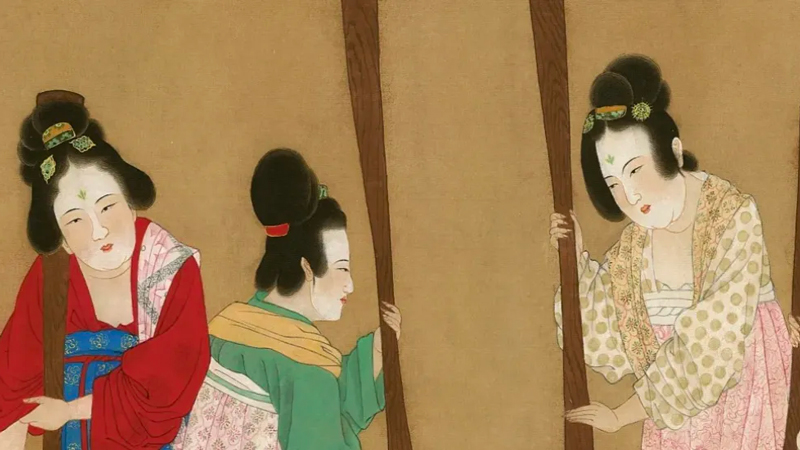
The creation of Shinü Hua as a distinct category is credited to masters of the Tang Dynasty. Historical records such as the Tang Chao Ming Hua Lu (唐朝名画录) list artists like Zhou Fang (周昉) and Zhang Xuan (张萱) as pioneers celebrated for their skill in rendering these figures. Their work established a template that would be revered and reinterpreted for generations. The Shinü was no longer just a subject; she was a symbol of cultural achievement, a testament to the painter's ability to capture ethereal qualities like grace and wisdom on silk or paper.
Evolving Ideals
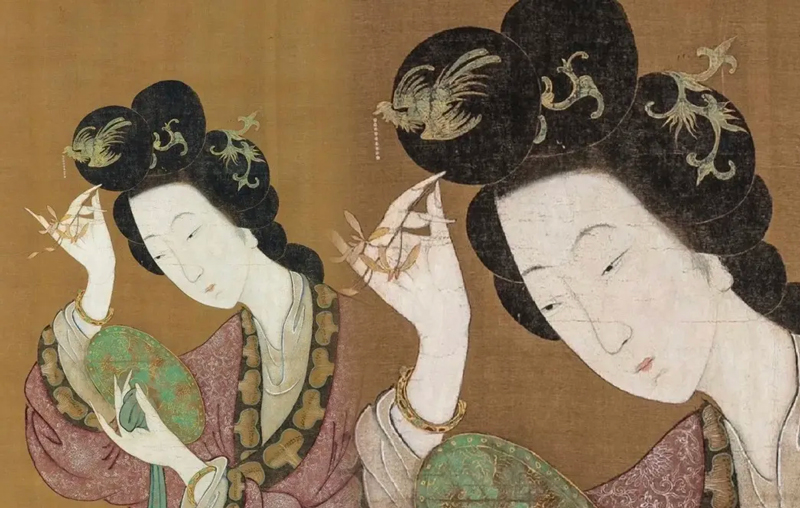
The physical portrayal of the Shinü changed dramatically with each era, offering a clear visual timeline of shifting aesthetic preferences. During the prosperous Tang Dynasty, the ideal woman was portrayed with a full, rounded face and a robust, voluptuous figure. This reflected a society that valued abundance, health, and confidence. Paintings from this period, such as those by Zhou Fang, show women with elaborate hairstyles and rich, flowing robes, exuding an air of luxurious vitality. Their plumpness was a sign of wealth and well-being, a direct correlation between physical form and social status.
Following the Tang, the Song Dynasty ushered in a new sensibility. The ideal form became more slender and delicate, with an emphasis on introspection and reserve. Song artists favored a palette of softer colors and depicted Shinü with a pale complexion, slender shoulders, and a demure posture. This shift mirrored the Neo-Confucian philosophies gaining prominence, which stressed restraint, modesty, and scholarly refinement. The beauty of the Song Shinü was internalized, found in a quiet gaze and a subtle, almost melancholic elegance that suggested a rich inner world.
By the Ming and Qing dynasties, the form became even more stylized and delicate, sometimes bordering on the fragile. The figures often appear with willowy bodies, tiny feet, and exceedingly graceful gestures. This hyper-feminine ideal was codified in countless manuals and paintings, becoming the standard for beauty. A Qing scholar, Gao Chongrui (高崇瑞), famously claimed that a beautiful woman could incorporate the allure of famous mountains, strange flowers, and rare birds—a statement that elevated the Shinü Hua above all other painting genres as the ultimate expression of concentrated beauty.
Modern Resonance
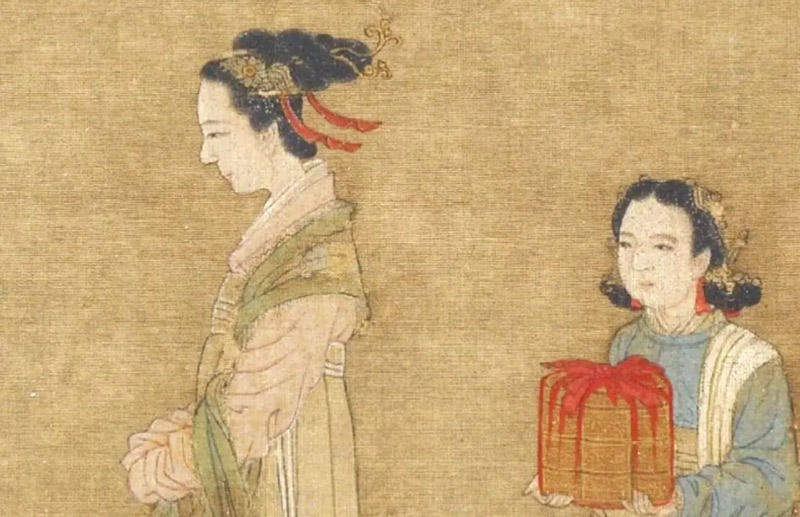
In the contemporary world, the overt ideals of Shinü Hua may seem distant. Modern women champion diversity, individuality, and strength that goes beyond the confined elegance of the past. The demure, palace-bound figure is no longer a universal aspiration. However, the core philosophy embedded in these paintings retains its power. They remind us that true appeal has always been a blend of external grace and internal cultivation. The emphasis on talent, poise, and intellectual depth is a timeless concept that transcends the specific physical ideals of any one period.
These ancient artworks continue to inspire modern creatives. Elements of Shinü Hua can be seen in the costuming and character design of historical films and television series, where directors seek to capture an authentic, classical aesthetic. Fashion designers sometimes draw on the flowing lines of the Qipao and the postural grace depicted in the paintings to create looks that feel both nostalgic and contemporary. The Shinü provides a rich visual vocabulary for expressing a uniquely Chinese form of elegance.
Ultimately, the greatest legacy of Shinü Hua is its invitation to contemplate beauty as a multifaceted concept. While we may not aspire to the exact image of a Tang or Song dynasty lady, the paintings challenge us to look beyond the superficial. They teach that elegance is cultivated, that presence is as important as appearance, and that beauty is deeply intertwined with culture and context. In an age of rapidly changing trends, this ancient art form offers a grounding perspective, suggesting that the most enduring form of beauty is one that harmonizes the physical with the profound.