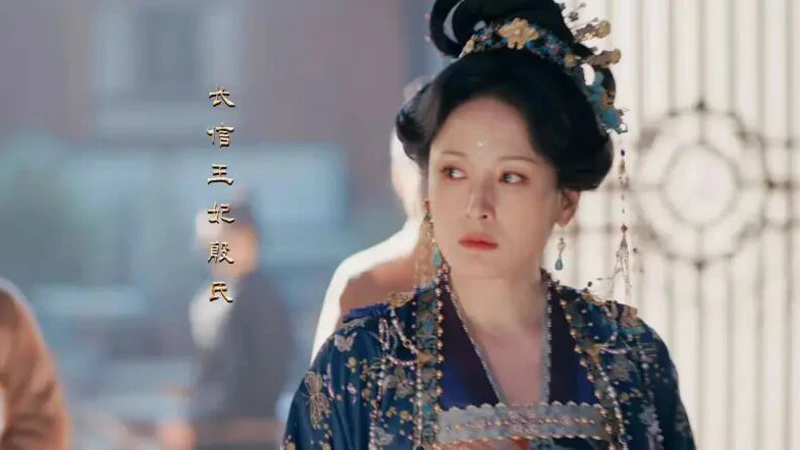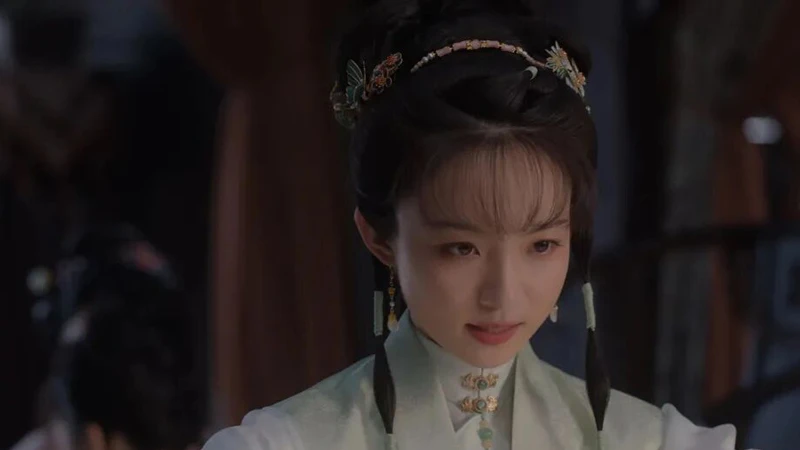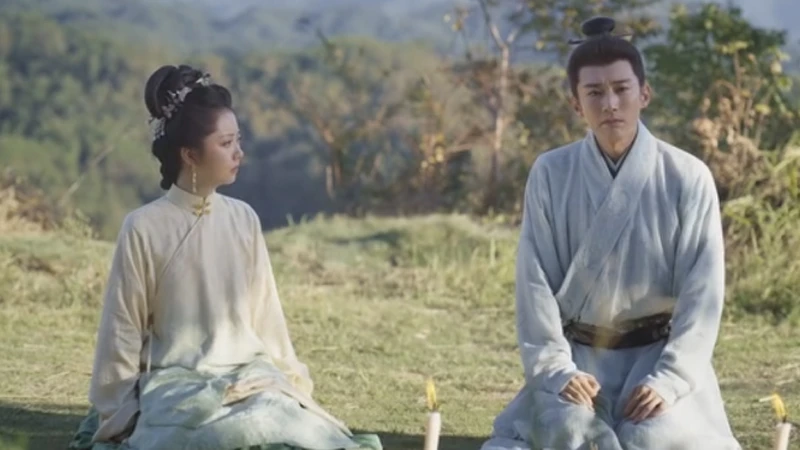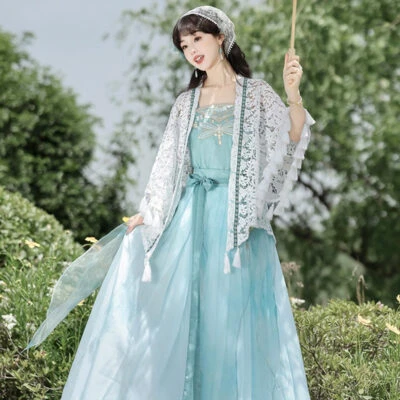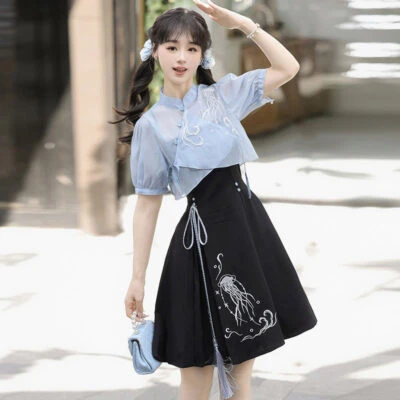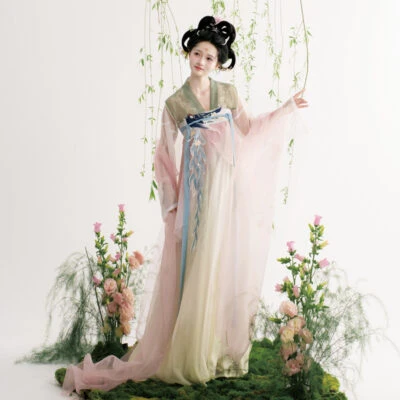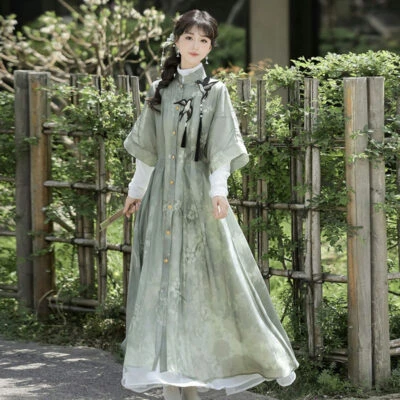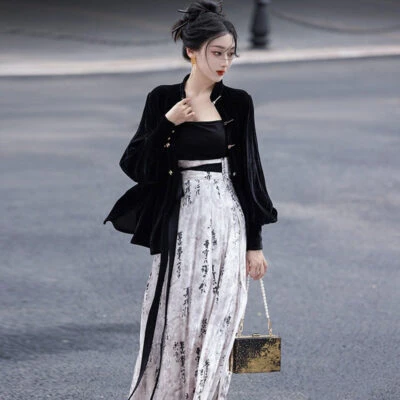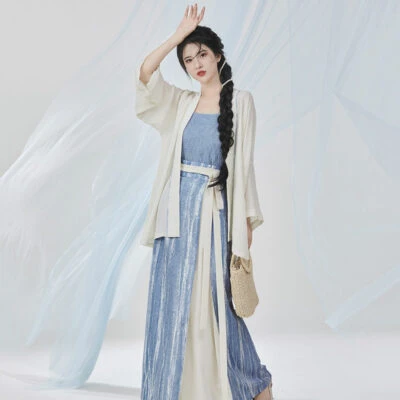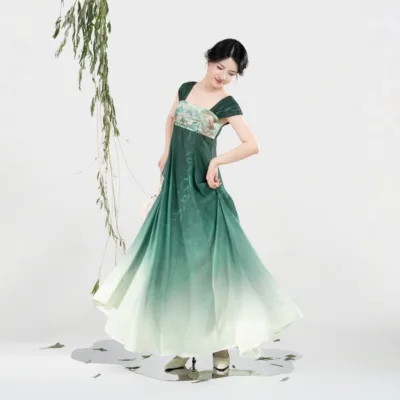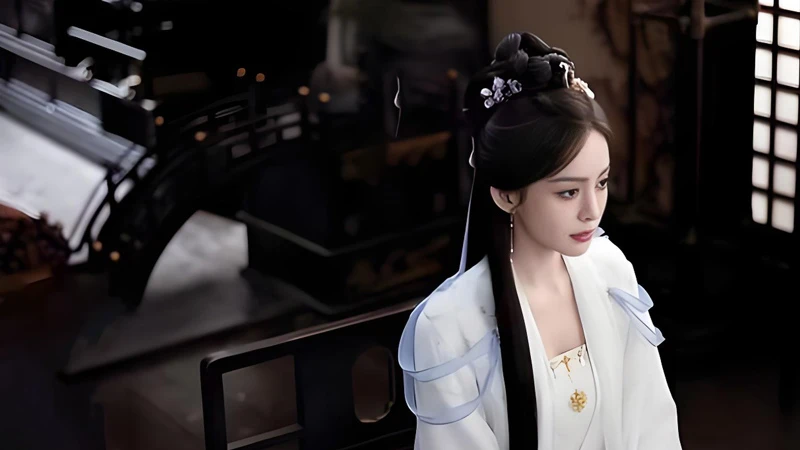
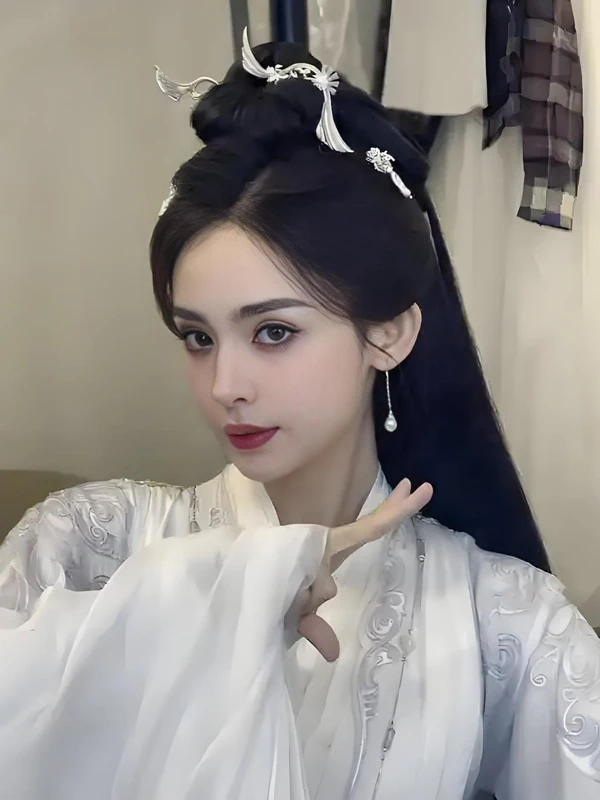
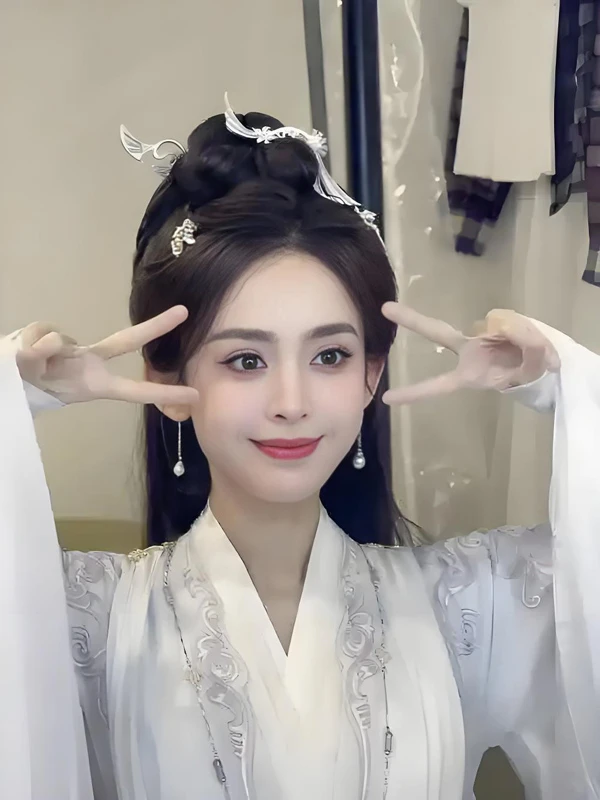
In a recent series of images that quickly captivated social media, actress Gulnazar appeared not as a distant celebrity, but as a approachable figure enjoying a moment of pure joy. Dressed in Hanfu, she was photographed playfully making a peace sign, her genuine smile radiating a warmth that felt instantly relatable. This departure from highly polished promotional materials sparked immediate discussion among fans and critics alike, highlighting a growing public appetite for authenticity in an industry often dominated by manufactured perfection.
The photoshoot, set against a simple backdrop, emphasized natural expression over dramatic flair, suggesting a shift in how artists connect with their audience. Gulnazar, known for her ethereal beauty and Xinjiang heritage, seemed to be embracing a more personal narrative, one that values emotional truth as much as visual appeal. This moment serves as a poignant entry point into broader conversations about celebrity culture, personal identity, and the evolving definition of success in Chinese entertainment.
The Real Gulnazar
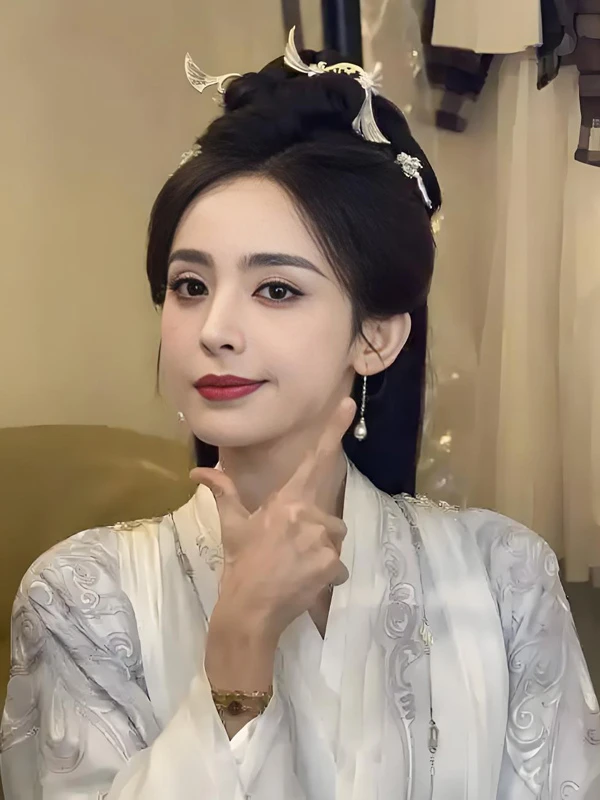
Gulnazar’s journey in the spotlight has been marked by her ability to navigate the complexities of fame while staying true to her roots. Born in 1992, she entered the public eye with the distinctive appeal of someone from Xinjiang, yet she has consistently worked to avoid being pigeonholed by regional stereotypes. Her career choices reflect a deliberate effort to explore diverse roles, from historical dramas to contemporary stories, allowing her to demonstrate range beyond initial expectations. This recent photoshoot in Hanfu feels like a culmination of that journey, where the traditional attire becomes a canvas for modern self-expression rather than a costume for performance. The simplicity of the setting and her relaxed posture suggest a conscious move away from the hyper-curated images that flood media platforms, offering a glimpse into the person behind the persona.
The reception to these images underscores a significant change in audience expectations. Where once flawless beauty and impeccable styling were the primary metrics of admiration, there is now a greater appreciation for moments that feel unscripted and real. Gulnazar’s decision to share a casual gesture like a peace sign, complete with a smile that reaches her eyes, resonates because it mirrors how people present themselves in everyday life. This authenticity creates a stronger emotional bond with viewers, who may feel fatigued by the relentless pursuit of perfection in celebrity culture. It raises questions about the sustainability of older models of stardom, where artists were often packaged as untouchable ideals rather than multidimensional individuals.
Comparing Gulnazar’s path to that of her peers reveals interesting insights into industry dynamics. While many artists of her generation chase viral moments or trend-driven projects, she has cultivated a career built on gradual growth and substantive work. This approach fosters a sense of durability that transient fame cannot match, suggesting that long-term relevance may hinge on consistency and genuine connection. Her willingness to reveal lighter, more imperfect sides of herself in controlled settings like this photoshoot indicates a strategic embrace of vulnerability as a strength. In doing so, she challenges the notion that celebrities must maintain an aura of invincibility, instead advocating for a balance between professional polish and personal truth.
Future Horizons
In the future, Gulnazar’s upcoming projects promise to further test her artistic boundaries and reinforce her commitment to authentic storytelling. She is set to appear in The Awake, a historical drama that delves into intense political struggles, requiring her to convey deep emotional layers under high-stakes circumstances. This role will demand a delicate balance between narrative intensity and character relatability, pushing her to harness the same genuine energy seen in her recent photoshoot. Similarly, Glory Teaser (玉茗茶骨) calls for a refined and elegant presence, where subtle expressions and vocal nuance could define her performance. These opportunities allow her to translate the authenticity valued in her public image into her craft, potentially setting new standards for how actors inhabit roles.
The diversity of these projects highlights Gulnazar’s versatility and the industry’s recognition of her growing influence. In The Journey of Legend (赴山海), an adaptation of a classic wuxia tale, she will need to embody the physicality and moral complexity of a martial arts hero, a significant shift from the gentle charm displayed in the Hanfu images. This transition from “cute ancient-style girl” to powerful warrior illustrates the expansive range she is pursuing, suggesting that her career is entering a phase defined by challenging transformations. Each role serves as a building block, contributing to a portfolio that prioritizes depth over typecasting, and fans will be watching to see how she merges her personal authenticity with these varied fictional worlds.
Beyond individual performances, Gulnazar’s trajectory signals a potential shift in how the entertainment industry values realness. As audiences increasingly reward artists who share glimpses of their true selves, there may be greater space for projects that prioritize emotional honesty over spectacle. Her ability to maintain a connection with the public through both her on-screen work and off-screen presence could inspire a new generation of performers to embrace authenticity as a core component of their brand. This evolution does not diminish the importance of skill or production quality but enriches them by grounding stories in human experience. Ultimately, Gulnazar’s journey suggests that the most enduring stars are those who can seamlessly blend artistry with authenticity, creating a legacy that resonates on and off the camera.