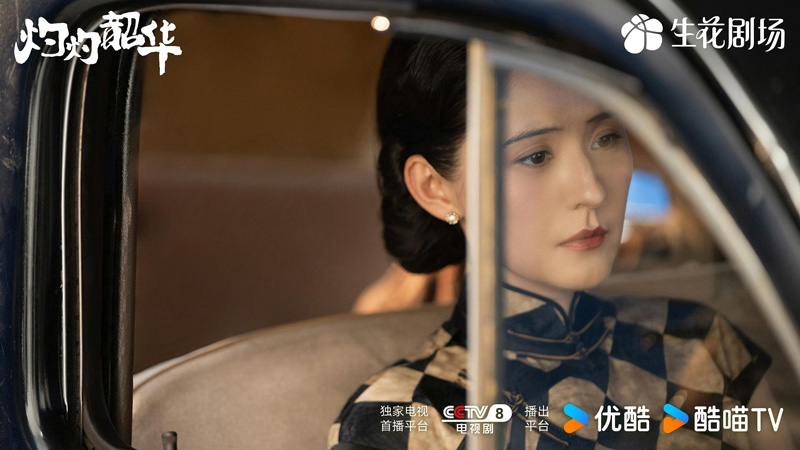
"Fast-paced and satisfying." When this becomes the label most people attach to a period drama, it already hints at something unusual. Wild Ambition Bloom (灼灼韶华), now streaming on Youku, has indeed broken the mold. The show has cut through the crowded drama market with impressive results: a CVB rating above 2.6%, Youku's internal popularity index over 8000, and the top spot on Douyin's drama chart. Along with these numbers, the show has gained both public attention and steadily improving word of mouth.
What makes Wild Ambition Bloom stand out is that it isn't just another so-called Shuang Drama (爽剧)—a fandom term used to describe shows built on fast payoffs, revenge arcs, and cathartic spectacle. The creative team tapped into what contemporary viewers want and reworked the familiar framework of Republican-era dramas. By leaning into three key areas—rare subject matter, modern character design, and an intensified rhythm of storytelling—the series updates the genre and adds new value.
A Long Drama That Still Feels Fast
The immediate market response was strong. In terms of ratings, its CVB performance not only started high but kept climbing. On Youku, the show crossed 8000 in popularity score, staying at the top of several charts: the overall trending list, the Republican-era dramas list (a subgenre set in early 20th-century China), and the women's favorites list.
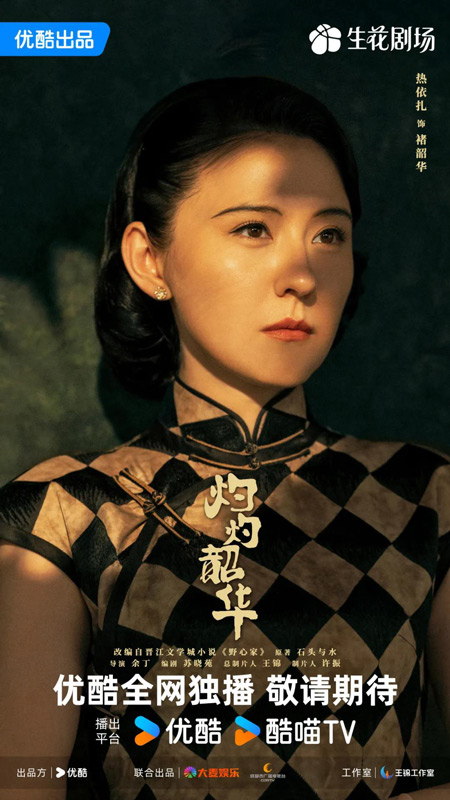
Industry data also confirms this trajectory. According to Detawen, a leading drama-tracking service, the show's "prosperity index" (a composite measure of buzz and momentum) crossed 1.5 the day after launch, surged past 1.9 on day three, and quickly broke 2.0. Within its first week, Wild Ambition Bloom ranked number one on Detawen's Republican-era drama chart, signaling strong recognition not just from audiences but from the industry.
Its reach also extended well beyond long-form platforms. The drama took the #1 slot on the Douyin drama chart, an especially important metric since Douyin is where younger audiences generate viral content and discussion. Clips of the show's business rivalries and sharp dialogue spread rapidly, fueling secondary conversations that kept it in the public eye.
The engine behind this performance is a sharp content strategy. Audience comments consistently highlight the same themes: "tight pacing," "dense plot," "feels great to binge." For a genre often criticized for dragging or padding episodes, this alone marks a breakthrough.
On paper, Wild Ambition Bloom still belongs to the traditional "Republican-era" lane. But in execution, it mines the rare potential of its subject matter, fuses it with a punchy rhythm, and aligns itself with the aesthetic tastes of today's viewers. The result is a new kind of period drama—one that might well serve as a benchmark for what the genre can look like going forward.
Rare Subject Matter: A Widow Starting a Herbal Medicine Business
One of the most striking moves in Wild Ambition Bloom is its subject matter. The story begins with heroine Chu Shaohua, a widow navigating both remarriage and survival. This is unusual terrain for Chinese television, where female leads are typically unmarried ingénues or dutiful wives. By starting with a widow, the series places its heroine directly into a landscape of social prejudice and financial uncertainty—conditions that instantly raise the dramatic stakes.
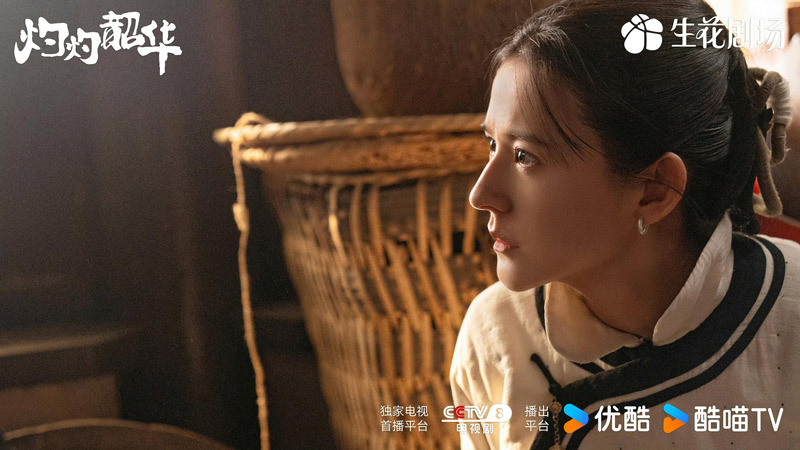
Equally fresh is the focus on traditional Chinese medicine (TCM) commerce. Rather than revolving around predictable tropes—palace intrigue, warlords' households, or family feuds—the show places its narrative engine in the herbal medicine trade. Chu Shaohua must learn formulas, manage supply chains, compete with rivals, and confront the ethical debates of profit versus healing. This business-driven plotline not only adds texture but also resonates with real-world cultural heritage.
But the rarity here is not just for novelty's sake. It creates room for the show to explore bigger themes: female agency in marriage, economic independence, and the pursuit of self-worth. Instead of staying boxed into familiar frameworks like inner-courtyard rivalries or formulaic romances, Wild Ambition Bloom steers toward a broader arc of female awakening. Chu Shaohua's struggle to build her business and protect her autonomy mirrors contemporary discussions of women balancing personal identity with societal expectations.
Detawen's data reflects this focus: story elements such as "widow," "remarriage," "business management," "entrepreneurship," and "female lead in charge" all rank high on its rarity index. Within the series, these elements work in tandem to shape a heroine who is independent, layered, and constantly tested. By making rarity itself the entry point for innovation, Wild Ambition Bloom injects new energy into an otherwise familiar genre.
Fast but Grounded: The Balance of Shuang
The show's most marketable strength is its narrative rhythm. Episodes move quickly, with dense plotting and constant reversals. Chu Shaohua's herbal venture doesn't unfold in a straight line—each episode layers new obstacles: a marriage-of-convenience romance with complex power dynamics, family upheavals triggered by inheritance disputes, sabotage from business competitors, and betrayals from supposed allies. This relentless mix generates a strong sense of Shuang Gan (爽感)—the satisfying rush viewers describe when a drama delivers cathartic victories or poetic justice.
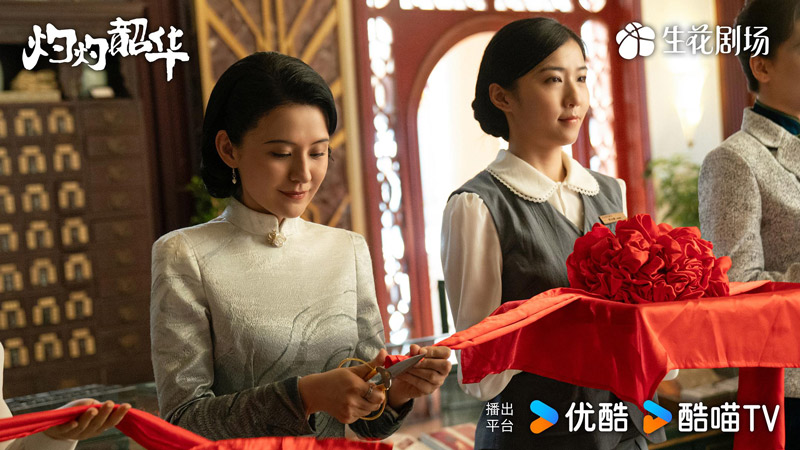
Recent opinion tracking from Detawen shows that "story rhythm and satisfying payoffs" made up 20% of all online discussion directions, ranking first among hot topics. Clearly, this blend of speed and satisfaction has become the show's calling card.
What's important is that Wild Ambition Bloom achieves this rush without resorting to absurd twists or deus ex machina rescues. Instead, its Shuang Gan grows organically from character motivations and credible setups. For example, Chu Shaohua's negotiation scenes with rival medicine shops are not just heated exchanges—they draw on her growing knowledge of formulas, supply shortages, and reputation management. When she scores a win, it feels earned rather than manufactured.
The creative duo behind the project, director Yu Ding and screenwriter Su Xiaoyuan, are known for female-centered stories with grounded emotional cores. Their craftsmanship shows in the details: carefully researched costumes and props that evoke the texture of Republican-era markets, dialogue that balances period formality with modern accessibility, and scenes staged to highlight power struggles visually—whether through the layout of a pharmacy counter or the seating order at a family dinner.
The cast also deserves credit. Lead actress Re Yizha brings resilience without falling into the "strong but cold" cliché, balancing emotional vulnerability with business acumen. Supporting roles, from scheming in-laws to sympathetic apprentices, are drawn with enough nuance to avoid flat archetypes. This grounding ensures that the show's fast pace doesn't slip into superficiality.
Why does this formula resonate so strongly? Part of the answer lies in the socio-cultural parallels. The Republican era (1912–1949) was a time of rapid modernization, when traditional trades like herbal medicine were being reshaped by industrialization and global contact. By choosing this backdrop, Wild Ambition Bloom implicitly connects with the experiences of modern viewers—especially women—navigating their own transformations in a fast-changing society.
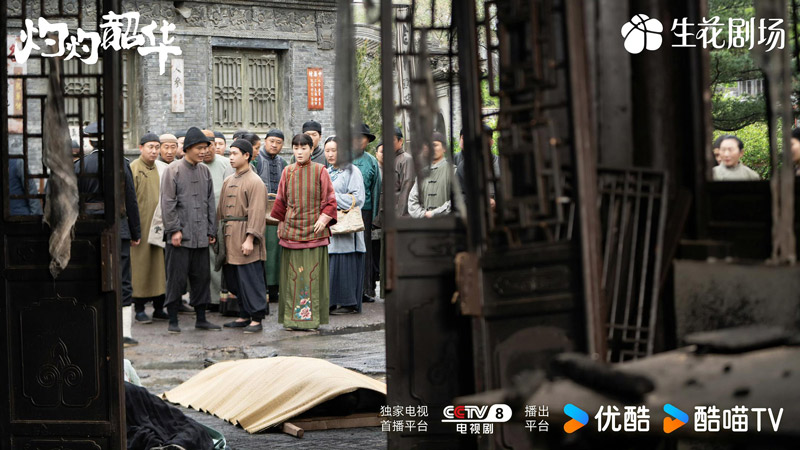
Chu Shaohua's dilemma—whether to remarry for stability or stake everything on her own business—echoes the dilemmas faced by many working women today: security versus independence, tradition versus self-realization. Online commentary often frames her as a role model not because she "wins" every battle but because she perseveres, recalibrates, and keeps moving forward.
Social media discussions highlight specific moments: Chu Shaohua standing her ground in a male-dominated guild meeting; her decision to reinvest profits into apprenticeships for women; her quiet defiance when relatives push her toward remarriage. These scenes strike chords far beyond the period setting, reminding audiences that historical fiction can still engage with contemporary debates on gender, labor, and autonomy.
The blend of polished production, rare subject matter, fast pacing, and grounded emotion has allowed Wild Ambition Bloom to carve out a unique niche. It doesn't discard the familiar pleasures of a Republican-era drama—family intrigue, romance, and historical atmosphere—but it rearranges them around a fresher axis of commerce and female ambition.
For the industry, its success raises a larger question: could this become a benchmark model for how to revitalize period dramas? In a market where costume fantasies and palace intrigues have often relied on similar templates, Wild Ambition Bloom proves there is an appetite for innovation rooted in overlooked histories and underexplored professions.
Female Growth and the "Real" Big Female Lead
If rare subject matter was the sharp tool that let Wild Ambition Bloom break through, then the modernized characterization of Chu Shaohua is the stabilizing force that secured emotional resonance with viewers.
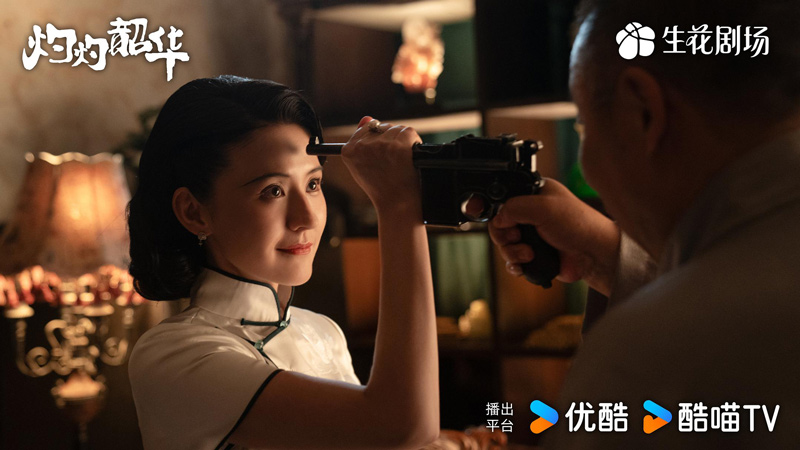
Data backs this up: "female growth and inspiration" ranks among the most common keywords associated with audience impressions of the show. Other frequently mentioned terms include "big female lead" (大女主, a Chinese internet shorthand for female protagonists who are ambitious, career-driven, and in control of their own destinies), "female entrepreneur," "career-focused," and "ambitious." Viewers have clearly picked up on Chu Shaohua's independent, clear-headed, and ambitious nature, and these traits have sparked wide discussion.
Her character is built with layers yet feels internally consistent. To save her brother, she marries into another family, but she keeps her clarity within that marriage. When her husband's long-lost first love reappears, she remains rational and makes the right choices at the right time. Within the household's power games, she proves herself resourceful, winning respect through her tact and courage. In the competitive business world, she takes risks, fights smart, and rises through her intelligence and strategic sense. When her sisters face danger, she stays calm, sets up her own counter-moves, and solves the crisis.
Through careful plotting, Chu Shaohua comes across as "not melodramatic, not saintly, resilient, and ambitious." This three-dimensional portrayal aligns perfectly with what many modern female viewers want from a "career-focused big female lead." Even though the story is set in the Republican era, the mindset it conveys—independence, pragmatism, ambition—feels unmistakably modern.
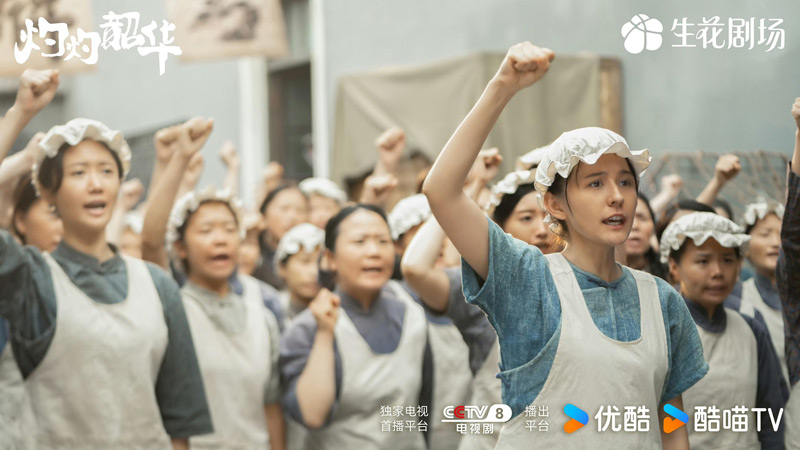
According to Detawen, the core audience for Wild Ambition Bloom alls between ages 24 and 40, making up nearly 65% of the total. For this group—mature viewers with more life experience—the show's themes of remarriage, entrepreneurship, and business management feel especially relatable. And because many of them are in the midst of career development or facing key life choices, Chu Shaohua's journey—breaking out of constraints, chasing her ambitions, and ultimately realizing her self-worth—resonates on a deeply emotional level.
Looking at city-level data, the drama has shown strong appeal in first-tier cities, "new first-tier" cities (a Chinese market term referring to rapidly developing urban centers just below Beijing, Shanghai, Guangzhou, and Shenzhen), and even in third-tier cities (TGI >100 across these groups). This proves that the story combines sophistication and depth for more educated viewers with emotional accessibility for general audiences. In other words, it carries universal qualities that bridge cultural and demographic divides. By breaking past the "city-tier barriers" that often restrict Republican-era dramas, Wild Ambition Bloom has broadened its reach and successfully drawn in casual viewers ,especially for non-fans or general audience members.
The character of Chu Shaohua has also connected so strongly because of the performance behind her. Actress Reyizha delivers with nuance and conviction, embodying both the historical grounding of the role and a modern sense of spirit. Her layered acting makes Chu Shaohua not just a protagonist but also an emotional outlet and role model for viewers, allowing the show's value-driven themes to truly land.
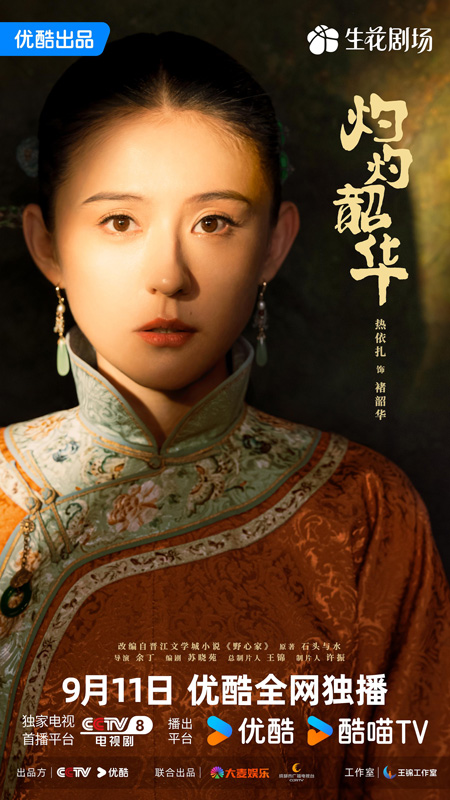
Taken together, the market performance of Wild Ambition Bloom provides the industry with a valuable case study in how to reinvent the Republican-era drama. It demonstrates that traditional genres aren't cut off from younger or mass audiences—the key lies in whether creators can reframe details through a modern lens.
By expanding its narrative through rare subject matter, grounding emotional resonance in modernized character design, tightening the viewing experience with fast-paced storytelling, and balancing it all on the foundation of polished production, Wild Ambition Bloom has carved out a clear success formula. More than that, it points toward a potential future path for period dramas and other traditional genres: one that balances artistry and commercial appeal, while connecting with diverse audience circles. For the industry, its trajectory is worth keeping an eye on.