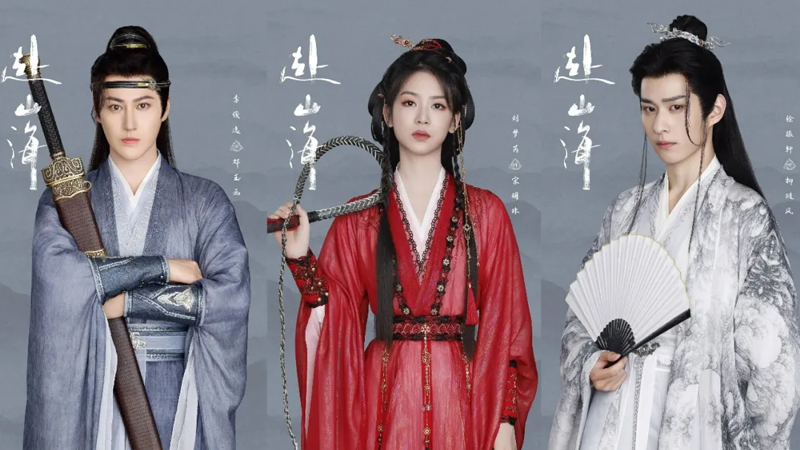
The landscape of Wuxia drama on television is undergoing a profound transformation, moving away from the gritty, blood-stained arenas of the past toward a world where aesthetics often overshadow the core spirit of the Jianghu. The recent series The Journey of Legend (赴山海), starring actor Cheng Yi (成毅), has become a focal point for this discussion. Its popularity highlights a significant shift in how stories of chivalry and honor are being told for contemporary audiences. This change reflects broader trends in production, audience preference, and the very definition of what constitutes a hero in today's media-saturated environment. The debate is not merely about style versus substance, but about the evolution of a cultural genre that has long held a special place in the hearts of viewers.
Visual Revolution
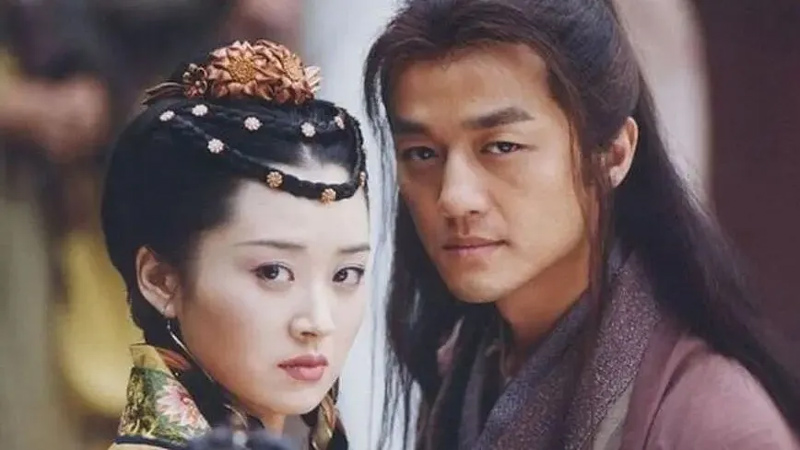
The visual language of Wuxia has changed dramatically. Earlier productions, influenced by directors like Zhang Che (张彻) and King Hu, prized a sense of raw authenticity. Fight scenes were often brutal and unpolished, and characters bore the physical marks of their hard lives. Their costumes were functional, sometimes even shabby, reinforcing the idea of a harsh, unpredictable world. This aesthetic made the Jianghu feel tangible and dangerous, a place where survival was earned through struggle and sacrifice.
In contrast, contemporary series like The Journey of Legend embrace a highly stylized look. The protagonist's appearance is meticulously crafted, with flawless makeup, artfully arranged hair, and costumes in soft, fashionable colors. This polished presentation aligns more closely with the visual standards of historical idol dramas, where the attractiveness of the cast is a primary selling point. The rough edges that once defined martial heroes have been smoothed away, replaced by an almost ethereal beauty that can feel disconnected from the narrative's stakes.
This shift is not arbitrary. It is a direct response to market forces and changing viewer tastes, particularly among younger demographics who consume media differently. The demand for visually appealing content that can be easily shared on social platforms encourages producers to prioritize glamour. As a result, the physical environment of the Jianghu has also become more studio-bound and digitally enhanced, further distancing it from the earthy realism of its predecessors.
Changing Heroes
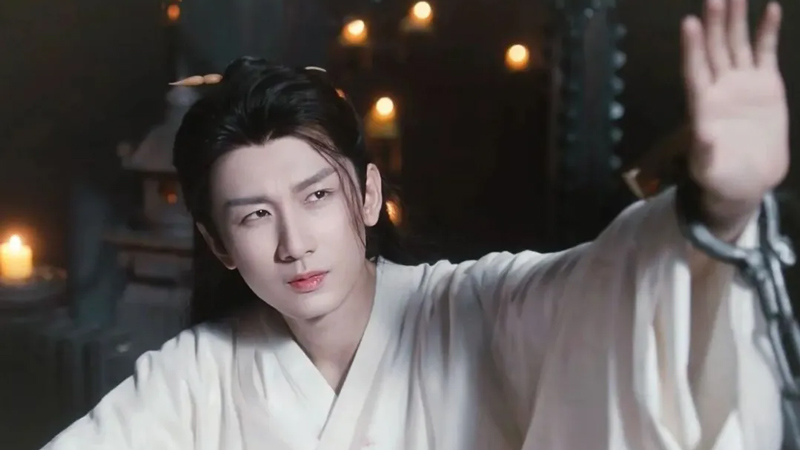
The definition of a Wuxia hero has been fundamentally rewritten. Characters from the classic novels of Jin Yong (金庸) and Gu Long (古龙) were complex figures defined by their moral codes, personal flaws, and often tragic pasts. They were allowed to be scarred, addicted to drink, or emotionally vulnerable. These imperfections made them relatable and their triumphs more meaningful. Their strength was as much a product of their inner resilience as their martial skill.
The new archetype, exemplified by Cheng Yi's roles in Mysterious Lotus Casebook (莲花楼) and now The Journey of Legend, favors a different kind of protagonist. He is often a figure of near-perfect elegance, whose primary challenge seems to be maintaining his impeccable appearance amidst the chaos. The internal conflict and worldly burdens that weighed on older heroes are replaced by more personal, sometimes romantic, dilemmas that fit neatly into the idol drama format.
This evolution reflects a societal move away from grand narratives of national duty toward stories focused on individual identity and emotional fulfillment. The modern hero does not need to carry the weight of the world on his shoulders. Instead, he navigates a world built around his personal journey, where martial arts serve as a backdrop for character development and visual spectacle rather than the central pillar of the story.
Production Realities
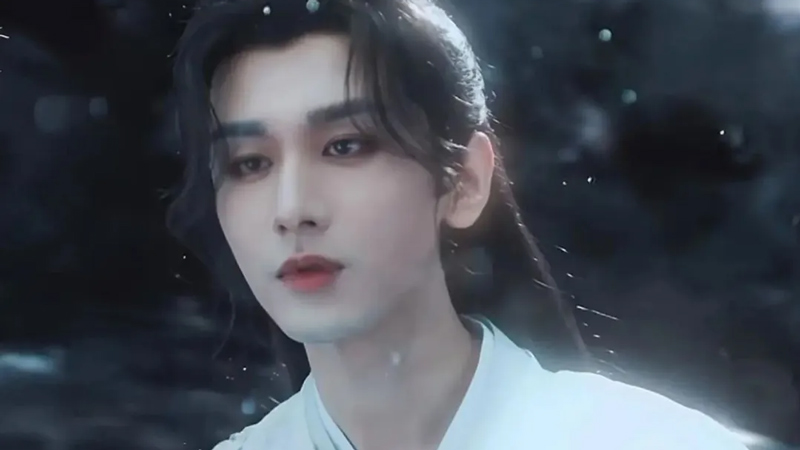
Practical challenges in television production heavily influence this stylistic pivot. Filming authentic, demanding fight sequences requires actors with significant physical training and a willingness to perform their own stunts. It is also a time-consuming and expensive process. The current industry climate, with its tight shooting schedules and reliance on popular actors who may have packed filmographies, often makes such dedication difficult to achieve.
There is a noticeable gap in the new generation of actors when it comes to those who can convincingly portray a seasoned martial artist. While performers like Zheng Yecheng (郑业成) have gained recognition for their physical prowess, they may not yet have the star power to headline major productions. Conversely, highly popular actors like Yang Yang (杨洋) or Luo Yunxi (罗云熙) bring a guaranteed audience but their ability to embody the rugged essence of a traditional Wuxia figure is frequently questioned.
Producers, facing these constraints, often choose the path of least resistance. By focusing on aesthetics and romance, they can cater to the established fanbases of leading actors while minimizing the logistical and financial risks associated with complex action choreography. This calculated approach ensures commercial viability but often at the cost of the genre's distinctive spirit, leading to a homogenized product that blends seamlessly with other period genres.