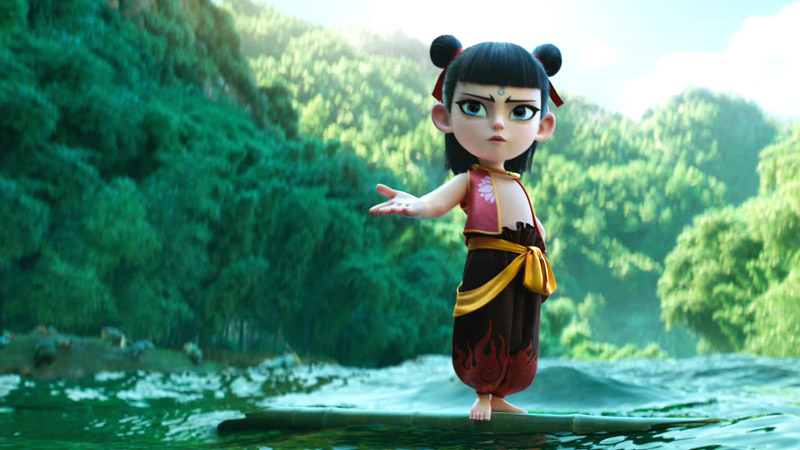
The most debated element of Ne Zha 2 is its transformation of a tale of defiance against authority into a story about familial love and harmony. The film takes such bold liberties with tradition that many viewers struggle to reconcile it with earlier versions. So what exactly did this "Ne Zha 2" Ne Zha betray—and what did he inherit?
A New Ne Zha, A Different Spirit
Did the film betray Ne Zha's anti-authoritarian core? Some say yes, but the answer is not so simple.
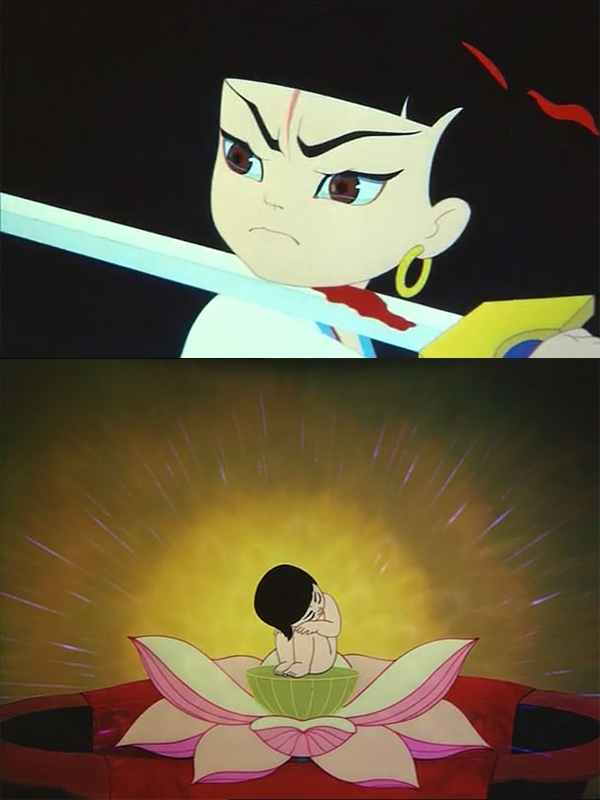
In Investiture of the Gods, Ne Zha's rebellion is tempered by filial duty. Before his famous self-sacrifice, he is still a loyal son, killing himself largely to save his parents. The 1979 animation Ne Zha Conquers the Dragon King (哪咤闹海) also shifts the emphasis: Ne Zha dies to protect the people of Chentang Pass. His defiance of authority is there, but it is indirect.
Seen this way, the new film isn't unprecedented. Most retellings soften Ne Zha's radical edge, and Ne Zha 2 is simply the most dramatic example.
There is also a practical reason. Across eras and cultures, audiences have struggled to accept the shocking "returning flesh and bones to parents" scene—a symbolic act of ultimate defiance. It contradicts modern ideals of family and childhood. Adaptors face a dilemma: how to preserve the power of this act without its unbearable radicalism.
Even the 1979 film skirted the issue, framing Ne Zha's sacrifice as an act for family and community rather than pure rebellion. Four decades later, Ne Zha removes the scene altogether. For many, this feels extreme, but the seed was planted long before.
Still, the act of returning flesh and bones is foundational. As early as the Song Dynasty, Buddhist texts describe Ne Zha giving back his body before revealing his divine form. Later versions—from Sou Shen Da Quan (搜神记) to Journey to the West and Investiture of the Gods—all preserved it.
Why? Because this act is electrifying: radical, decisive, impossible to dilute. For generations of readers living under rigid family hierarchies, Ne Zha's defiance was cathartic. He became the projection of their desire for autonomy. No other figure in Chinese culture enacted such uncompromising rebellion. That is why Ne Zha endures.
The Power of "My Fate Is Mine to Master"
The line that captured audiences in Ne Zha 2 is:
"My fate is mine to master, not heaven's."
This slogan has spread far beyond the film, celebrated as a cultural rallying cry. Some critics argue the ethos comes straight from modern xianxia web novels, with their frequent battles against fate and heaven. Yet the roots lie much deeper—particularly in the 1979 animation.
In Investiture of the Gods, Ne Zha is Heaven's chosen agent. His actions serve destiny, not personal choice. The question of who controls his fate never arises.
By contrast, the 1979 film strips away Heaven's authority. Chentang Pass is abandoned, terrorized by the Dragon King. Ne Zha's response is rebellion. He kills Ao Bing, thrashes the Dragon King, and forces him to promise an end to child sacrifices. But the Dragon King breaks his word, floods the pass, and demands Li Jing execute his son. Deprived of his weapons, Ne Zha commits suicide to save his family and people. Later, he is resurrected to storm the Dragon Palace and finish the revolution.
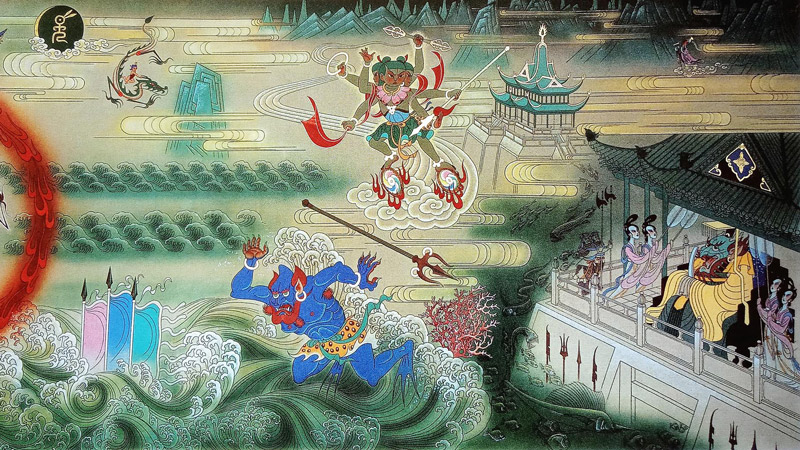
Here, Heaven is absent. The Jade Emperor never appears. When Li Jing claims he must obey "Heaven's will," it is only a mask for tyranny. Ne Zha never recognizes the Dragon King's authority as divine. His loyalty is not to gods but to himself and his sense of justice.
This is the seed of "my fate is mine to master." It is not an invention of 2019 but a direct inheritance from 1979—a crystallization of Ne Zha as the rebel who refuses to bow to any higher power.
Ne Zha the Revolutionary, Alone Against the World
Rewatching the 1979 film, one striking impression is that this Ne Zha is hardly a god at all. He resembles a radical revolutionary—almost an atheist hero. His creed is simple: tyranny doesn't collapse on its own; someone must tear it down.
But the tragedy lies in how he dies. He is not only destroyed by the Dragon King's vengeance but abandoned in the name of "the people." His death is not noble resignation but raw despair. He dies because he is utterly alone.
Most blame Li Jing for confiscating Ne Zha's weapons, reducing the conflict to a father-son struggle. But the deeper story is different: Ne Zha battles tyranny, while the adults of Chentang Pass stay silent. They fear the Dragon King yet continue appeasing him, hoping sacrifice will fall on someone else's child.
Ne Zha shatters this fragile compromise by killing the Dragon King's son. Suddenly, the whole community is endangered. Their solution is chillingly clear: sacrifice Ne Zha to save themselves. When Li Jing invokes "Heaven's will," what he really means is "the people's demand."
Thus Ne Zha dies not just against tyranny but against silence, fear, and cowardice. His rebellion is braver—and lonelier—than ever.
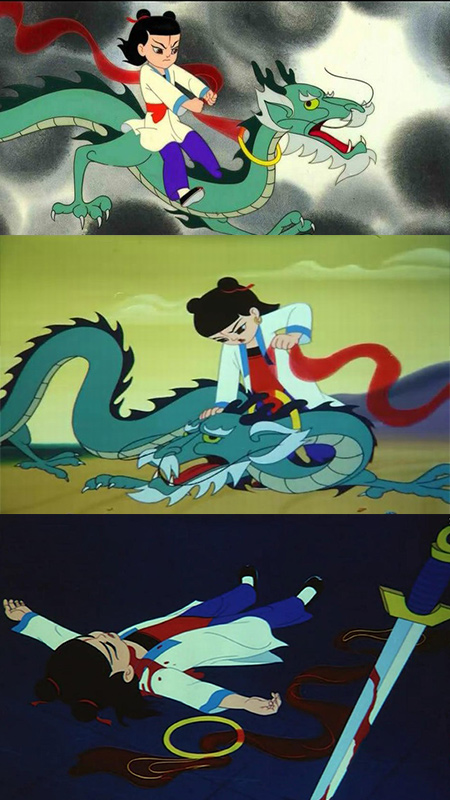
This makes the film devastating. His suicide feels like Lu Xun's metaphor of the "blood-soaked bun" (人血馒头)—where onlookers consume a martyr's sacrifice without lifting a finger. Ne Zha begins to resemble real figures from Chinese history, like Tan Sitong, executed in 1898 while the crowd stood by.
That is why the 1979 ending still sparks debate. It is not simply about a magical child but about what happens when the lone rebel is abandoned to die.
The 1979 film Ne Zha Conquers the Dragon King ends on triumph, but the shadow of Ne Zha's suicide lingers. That version captured the revolutionary culture of its era: Ne Zha as a lone rebel against fate, gods, and tyranny. His defiance distilled the very essence of "my fate is mine, not Heaven's."
When he finally defeats the Dragon King—spearing him to a pillar in a totemic image—the film radiates the same energy as Mao Zedong's famous line: "Sacrifice creates heroes, who dare to turn sun and moon to new skies." Ne Zha here isn't a mythic child but a revolutionary figure, a radical who refuses submission.
This spirit deeply marked later adaptations, even as modern films shifted the focus. The question is: how much of that rebellious core survived?
From Lone Rebel to Child of Family
The new films don't erase rebellion, but they layer something else over it: family and friendship. The most controversial change is the removal of the old flesh-cutting sacrifice. Instead of a child dying for his parents, we see parents protecting their child.
In Ne Zha (2019), Li Jing no longer demands Ne Zha's life. He risks his own to save his son, reversing the old dynamic. The narrative becomes not about a child severing bonds, but about bonds strong enough to resist Heaven's curse.
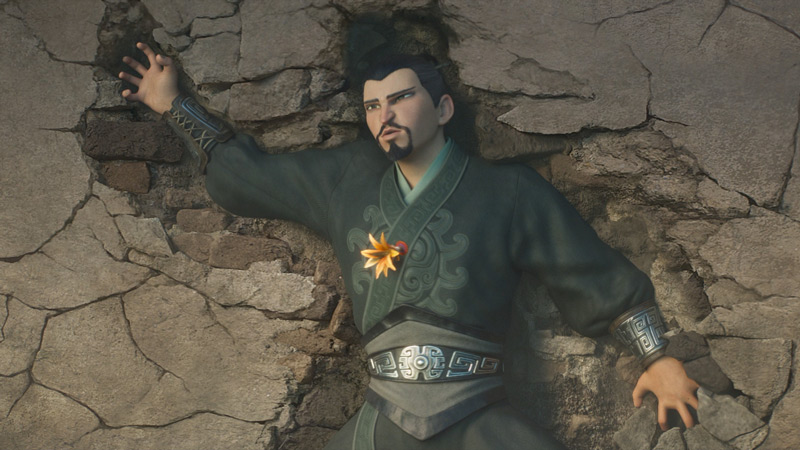
By New Gods: Ne Zha Reborn II – Ne Zha vs. Dragon King (2024), this reinterpretation becomes explicit. When the immortal Wu Liang tries to force Ne Zha into swallowing a soul-destroying pill to spare his parents, Lady Yin explodes: "What kind of god blackmails a child with his parents' lives? You're not even worthy of being human!" It is a cathartic rejection of the old tale's bloody logic.
This shift doesn't mean Ne Zha has lost his spirit of rebellion—it just relocates it. Instead of rebelling against family, he rebels for family. His fight against Heaven still burns, but its roots are now nurtured in love.
1. Recasting Destiny: Demon Pill vs. Spirit Pearl
The change runs even deeper. Traditionally, Ne Zha is born from the sacred "Spirit Pearl"—a golden child chosen by destiny. The new films twist this: he comes from the cursed "Demon Pill," branded as Heaven's enemy from birth.
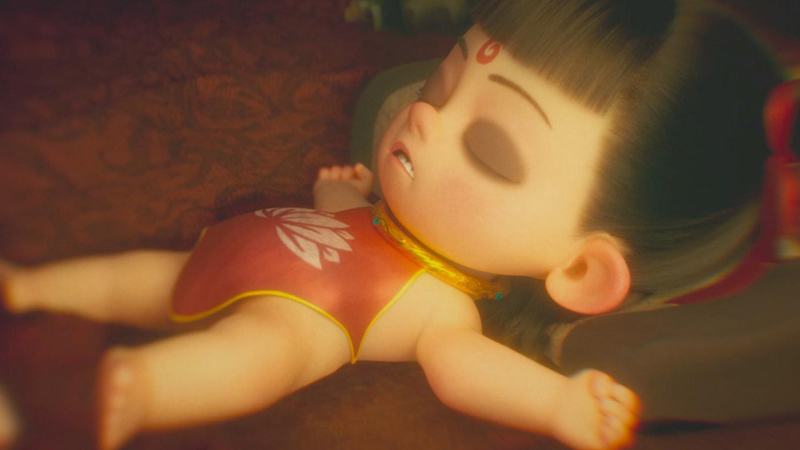
This reshapes the myth entirely. Ne Zha isn't born a savior but a scapegoat. Yet under the unconditional care of his parents, he sheds the "demon" label and chooses his own path. In this retelling, nurture trumps fate.
The rebellion of the 1979 Ne Zha was political: against gods and kings. The rebellion of the 2019 Ne Zha is existential: against the label of "monster," against a Heaven that condemns him at birth. What makes the story powerful is that this struggle is inseparable from his family's love.
2. Ao Bing: Tragic Heir, Modern Echo
The modern films also reframe Ne Zha's rival, Ao Bing. In the 2019 film, he is crushed under the weight of clan expectations, echoing the suffocating pressure of "tiger parenting." His father's love looks conditional, bound to the Dragon Clan's survival.
But by the sequel, the dynamic changes. When the Dragon King tells his dying son, "Forget the clan's fate. I only want you to live," the shift is devastating. The ambitious ruler becomes just a father, stripped bare, desperate to hold his child. It's a quiet but profound redemption.
Ao Bing also resonates with an older archetype: the tragic brothers Yin Jiao and Yin Hong from Investiture of the Gods. Those brothers, often derided as "foolishly filial," defied destiny to stand with their tyrant father, even knowing it would doom them. Lu Xun once described such figures as "failed heroes"—tragic in loyalty, undone by conscience.
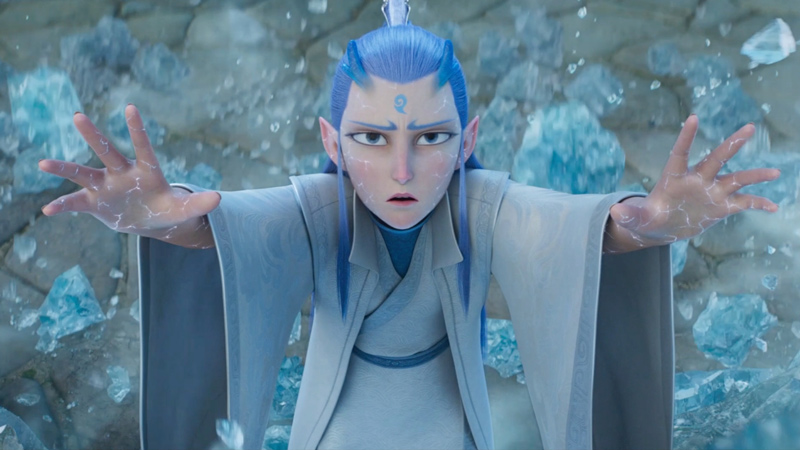
Ao Bing carries that same weight. He knows his clan's mission is fraudulent, yet he cannot betray his father. His loyalty unleashes destruction, a choice both misguided and deeply human. Where the old myth condemned filial devotion, the new films grant space for tragedy and compassion.
3. Shen Gongbao and the Small-Town Parent
The films extend this theme even further with Shen Gongbao. Online fans jokingly dub him a "small-town cultivator parent" (小镇修仙家)—a micromanaging figure obsessed with controlling his child's destiny. The humor highlights how thoroughly the new Ne Zha saga explores parent-child dynamics, turning mythic conflict into something audiences recognize from everyday family pressures.
4. Why Family Now?
Why pivot from bloody rebellion to family bonds? The answer lies in the audience. About 60% of the viewers for Ne Zha 2 were over thirty, far higher than the norm for animated fantasy. These weren't teenagers hungry for revolution—they were adults, many parents themselves, who naturally recoil from the idea of a child mutilating himself for filial duty.
The modern Ne Zha reflects their anxieties. With rising living costs, heavy maternal pressure, the one-child generation, and intergenerational caregiving, family has become the last safe harbor. Scholars call this "new familism": a shift away from ancestor-centered hierarchy toward child-centered intimacy.
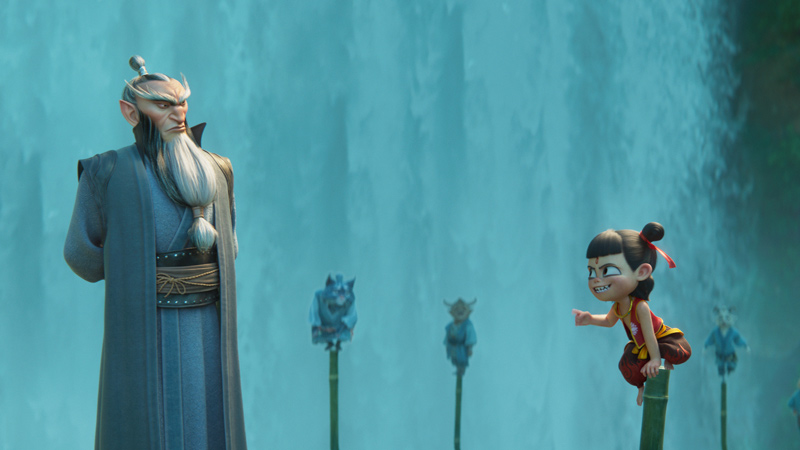
In traditional families, discipline often outweighed affection. In contemporary China, emotional closeness between generations has become louder, more visible, more cherished. The new Ne Zha films channel this cultural mood: the family is no longer the obstacle to rebellion, but its foundation.
The contrast with the 1979 version couldn't be starker. Back then, Ne Zha was utterly alone, defined by rebellion and despair. In the modern films, he is never alone. In the first movie, he finds not only his parents' love but also true friendship with Ao Bing. Both outsiders, rejected by their worlds, they bond strongly enough to withstand Heaven's curse. By the second film, Ne Zha's circle expands: his parents, Ao Bing, the Dragon Clan, demon tribes, and his eccentric master Taiyi all support him. Together, they give him the strength to topple the Heavenly Cauldron and defeat Wu Liang.
Both versions share the rebellious cry—"my fate is mine, not Heaven's"—but their tone is radically different. The 1979 Ne Zha is a lone revolutionary, abandoned by adults, a tragic hero who dies in fury. The modern Ne Zha is the village's hope, buoyed by love and solidarity. What the older Ne Zha yearned for but never received—support, connection, community—the new Ne Zha has in abundance. This transforms the tale from tragedy into wish-fulfillment.
And therein lies the catch. By trading tragedy for empowerment, the films slip into the rhythm of a shuangju, a "feel-good spectacle." Ne Zha wins again and again, his "main character halo" blazing as he smashes one impossible challenge after another. The sacrifices of Lady Yin and the townsfolk still sting, but the dominant tone is exhilaration, not grief.
Class Consciousness in Ne Zha: The Devil's Birth
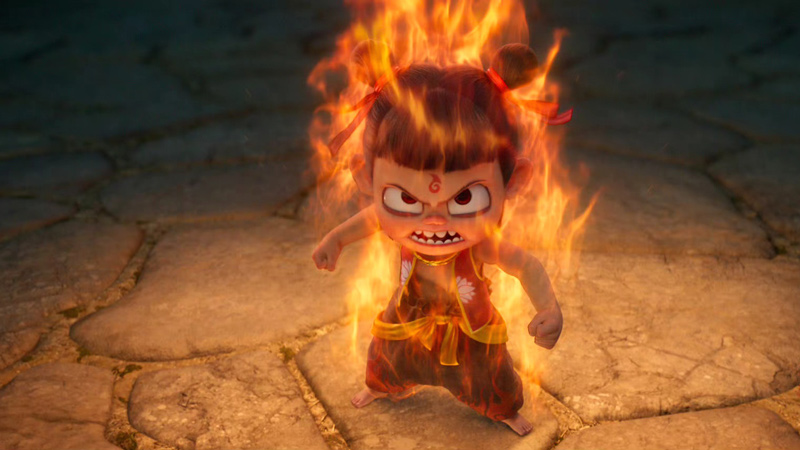
As mentioned, the three families in the new films embody ideal filial devotion, but more importantly they share the same fighting spirit: "my fate is mine, not Heaven's." Ne Zha himself, a reincarnated Ne Zha 2, is never expected to achieve much; survival alone is victory. Ao Bing and Shen Gongbao, however, carry the hopes of entire clans. Born into lower-status demon families, they are carefully chosen prodigies expected to rise above their station—the true "village's hope."
In the end, only Ne Zha's family manages to bend fate. The others fail. This strikes a deep chord with the films' core audience: adults over thirty. The struggles of Ao Bing's and Shen Gongbao's families resonate powerfully with them.
In the behind-the-scenes documentary Break to Build, director Jiaozi admits the Shen family arc was not in his original plan but added after audience feedback. Its core is simple: Shen Zhengdao urges his sons to climb the demon world's ladder step by step, following its rules. "Only by giving your all can you defy fate," he says. Yet despite every effort, they fail spectacularly.
Shen Zhengdao's faith in the Daoist order is unshakable, but Shen Gongbao is disillusioned. Throughout the films, he highlights the discrimination and injustice of his demon identity. This opens another theme: the rigid hierarchy of humans, demons, and immortals.
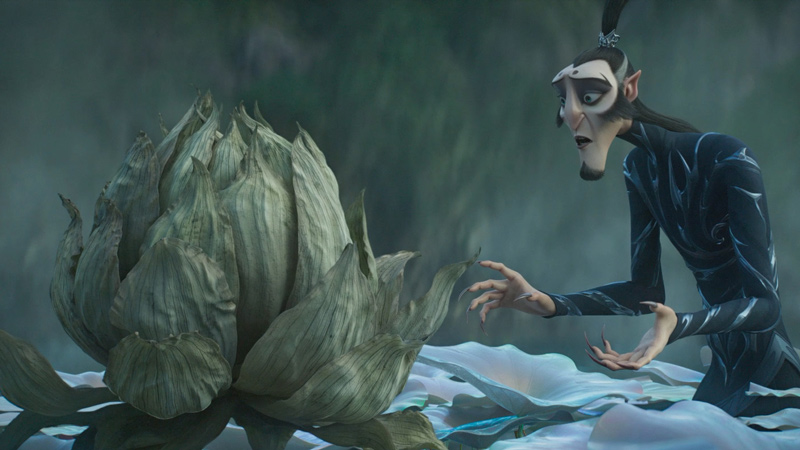
Unlike the 1979 version, the new films introduce demons as a distinct class in a stratified world. Humans, demons, and immortals each have clear roles and rules. This recalls Green Snake and A Chinese Odyssey, where demons are systematically oppressed. In Green Snake, Fa Hai enforces the human-demon divide in the name of righteousness. There the focus is morality; here it is societal.
Demons fall into two groups. Land demons—such as the Ground Squirrel, Shen Zhengdao, and Shiji Niangniang—range from carefree wanderers to ambitious cultivators. The latter, like Shen Zhengdao, strive for celestial ascension, only to be treated by Heaven as expendable "ingredients." What seems stable proves fragile.
Sea demons, once rebellious allies of the Dragon King, were crushed and imprisoned beneath the ocean. Land or sea, demons face exploitation and oppression. Jiaozi points out that the Celestial Cauldron contains countless vengeful spirits, most likely demons, underscoring their harsh existence.
Humans seem better off. In the new films, the villagers of Chentang Pass serve Heaven, guarding against demons for generations. Their path of mobility looks smoother—explaining Shen Gongbao's envy. Yet these same humans, loyal to Heaven, ultimately face annihilation. Their survival may be more secure than demons', but only in perception. Borrowing Lu Xun's phrasing, humans are "settled slaves," while demons are "slaves denied the chance to serve."
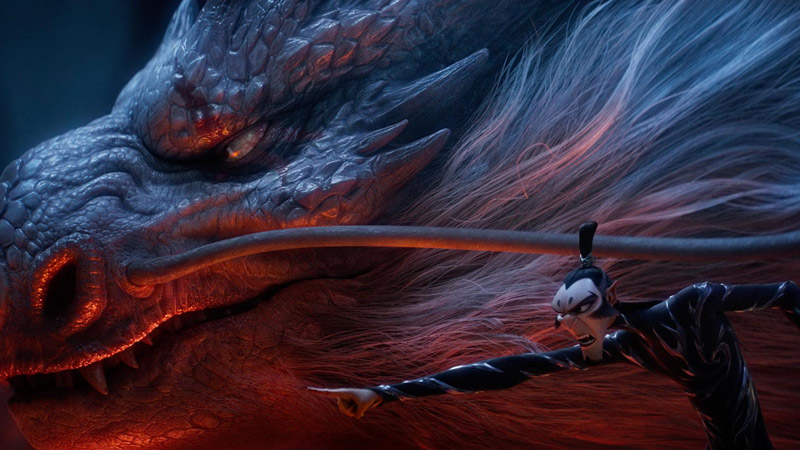
Under Ne Zha's lead, demons rise. In Journey to the West, after remaking his body, Ne Zha "used divine power to subdue ninety-six demon kings." Whether the new films draw directly from that is unclear, but the moment when demons unite to help Ne Zha and Ao Bing shatter the Celestial Cauldron is undeniably stirring. It marks the awakening of class consciousness: demons recognize their shared fate, end internal strife, and confront Heaven together. One imagines that had the villagers survived, they too might have joined. The scene symbolizes a possible alliance of humans and demons.
The Villain Problem
Yet the revolution in the new films is oddly undercut. It turns out to have been sparked by a single conspiracy of Wuliang Xianweng—a twist almost comical. By making him the ultimate villain, the story reframes the 1979 Dragon King—whose tyranny reflected Heaven's will—as just a rogue agent. This inevitably diminishes the revolution's legitimacy.
In the 1979 version, the righteousness of rebellion is unquestionable: people must seize their fate in a world abandoned by Heaven. But in the new films, if all is simply Wuliang Xianweng's scheme, can Ne Zha's revolution still claim justice? This leads to the larger question: what is "Heaven" here?
In 1979, Heaven was absent, retired. The Dragon King only pretended to wield its mandate. In the new films, Heaven returns in the form of Yuanshi Tianzun. Yet he appears only once before withdrawing, leaving Wuliang Xianweng as its agent. Structurally, Ne Zha 2 mirrors the 1979 film: Heaven retreats, tyranny comes from those claiming divine authority. Wuliang Xianweng is essentially an upgraded Dragon King—tyrannical, hypocritical, cunning.
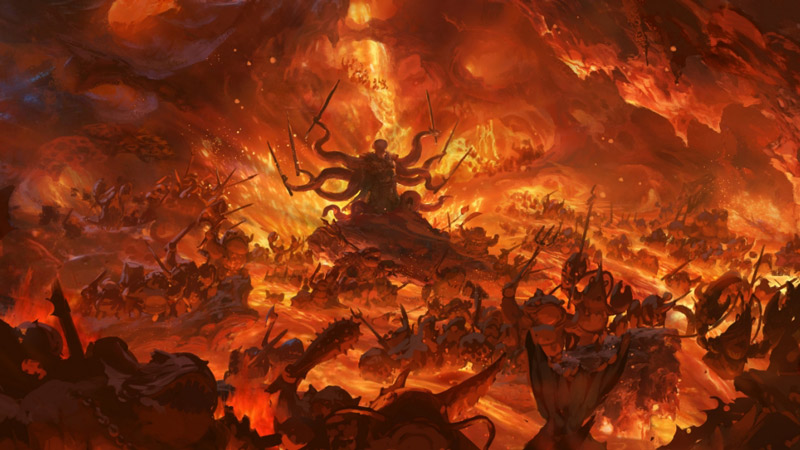
But there is a crucial difference. In 1979, Heaven's withdrawal was absolute—Heaven was dead. That is why the original film is often read as atheist. Ne Zha's defeat of the Dragon King equates to toppling Heaven itself, culminating in the defiant "dare to remake the Sun and Moon" ending. By contrast, Yuanshi Tianzun still lives in the new films. Ne Zha's victory over Wuliang Xianweng is satisfying, but what comes after? That tension lingers.
If Heaven truly knows nothing of Wuliang Xianweng's scheme, the story risks the old pattern: "fight the corrupt minister, not the emperor." Ne Zha's revolution, however dramatic, removes only one tyrant, not Heaven itself. Yet Ne Zha 2 hints at a larger hidden hand behind Wuliang Xianweng.
Future installments may pit Ne Zha and the demons against this greater force. Since Heaven has been reintroduced, its narrative role is now central. Whether Ne Zha's spirit—"my fate is mine, not Heaven's"—survives depends on how "Heaven" is positioned.
In Break to Build, Jiaozi emphasizes that the celestial hierarchy is inherently unfair: immortals rule while humans and demons remain oppressed. In such a system, attempts like Shen Gongbao's to defy fate through individual effort are doomed.
At the end of Ne Zha 2, Ao Guang asks if Ne Zha truly wants to change the world. Ne Zha answers simply: "I want to try." Viewers are left hoping the next film will see him continue the revolution, keep creating miracles, and ultimately rewrite the rules—building a more equal world for all.