Article
Search results:
-
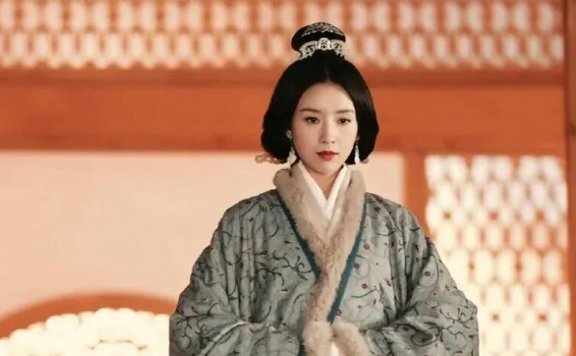
How Did a Hair Style Earn the Name Falling Off a Horse?
What comes to mind when you hear Falling Horse Chignon? Many assume a direct link to equestrian activity—was it a practical style for riding, or perhaps born from the disarray after a fall? The truth is more nuanced. This iconic hairstyle, whose name literally embeds the character for 'horse', is a fascinating thread in the tapestry of ancient Chinese fashion, carrying cultural whispers from the Han Dynasty onward that are far more vibrant than a simple equestrian tale. A Fashion Statement, Not a Riding Accident The Falling Horse Chignon flourished during the mid to late Western Han period. Its connection to the horse lies not in function but in poetic imagery. The style was characterized by a voluminous bun deliberately tilted to one side, creating a "seemingly fallen, yet not quite" effect. It evoked the languid, slightly disheveled allure of a beauty having just slipped gently from horseback, her hair loosely arranged yet intentionally styled. This was artifice, not accident. Historical records, notably the Book of the Later Han (后汉书), credit its invention to Sun Shou (孙寿), the wife of the powerful Eastern Han general Liang Ji (梁冀). Renowned for her beauty and cunning, she pioneered a whole aesthetic. She… -
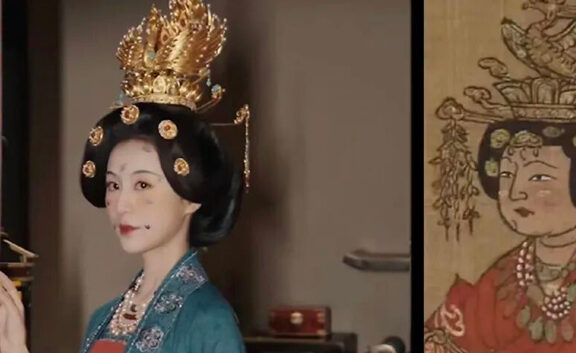
Have TV Dramas Finally Gotten Historical Makeup Right?
The recent period drama Swords into Plowshares (太平年) sparked lively online debate, but not for its plot or performances. Instead, viewers were captivated—and often baffled—by the wedding makeup. Actress Zhou Yutong’s (周雨彤) character appeared with intricate patterns adorning her face, resembling an array of tiny, artful moles. While some fans praised the bold look, others questioned its historical accuracy and aesthetic appeal, with comments ranging from "This makeup made me laugh" to "This is too garish." This intense reaction highlights a growing public interest in the authenticity of historical costuming. Behind the modern scrutiny lies a legitimate ancient practice, offering a rare glimpse into the extravagant beauty ideals of a bygone era. The Historical Face Chart The distinctive facial patterns are not a modern stylist’s fantasy. They faithfully recreate a specific cosmetic tradition known as Mian Ye (面靥), which flourished from the late Tang dynasty into the Five Dynasties period. Far from random decoration, these designs carried deep symbolic meaning. Artisans and wearers used materials like dried flowers or delicate gold leaf, adhering them to the skin with adhesives such as fish glue. Different shapes held different names and connotations: Hua Ye (花靥) for floral motifs, Niao Ye (鸟靥) for… -
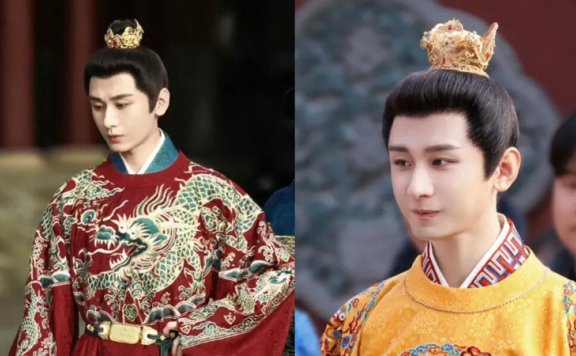
Cheng Yi’s Ming Dynasty-Inspired Regalia in Liang Jing Shi Wu Ri
The recent reveal of actor Cheng Yi's (成毅) costumes for the upcoming historical drama Liang Jing Shi Wu Ri (两京十五日) has sent the Chinese internet into a deep dive. A particular photo showcasing his elaborate headpiece and belt sparked instant recognition among history enthusiasts. "I've seen that crown! In a museum!" exclaimed one comment, leading many to question: Are historical dramas finally getting the intricate details of court attire right? This focus on material accuracy marks a shift in production design, moving beyond sheer visual spectacle to engage with the tangible artifacts of China's past. The specific items in question are not mere fabrications but are inspired by prestigious Ming Dynasty relics, offering a fascinating glimpse into the world of imperial regalia and the strict sartorial codes that governed it. A Crown Fit for a King The headpiece attracting so much attention is modeled after the Double Dragon Cavorting with Pearl Ribbon Crown, a significant artifact. This crown holds the distinction of being Object No. 1 at the Hong Kong Palace Museum, the first item officially accessioned into its collection. It was part of a monumental donation of 946 ancient gold and silver items from the Mengdiexuan collection. The original… -
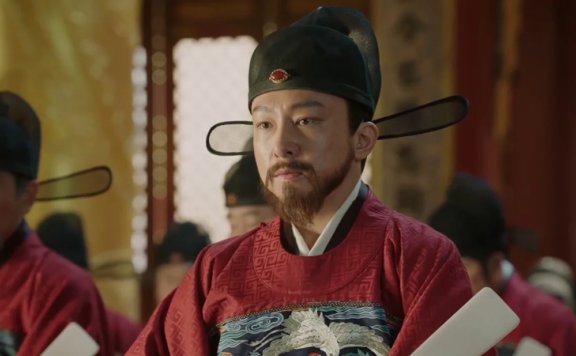
Ancient Chinese Men's Accessories Through Dynasties
When we picture historical adornment, the image is often feminine. Yet across China's long history, a man's accessories were far from an afterthought. They were a deliberate language, speaking volumes about his identity, virtue, and place in the world. These objects—worn at the waist, on the head, or in hand—served as keys to understanding the wearer. More than mere decoration, they were embodiments of cultural values, evolving with each dynasty to reflect shifting ideals of masculinity, power, and taste. From the resonant chime of Jade to the functional elegance of a belt, these items composed a silent visual code. This exploration moves beyond simple cataloguing to listen to the stories these objects tell about the men who wore them and the eras they defined. The Language of Jade The deep connection between Chinese gentlemanly ideals and jade began early. The saying "a gentleman never parts with his jade without reason" underscores its role. During the Qin and Han dynasties, jade was the paramount material for male adornment, symbolizing moral integrity. A nobleman's ensemble often featured a Zu Yu Pei (组玉佩), a set of jade plaques suspended from the waist. Their gentle, rhythmic clinking was intentional; it was meant to regulate… -
Swords into Plowshares: The Warm Wine Guo Rong Never Tasted
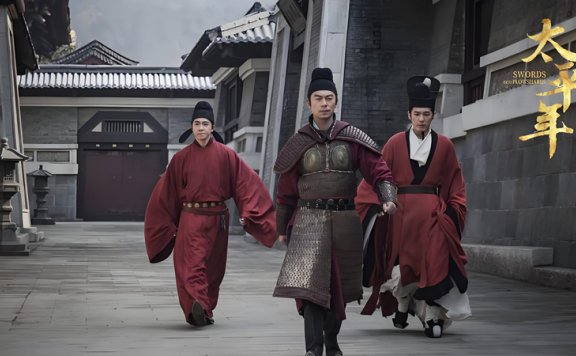
In a time when empires rose and fell like tides, what does a simple wish truly cost? The television drama Swords into Plowshares (太平年) offers a poignant answer, not through grand battles, but in a quiet moment between four souls on a besieged city wall. Set in 946 AD, a year when the Later Jin (晋) dynasty clung to its final days against the Khitan invaders, the series carves its humanity from the intimate spaces between historical upheavals. The scene is Kaifeng (汴梁), the night is the minor New Year's Eve, and the characters are young men whose names would later define an era: Zhao Kuangyin (赵匡胤), Qian Hongchu (钱弘俶), and the one known as Guo Rong (郭荣). Their shared drink under a cold wartime sky becomes the series' emotional heart, a fragile vessel holding their deepest, most impossible dreams. A Toast to Longing The conversation unfolds as a revelation of character. Qian Hongchu speaks of the sea, of legendary creatures and horizons unknown—a wish for boundless freedom. Zhao Kuangyin, the future founder of the So ng dynasty, declares his ambition for martial glory, to be a great general like the legends of old. Then comes Guo Rong's turn. His… -
Swords into Plowshares: 3 Men Who Ended the Five Dynasties Chaos
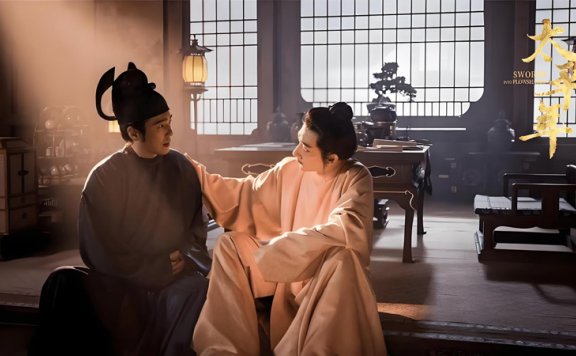
The new historical drama Swords into Plowshares (太平年) is more than a tale of war and politics. It is a profound exploration of how individual decisions, set against the brutal backdrop of the Five Dynasties and Ten Kingdoms period, can collectively redirect the course of history. At its heart are not sweeping armies, but three men whose intertwined destinies engineered China's transition from prolonged fragmentation to unified stability. Understanding the roles of Guo Rong (郭荣), Zhao Kuangyin (赵匡胤), and Qian Hongchu (钱弘俶)—the pathfinder, the architect, and the peacemaker—is the key to unlocking the series' intricate power plays and its central theme: the arduous journey from chaos to peace. 1. Guo Rong The foundation for a lasting peace was laid by a man whose time was tragically short. Guo Rong, portrayed by Yu Haoming (俞灏明), posthumously known as Emperor Shizong of the Later Zhou (后周世宗) , reigned for only six years from 954 to 959. Historians often call him the most capable ruler of his tumultuous era. Inheriting a weakened state, he launched sweeping reforms: revitalizing the military, streamlining bureaucracy, repopulating abandoned lands, and reducing taxes. His efforts brought a period of rare clarity and prosperity to the Central Plains. He… -
Swords into Plowshares: Humanity in Five Dynasties Chaos
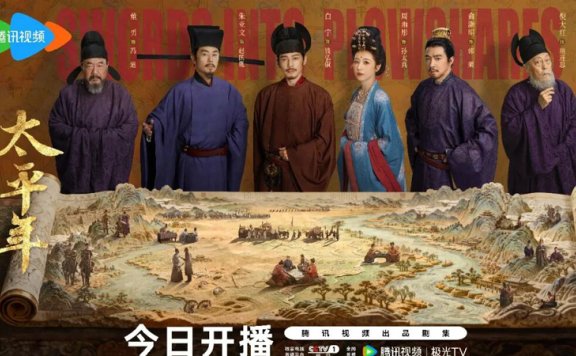
A new drama begins not with a crown, but with the mud on a soldier's boot. Swords into Plowshares (太平年) paints the chaotic transition from the Five Dynasties and Ten Kingdoms era to the Song Dynasty not as a dry chronicle, but as a visceral experience of survival. It focuses on the stark realities faced by people, weaving together the brutal military campaigns of the Central Plains with the tense political machinations in places like Wuyue (吴越). The series has quickly captivated its first viewers. They praise its uncompromising texture and its ambitious narrative scale, which follows the intricate fates of numerous characters and factions. This approach makes the period feel immediate, allowing the audience to sense the precarious turning points of history rather than just observe them from a distance. For a genre often considered difficult, Swords into Plowshares finds its strength in granular detail and human-scale stakes. It sidesteps grandiose pronouncements, instead building its epic stature through the cumulative weight of countless choices made in times of turmoil. The result is a compelling, grounded entry into a seldom-portrayed chapter of the past. When History Breathes Again The screen does not flinch. It presents a world where humanity's thin… -
8 Unreleased Epics: Ancient Power & Untold Stories
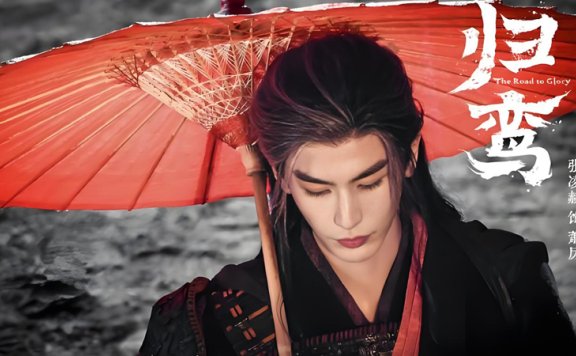
Step beyond the ornate palaces and into the fractured, ambitious heart of ancient realms with this season's most anticipated historical dramas. This collection of eight series offers a masterclass in narrative diversity, reimagining the past through lenses of gritty political ascent, supernatural destiny, and intellectual rivalry. From the war-torn docks where a bandit king forges an empire with a vengeful princess in The Road to Glory, to the mystical courts where a blind hostage's songs unveil terrifying futures in Chasing Dream, these stories are united by complex characters defying their fates. Whether it’s the meticulous craft of ink-making becoming a woman's weapon in Zhen Niang Zhuan, or two modern souls using office politics to survive a deadly palace in How Dare You, each drama promises a unique entry point into richly woven worlds. Prepare for journeys where love is tempered by strategy, legacy is fought for in markets and mansions, and history becomes a playground for suspense, revenge, and revolutionary partnerships. The Road to Glory (归鸾) Period Background: A fictional era of warring states and fractured dynasties Genres: Political Intrigue, Revenge, Warfare, Romance Main Roles: Zhang Linghe (as Xiao Li), Lin Yun (as Wen Yu) Adapted from: Original script The… -
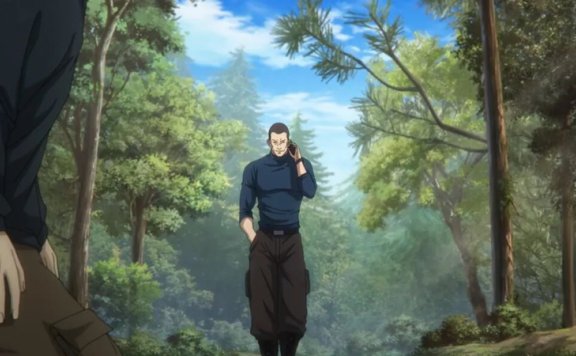
Why Does The Outcast 6 Feel Like a Motion Comic?
For fans eagerly awaiting the return of The Outcast (一人之下), the premiere of its sixth season has sparked a particular conversation. Many viewers are reporting a distinct visual experience—one that feels less like traditional fluid animation and more akin to a sophisticated motion comic. The show appears to cling closely to its source material's panels, prioritizing a direct narrative transfer over dynamic cinematic interpretation. This shift in presentation raises a fundamental question about modern 2D production: where should the line be drawn between efficient adaptation and immersive animation? The sensation is noticeable from the first episode. Scenes that should burst with energy feel restrained. Character movements can seem abrupt or simplified, and the overall flow between actions lacks the seamless grace expected from a top-tier series. Dialogue and plot progression carry the weight, while the visual storytelling takes a secondary, more static role. This has led to a muted reception, a surprising turn for a series once celebrated as a flagship title for Chinese animation. This phenomenon isn't about a lack of skill, but perhaps a conscious choice in production philosophy. By examining what separates a standard adaptation from a masterful 2D creation, we can understand the gap viewers are… -
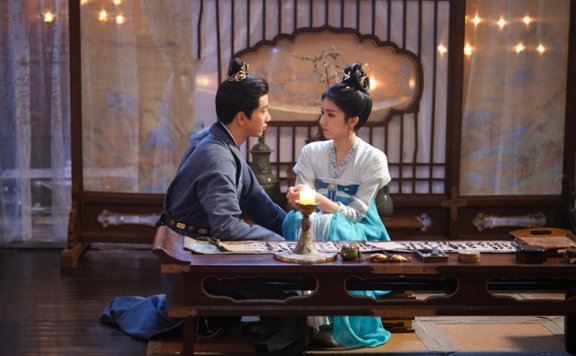
The Imperial Coroner 2: Conspiracy Weaves Through Bones
The silence of the royal morgue is broken only by the careful scrape of a tool against bone. A young woman squints in the lamplight, her entire world narrowed to the story the skeleton at her feet is desperate to tell. This is the scene viewers eagerly returned to as the long-awaited second season of the hit Chinese costume drama, The Imperial Coroner 2 (御赐小仵作2), premiered on January 15th. The original team is back: the brilliant but restrained Prince Xiao Jinyu (萧瑾瑜), the gifted and determined coroner Chu Chu (楚楚), the sharp-witted investigator Jing Yi (景翊), and the skilled warrior Leng Yue (冷月). They reassemble as the formidable Three Law Division team, but the peaceful days of solving isolated crimes in the capital are over. A single, inexplicable case—a pile of anonymous bones discovered during a palace banquet—unravels a thread that pulls them into a web of conspiracy far greater and more dangerous than anything they have faced before. The Team, Reforged The core strength of the series remains the palpable chemistry and complementary skills of its central quartet. Viewers find immediate comfort in their renewed dynamic: Xiao Jinyu's strategic mind mapping out connections invisible to others, Chu Chu's forensic… -
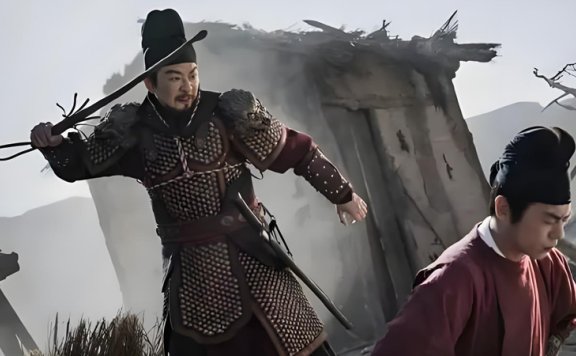
How Swords into Plowshares Breathes Life into a Chaotic Era
In January, the historical drama Swords into Plowshares (太平年) premiered, thrusting viewers into the turbulent and often overlooked period of the Five Dynasties and Ten Kingdoms. Unlike the brief summaries found in history books, this series aims to flesh out the era's complex politics, brutal survival, and fragile hopes. It begins not with grand pronouncements, but with a horrifying act of cannibalism within a starving army, immediately establishing the desperation that defines the age. Over its first episodes, the narrative splits between the violent power struggles of the Later Jin court in the north and the seemingly stable, yet internally fraught, southern kingdom of Wuyue (吴越). This deliberate contrast challenges the very title of the show, asking what "Swords into Plowshares" could possibly look like when the world is unraveling. A Kingdom in the Eye of the Storm While the north burns with overt conflict, Wuyue presents a deceptive calm. Under the rule of King Qian Yuanguan (钱元瓘), it focuses on internal development. However, this stability is paper-thin. The first episodes reveal a court riddled with corruption and secret factions. The royal treasury is empty, siphoned off by officials and shadowy organizations. The death of the king unleashes a silent… -
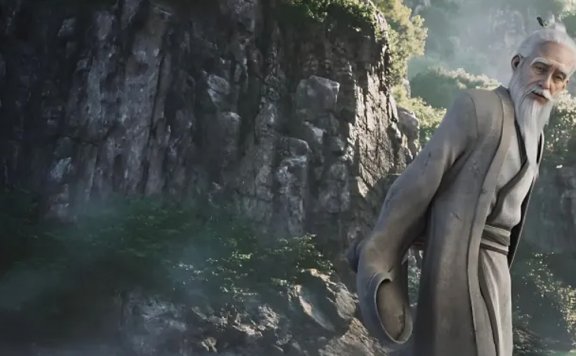
Sword of Coming 2: Qi Jingchun's Farewell in Wen Sheng's Sleeve
In a quiet, easily missed moment from the latest episode of Sword of Coming 2 (剑来2), a profound act of farewell unfolds without a single word spoken. The scene involves the venerable teacher, Wen Sheng (文圣), retrieving a hairpin—a token once given by his departed disciple Qi Jingchun (齐静春) to their junior, Chen Ping'an (陈平安). As Wen Sheng reaches for the object, something intangible occurs. A gentle breeze, carrying the faint essence of spring, seems to brush against his sleeve. This is no ordinary wind. It is a final, ethereal gesture from a disciple long gone, a silent communication that speaks volumes about legacy, protection, and the unbreakable bonds of their lineage. The Breeze That Answers Qi Jingchun's famous adage, "When in doubt, ask the spring breeze," has resonated deeply with fans. It was always viewed as poetic comfort, a vague metaphorical guide. This scene, however, redefines it as a literal promise. His transformation into the breeze is the answer. It confirms he never truly left. His will and spiritual essence have merged with the very Dao of the world, becoming a perpetual, watchful presence over the path of his teacher and his junior brother. The animation's subtlety is masterful;… -
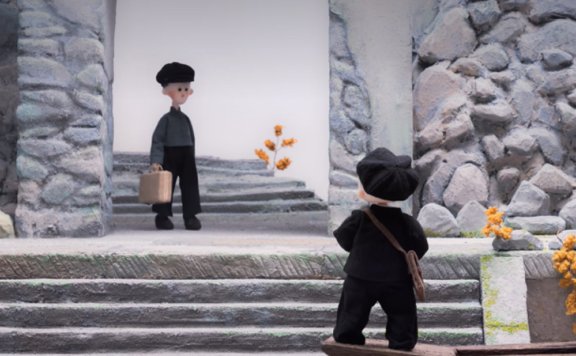
How Xiao Xue Weaves a Silent, Felt-Tipped Tale of Letting Go
In the vast landscape of contemporary animation, a quiet storm has emerged from the second season of Yao-Chinese Folktales 2 (中国奇谭2). The latest episode, titled Xiao Xue (小雪), has captivated audiences not with epic battles or witty dialogue, but with its profound silence and tactile warmth. Directed by Chen Lianhua (陈莲华), this short film employs felt stop-motion animation to explore the intricate dance of love, expectation, and release within a Chinese mother-son relationship. Without a single spoken word, it delivers an emotional resonance that has left countless viewers reflecting on their own familial bonds, making it a standout piece of modern storytelling that feels both intimately personal and universally understood. A World of Wool The immediate charm of Xiao Xue lies in its meticulous craft. The choice of felt, a material shaped by persistent molding and care, becomes a powerful metaphor for the central relationship. The mother’s hands smoothing ointment, the precise folds in the child’s clothing, the glowing lanterns—each detail is rendered with a tangible, textured love. This softness visually cushions the story’s more poignant themes, inviting the viewer into a world that feels handmade and heartfelt. This material is placed against backgrounds with the fluid elegance of ink… -
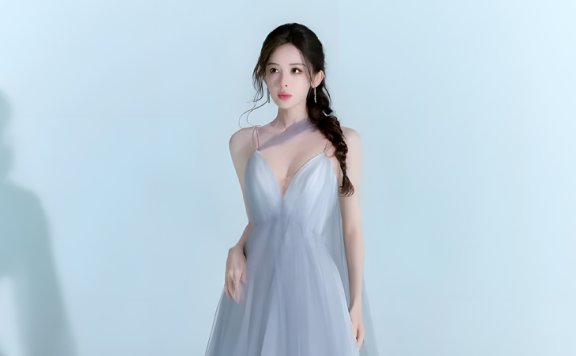
What Makes Na Zha's Misty Blue Gown So Ethereal?
When actress Na Zha (娜扎) recently appeared in a series of photographs, the internet collectively paused. The images did not merely showcase another celebrity in another beautiful dress; they presented a masterclass in a specific, captivating aesthetic. The focus was a gown of misty blue, a color that seems spun from early morning haze over a distant mountain lake. This was not simple glamour, but a calculated embodiment of a feeling—a blend of celestial grace and an almost tangible, human softness. The look immediately sparked widespread admiration, with fans and fashion observers alike dissecting its components. What exactly about this ensemble, from its silhouette to its subtle styling choices, crafted such a powerful and resonant vision? The answer lies in a delicate balance between contrasting elements, a balance that reflects both a personal style evolution and a deeper, almost instinctual, cultural resonance. The Anatomy of a Look The gown itself is the cornerstone. Its V-neck bodice and delicate spaghetti straps frame the collarbone and shoulders with elegant precision, suggesting classic Hollywood glamour. However, this familiarity is cleverly subverted by an asymmetric halter detail on one shoulder. This single design choice disrupts expectation, introducing a modern, almost architectural twist to the… -
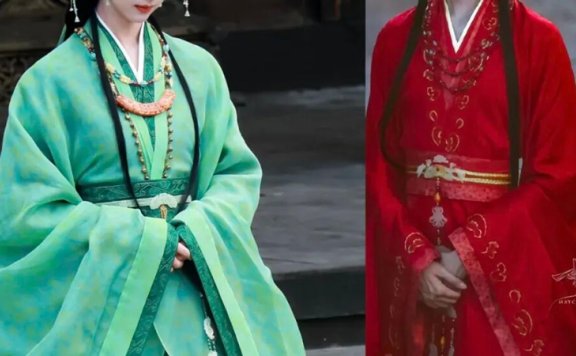
Why Historical Dramas Get Waistwear Wrong?
Open any historical or fantasy costume drama today, and you will likely spot a recurring sartorial trend: a character's robe is first cinched by a broad waist wrapper, only to be topped with an additional, often decorative, belt. This layered look, adorned with jade pendants and tassels, has become a visual shorthand for ancient elegance. Yet, this ubiquitous combination is almost entirely a modern invention, a creative liberty taken by costume designers that conflates two distinct historical garments. The Yao Fu (腰袱), or waist wrapper, and the traditional belt served different purposes, stemmed from different needs, and were rarely worn together in the manner now popularized on screen. The Practical Waist Wrapper Far from being a mere accessory, the Yao Fu was a fundamental component of daily dress, rooted in utility. Traditional Hanfu, with its deep robes and broad sleeves, was inherently loose. A narrow belt alone could not secure such voluminous clothing for work or swift movement. The Yao Fu solved this. Typically a wide strip of cloth, sometimes over twenty centimeters across, it was wrapped firmly around the torso to anchor the layers of fabric beneath. For laborers, it provided back support and protected garments from wear; some… -
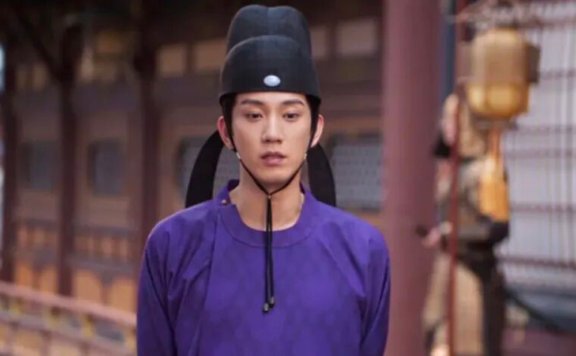
Why Did the Prince's Collar Vanish in The Imperial Coroner 2?
The premiere of the historical drama The Imperial Coroner 2 (御赐小仵作2) has sparked an unexpected debate among its dedicated fanbase. Rather than focusing solely on plot twists, viewers are scrutinizing the wardrobe of the male lead, Prince Chu (楚王). A particular detail has drawn sharp criticism: the noticeable absence of the distinct white collar lining his official robes, a signature element from the first season. This seemingly minor change has opened a broader conversation about historical authenticity, artistic license, and the evolving standards of audience expectation in period television. The discussion delves deep into the intricacies of Tang (唐) and Song (宋) dynasty attire, revealing how costume design is a language unto itself. The Missing Collar To understand the collar controversy, one must first consider the era. If the drama is set in the Tang dynasty, the typical round-neck robe was worn over an inner garment with a narrow, crossing collar. When properly worn, this inner collar would barely peek out, appearing only as a slim edge. The prominent white collar seen in Season One was, therefore, a stylistic choice rather than a strict historical reproduction. If the setting leans toward the Song dynasty, the inner garment's crossing collar would… -
Why Did Ancient Robes Have That Hanging Cloth?
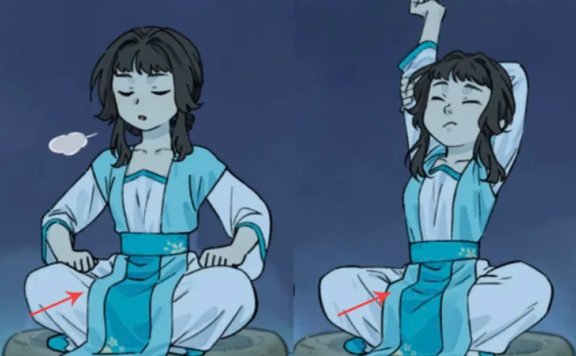
If you watch historical dramas, you have likely noticed a distinctive strip of fabric hanging down the front of many costumes. This is not a random design choice but a faithful recreation of an ancient garment accessory known as the Bixi (蔽膝). Its journey from a practical tool to a ceremonial symbol encapsulates centuries of social change, weaving together threads of necessity, status, and cultural memory. A Tool for Life The origins of the Bixi are fundamentally practical. In early antiquity, clothing was simple and often incomplete. This long cloth panel served a basic yet vital function: modesty. It acted as an apron, shielding the front of the body. Scholars like Xu Shen (许慎), in his ancient dictionary Shuowen Jiezi (说文解字), clarified that early attire merely "covered the front," with the Bixi fulfilling this role. Beyond modesty, it offered protection. For people laboring in fields or navigating rugged landscapes, the sturdy fabric guarded against scratches from thorns and prevented dirt from soiling the garments underneath. It was a piece of durable workwear. Some evidence suggests wider versions might have even served as a makeshift pouch for gathering herbs or crops, a versatile tool in daily life. This phase represents the… -
Why Adidas’ Frog Button Collection Triggered a Backlash
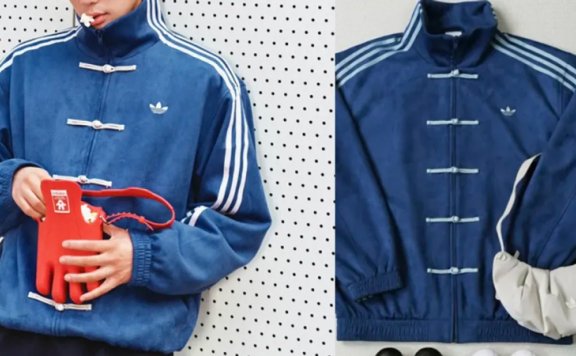
Adidas’s latest New Year apparel line, heavily featuring an ornamental fastening known as the "frog button," has ignited a heated online debate in China. While gaining some popularity overseas, the collection faced significant domestic criticism and even calls for a boycott. At its core, the controversy highlights a persistent and frustrating issue: foreign brands repeatedly offer a superficial and narrow interpretation of Chinese sartorial heritage. This incident underscores a growing public awareness and a demand for deeper cultural understanding and respect, moving beyond simplistic stereotypes. The Frog Button Flaw The primary issue is not the use of the frog button itself, a decorative fastening historically used in Man Zu (满族) clothing during the Qing Dynasty. The problem lies in Adidas presenting this single element as a definitive symbol of "Chineseness." For many, this reduces millennia of diverse Chinese clothing history to the aesthetics of its last imperial dynasty. This approach overlooks the foundational garments of the Han ethnic tradition, which emphasize crossed collars, right-side closure, and concealed ties. By equating a Man Zu detail with the entirety of Chinese dress, the brand displayed a shallow understanding. This is not an isolated misstep for Adidas. The previous year, their "blue Chinese… -
The Cat Teaser on Bai Yu's Head in Swords into Plowshares
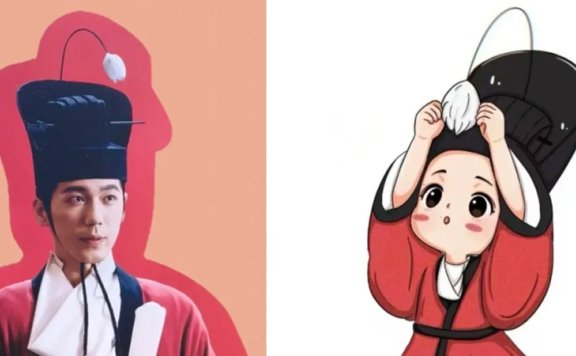
Viewers of the historical drama Swords into Plowshares (太平年) were met with an unexpected sight: actor Bai Yu (白宇), playing a court official, sporting what looked unmistakably like a cat teaser stuck in his headwear. This peculiar accessory, far from a whimsical costume designer's choice or an ancient fashion faux pas, is actually a meticulously researched detail rooted in centuries of Chinese bureaucratic tradition. Known as a Zanbi (簪笔), or "hairpin brush," this item tells a story of practicality evolving into potent symbolism, marking the wearer's rank, duty, and intellectual authority within the rigid hierarchy of the imperial court. A Practical Beginning The origin of the Zanbi is wonderfully utilitarian. During the Han Dynasty, officials attending court sessions needed to record the emperor's commands directly onto their handheld Hu boards (笏板), tablets made of jade, ivory, or wood. Once a note was taken, the official had no desk to place his brush. The simplest solution was to tuck it behind an ear or slot it into a headband or cap, keeping it readily accessible for the next command. This act of carrying a brush in one's hair is recorded as early as the Records of the Grand Historian (史记·滑稽列传), in… -
Did Yu Shuxin’s New Period Drama Copy Her Last Look?
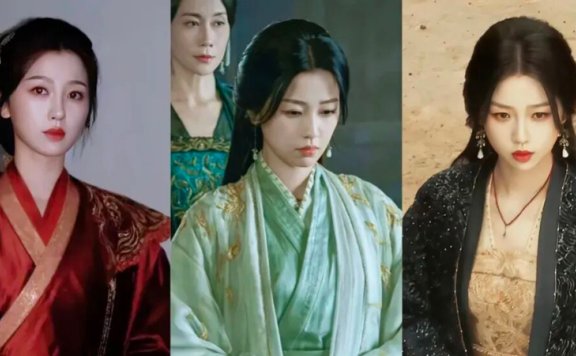
When photos from the set of Yu Shuxin's (虞书欣) new series, Yun Chu Ling (云初令), surfaced online, many fans did a double take. The styling—center-parted hair with wispy strands framing the temples and volume at the sides—looked strikingly familiar. It bore a close resemblance to her iconic look from the popular Wuxia drama My Journey to You (云之羽). This sparked immediate debate: was this a case of repetitive styling, or was there a deeper logic at play? The two characters, however, inhabit vastly different worlds. Yun Chu Ling draws its aesthetic inspiration from the grandeur of the Tang and Song dynasties, a style often referred to broadly as "Pan-Tang-Song" in Chinese costume design circles. In contrast, My Journey to You is rooted in the bleak, austere atmosphere of the martial arts world known as Jianghu. Their core spirits are distinct. The similarity lies not in copying, but in finding a universally flattering style template for the actress's specific facial features. This "center part + side volume + face-framing wisps" formula happens to be her sweet spot. Decoding The Face Shape To understand the styling, we must first examine the canvas. Yu Shuxin possesses a roundish oval face, a shape often…
