Article
Search results:
-
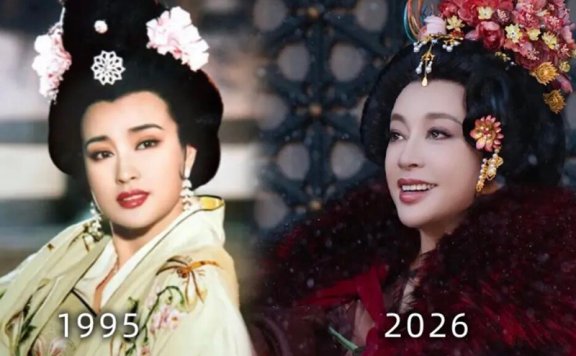
Can a 75-Year-Old Truly Play a Young Empress?
The recent release of promotional stills for a new production featuring Liu Xiaoqing (刘晓庆) once again portraying Empress Wu Zetian (武则天) has ignited a firestorm of online discussion. The core of the debate isn't the plot, but the actress herself. At 75, Liu is set to depict the legendary monarch's journey from youth to old age, a feat she first accomplished over thirty years ago in the 1995 television series Empress Wu Zetian. Back then, in her early forties, her transformation was hailed as remarkable. Today, the new images have left the digital world stunned, with a prevailing sentiment: "How can a 75-year-old look like she's 40?" This phenomenon pushes past mere celebrity gossip, inviting a deeper look into historical aesthetics, the science of aging, and the enduring power of a perfectly cast role. Defying Time Liu Xiaoqing's seemingly age-defying appearance is the most immediate point of fascination. The public's amazement speaks to a broader cultural obsession with youth, yet her case suggests something beyond modern cosmetics or procedures. Her ability to convincingly return to this role decades later hinges on a more permanent foundation: her bone structure. This isn't merely about good genes; it's about possessing a facial architecture… -
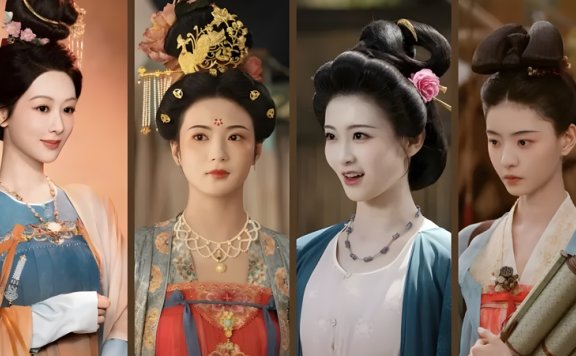
How Chinese Period Dramas Bring Traditional Clothing to Life
Audiences often question the authenticity of clothing in period dramas. What appears on screen blends artistic vision with historical reference, creating a visual language that speaks to modern viewers while hinting at the past. Accurate garment reconstruction offers more than beauty; it provides a tangible link to bygone eras, functioning as an informal guide for those curious about traditional dress. Yet, perfect fidelity remains elusive, as every production makes compromises between fact and spectacle. Several recent series have attempted serious sartorial homage. For instance, The Wind Blows From Longxi (风起陇西), set in the Three Kingdoms period, features layered robes and specific sleeve cuts that reference Han Dynasty styles. Similarly, The Longest Day in Chang'an (长安十二时辰) meticulously presents Tang era Hanfu, with its distinctive silhouettes and rich fabrics. These details matter, as they ground the narrative in a specific time and place, allowing viewers to sense the weight of history through cloth and stitch. Other productions, like Generation to Generation (江湖夜雨十年灯) and Flourished Peony (国色芳华), draw inspiration from Wei-Jin and early Tang aesthetics. They capture a certain mood—the flowing drapery, the subdued palette—but often blend elements for dramatic effect. This approach can illuminate broader stylistic trends while sacrificing precise replication. Even well-regarded… -
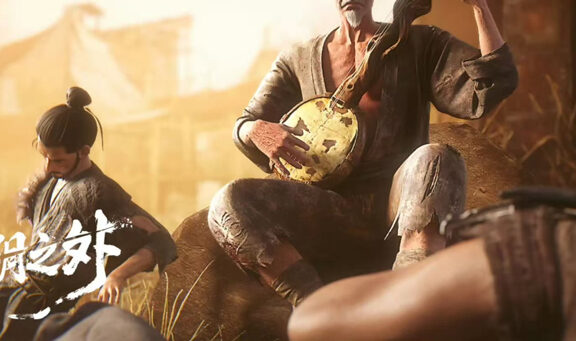
The Bold Dark Fantasy of Beyond Time's Gaze
Youku Anime recently showcased its new series, Beyond Time's Gaze (光阴之外), a project steered by the original author, Er Gen (耳根). He detailed the story's bleak survival ethos. The series presents a distinct post-apocalyptic cultivation world, a rarity in the current market. Its visual style, particularly the eerie designs of the Yangbao Ren (养宝人), is arresting, described by the team as thrilling to animate. This release signals a strategic shift. Facing a saturated landscape of similar themes, Youku is moving beyond competing solely on viewer numbers or production polish. Instead, it is redefining boundaries by committing to distinct genre innovation. This stark dark fantasy experiment could chart a new course for the platform's animation endeavors. A New Brutal Dawn In a landscape often painted with familiar tropes, one animated series carves its own stark path. Beyond Time's Gaze breaks from tradition, not through incremental change but through a foundational overhaul of its world and the soul of its protagonist. It presents a vision where the pursuit of power is stripped of grandeur, becoming a raw, ugly, and essential act of survival. A World Unmade The old rules are dead. In this narrative, the cataclysmic arrival of the Shenling Canmian (神灵残面)… -
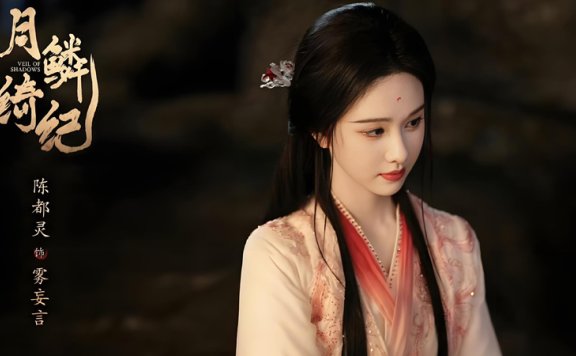
Veil of Shadows Premieres Jan 16
A new drama arrives to challenge the well-trodden paths of Chinese fantasy television. Veil of Shadows (月鳞绮纪), a 29-episode series premiering on Youku, brings together a blend of youthful star power, distinctive visual direction, and a narrative promise that shifts focus from individual romance to collective sacrifice. Helmed by the stylistically bold director Guo Jingming (郭敬明) and featuring Ju Jingyi (鞠婧祎), Zeng Shunxi (曾舜晞), and Chen Duling (陈都灵) in leading roles, the series aims to weave a tale where ancient legends and complex loyalties collide. Guo Jingming’s Visual Signature Director Guo Jingming’s name guarantees a specific aesthetic. His past works, like Tiny Times (小时代) and My Journey to You (云之羽), are known for meticulous costume design, dramatic lighting, and a highly polished, almost painterly frame composition. This approach, often called "the Guo Jingming aesthetic," treats each scene as a deliberate visual tableau. For a fantasy genre often reliant on digital backdrops, this attention to tangible texture is significant. Fabrics appear weighted, jewelry catches light deliberately, and settings feel architecturally considered rather than digitally inserted. This style prioritizes mood and beauty, creating a world that is immediately arresting and immersive for the viewer. Veil of Shadows continues this tradition. Early promotional… -
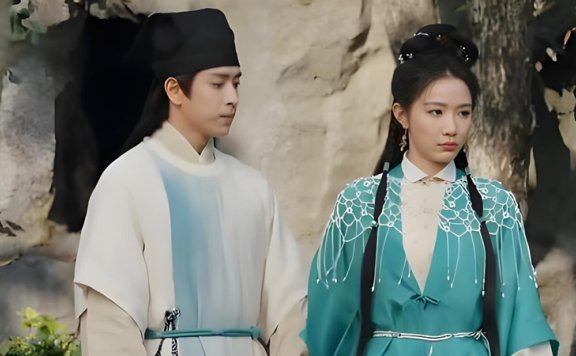
Tomb Ignites Rong Yunshu's Vengeful Frenzy in Glory
The grand gates of the Rong family compound shut firmly behind Rong Shanbao (荣善宝). Cast out by the formidable Matriarch for defying family decrees, she leaves with little more than her resolve. Her crimes? Insisting on a proper burial for her aunt and the return of a young cousin wrongly declared dead. In the ruthless social hierarchy of their era, such compassion is seen as a dangerous flaw, a stain on the family's prestige. While Shanbao faces exile, another young woman within those same walls watches silently. Rong Yunshu (荣筠书), the delicate fifth miss, feigning blindness and fragility, nurses a secret vengeance that will soon ignite a chain of destruction. The stage is set not just for a family dispute, but for a moral collision that questions the very meaning of justice and legacy. A Tomb's Silent Message After her banishment, Rong Shanbao performs an act that baffles everyone. She commissions a new tomb near her aunt's resting place, on a peaceful hillside planted with delicate February Orchids. The name carved on the stone, however, is not a relative of hers. It reads: Lin Pingxiang (林萍香). This mystery woman is the long-deceased mother of Rong Yunshu, a tragedy the family… -
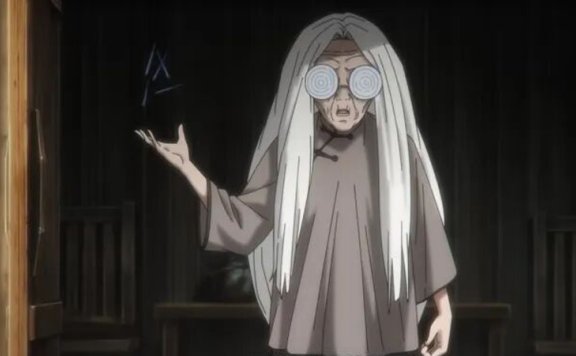
The Outcast 6 Episode 3: Solar Valley’s Secrets
The third episode of The Outcast 6 (一人之下6) propels its eclectic cast toward the mysterious Twenty-Four Solar Valley. The catalyst for this movement is the return of an old key: Jin Feng (金凤), an elderly woman whose youthful devotion to the enigmatic Wugen Sheng (无根生) led her to join the controversial Quanxing (全性) sect. Her mysterious reappearance, unharmed after being held by the manipulative Qu Tong (曲彤), acts like a magnet. It draws together two separate parties, forcing a temporary and uneasy alliance between them. One group consists of the calculating Zhang Chulan (张楚岚) and his ever-loyal, perplexing guardian Feng Baobao (冯宝宝). The other includes the mischievously unpredictable Qiu'er (球儿), who has brought along the aging Xia Liuqing (夏柳青) and the formidable Barlow. This "party of six" now travels together, a collection of conflicting agendas bound by the common goal of uncovering Wugen Sheng's secret treasure. Their internal dynamics, however, are as treacherous as the path ahead, creating a volatile mix of cooperation and competition that defines this leg of their journey. Masters of Misdirection Among the younger generation, Zhang Chulan prides himself on strategic foresight and clever schemes. His usual advantage is neutralized by the presence of Qiu'er, a… -
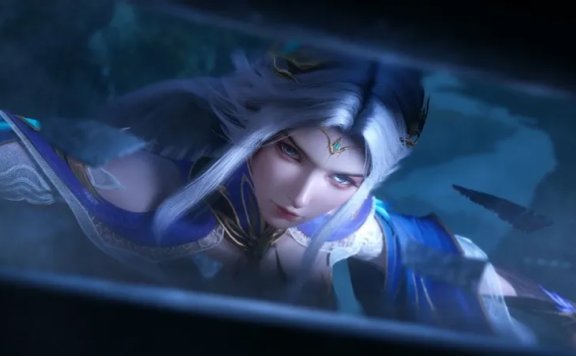
Explore Its High-Stakes Battles and Evolving World in The Great Ruler 2!
The return of the annual series The Great Ruler 2 (大主宰2) promises more than just a continuation; it heralds an evolution. Our protagonist, Mu Chen (牧尘) , steps out from the competitive halls of the Beicang Academy (北苍学院) into the vast, treacherous landscapes of a world brimming with conflict. From the lawless deserts of the Western Wastelands to the covert schemes of rival factions, he is thrust onto a grander stage where every decision carries weight, and every battle shapes destiny. This season intensifies everything—the action, the emotional stakes, and the scale of the world itself, inviting viewers to dive deeper into a realm where power, loyalty, and love are constantly tested. Unrelenting Action From its very first moments, the new season plunges viewers into a relentless cycle of conflict. Over twenty episodes, confrontations unfold in rapid succession. These range from the structured chaos of academy hunting games and brutal challenges from the three generals of the Punishment Hall to life-and-death pursuits on the Western Wastelands bounty board. Major set pieces like the Sacred Spirit Baptism and the defense of Beicang Academy ensure adrenaline levels remain perpetually high. This season sharpens the visceral feel of every clash. Clear distinctions are… -
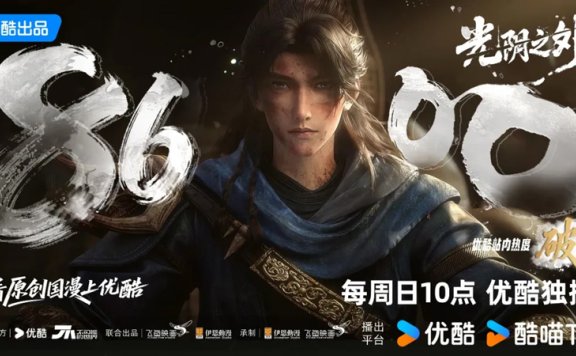
Beyond Time's Gaze: Youku's Record-Breaking Wasteland Cultivation Anime
The digital landscape for Chinese animation was quietly reshaped one week in March. Youku's latest original series, Beyond Time's Gaze (光阴之外), didn't just premiere; it exploded onto the scene. Its debut shattered the platform's own historical record for a new anime release, soaring past 8,600 in real-time popularity metrics. It swiftly claimed the top spot across Youku's animation, new release, and male-viewer charts, maintaining a dominant position. This immediate and overwhelming reception marked Beyond Time's Gaze as the undeniable breakout hit, a dark horse that captured the zeitgeist of a generation of viewers seeking something beyond the conventional. Genre Fusion Breakthrough At its core, Beyond Time's Gaze represents a bold experiment in genre fusion. It transplants the traditional Chinese cultivation narrative—a journey of spiritual and physical ascension—into the bleak, unforgiving soil of a post-apocalyptic wasteland. This is not the romanticized world of elegant immortals floating amongst misty peaks. This is Wasteland Cultivation, a world defined by scarcity, shattered social order, and a constant struggle for survival against a dying earth. The protagonist, Xu Qing (许青), fights not just rival sects, but the very environment itself. The series deliberately subverts the established "leveling up" tropes common to the genre. His progression… -
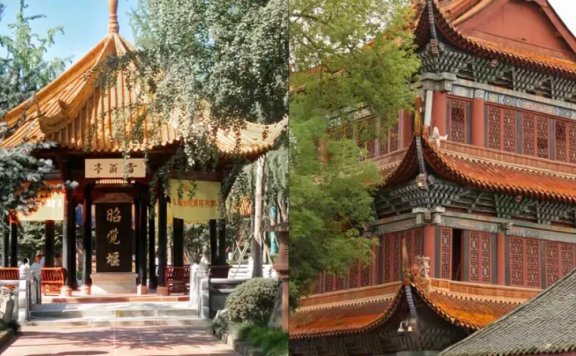
Why Was Hanfu Banned at a Sacred Temple in 2026?
In early 2026, a social media post sparked widespread discussion. A visitor wearing a meticulously recreated ensemble from the Tang Dynasty's Wu Zhou (武周) period was denied entry to Zhaojue Temple (昭觉寺) in Chengdu (成都). The reason given by staff was "wearing exotic costume." The visitor's attire, based on artifacts unearthed from the Hejiacun (何家村) collection, was historically accurate, complete with period accessories. This single incident reignited the persistent debate: does traditional Hanfu have a place in modern public spaces? While the temple later apologized, clarifying that Hanfu is welcome, the event exposed a lingering disconnect. How, in 2026, can a garment representing millennia of Han Chinese heritage still be mistaken for a mere costume? Misplaced Blame The refusal at Zhaojue Temple is not an isolated case. Similar incidents often surface online, creating a narrative that cultural sites are hostile to traditional dress. A closer look reveals a common thread. In many instances, the core issue is not the clothing itself but unauthorized commercial photography. A restaurant near West Lake once turned away a group because their Hanfu and professional camera equated to a "commercial shoot" in the management's eyes. Shanghai Disneyland once stopped an adult guest wearing a Disney-themed… -
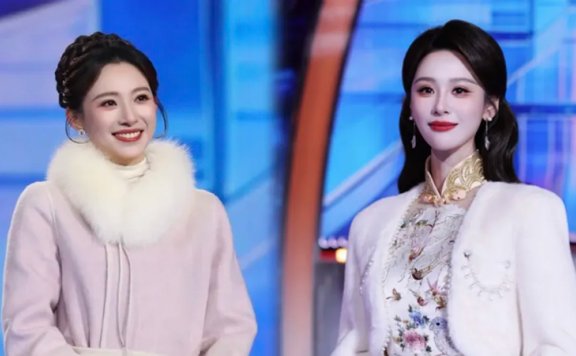
Why Do New CCTV Hosts Always Spark Such Debate?
A recent wave of discussion swept across Chinese social media following the announcement of hosts for a major state television gala. The conversation wasn't about their professional credentials, but their faces. Many netizens expressed a longing for the "faces of national peace and prosperity," a term coined for veteran hosts like Dong Qing (董卿). Their absence, critics argue, has left a void on the nation's most prestigious stages. This phenomenon points to a deeper, nationwide conversation about shifting beauty standards and a perceived loss of a distinctive Chinese aesthetic in the public eye. The Classical Blueprint Traditional Chinese aesthetics prized harmony and implied meaning. In portraiture and classical art, the ideal was not sharp definition but artistic "liubai (留白)" or intentional blank space. This principle applied to facial features as well. The admired "Fang E Guang Yi" (方额广颐)—a broad forehead and full, rounded jawline—offered a canvas of balanced proportions. It was a face with room to breathe, considered a sign of health, stability, and fortune. This aesthetic is vividly preserved in artifacts like the Dunhuang (敦煌) frescoes. The female figures depicted there embody a diverse yet coherent ideal: rounded faces, gentle eyes, and natural proportions. Their beauty lies in composure… -
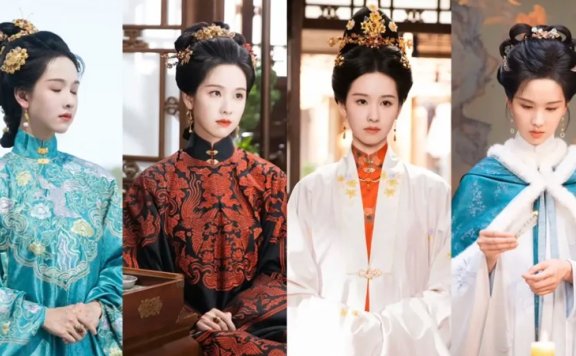
Why Are So Many Historical Dramas Abandoning Real History?
Turn on any streaming platform, and you’ll be greeted by a wave of period dramas with lavish costumes and sprawling palaces. Yet, a closer look reveals a curious trend: fewer of these stories are set in a documented historical dynasty. Instead, they inhabit vague, fictionalized worlds—often labeled as Jiakong Ju (架空剧), or "alt-history" dramas. This shift from specific reigns like the Tang or Ming to nebulous "ancient times" is more than a creative whim; it's a complex response to modern storytelling constraints, audience appetites, and the daunting task of world-building itself. Escape from Historical Scrutiny One primary driver is the intense scrutiny facing dramas based on real history. When a show claims to depict the life of a known emperor or a famous general, it opens itself to relentless examination from scholars and passionate fans. Historical records, however limited, set boundaries. A character's personality, key decisions, and even their fate are often matters of public record. Deviating from these established facts for dramatic effect can lead to accusations of distortion, sparking online controversy and potentially affecting a show's reception. For creators, this can feel less like writing and more like navigating a minefield. The story of Wu Zetian (武则天), for… -
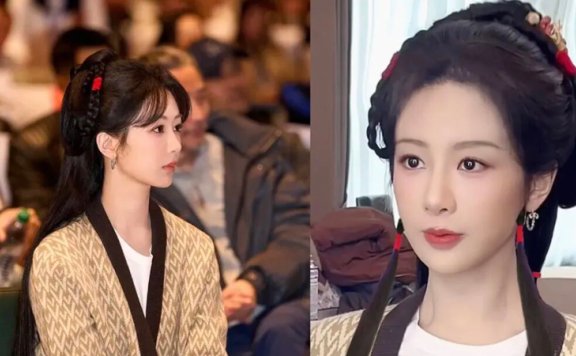
Who Tied the First Red String in Your Hair?
When actress Yang Zi (杨紫) appeared on screen with her hair tied with a simple red string, a wave of nostalgia washed over many viewers. That vibrant Hongtousheng (红头绳, red hair string) is more than a childhood memory or a festive accessory; it is a thread woven through centuries of Chinese social and aesthetic history. This humble object, often just a length of red yarn, connects the practical needs of daily life with deep-seated cultural wishes, evolving from a common hair fastener into a powerful symbol of tradition and belonging. Practicality to Memory Long before elastic bands, securing hair was a daily concern. Traditional methods used hairpins, combs, and cloth bands. The use of red cloth strips for decoration was common, but the narrower, string-like Hongtousheng truly emerged in the late Ming and early Qing dynasties. This shift was linked to specific hairstyles like the Sanliutou (三绺头, three-section hairstyle), which required sections of hair to be bound separately. A thin, strong red string was perfect for neatly dividing and securing these sections at the crown. The industrial revolution made machine-spun yarn cheap and widely available. Red wool or cotton string became an indispensable item in every household. It was durable,… -
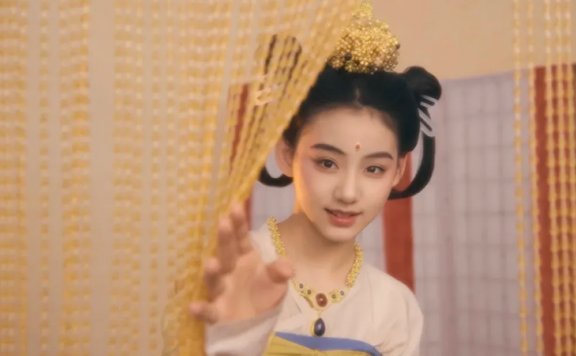
The Tragic Story of Sui Dynasty Noble Girl Li Jingxun
When 13-year-old actress Liu Jiaxi (刘佳玺) recently shared a photo series recreating the style of a 1,400-year-old noble girl, the internet took immediate notice. Dressed in Sui Dynasty-inspired attire, her image struck a chord far beyond typical historical cosplay. Many viewers instantly connected her look to her upcoming role as the young Dou Zhao (窦昭)) in the highly anticipated series Blossom (九重紫). Yet, the figure she portrays, Li Jingxun (李静训), represents a far deeper and more poignant story from China's past. This act of transformation bridges centuries, turning ancient artifacts into a living conversation about memory, art, and the fleeting nature of life itself. The Girl in the Tomb Known affectionately as "Li the Child," Li Jingxun's short life was one of extraordinary privilege and profound tragedy. Born into the pinnacle of Sui Dynasty aristocracy as the great-granddaughter of Emperor Wen and granddaughter of Empress Dowager Yang Lihua (杨丽华), she was enveloped in luxury. Historical records describe a girl "instructed in the deep palace," raised with immense care and expectation. Her world, however, was brutally brief. At just nine years old, she succumbed to pneumonia after being caught in a storm while on an excursion. Her early death, a personal… -
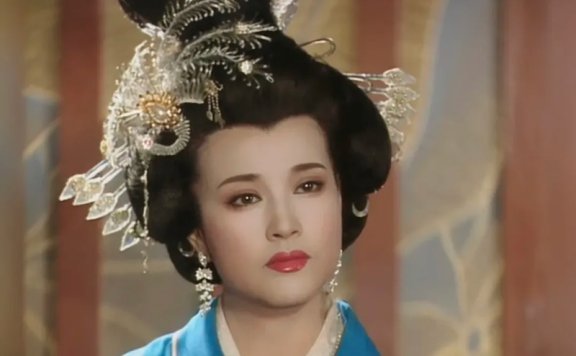
Liu Xiaoqing Revisits Empress Wu After 32 Years
The recent announcement that 75-year-old Liu Xiaoqing (刘晓庆) will once again portray the formidable Empress Wu Zetian in a new short drama series has sent waves through the Chinese entertainment world. This marks a stunning return to the role she immortalized in the iconic 1995 television series. For many, her name is synonymous with the part; she didn't just play the character, she embodied her journey from a young concubine to the only female emperor in Chinese history. Yet, this casting has sparked a complex debate. While fans of the original series feel a surge of nostalgia, others question whether this represents a creative resurgence or a reluctance to pass the torch. Is this a celebration of a timeless performance, or does it highlight a shortage of actresses deemed capable of carrying such a weighty historical legacy? An Unmatched Legacy The 1995 series Empress Wu Zetian (武则天传奇) stands as a monumental achievement, largely due to Liu Xiaoqing's commanding performance. She carried the narrative alone, portraying the character's evolution across decades with a rare intensity. This was not a fragmented portrayal by multiple actresses but a single, cohesive artistic journey. The series became a cultural touchstone, defining the visual and emotional… -
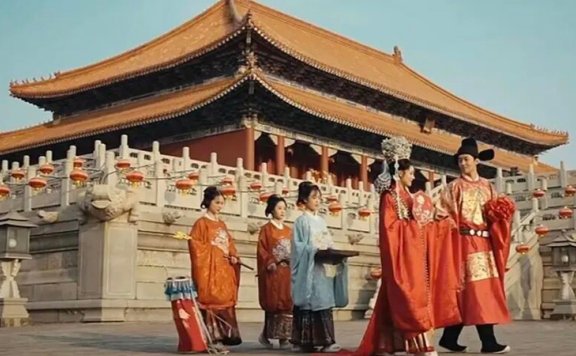
Decoding Ming Dynasty Robes in Etiquette China
When a television program can make historical clothing feel as immediate as today's fashion headlines, something special is happening. A recent broadcast by China Central Television (CCTV) has captivated audiences not with futuristic designs, but with a deep, respectful look into the past. The focus was the intricate beauty and profound symbolism of Hanfu, the traditional attire of the Han Chinese. By examining specific garments, particularly from the Ming Dynasty, the program connected threads of fabric to threads of cultural memory, prompting viewers to see ancient robes as more than museum relics. They are presented as active testaments to a worldview, where aesthetics and social order were seamlessly woven together. More Than Fabric: The Language of Ceremonial Dress The CCTV program, titled Etiquette China (礼仪中国), serves as a guide to this philosophy. It operates on a powerful premise: to understand a civilization's ideals, study the clothes it wore for its most important moments. The series approaches Hanfu not merely as costume, but as a visual language of Li (礼), a concept encompassing ritual, propriety, and the very framework of traditional social harmony. The most formal garments, known as ceremonial dress, carried the heaviest symbolic weight. These robes were canvases for… -
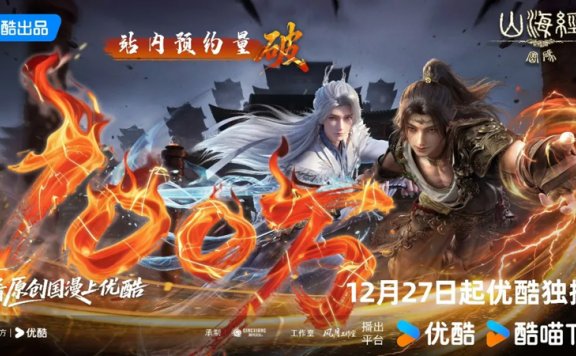
World-Building and Character Destiny in Threads of Fate: A War Untold
Is this flight, or a deliberate march into the unknown? For the young souls at the story's heart, the distinction blurs. Their journey begins not with a call to glory, but with a rejection of pre-ordained paths. Shan Hai Jing (山海经), that ancient tapestry of myth and beast, is no longer mere scripture. It becomes the very ground they tread—a Dahuang Shijie (大荒世界) of primordial chaos and raw wonder, re-awakened through their defiant eyes. This narrative shift represents more than a new setting. It is a conscious turn inward, towards the deepest wells of the cultural imagination. The anime Threads of Fate: A War Untold (山海经密码) channels the text's untamed spirit, not through scholarly reverence, but through the volatile energy of its protagonists. Their rebellion against fate and heated struggles feel immediate, forging a tangible link between the audience and the ancient world's breathtaking scale and peril. By framing epic, dynasty-shifting events through the lens of youth and their visceral conflicts, the work attempts a delicate fusion. It seeks to make the foundational myths resonate on a human frequency, suggesting that the oldest stories can hold the sharpest relevance when their heartbeat is rediscovered and set racing anew. Myth Reborn:… -
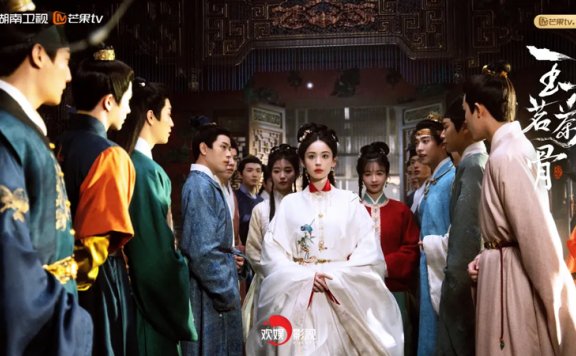
How Glory Challenges Gendered Narrative Tropes
The period drama Glory (玉茗茶骨) presents a world where men scheme in inner chambers and women pursue political thrones. Its producer, Yu Zheng (于正), markets this as a true female-centric narrative. The concept is undoubtedly attention-grabbing, positioning itself as a bold departure from tradition. It flips the script of classic palace intrigues, placing female characters in conventionally male positions of overt ambition. Yet, simply having men play at "harem struggles" while women seek a crown does not automatically forge a new path. The framework often feels familiar, merely swapping the genders within an old blueprint. The core mechanics of power—conspiracy, betrayal, rivalry—remain unchanged. This raises a question: is it female empowerment, or just the same play with a different cast? The drama's real test is whether it can move beyond this initial inversion to imagine a fundamentally different structure of power and relationship. When Men Wear the Palace Crown A new television drama turns the traditional courtship narrative inside out. In Glory, the power to choose belongs entirely to women. The story unfolds within the wealthy and influential Rong Family, a matriarchal clan whose authority in the tea trade rivals that of regional lords. Here, men are the suitors, brought… -
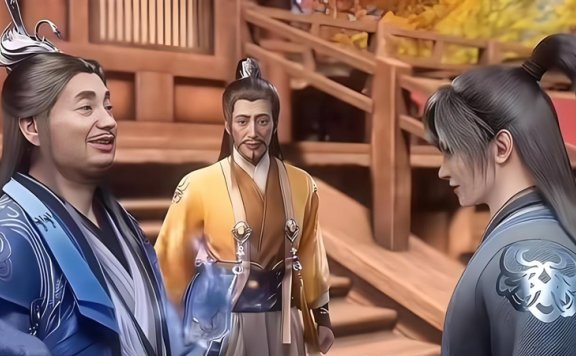
Renegade Immortal: Wang Lin and His 5 Masters –Betrayal & Devotion
The world of cultivation in Renegade Immortal (仙逆) is a treacherous landscape where power dictates survival. For the protagonist Wang Lin (王林), his arduous journey from an ordinary mortal to a formidable force is mirrored in the five masters who enter his life. These relationships form the crucible in which his character is forged. They are not merely teachers of technique but living lessons in human nature, revealing profound truths about trust, betrayal, and the rare, priceless value of genuine devotion. 1. Sun Dazhu (孙大柱) Wang Lin's introduction to the cultivation world comes through Sun Dazhu, a figure who embodies its most petty and vicious aspects. A low-level elder of the Hengyue Sect (恒岳派) with minimal power, his gaze is fixed solely on personal gain. He sees in Wang Lin not a disciple but an opportunity, coveting a gourd subtly influenced by the Heavenly Punishment Pearl. His "guidance" is a facade for sabotage, as he secretly laces Wang Lin's cultivation resources with hindering substances, escalating his schemes to attempted murder. This relationship serves as Wang Lin's brutal inaugural lesson. The title of "master" offers no sanctuary; it can be the source of the first and most intimate blade. Sun Dazhu's… -
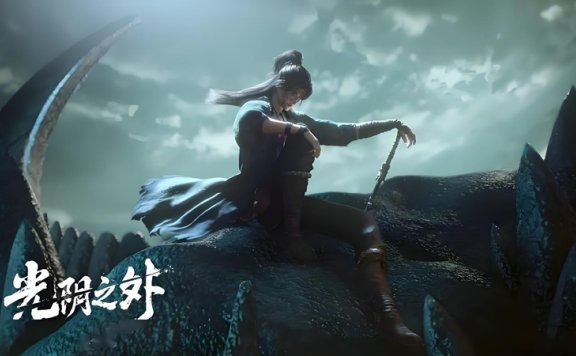
Youku’s Dual Launch Reshapes Animation Strategy
The simultaneous release of two major, yet starkly different, series by Youku during the year-end period signals more than just crowded scheduling. It represents a deliberate move towards a more sophisticated content strategy. This approach moves beyond banking on a single surprise hit, aiming instead to engage multiple audience segments at once through consciously varied storytelling. On December 27th, Threads of Fate: A War Untold (山海经密码) premiered. This series weaves the mythical tapestry of ancient Chinese texts into a narrative about youthful defiance. Its pre-launch anticipation, measured in millions of reservations, translated into immediate and fervent discussion upon release, with viewers particularly captivated by its expansive world-building and distinct visual language. It was followed the very next day by Beyond Time's Gaze (光阴之外), an adaptation of author Er Gen's (耳根) work. This title carves out a darker niche, blending post-apocalyptic desolation with cultivation themes. Its story, set under the ominous shadow of fallen deities, probes harsh questions of survival and moral codes in a broken world. By positioning these contrasting titles together—one bright and mythic, the other grim and philosophical—the platform created a resonant effect. This dual offering caters to diverse viewer tastes within the core animation community, turning a… -
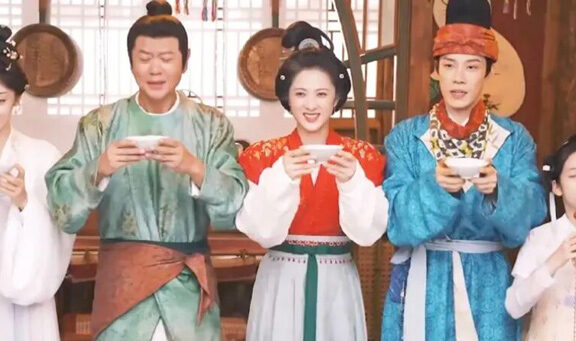
How Chinese New Year Wishes Worked Without Words
The messages we exchange as a new year dawns today are warm and direct. But centuries ago in China, New Year's greetings were crafted with a subtle, poetic artistry. They conveyed hopes, affection, and well-wishes not through straightforward statements, but through elegant allusions and imagery drawn from nature and the seasons. This tradition reveals a uniquely Chinese form of lyrical expression, where the act of blessing someone became an art form in itself. The Poetry of Time Instead of modern phrases, scholars of old used classical references to mark the year's turn. A common opening for a seasonal letter was “the year is in Guichou (癸丑), at the end of spring.” This practice, seen in masterpieces like Wang Xizhi’s (王羲之) Preface to the Poems Composed at the Orchid Pavilion (兰亭集序), framed time within a lyrical context. Another phrase, “Sui Yu Yun Mu, Xin Yuan Zhao Qi (岁在癸丑,暮春之初)” poetically captures the moment as “the year draws to its close, a new beginning dawns.” These were not mere dates; they were acknowledgments of time’s graceful, inevitable passage. The great Song dynasty statesman and poet Wang Anshi never explicitly said “happy new year” in his famous verse. Yet, his lines about firecrackers banishing…