Article
Search results:
-
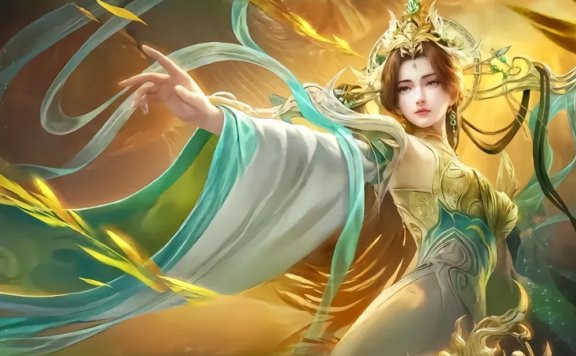
Forbidden Zone Powers in Perfect World’s Great War
The chaos of the Ancients' Era left the Nine Heavens and Ten Earths shattered. Its laws were incomplete, the path to immortality decayed. Yet, pockets of immense, dormant power persisted. These were the Forbidden Zones, realms isolated by the world’s own fractured rules, where survivors from a more glorious age slumbered. They were relics of the Immortal Ancient Era, damaged true immortals, and reclusive giants—the most concentrated assembly of supreme beings left. When the cataclysm arrived, when the foreign and terrifying Other Realm launched its invasion, these guardians did not stir. From their secluded sanctuaries, they watched the devastation unfold in silence. Their inaction became the war’s greatest mystery. What could make such powerful entities turn their backs on the very world they once swore to protect? Betrayal's Bitter Legacy The founders of the three greatest Forbidden Zones were not native to this land. They were Xianwang (仙王), immortal kings dispatched from the higher Immortal Domain as reinforcements during an ancient war against the dark creatures. They fought desperately, sacrificing everything for victory. Their reward was not honor, but suspicion. Merely for having engaged the darkness, they were branded as contaminated, exiled from their home. The final blow was not… -
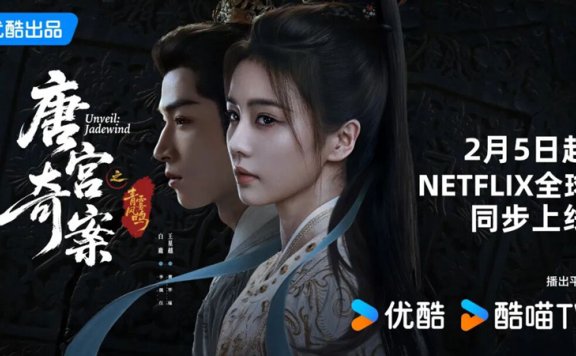
Unveil: Jadewind Premieres Globally on February 5
This February, a new historical mystery series is making waves even before its global debut. Unveil: Jadewind (唐宫奇案之青雾风鸣), starring Bai Lu (白鹿) and Wang Xingyue (王星越), premiered domestically on CCTV-8 and Youku. Its simultaneous global release on Netflix marks a significant step for Chinese period dramas. At its heart, this isn't just another palace tale. It follows Li Peiyi (李佩仪), a county magistrate's daughter burdened by a past family massacre, who becomes an investigator in the Inner Bureau. Her path crosses again with Xiao Huaijin (萧怀瑾), a man who saved her life in childhood. Together, they unravel intricate cases—"The Guest Star Over the Maiden," "The Flower on the Wall," "The Bloody Talent"—that expose the hidden plights of women within the palace's deep walls. The producers at Killer Whale Entertainment's Gleaner Studio aim to guide viewers into the story through a "her perspective," creating a bridge between modern audiences and the struggles of women from over a millennium ago. The Power of a "Her Perspective" Breaking from tradition, this series consciously shifts the narrative focus. For too long, historical detective stories have been dominated by male protagonists. Unveil: Jadewind places a complex female character at its center. Li Peiyi is not… -
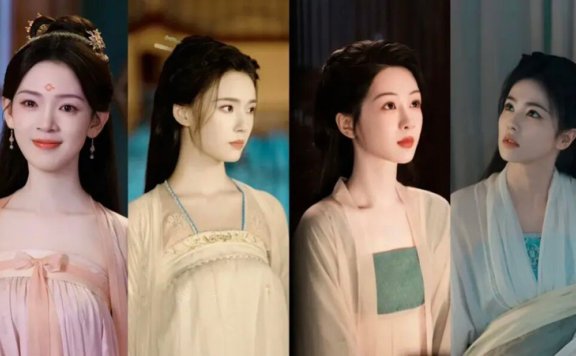
What Did It Really Take to Get Dressed in Imperial China?
Modern mornings are a race against the clock. We grab clothes, zip, button, and dash out the door. For the elite of ancient China, dressing was a deliberate, time-consuming ritual that set the rhythm for the entire day. Far from a simple task, it was a physical undertaking governed by strict rules of propriety, material limitations, and social station. This process, often perceived today as impossibly cumbersome, reveals a world where clothing was not just covering but a complex language of identity and status. The Principle of Layers The foundation of traditional dress was a "from the inside out and bottom to top" approach. Each layer had a designated purpose and position. The foundational garment was the Xieyi (亵衣), a simple undergarment akin to modern underwear. Over this, one would don the Zhongyi (中衣) or middle garment, a full-length robe that served as a base layer. The outermost robe completed the essential trio. In colder months, this system expanded dramatically, with quilted jackets and fur-lined cloaks added for warmth, creating a heavy, insulating shell. For daily wear, the number of layers could be relatively modest, similar in count to modern clothing but vastly different in form. A Tang Dynasty woman… -
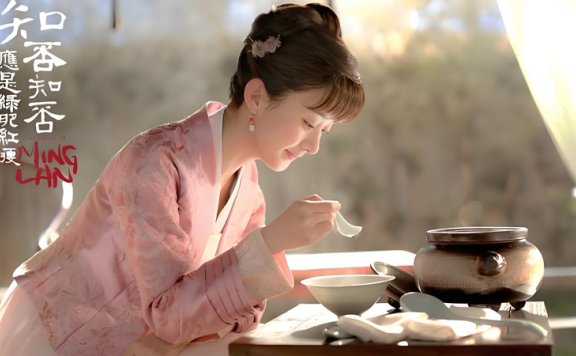
Unveiling the Historical Stories Behind Chinese Morning Meals
Have you ever wondered what people in ancient China ate to start their day? The morning meal, often overlooked, carries within its steam and flavor a profound history of social change, economic shifts, and daily survival. From the strict schedules of imperial courts to the bustling street stalls of the Republican era, breakfast in China is far more than just food; it is a living chronicle. The story begins not with three meals, but with two. During the Shang Dynasty, the daily eating routine was governed by the sun and social station. The two meals were called Yongshi (饔食), eaten around nine in the morning, and Sunshi (飧食), taken in the late afternoon. This "two-meal system" reflected the agricultural rhythms and resource limitations of the time. It wasn't until the Han and Tang dynasties, with greater prosperity and urbanization, that a third meal—breakfast as we recognize it—began to solidify its place, particularly among the elite and city dwellers. Yet, the old ways persisted; even in the Qing Dynasty, many in the north still ate twice a day, while southerners more commonly enjoyed three, a testament to regional economic and climatic differences. Ancient Morning Rituals If you could time-travel to a… -
Is Your Hanfu Outfit a Costume or a Cultural Statement?
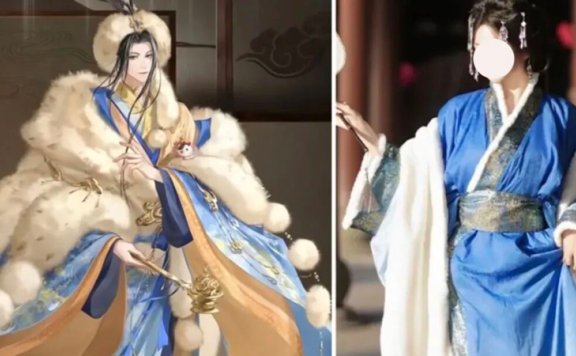
Scroll through any social media platform today, and you will find videos of people dressed in elegant, flowing Hanfu. Yet, the comments underneath often spark a familiar debate: "Isn't this just cosplay now?" The line between wearing traditional attire and performing a character seems increasingly blurred. From majestic portrayals of Yang Yuhuan (杨玉环) to scholarly impressions of Li Qingzhao (李清照), enthusiasts are using Hanfu to step into the shoes of historical figures. This trend raises questions. Is it a genuine form of cultural appreciation, or merely a pursuit of online popularity? To understand this modern phenomenon, we might look to an unexpected patron from history who mastered the art of symbolic dress-up long before it was a trend. The Emperor's Disguise The idea of adopting another's attire for portrayal is not new. Consider the Qianlong Emperor (乾隆) of the Qing Dynasty. Official portraits show a ruler in majestic regalia, but his private "Hanfu Portrait for Pleasure" paintings reveal a different side. Here, he is depicted not as a Manchu emperor, but as a Han Chinese scholar. He wore loose Daoist robes, posed with antiquities, and embodied the idealized literati. He even dressed in Western clothing for some portraits. His motivations… -
How Swords into Plowshares Gets Traditional Headdress Right
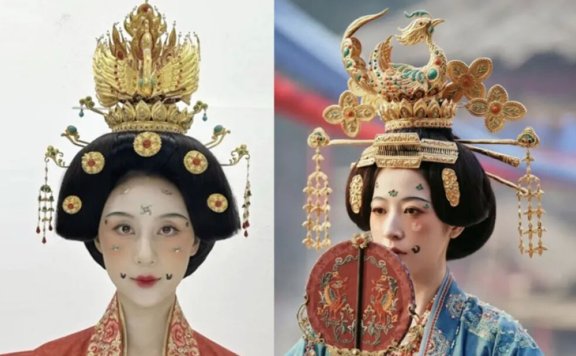
In the historical drama Swords into Plowshares (太平年), viewers were treated to a visual feast of intricate costumes. One detail, in particular, has sparked curiosity: the majestic bird crowns worn by characters He Zhen (贺贞) and Sun Taizhen (孙太真) during their wedding scenes. While both headpieces are stunning, their orientation differs. He Zhen's crown sits perfectly straight and forward-facing, while Sun Taizhen's appears to be worn at a slight angle. This isn't a random stylistic choice or an error, but a deliberate nod to historical accuracy and the deep-seated principles of traditional Chinese adornment. This distinction opens a window into the forgotten rules governing ceremonial dress, where every element carried weight far beyond mere decoration. The Problem with Props The design of these crowns finds its primary inspiration in donor portraits from the Five Dynasties period. A common issue in modern costume design arises when referencing these historical sources. The original portraits often depict figures in profile, making their elaborate headdresses appear sideways due to perspective. Many contemporary designers, however, misinterpret this visual effect and create crowns intended to be worn at an angle. This is a fundamental misunderstanding. The standard and historically correct method was to wear such significant… -
How Mongolia’s Olympic Uniforms Mastered Tradition and Modernity
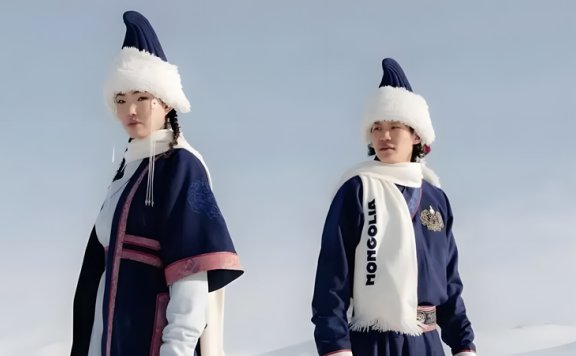
As the 2026 Winter Olympics approach, a nation’s teamwear has unexpectedly captured global attention. Mongolia’s opening ceremony uniforms, unveiled recently, have sparked widespread admiration and a pointed question: why can their Olympic attire feel so authentic and compelling? The design brilliantly incorporates historical elements from the Yuan dynasty, presenting a sophisticated blend of heritage and contemporary sportswear aesthetics. This move has not only won praise but has also ignited a conversation about cultural identity on the world’s biggest athletic stage. The ensemble moves decisively away from the more common straight-front closure, known as “Changzi Jin,” seen in many modern interpretations. Instead, it revives the crossed-collar, right-over-left closure system, a hallmark of historical Hanfu and Yuan-era Mongolian robes. This is not mere nostalgia. The design choice is deeply functional. The overlapping front panels form a barrier against biting winter winds, a practical adaptation for the steppe’s climate and for the outdoor ceremonies of a Winter Games. The sleeves are tailored to be narrower than traditional Hanfu, facilitating movement and nodding to a history of horsemanship. The fabric itself is a modern technical blend incorporating wool, a textile long central to nomadic life. Design with Purpose The design team’s stated goal was… -
Did a TV Drama Just Show Ancient Underwear as Outerwear?
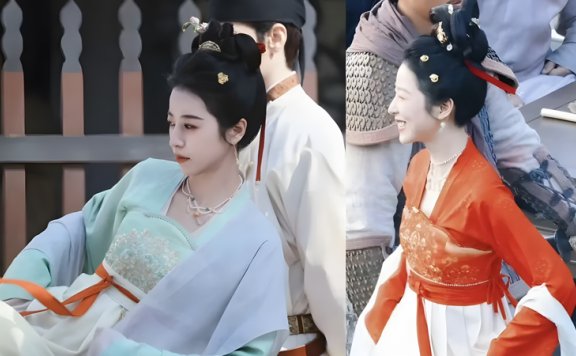
A recent period drama has sparked a lively online debate not about its plot, but about a character's wardrobe. In the television series Swords into Plowshares (太平年), the actress Zhou Yutong (周雨彤), who portrays the character Sun Taizhen (孙太真), appears in several stunning outfits that have left viewers puzzled. The garments feature what looks like a structured, bustier-style top worn over a flowing skirt, leading many to wonder: is this a case of ancient "underwear as outerwear"? The style feels surprisingly modern, reminiscent of contemporary tube or bandeau dresses, yet it is presented as historical costume. This visual anachronism has ignited curiosity about the origins and accuracy of this particular fashion choice within the drama's claimed historical setting. Historical Roots The costume in question is what many in modern traditional clothing circles call a Hezi skirt (诃子裙). However, its status within the spectrum of Hanfu is contentious. A primary reason is the lack of archeological evidence; no physical example of this specific garment has been unearthed. References to a "Hezi" exist in historical texts, but not as a compound term for an entire skirt. The most famous visual association comes from the Tang dynasty painting Court Ladies Adorning Their Hair… -
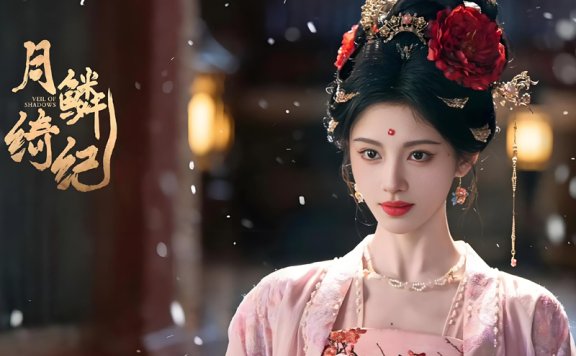
6 Highly-Anticipated Unreleased Dramas in 2026
A new wave is reshaping television landscapes far beyond its origin shores. Across platforms, narratives steeped in intricate political webs, resolute heroines, and reimagined legends are commanding unprecedented attention. These are not mere period pieces but sophisticated tales where personal destiny clashes with the fate of nations, and ancient traditions find new voice. Their staggering pre-release numbers and fervent fan discussions signal a shift in global viewing appetites. The appeal lies in a potent alchemy: the strategic depth of a chess game, the emotional resonance of a character's hard-won growth, and the immersive pull of a meticulously built world. This phenomenon moves past simple entertainment; it offers a window into narrative frameworks where honor, strategy, and sacrifice are examined with fresh intensity. As audiences worldwide seek substance alongside spectacle, these stories deliver complex plots and compelling relationships. Mo Li (莫离) The series Mo Li immediately presents a compelling deceit. Adapted from the novel Sheng Shi Di Fei (盛世嫡妃), it follows Ye Li (叶璃), a modern special forces soldier reborn into the body of a seemingly gentle but actually disgraced noblewoman. Her assigned marriage partner is the Dingwang (定王), Mo Xiuyao (墨修尧), publicly dismissed as a disabled and ineffectual prince. This… -
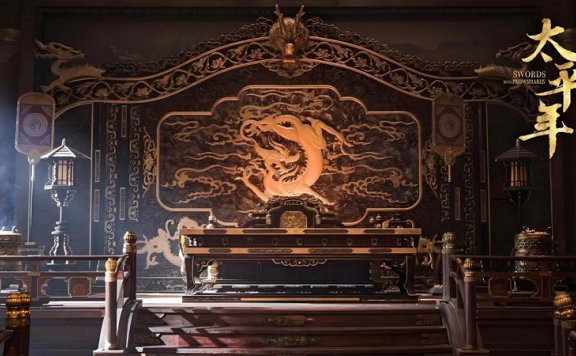
10 Standout Actors Who Shine in Swords into Plowshares
Historical dramas often live or die by the strength of their performances. When the backdrop is a chaotic period like the Five Dynasties and Ten Kingdoms, the task for an actor becomes not just to portray a person, but to embody an entire philosophy of survival. The series Swords into Plowshares (太平年) offers a masterclass in this regard, presenting characters who navigate treacherous political waters with a subtlety that demands equally nuanced acting. The most compelling figures are not those who shout the loudest, but those whose power resides in a glance, a hesitation, or a calculated silence. Dong Yong (董勇): The Still Center of the Storm As the legendary minister Feng Dao (冯道), whose service spanned four dynasties, Dong Yong delivers what may be the series' definitive performance. His achievement lies in conveying immense political weight through profound restraint. Feng Dao is a man for whom every word and gesture is a carefully weighed transaction. In one early scene, as the emperor prepares to reprimand a general, Feng Dao clears his throat. It is a simple, bodily sound, yet in Dong Yong’s execution, it becomes a full statement. The glance that accompanies it holds warning, counsel, and an inscrutable… -
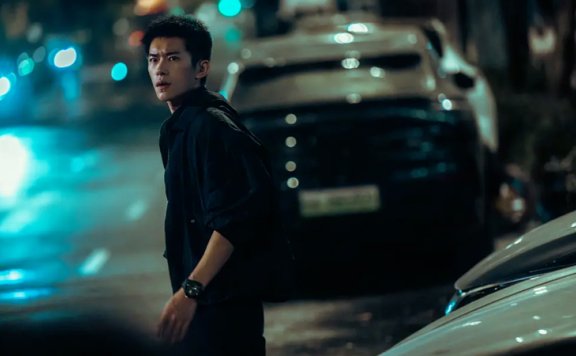
Why Scare Out is the Must-See Thriller of the Year
On a seemingly ordinary morning, the cinematic landscape for the upcoming Lunar New Year holiday was electrified by a major announcement. Legendary director Zhang Yimou (张艺谋) revealed his latest film, Scare Out (惊蛰无声), would join the fiercely competitive holiday box office fray. This move has injected a potent dose of anticipation into a season often dominated by comedies and family fare. Zhang Yimou's unparalleled track record for both critical acclaim and commercial success makes this project an automatic contender. However, Scare Out is more than a director's prestige piece; it is a meticulously crafted, contemporary spy thriller that promises to grip audiences from its first frame to its last. With a narrative that delves into the shadowy world of espionage and national security, the film positions itself not just as entertainment, but as a resonant cultural moment for Chinese cinema and its viewers. Star Power & Narrative Intrigue The released trailer for Scare Out immediately establishes its high-stakes tone. It showcases a powerhouse cast led by Jackson Yee and Zhu Yilong (朱一龙), two of China's most compelling young actors. Their first scene together, confined within a car, crackles with unspoken tension. A line about the "first spring thunder" giving voice… -
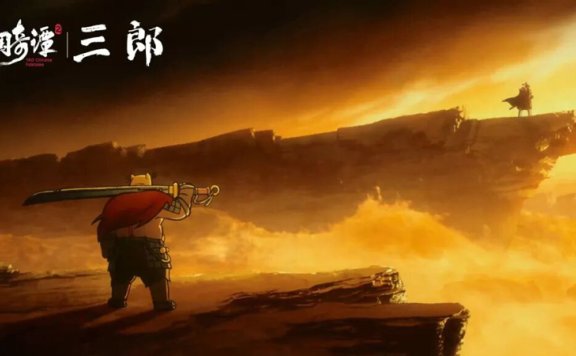
What Lies Buried in the Desert Sands in Yao-Chinese Folktales 2 ?
A solitary figure moves against a vast, amber expanse. This is the opening scene from Yao-Chinese Folktales 2 (中国奇谭2), in the episode titled Sanlang (三郎). There are no sprawling cities or intricate political plots here, only a lone swordsman, a dutiful camel, and a haunting forest of Hu Yang (胡杨) trees in the desert. The narrative strips away everything but the essence of a personal quest, one that begins with a declaration steeped in Wuxia (武侠) tradition: "The world's greatest fighter does not kill a nameless opponent." This statement sets a man on a path not just through physical terrain, but into the deepest recesses of his own purpose. The Swordsman's Quest He is a man defined by a single, consuming goal: to challenge and defeat the reigning champion. To signify his total commitment, he gives his own name, Sanlang, to his camel, vowing to reclaim it only when he returns victorious. In a roadside inn, he faces ridicule but also accepts a final request from the keeper—to find a missing daughter in the desert. Armed with a cured leg of mutton, a symbol of heritage and sustenance, and his blade, a tool for achieving fame, he enters the whispering… -
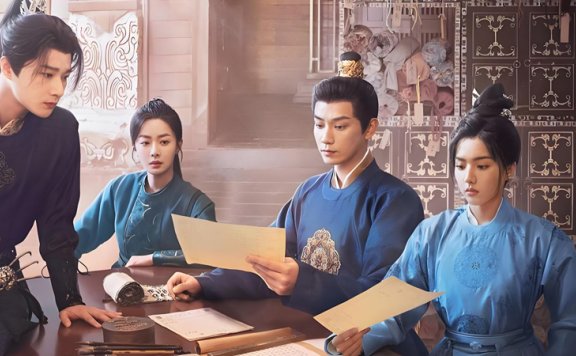
The Imperial Coroner 2 Finale: Who Will Win the Deadly Game of Thrones?
The 28-episode conclusion of The Imperial Coroner 2 (御赐小仵作2) delivers more than a satisfying wrap-up to its mysteries. Beneath the surface of forensic investigation and political intrigue lies a sharp examination of human nature. Where is the line between good and evil when absolute power is at stake? What choices remain for individuals caught in a vast, grinding machine of state interests? The series expands its scope from the internal court conflicts of the Tang Dynasty to a full-blown cold war with the southern state of Nanzhao (南诏). This shift elevates the protagonist Chu Chu’s (楚楚) mission from solving individual wrongs to safeguarding national peace, adding significant weight to the narrative. While the second season faced some debate for softening its pace with more romantic moments between Xiao Jinyu (萧瑾瑜) and Chu Chu, it undeniably empowered her character. Her professional expertise and authority are magnified, placing her in a commanding position throughout the crisis and powerfully showcasing her capabilities. You Chen'an's Web of Lies The final act becomes a high-stakes chess match between Prince Xiao Jinyu and the Nanzhao envoy, You Chen'an (祐辰安). Portrayed as a meek, persecuted illegitimate prince, You Chen'an is, in truth, a ruthless Nanzhao spy master.… -
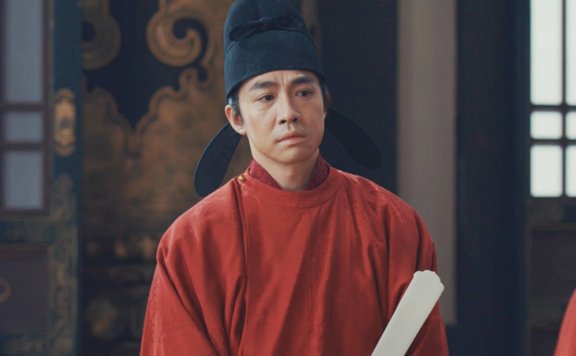
Swords into Plowshares: The Irreplaceable Youthful Spirit
What makes us hold fast to our beliefs when the world seems to demand we let them go? The historical drama Swords into Plowshares (太平年) offers no easy answers, but instead immerses viewers in the turbulent final days of a fictional dynasty. Through the eyes of its young nobles-turned-soldiers, the series poses difficult questions about sacrifice, duty, and the cost of integrity. It is not the intricate political machinations or grand battle scenes that resonate most deeply, but rather the persistent, flickering flame of idealism within the characters—a quality that feels both achingly familiar and tragically distant to the modern viewer. This intangible spirit, this youthful refusal to accept a compromised world, forms the heart of the narrative. As the walls of the capital strain under siege and loyalties are tested, the story becomes less about saving an empire and more about what one chooses to preserve within oneself. The Last Day of Xiaosui (小岁) The chill of a winter siege grips the capital. Three young men, Jiu Lang (九郎), Da Lang (大郎), and Guo Rong (郭荣), find a moment of respite. Exhausted yet defiant, they warm themselves with wine. The night marks Xiaosui, an ancient tradition where one speaks… -
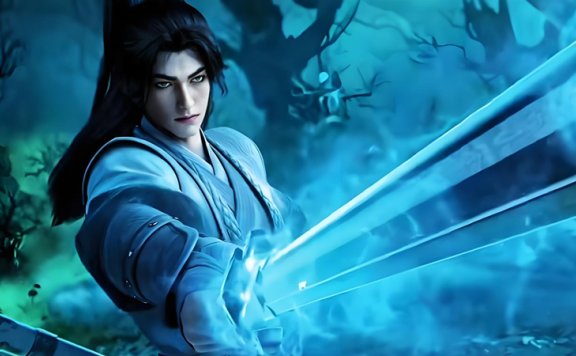
Ghost Finds Peace as Lie Unravels in Sword of Coming 2?
The chill that precedes dawn hangs heavy over the ancient streets. In the world of Sword of Coming 2 (剑来2), a single truth, buried for a hundred years, can be more lethal than any flying blade. The latest glimpse into the saga’s second season pivots away from sheer combat to the profound shockwaves of revealed history. A vengeful spirit, Madam Chu (楚夫人), has haunted the narrative with her potent mix of grief and fury, her power a direct manifestation of a betrayal she believes consumed her life and love. Her confrontation with the young journey-man Chen Ping’an (陈平安) reaches a fever pitch, only to be interrupted not by a stronger sword, but by the arrival of messengers carrying words that could dismantle her very existence. Truth as a Weapon Chen Ping’an, pushed to his limit, prepares to unleash his most precious treasures: two slivers of sword energy meant to save his life. Against the terrifying might of Madam Chu, it seems a necessary sacrifice. Yet, his assessment of the threat is rooted in fear for his young companions. The preview suggests a fascinating imbalance—these legendary energies, said to vanquish all below the Fourteenth Realm, might have been catastrophic overkill. Given… -
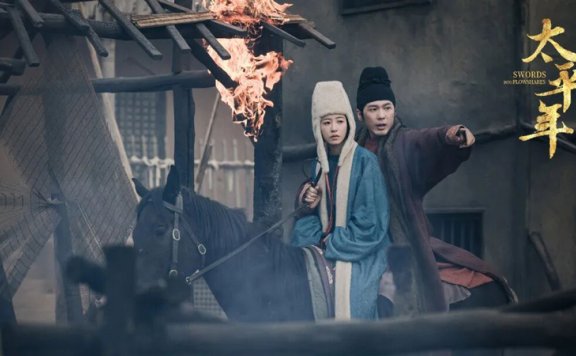
5 Historical Treasures to Spot in Swords into Plowshares
A new television experience is captivating audiences. It’s not just about following the plot twists of a period piece, but about embarking on a treasure hunt within the frame. As viewers watch the popular series Swords into Plowshares (太平年) on CCTV-1, a fascinating secondary activity has emerged: spotting the real historical artifacts meticulously recreated by the production team. From a merchant’s stringed instrument to the intricate design on a wine warmer, each detail is a deliberate nod to a tangible piece of history, waiting to be discovered in museums across China. Fans are thrilled, feeling they’ve been treated to a refined cultural feast, and are taking to social media to compare screenshots with photos of ancient relics. 1. Guqin (古琴) - A Melody in Wood The merchant Cheng Zhaoyue’s (程昭悦) entrances in the drama’s first episode are accompanied by the quiet presence of a Guqin. This isn't just any prop. Its distinct shape closely mirrors classical designs preserved for centuries. The Guqin, a seven-stringed zither, is one of China's oldest plucked instruments. Its basic form was largely standardized by the end of the Han Dynasty, yet it evolved into numerous styles, each with its own name and character. Viewers with… -
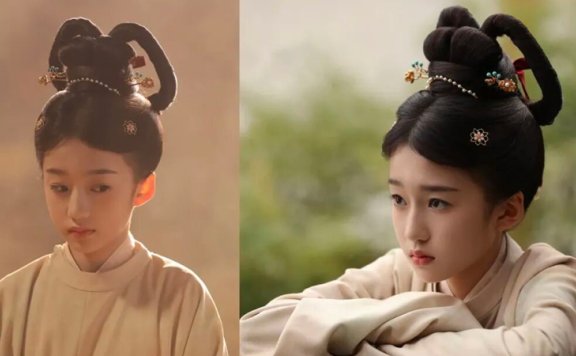
Why Do Ancient Dramas Love Those Twin Hair Loops?
If you watch Chinese historical dramas, you have seen them. Perched on the heads of young heroines, often playful maids or princesses in their youth, are two distinct loops of hair. This signature style, simple yet instantly recognizable, has become a visual shorthand for youthful innocence and charm on screen. From the determined Sun Taizhen (孙太真) in Swords into Plowshares (太平年) to various other characters, this hairstyle transcends individual stories, connecting audiences to a specific, girlish aesthetic rooted deep in history. But what is the story behind these loops? Their persistent presence is no mere costume designer's whim. It is a deliberate echo of an ancient Chinese hairstyle, a tradition repurposed for modern storytelling to visually telegraph a character's age and spirit before she even speaks. Roots in Antiquity The style seen on screen finds its direct ancestor in the Shuang Huan Ji (双鬟髻), or "double-loop bun." Historical records and artifacts trace its popularity back to the early Tang Dynasty, and even earlier to the Northern and Southern Dynasties. The terms "huan" (鬟) and "huan" (环) were often used interchangeably, both referring to a ring or loop shape. Essentially, the hairstyle involved gathering hair into two bundles, twisting them into… -
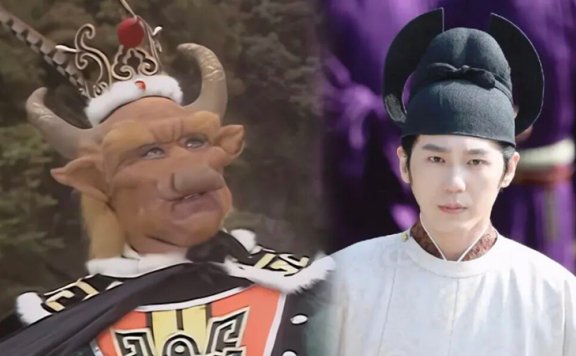
What's With the Bull Horn Hats in Swords into Plowshares?
Viewers of the historical drama Swords into Plowshares (太平年) have been captivated by many details of its Five Dynasties and Ten Kingdoms setting. One particular costume choice, however, has sparked widespread curiosity and amusement online: the distinctive hats worn by characters from the Wuyue Kingdom (吴越国). With two stiff, upward-pointing projections, they bear an uncanny resemblance to the horns of an ox, leading to playful comparisons to the mythical Bull Demon King. When the actor Bai Yu (白宇) appeared in one, the internet lit up. This was no isolated costume quirk. The repeated appearance of these hats signals a deliberate historical design choice, not a random fancy. Their story reveals a fascinating journey through power, ritual, and social order in ancient China. The Hat of Authority The official name for this headwear is the Chao Tian Futou (朝天幞头), or "Skyward Futou." Its defining feature is the two rigid "wings" or "feet" that stand erect. During the turbulent Five Dynasties period, this style was initially reserved for emperors and high officials. A portrait of Qian Liu (钱镠), the founding king of Wuyue, provides direct evidence of its royal use. Contemporary records note that rulers across the fragmented states competed with novel… -
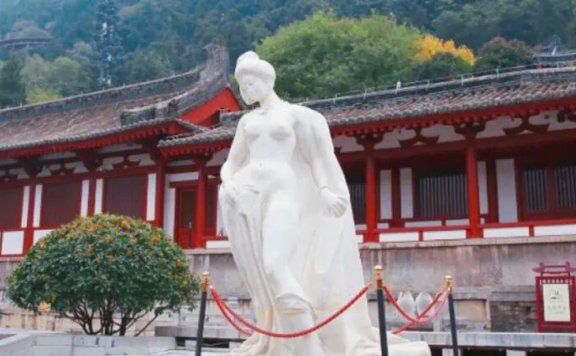
What Does a Nude Statue Say About Chinese Aesthetics?
For thirty-five years, a statue has stood in the warm mists of Huaqing Pond (华清池) in Xi'an (西安). It depicts Yang Yuhuan (杨玉环), one of the famed Four Beauties of ancient China, caught in a moment often translated as "The Imperial Concubine Alights from the Bath." Its semi-nude form has fueled an enduring public debate. Is it a faithful artistic representation of the famously open Tang Dynasty, or is it a distasteful spectacle? However, this persistent controversy over nudity and decency misses the fundamental point. The core of the disagreement is not about exposure itself, but about a profound departure from a central tenet of traditional Chinese aesthetics: the power of subtlety and implication. The statue imposes a Western logic of direct physical display onto an Eastern historical symbol whose beauty was traditionally conveyed through artistry and artistic conception. The Core Debate The defenders of the statue often point to the Tang Dynasty's reputation for cultural openness and physicality. They cite semi-nude murals in the Mogao Caves (莫高窟) or figurines with exposed flesh as historical precedent. Yet, this argument conflates openness with explicitness. Tang art, even at its most sensual, practiced restraint. The flying Apsaras in murals or the court… -
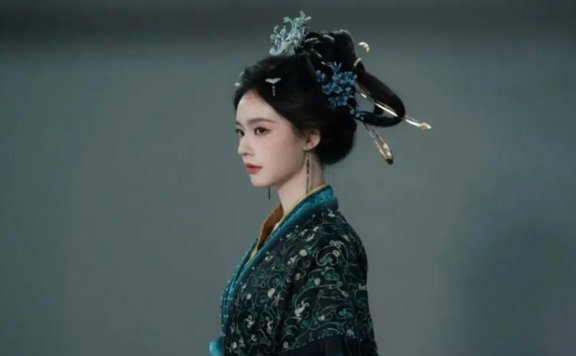
Lin Yun's Wei-Jin-Inspired Look in The Road to Glory
The recent unveiling of actor Lin Yun's (林允) official look for the upcoming historical series The Road to Glory (归鸾) has sparked more than just casual discussion; it has ignited a wave of enthusiastic approval online. In an era where period dramas often favor fantasy-inspired, anachronistic designs, her ensemble stands out for its deliberate grounding in the historical aesthetics of the Wei and Jin dynasties. This choice resonates deeply with an audience increasingly weary of generic "Xianxia" (仙侠) fairy costumes that, while visually pleasing, lack cultural roots. The design philosophy here is clear: true ethereal beauty stems from historical authenticity, not from arbitrary layers of sheer fabric and elaborate hair ornaments. Lin Yun's look, therefore, is being celebrated not merely as a pretty costume, but as a statement of intent—a call for costume design to reconnect with its source material. The Silhouette of History The core of the ensemble is a Banxiu Ruqun (半袖襦裙), a style of short-sleeved jacket and skirt that adheres closely to Wei-Jin tailoring. The wide sleeves and crossed collar are classic elements, but the inclusion of the documented "half-sleeve" design is a meticulous touch. The skirt, constructed from trapezoidal fabric panels, creates a unique, fluttering movement…