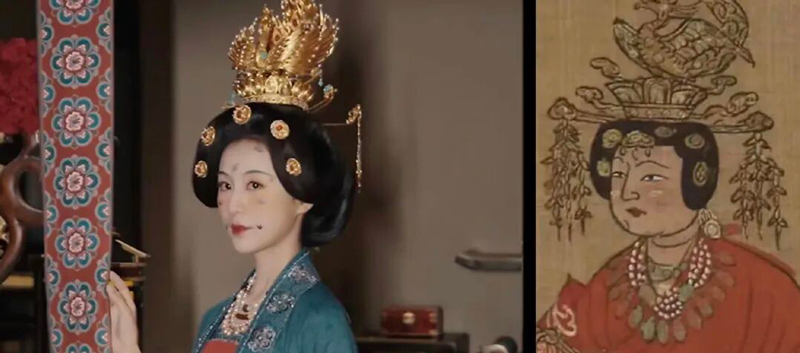
The recent period drama Swords into Plowshares (太平年) sparked lively online debate, but not for its plot or performances. Instead, viewers were captivated—and often baffled—by the wedding makeup. Actress Zhou Yutong’s (周雨彤) character appeared with intricate patterns adorning her face, resembling an array of tiny, artful moles.
While some fans praised the bold look, others questioned its historical accuracy and aesthetic appeal, with comments ranging from "This makeup made me laugh" to "This is too garish." This intense reaction highlights a growing public interest in the authenticity of historical costuming. Behind the modern scrutiny lies a legitimate ancient practice, offering a rare glimpse into the extravagant beauty ideals of a bygone era.
The Historical Face Chart
The distinctive facial patterns are not a modern stylist’s fantasy. They faithfully recreate a specific cosmetic tradition known as Mian Ye (面靥), which flourished from the late Tang dynasty into the Five Dynasties period. Far from random decoration, these designs carried deep symbolic meaning. Artisans and wearers used materials like dried flowers or delicate gold leaf, adhering them to the skin with adhesives such as fish glue. Different shapes held different names and connotations: Hua Ye (花靥) for floral motifs, Niao Ye (鸟靥) for birds, and Xing Ye (星靥) for star-like forms. This practice transformed the face into a canvas for personal expression and auspicious symbolism.
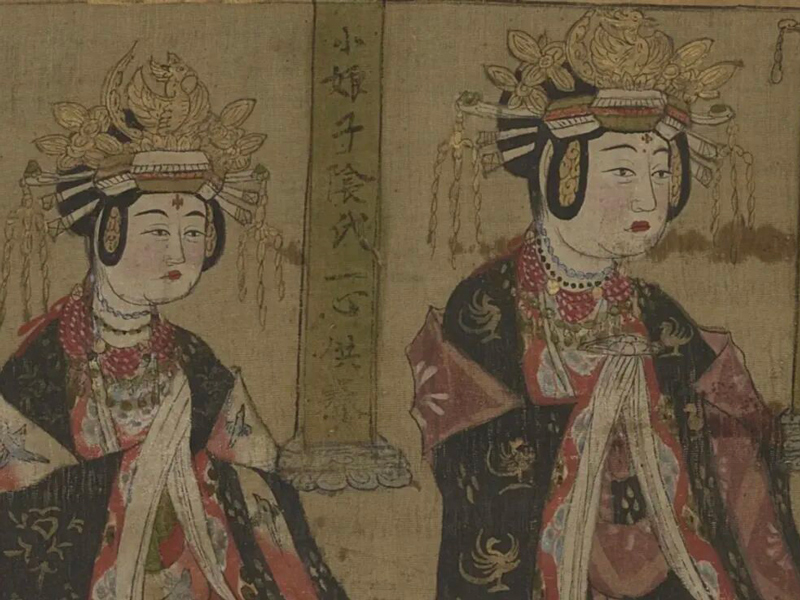
This trend was part of a broader cultural shift. As wealth accumulated during this era, decorative arts in fashion saw unprecedented development. Clothing featured exaggerated sleeves and long trailing hems, while facial adornment became increasingly elaborate. Dunhuang murals provide clear evidence, showing women wearing these designs not just near the mouth, but across their foreheads and beside their noses. The aesthetic was one of curated abundance—a deliberate, ordered complexity meant to project status, piety, and a distinct, otherworldly beauty.
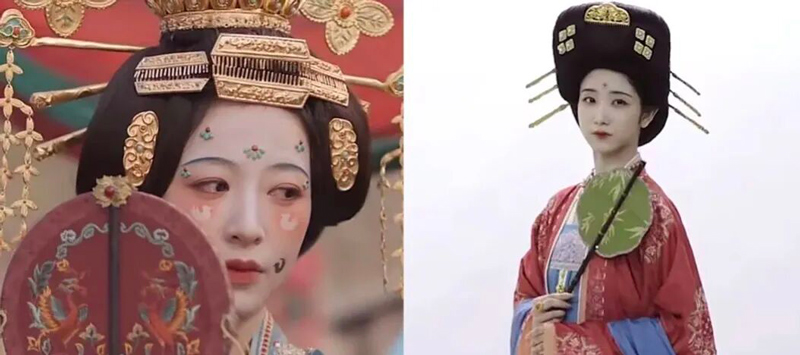
The makeup was only one component of a full formal ensemble. It was designed to be worn with an equally magnificent hairstyle, often the towering E Ji (峨髻). The complete look included multiple ornate combs, phoenix crowns, hairpins with dangling pendants, and lavish necklaces of jewels and jade. Viewed in this holistic context, the facial patterns were a integrated detail within a spectacle of splendor, meant to convey the wearer’s social standing during important ceremonies like weddings.
More Than Makeup
The accessories accompanying the makeup were equally significant. The hairstyle depicted, with several combs arranged symmetrically, is directly inspired by portraits of donors and noblewomen in Dunhuang (敦煌) art. The ornaments flanking the temples, which some viewers humorously compared to durian fruit, are actually a type of hairpin called Yan Bin (掩鬓). These were typically crafted in floral or bird shapes, trends scholars link to increased ethnic exchange and the pervasive influence of Buddhist iconography during the period. Every element served a dual purpose of decoration and cultural communication.
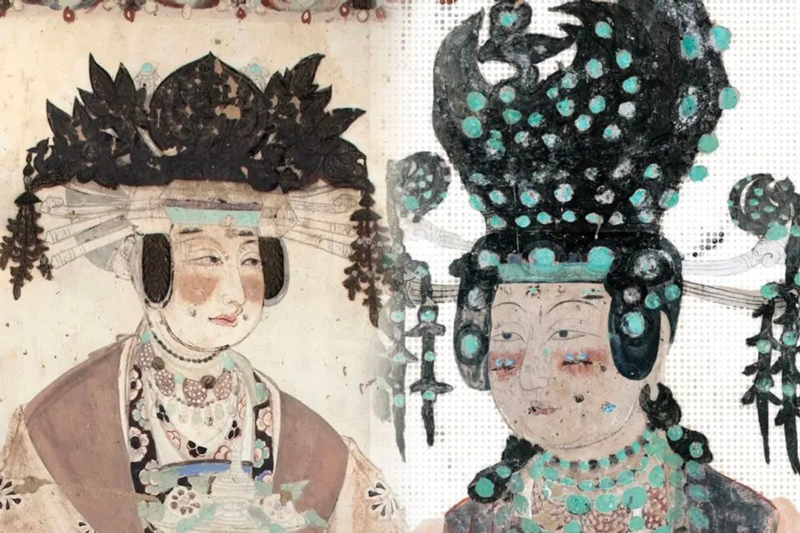
Applying these decorations was a skilled process. While some patterns were painted on, the "sticker" method was common. Historical texts, such as the Lingbiao Luyi (岭表录异), record the use of specific dried plants. Hezi Cao (鹤子草), or "fledgling grass," was picked, sun-dried, and then glued to the face. This use of natural materials underscores a fascinating interplay between daily life, nature, and ritualized beauty practices. It was a tangible connection to the environment, worn on the body for special occasions.
Public reaction to this authenticity has been mixed. For some, the look is overwhelming and disconnected from modern tastes. For others, it’s a thrilling step forward in historical drama production, prioritizing factual representation over generic, sanitized glamour. This divide itself is instructive. It challenges audiences to expand their understanding of beauty across time and culture, moving beyond immediate judgment to appreciate the context that created such bold styles.
A Legacy Reconsidered
The discussion around Swords into Plowshares does more than critique a single show. It opens a window into a unique historical moment defined by cultural fluidity and artistic confidence. The late Tang and Five Dynasties period was a time of relative openness, where influences from the Silk Road and Buddhist art merged with local traditions, resulting in daring and innovative fashion statements. The makeup is a tiny, wearable artifact of that cosmopolitan spirit.
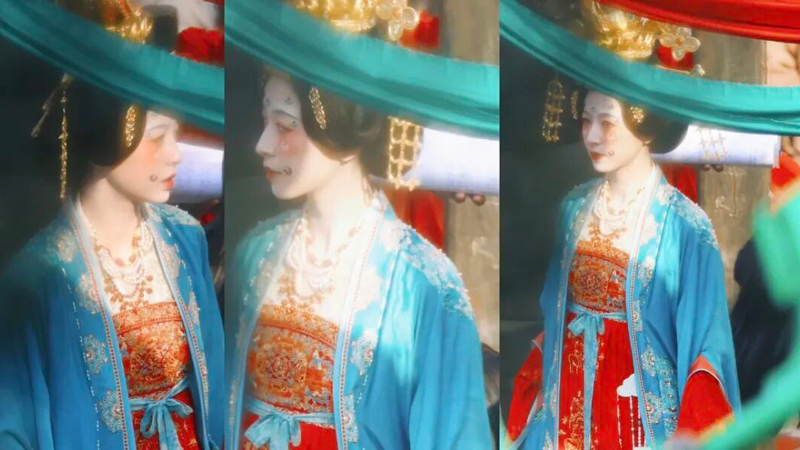
Ultimately, this meticulous approach to recreation, whether loved or hated by viewers, represents progress. It shifts period dramas away from anachronistic beauty standards and towards a more respectful and educational engagement with the past. When we see a face adorned with Hua Ye and Niao Ye, we are not just looking at makeup; we are witnessing a revived fragment of history, a conversation between then and now about art, identity, and the ever-evolving canvas of the human face.