Article
Search results:
-
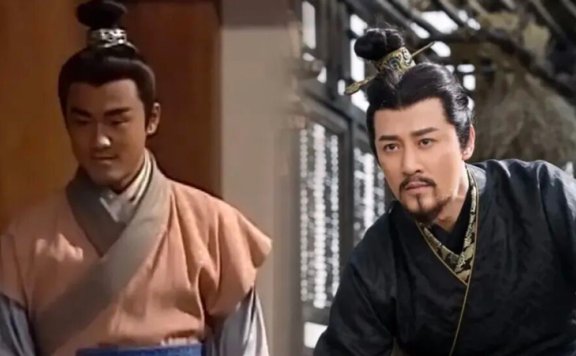
Why Are the Warriors' Topknots Tilted in Back to the PaBack to the Pastst?
The announcement of a new film adaptation of the classic time-travel series Back to the Past (寻秦记), reuniting the original cast after 25 years, has sent waves of nostalgia through its fanbase. While audiences eagerly await the return of Louis Koo and Raymond Lam to their iconic roles, a seemingly minor detail from the promotional material has ignited a surprisingly passionate online discussion: the distinct, slightly off-center topknot, or Ji (髻), worn by Lam’s character. This quirky hairstyle, far from being a costuming error, is a deliberate nod to a fascinating and authentic historical practice from the Qin era. The film’s attention to this detail opens a window into the highly structured and symbolic world of ancient Chinese military life, where even a hairstyle could speak volumes about a person’s rank and origin. More Than a Hairstyle To the modern eye, a tilted bun might appear casual or even charmingly disheveled. In the context of the Qin dynasty (221-206 BCE), however, it was a standard and meaningful feature. The most definitive evidence comes from the silent army of the Terracotta Warriors. A close examination of the thousands of life-sized figures reveals a striking variety in their topknots. A significant portion… -
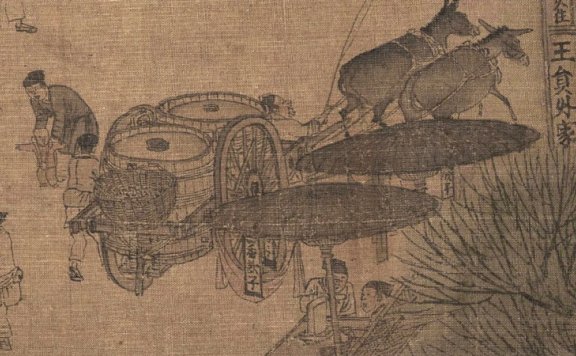
What Did Ancient Chinese Really Drink?
Think ancient Chinese beverage culture was limited to plain tea and hot water? Think again. From the bustling markets of Bianjing (汴京) to the imperial palaces of Chang’an, a vibrant and sophisticated world of drinks flourished. This was a world where refreshment met medicine, where social status was sipped from a cup, and where creativity flowed as freely as the drinks themselves. Our modern obsession with functional beverages, artisanal infusions, and novel flavors finds a profound and surprising echo in the past. Drinks as Medicine Long before modern energy shots, ancient Chinese sought vitality in their cups. The concept of "food as medicine" was deeply ingrained. During the Yuan Dynasty, a drink called “Li Mu Thirst Water” (里木渴水) was a staple at Mongol aristocratic feasts. This early functional beverage, made from lemon juice, honey, and spices, was prized not just for its tart sweetness but for its ability to prevent scurvy on long campaigns. The Song Dynasty saw the rise of “Shu Shui” (熟水), a prototype of the modern herbal tea bag. Poet Li Qingzhao (李清照) famously crafted her own white cardamom variety in her later years for its digestive benefits. Scenes from the famed painting Serenade of Peaceful Joy… -
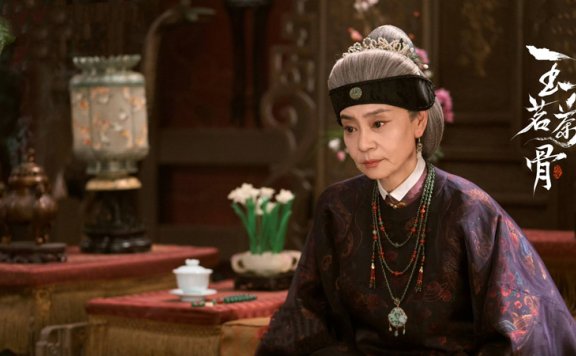
Unmasking a Family’s Corrupt Legacy in Glory
The opulent halls of the Rong family mansion, famed tea merchants of Lin'an (临安), held a secret as delicate and potent as their finest brew. For generations, their fortune was attributed to a mystical heirloom: the "Tea Bone," a chosen family member born with an innate ability to discern tea quality and cure ailing tea plants. This myth justified every cruelty, every sacrifice. The elderly Matriarch Rong enforced this belief with an iron will, having anointed her granddaughter, Rong Shanbao (荣善宝), as the current Tea Bone. But whispers swirled that the true heir was actually the simple-minded sixth daughter, Rong Yunwan (荣筠纨), declared dead to the outside world to hide her perceived shame. While sisters schemed for favor, one remained in the shadows: the fifth daughter, Rong Yunshu (荣筠书). Believed to have been blind for twenty years, she sat quietly in corners, a silent witness to the family's poisonous dynamics. No one suspected her sightless gaze saw everything, or that her heart burned with a cold, patient fury. The Performance of a Lifetime Rong Yunshu's blindness was a meticulously crafted performance, a role she perfected after a childhood tragedy. Two decades prior, her mother, deemed of lowly birth, was cast… -
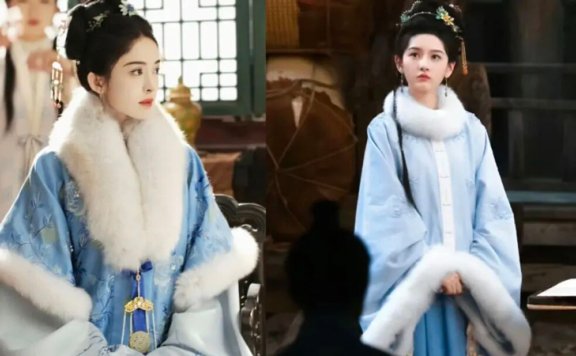
How Historical Fur Collars Blended Function and Status
Audiences often notice a curious consistency in the robes worn by characters in historical television dramas: the fabrics appear suspiciously light, seemingly unchanged by brutal winters or sweltering summers. This visual shorthand prioritizes aesthetic flow and actor comfort over historical authenticity. But a closer look reveals subtle, often overlooked details that hint at how people in eras like the Ming and Qing dynasties genuinely coped with the cold. The answer lies not in bulky modern parkas, but in ingenious layers, strategic materials, and one particularly telling accessory: the fur collar. The Historical Fur Collar Far from a mere costume embellishment, the fur collar, or Fengling (风领), was a standalone, functional piece of winter wear. As described in classics like The Dream of Red Mansions (红楼梦), it was not sewn onto a garment but worn separately over cloaks or thick robes. This design created a protective barrier against wind slipping down the neck. A passage from the novel details Shi Xiangyun's (史湘云) outfit, noting her "large sable Fengling," illustrating its use among the aristocracy. Its purpose was explicitly defensive, guarding a critical thermal zone where significant body heat escapes. The construction of winter clothing itself varied by social class. The wealthy… -
Hidden Agenda Behind Feiyu Guard’s Growth in The Unclouded Soul
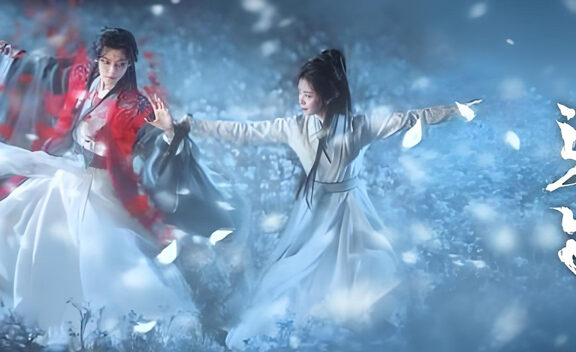
Why would a distant emperor mobilize his elite guard for an unloved daughter? The plot twist in the drama The Unclouded Soul (逍遥) where the ruler orders the expansion of the Feiyu Guard (飞羽卫) to rescue Princess Ning’an (宁安) from the demon king Hong Ye (红烨) is not an act of sudden paternal love. It is a cold, calculated move in the complex game of imperial power. To understand this, one must look past the surface of a father saving his child and examine the machinery of statecraft, public perception, and personal legacy that drives a monarch's decisions. A Father's Performance The emperor is first and foremost a symbol. His every action is staged for an audience comprising his court, his people, and history itself. Princess Ning’an, though personally neglected, remains a member of the imperial family. Her very public abduction by a demon is not a private family matter; it is a national spectacle. To appear indifferent would shatter the carefully maintained image of the ruler as the patriarchal head of a vast family. By launching a dramatic rescue, he performs the role of the devoted father, using grand action to overwrite years of quiet disregard. This performance tells… -

China’s Coziest Gala? The Surprising Star Accessory
This year's China Central Television New Year's Eve Gala earned a new nickname: the coziest edition yet. In a refreshing departure from the usual sleeveless gowns and sharp suits, hosts and performers appeared bundled in warm, comfortable clothing. Online audiences cheered the practicality, but they quickly noticed something else. One accessory appeared more than any other—a simple scarf. This wasn't just a tool against the winter chill; it became a subtle thread connecting the modern celebration to centuries of Chinese sartorial elegance. Ancient Neckwear While the modern scarf feels universal, its precursors have deep roots in Chinese history. As early as the Song Dynasty, a garment called Xiangpa (项帕, neck kerchief) was worn by women during festivals like the Lantern Festival. Described by scholar Zhou Mi (周密), it was a decorative band of silk or brocade wrapped around the neck, serving both aesthetic and modest warming purposes. A similar item, the Lingjin (领巾, neck scarf), was used more broadly by men and women alike. These were not the long, trailing scarves of later European fashion but practical, often square or triangular pieces of fabric, tied or fastened at the front. Art provides clues to their form. In paintings like Tang… -
Cang Long and Hong Ye’s Epic Bond in The Unclouded Soul
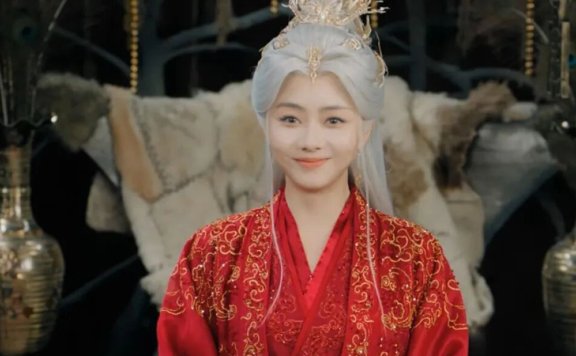
In the sweeping fantasy drama The Unclouded Soul (逍遥), the protagonist makes a journey not through space, but through time. He travels back ten thousand years, arriving not as a mere mortal but as Cang Long (苍龙), the supreme Azure Dragon of the mighty Dragon Clan. He is, by every measure, the apex being of his era, a creature of unimaginable power who views the world from an immortal's detached height. Yet, this god-like entity finds his destiny irreversibly intertwined with that of a human prince named Hong Ye. Their story defies the logical order of power and species, becoming a poignant exploration of love that stubbornly persists across lifetimes. This is not a simple romance, but a profound bond that becomes the central axis around which fate itself turns, challenging the very fabric of history and testing the limits of devotion against impossible odds. The Dragon's Solitude Cang Long exists in a realm of absolute strength. As the pinnacle of the Dragon Clan, the most revered tribe among all Yao Zu (妖族, demon tribes), he faces no equal. His power is solitary and complete. This journey to the past was meant to be an investigation, a mission to uncover… -
The Great Ruler 2 Confirmed to Premiere Jan 9, 2026
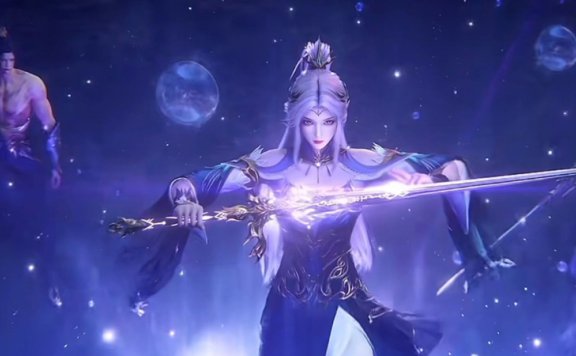
The year 2026 is set to be a landmark moment for animation fans, particularly those who have followed the expansive journey through Tian Can Tu Dou's (天蚕土豆) literary universe. On January 9th, the saga reaches its next pivotal chapter with the premiere of The Great Ruler 2 (大主宰2). This series represents more than just a continuation; it is the grand convergence of a decade-spanning narrative. The story follows young Mu Chen (牧尘) from the Northern Spirit Realm, whose ambition to reach the apex of power is about to intersect with the paths of two established legends. For audiences, this launch promises the thrilling culmination of interconnected stories, where the past and future of an entire fictional cosmos collide. The Announcement Heard Across Realms The official confirmation sent waves of excitement through fan communities. As the final piece of the author's celebrated trilogy, which includes Battle Through the Heavens (斗破苍穹) and Martial Universe (武动乾坤), this installment carries immense weight. The original writer's personal endorsement underscores the project's significance. Mu Chen's return is not a solitary event. He steps onto a stage prepared by the deeds of previous heroes. The vast and intricate Da Qian World (大千世界) unfurls before him, a setting… -
The Outcast 6 Sets Premiere for January 2nd, 2026
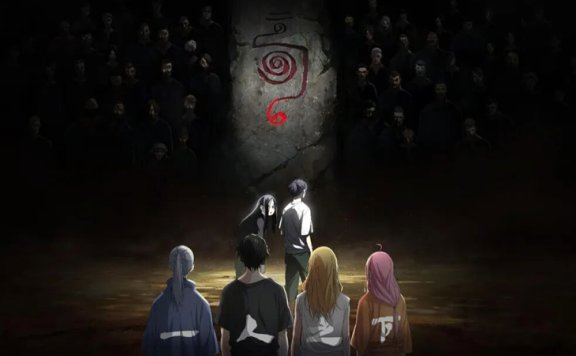
The long-awaited sixth season of the acclaimed animated series The Outcast (一人之下) has finally set its premiere for January 2, 2026. Following the emotionally devastating and technically masterful arcs of the "Chen Duo" and "Rust" storylines, expectations are at an all-time high. The narrative now plunges into its most mysterious and potentially revelatory location yet: the Twenty-Four Solar Terms Valley. Deep within the Qinling Mountains (秦岭), this place is whispered to hold the origins of everything—the Eight Extraordinary Skills, the turmoil of the Jiashen Year (甲申之乱), and, most crucially, the ultimate truth about Bao'er's (宝儿) existence. For protagonist Zhang Chulan (张楚岚), this is no longer a mere search for clues; it is a direct journey to the root of the Yiren (异人) world's greatest secrets. The Heart of the Mystery Zhang Chulan's mission has evolved. After the tragedy of Biyou Village (碧游村), his piecemeal investigation is over. Armed with a list of the "Thirty-Six Villains" from Lu Jin (陆瑾), he leads his "Where-to-Go" team into the Qinling depths. Their destination is not a faction's stronghold but a place described as the "womb" of the Yiren world's history and rules. The valley itself is a massive, natural Qi (气) formation, operating… -
Top 5 Chinese Animations Scheduled for Release in 2026
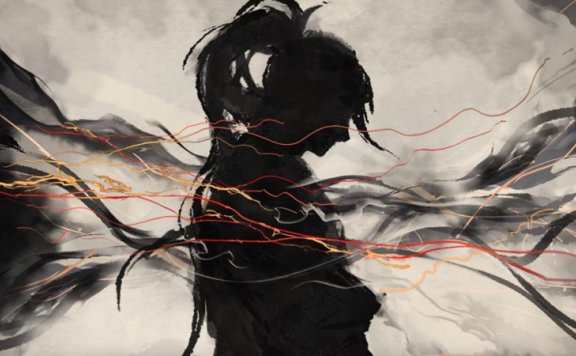
The landscape of entertainment is shifting, with animated series from China commanding unprecedented global attention. No longer niche productions, these shows boast cinematic quality, intricate plots, and deep roots in a rich cultural tapestry. The coming year promises a spectacular lineup, with five major series poised to debut or return. They blend the philosophical depth of Wuxia with futuristic sci-fi and timeless fantasy, offering stories of self-discovery, epic battles, and unraveling ancient mysteries. This isn't just animation; it's a gateway to expansive fictional worlds waiting to be explored. From a long-awaited sequel to a classic game adaptation, 2026 is set to be a landmark year for fans and newcomers alike. 1. Sword of Coming 2 (剑来2) The wait is over for fans of Sword of Coming. Its second season arrives, promising to correct the narrative complexity that some found daunting in its initial outing. The story follows Chen Pingan (陈平安), who has finally left the sheltered confines of Liyuzhu Dongtian (骊珠洞天). No longer the vulnerable boy from Mud Bottle Alley, he embarks on the true journey of a swordsman. This season shifts focus towards thrilling action and clear, linear storytelling. Audiences can anticipate iconic scenes from the source material brought… -
What’s Next for A Mortal's Journey to Immortality in 2026
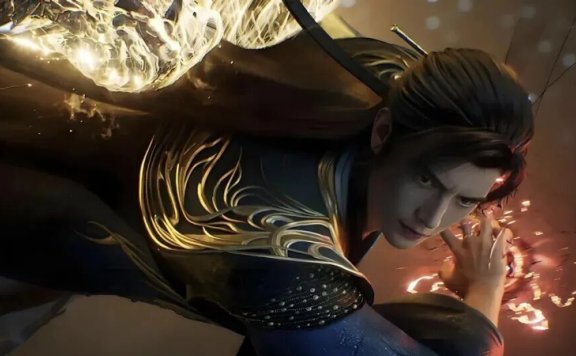
How does a cultivation anime prepare for its most epic battle yet? The finale of A Mortal's Journey (凡人修仙传) left fans in awe and anticipation. In a climactic showdown within the Cangkun (苍坤) ruins, Han Li (韩立) achieved what once seemed impossible for his character: he not only faced a Core Formation expert head-on but emerged victorious, securing crucial treasures and dealing a severe blow to his arch-rival, Wang Chan. This explosive episode, trending across social platforms, served as both a high point and a season curtain call. During a New Year's Eve special, director Wang Yuren (王裕仁) directly addressed the massive fanbase, promising that the beloved series would return soon and hinting at monumental developments ahead. The upcoming 2026 season is poised to catapult the story into its most ambitious phase yet. Two Pillars of War Director Wang Yuren confirmed that the 2026 narrative will rest on two foundational arcs. The first is the long-anticipated large-scale conflict between the Tiannan (天南) region and the vast Mulan (慕兰) Grasslands. This "Border War" promises to be an unprecedented spectacle in the series, involving multiple factions and dozens of Core Formation cultivators in chaotic, large-scale warfare. It is a decisive battle that… -
A Deep Dive into Yao-Chinese Folktales 2’s Ear Dweller
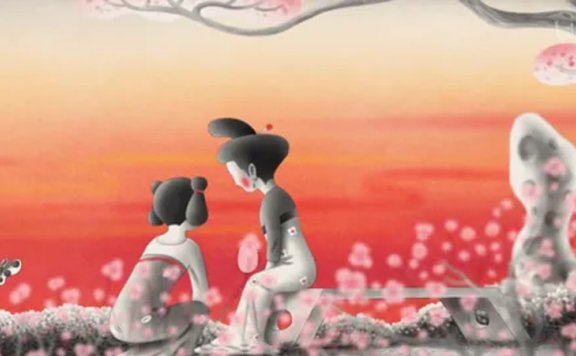
The second episode of the animated anthology Yao-Chinese Folktales 2 (中国奇谭2) , titled "Ear Dweller (耳中人)," presents a puzzle. It is not a straightforward narrative but a dense, visual poem about desire. While its sibling episode "How to Be Three Dragons" deals with communal aspiration, this story turns inward. It asks what happens when a lonely heart fixates on an impossible fantasy. The tale is an adaptation, yet it boldly reimagines its source to probe the darker corners of longing. At its core, it is a portrait of obsession—how it begins as a whisper and grows into a scream that drowns out the real world. A Seed from Strange Tales The story finds its roots in Strange Tales from a Chinese Studio (聊斋志异). The original is brief: a scholar named Tan Jinxuan (谭晋玄), obsessed with Daoyin (导引) breathing exercises, hears a tiny person speaking in his ear. He coaxes it out, only for a neighbor’s interruption to scare it away. The scholar then falls into madness. This classical tale serves as a clear warning against excessive fixation, or what Buddhism calls Wo Zhi (我执), the attachment to self. The animated version takes this seed and plants it in richer, more… -
Top 10 Standout Performances in The Vendetta of An
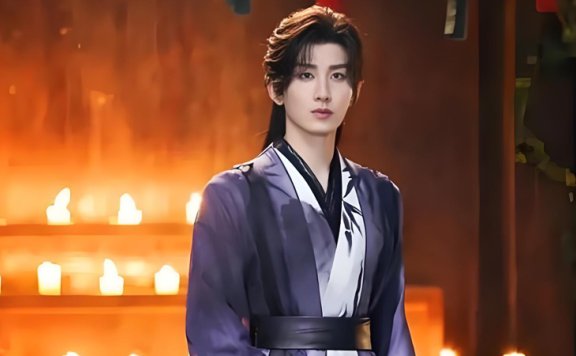
The historical drama The Vendetta of An ( 长安二十四计) offers a distinct flavor. It sidesteps familiar romantic entanglements to focus squarely on intricate political machinations within the ancient capital. Xie Huai'an (谢淮安), once a brilliant scholar, returns after a decade of planning, his hair now white. He navigates a perilous landscape where every alliance is temporary and each glance carries hidden meaning. The narrative cleverly frames these imperial power struggles as a lethal version of corporate office politics, making the stakes both grand and strangely familiar. This series invests deeply in tangible detail. Producers constructed a 400-meter replica of the Zhuque Avenue (朱雀大街). They recreated 136 pieces of ceramic ware based on artifacts from the Famen Temple. Costumes are themselves a language; Xie Huai'an's crimson robe is embroidered with winding lotus patterns, while the emperor's ceremonial headdress meticulously follows historical protocols. Elements like traditional fire-knife crafting and papermaking arts are seamlessly woven into the plot. Beyond its visual craft, the story thrives on constant recalculation. Plots double-cross, and apparent defeats reveal themselves as deeper schemes. A captured ally might be enacting a "bitter hardship ruse". This layered gameplay, echoed by a formidable cast that brings even minor roles to vivid… -
What Did Ancient Chinese Read for Fun?
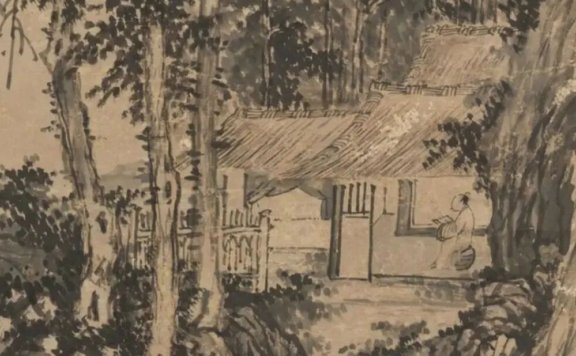
In our digital age, entertainment and casual knowledge are a tap away. For ancient Chinese, leisure reading served a similar purpose: an escape, an education, and a window into worlds beyond one's own. Far from dry classical texts, a vibrant genre of writings existed purely for pleasure and personal enrichment. These works, the "extra-curricular reading" of their day, revealed the humor, curiosity, and sophisticated tastes of people from the Song Dynasty to the Qing Dynasty. They were guidebooks to living well, catalogs of wonder, and repositories of everyday joy, proving that the human desire for engaging diversion is truly timeless. Guides to the Good Life For a Song Dynasty citizen dreaming of the capital's splendor or a Ming scholar curating his studio, specialized manuals offered a path to a richer experience. Dongjing Meng Hua Lu (东京梦华录) was less a history and more a phenomenal guidebook. Written by a nostalgic scholar, it meticulously cataloged the sights, sounds, and smells of the lost capital, Bianliang (汴梁, present-day Kaifeng). It detailed bustling markets, renowned restaurants with price guides, and vibrant festival scenes, offering readers an immersive, textual tour of urban excitement they might never witness firsthand. Centuries later, the Ming Dynasty scholar Wen… -
The Cultural Soul of Chinese Tea
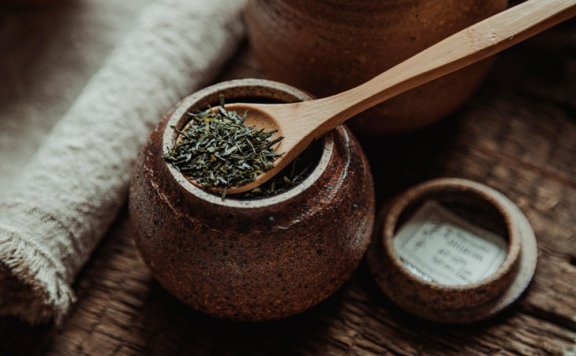
What did an ancient cup of tea truly hold within its delicate steam? Far more than leaves and water, it contained mountains, seasons, and a quiet philosophy of living. For centuries in China, the practice of tea evolved from simple consumption into a profound cultural ritual, a medium through which people connected with nature, art, and their inner selves. This was not merely a drink, but a deliberate and artistic engagement with the world. Tea as Nature's Mirror Every step of tea preparation began with reverence for the natural world. The character of a tea leaf was believed to be shaped by its origin—the intensity of sunlight, the mist clinging to mountain slopes, and the precise rainfall. Lu Yu (陆羽), the celebrated Tea Sage of the Tang Dynasty, codified this connection in his classic work, The Classic of Tea (茶寮记). He categorized water for brewing into three grades, with mountain spring water considered supreme for unlocking a tea's authentic essence. This pursuit of natural harmony extended to the setting. Scholars of the Ming Dynasty, like Lu Shusheng (陆树声), listed twelve ideal environments for drinking tea, including a quiet studio, under pine trees, or by a bamboo-lit moon. The goal was… -
Laughter and Tension in The Unclouded Soul
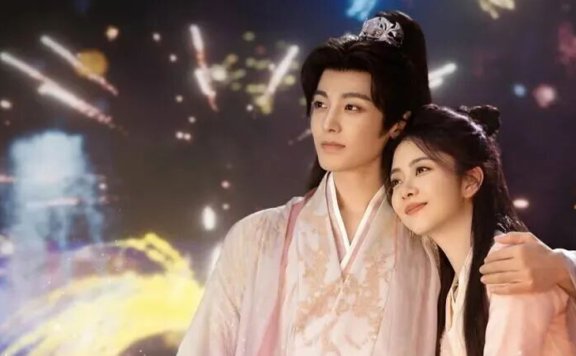
In the fantasy drama The Unclouded Soul (逍遥), the line between comedy and impending doom is thrillingly thin. The story follows Xiao Yao (肖瑶), a spirited young woman accidentally thrust into the ancient conflict between humans and the Yaoguai (妖怪, mystical beings of folklore), mystical beings of folklore. Her unlikely ally is the formidable Yaoguai leader, Hong Ye (红烨). Their dynamic, filled with bickering and unexpected warmth, becomes the show's heart. The recent episode set in Pingjiang Fu (平江府) highlights this perfectly, blending slapstick humor with serious questions about prejudice and survival, all anchored by Tan Songyun's brilliantly witty performance as Xiao Yao. Xiao Yao's Charm Tan Songyun brings an infectious energy to Xiao Yao. She is not a typical heroine; she is quick-witted, stubbornly principled against injustice, and uses her human cunning as her primary weapon. Falsely accused of being a spy within the Yaoguai refuge, her response isn't despair but defiant action. To prove her loyalty, she volunteers for a near-impossible mission: stealing the enchanted blade of the chief demon hunter, Bing Zhu (秉烛). Her motivation is pure and relatable—she hates being wronged. This clear-eyed determination makes her immensely likable. She isn't waiting for rescue; she is orchestrating… -
Glory: Rong Yunshu’s Quiet Power
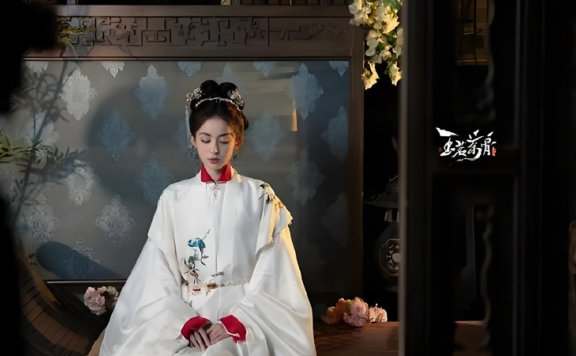
In the bustling world of period dramas, where flamboyant villains and righteous heroes often dominate the screen, a new kind of character is quietly commanding attention. The television series Glory (玉茗茶骨) presents a narrative not of clashing swords, but of simmering tensions and silent strategies, set against the backdrop of a prestigious tea family. While the spotlight initially falls on the charismatic and capable eldest sister, the true narrative power lies in the shadows, with a character whose strength is measured in whispers, not shouts. This story shifts the focus from overt conflict to the profound impact of calculated patience, asking us to reconsider who truly holds power in a room full of voices. The Visible Battle The drama Glory introduces the Rong family, whose fortune and reputation are built on the art of tea. The central figure, Rong Shanbao (荣善宝), is a force of nature. She is decisive, talented, and fiercely protective of her family's legacy, effortlessly navigating business rivals and personal betrayals. Her apparent antagonist is the ambitious second sister, Rong Yunxi (荣筠溪), whose envy and direct challenges create the series' most visible friction. Their conflict is public, passionate, and drives much of the early plot, drawing viewers… -
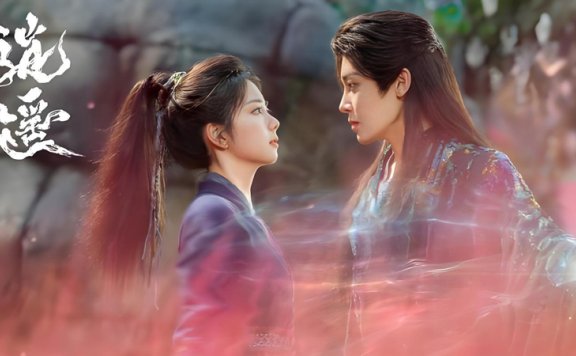
The Unclouded Soul: Blending Fantasy Realms and Human Truths
In the drama The Unclouded Soul (逍遥), a boundary between realms is shattered by a single, unwitting act. Xiao Yao (肖瑶), a young woman touched by the supernatural, accidentally awakens an ancient force and finds herself pulled into the Yaojia (妖家), a domain belonging to beings often called demons. This is not a simple refuge but a complex society mirroring our own, where she must navigate delicate alliances. Her journey questions the very lines drawn between human and Xiyao (戏妖), challenging the idea that one world must exclude the other. The series distinguishes itself by weaving self-contained mysteries into its core fantasy narrative. Each case is more than an adventure; it reflects a facet of desire, fear, or longing, building a tapestry that feels both magical and emotionally raw. This structure allows the show to examine deeper truths while maintaining a compelling pace, moving the fantasy genre toward richer, more contemplative storytelling. Wanyaogu and the Human Realm In a landscape where narratives often choose between the whimsical and the weighty, a new story finds its power in refusing that choice. It builds a bridge between two realms—one a sanctuary of animated wonder, the other a testament to human struggle—and dares… -
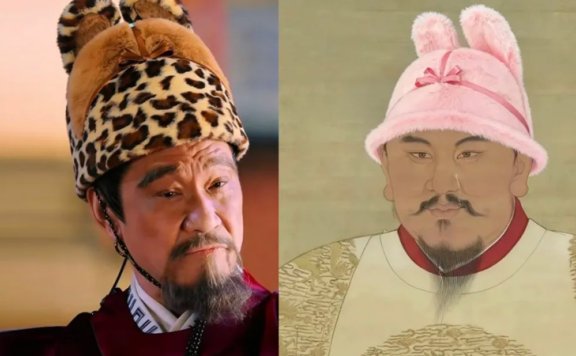
The Curious Case of the Ming Bunny Hat
A simple black hat, once reserved for Ming Dynasty emperors, has hopped from the solemn pages of history into the playful heart of internet culture. Known formally as the Yishan Crown (翼善冠), this piece of royal headwear is now affectionately dubbed the "bunny hat" by netizens and Hanfu enthusiasts. Its journey reveals how a potent symbol of imperial authority can be transformed, through a lens of modern creativity and humor, into a beloved cultural icon. This shift is more than a mere change of name; it represents a fresh, accessible dialogue with the past. A Crown's Evolution The story of this distinctive cap begins long before the Ming Dynasty. Its earliest ancestor is the Futou (幞头), a headscarf worn by men in the Tang Dynasty. Initially a practical cloth for tying up hair, its soft, hanging flaps might remind one of a rabbit's drooping ears. By the Song era, the Futou had stiffened and formalized, most notably in the official's black gauze cap with long, straight wings. When the Ming founder, Zhu Yuanzhang (朱元璋), sought to restore traditional dress codes, he adapted these styles for a new imperial aesthetic. For his officials, he maintained the black gauze cap with horizontal… -
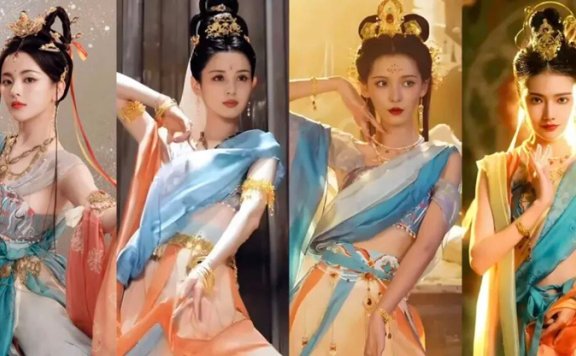
Is That Dunhuang Goddess Outfit Really Hanfu?
Scrolling through social media, you've seen her. The dancer in the flowing, high-waisted skirt and delicate wrap-top, a long silken scarf dancing around her shoulders. She's labeled a "Tang Dynasty style" Hanfu or a "Dunhuang (敦煌) Feitian (飞天)" look. It feels ancient, elegant, and quintessentially Chinese. Yet, within dedicated Hanfu communities, this very image sparks debate. Is this beautiful ensemble truly Hanfu, or is it something else entirely? The answer lies not in its beauty, but in a journey through history, art, and cultural identity. Defining Hanfu To begin, we must understand what Hanfu represents. It is not a single costume but the traditional clothing system of the Han ethnic group. Two core principles define it: a foundation in the historical dress systems developed by Han people, and adherence to verified historical shapes and construction. It is rooted in documented reality, not artistic fantasy. The question, therefore, shifts. We aren't asking if the outfit is beautiful or inspired by Chinese art, but if its lineage is authentically Han. Many assume the "Feitian" style belongs to Hanfu because it evokes the Tang Dynasty, a golden age often associated with classic Chinese aesthetics. It is frequently used in traditional dance, further linking…