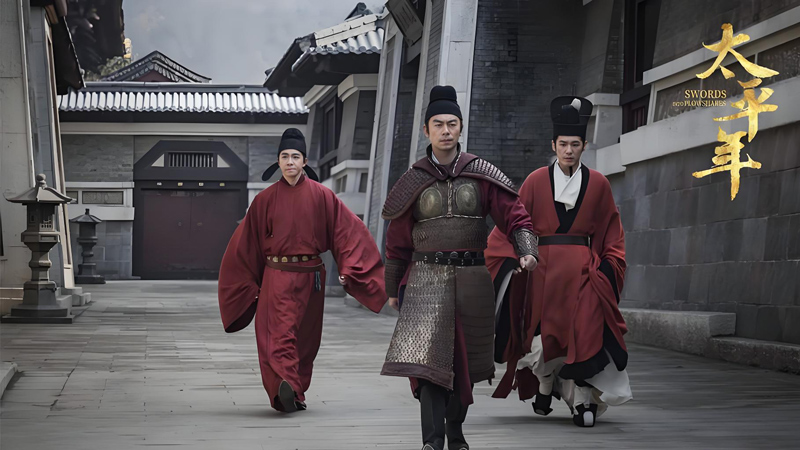
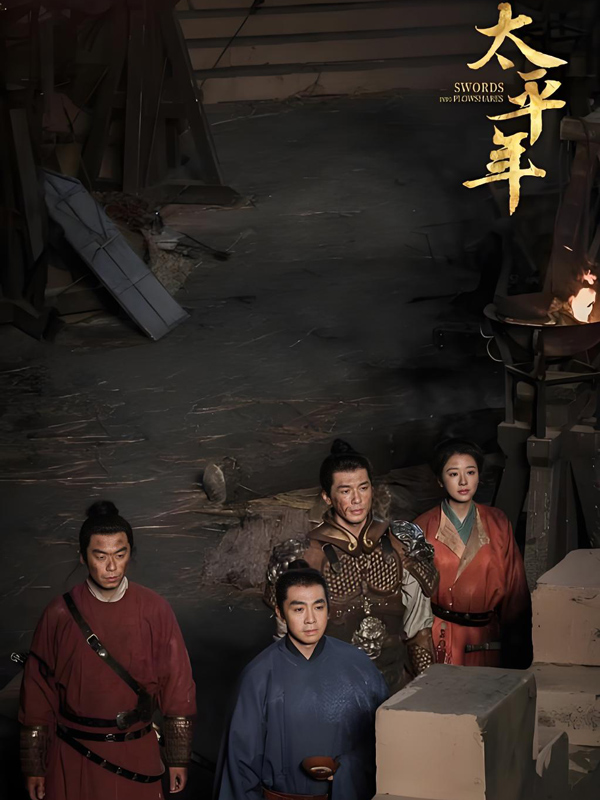
In a time when empires rose and fell like tides, what does a simple wish truly cost? The television drama Swords into Plowshares (太平年) offers a poignant answer, not through grand battles, but in a quiet moment between four souls on a besieged city wall. Set in 946 AD, a year when the Later Jin (晋) dynasty clung to its final days against the Khitan invaders, the series carves its humanity from the intimate spaces between historical upheavals.
The scene is Kaifeng (汴梁), the night is the minor New Year's Eve, and the characters are young men whose names would later define an era: Zhao Kuangyin (赵匡胤), Qian Hongchu (钱弘俶), and the one known as Guo Rong (郭荣). Their shared drink under a cold wartime sky becomes the series' emotional heart, a fragile vessel holding their deepest, most impossible dreams.
A Toast to Longing
The conversation unfolds as a revelation of character. Qian Hongchu speaks of the sea, of legendary creatures and horizons unknown—a wish for boundless freedom. Zhao Kuangyin, the future founder of the So
ng dynasty, declares his ambition for martial glory, to be a great general like the legends of old. Then comes Guo Rong's turn. His wish is devastating in its simplicity. In a world ravaged by four decades of war, where life is cheaper than death, his deepest desire is merely to drink a cup of warm wine in a time of peace. This "peaceful year" is not a geopolitical concept but a profoundly personal one: safety, stability, the simple comfort of an undisturbed moment.
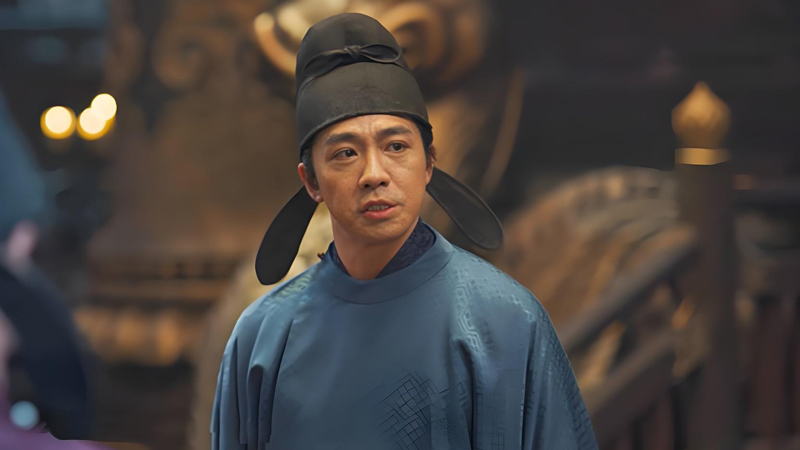
This single line silences his companions. It refracts their grand personal ambitions through the stark lens of collective suffering. Their dreams of adventure and fame suddenly feel distant, even indulgent, against the raw, universal hunger for normalcy. The wine they drink then is bitter, infused with the taste of a shared reality they are powerless to change. The drama uses this intimate exchange to anchor the sprawling historical narrative. The grand tides of dynastic change are always experienced personally, as the theft of ordinary life.
The scene's power is heightened by its historical irony. As the characters note, the sun always rises, even on the most desperate days. But the narrative quickly reveals that dawn does not guarantee deliverance. The Khitan sack the city, the Later Jin falls, and the wheel of chaos keeps turning. The characters scatter into the tumultuous currents of history, their toast on the wall becoming a ghost of a memory, a promise made to a future that may never arrive.
The Burden of the Promise
History, as the drama traces, gives Guo Rong a chance to fulfill his wish, but under a different name. After the rise and fall of the Later Han, his adoptive father Guo Wei establishes the Later Zhou. Guo Rong, now historically known as Chai Rong (柴荣), inherits the throne. The boy who longed for peace becomes the emperor tasked with creating it. He transforms from a dreamer into a formidable actor on history's stage, ruling with a clear, urgent vision: ten years to conquer, ten to nurture, ten to achieve lasting peace.
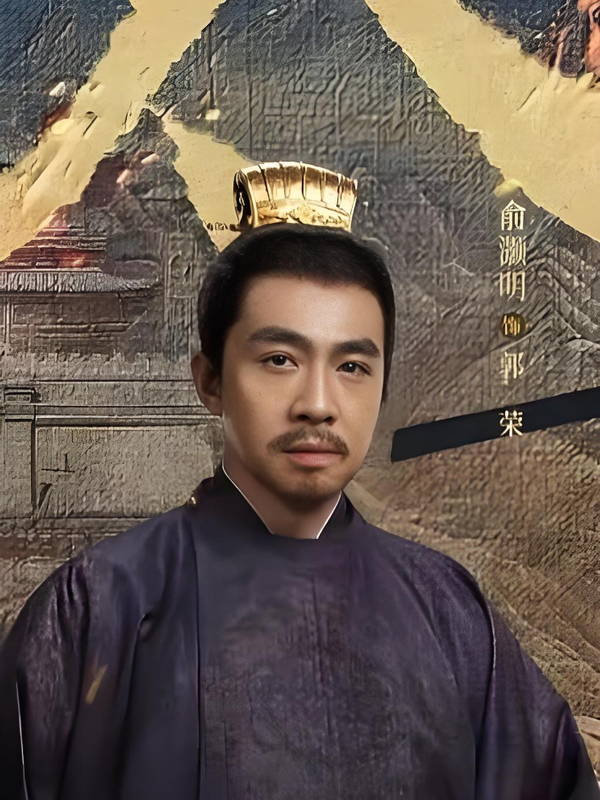
Chai Rong’s reign is a bolt of brilliant, focused energy. He reforms the government, expands the territory, and brings prosperity back to the people. Most significantly, he turns his army north against the powerful Liao dynasty (辽国), winning victories that suggest the lost Sixteen Prefectures (燕云十六州) might be reclaimed. The "peaceful year" is no longer a wistful toast; it is a tangible policy goal within his grasp. The series masterfully connects the personal to the imperial, showing how a leader's deepest private longing can fuel public ambition.
Yet, in a cruel twist of fate, the man who dared to dream of peace is denied the time to enjoy it. At the moment of his greatest military promise, on the campaign trail near Youzhou (幽州) in 959 AD, Chai Rong falls gravely ill and dies. He is thirty-nine. The tragedy is Shakespearean in scale. The emperor who built a foundation for unity, who fought to make his youthful wish a reality for all, never sips that warm wine in a truly peaceful land. His life’s work, though monumental, remains achingly incomplete.
The aftermath is charged with further historical paradox. His young son succeeds him, but within months, his old friend and comrade from the Kaifeng wall, Zhao Kuangyin, seizes power in the Chenqiao Mutiny (陈桥兵变). Zhao establishes the Song dynasty and ultimately achieves the great unification Chai Rong fought for. The land finds a measure of the peace that was yearned for on that lonely wall. But the drama posits a haunting question: was it the same peace? Zhao Kuangyin, perhaps more cautious, never secures the northern borders his friend died trying to reclaim. The "peaceful year" is achieved, yet it is imperfect, carrying the ghost of an unfulfilled, more expansive dream within it.
