-

Top 7 Period Dramas to Watch in Q1 2026
The first quarter of 2026 has proven to be a landmark season for historical dramas, offering an exceptional range of narratives that span forensic mysteries, transmigration deconstructions, weighty political epics, and grounded Wuxia tales. From sleeper-hit sequels that deepened beloved character dynamics to ambitious productions that redefined genre conventions, the landscape showcased a remarkable diversity in both storytelling and production value. These standout series collectively demonstrated that the genre continues to evolve, offering audiences compelling narratives built on intellectual compatibility, moral complexity, and genuine character growth. For viewers seeking a curated selection, here are 7 recommended costume dramas for the first quarter of 2026. The Imperial Coroner 2 (御赐小仵作2) Platform: Tencent Period Background: Fictional Tang Dynasty Genres: Historical, Mystery, Investigation, Romance Main Roles: Wang Ziqi (as Xiao Jingrui), Su Xiaotong (as Chu Chu), Yang Tingdong, Zhao Yaoke, Zhang Chenxiao Adapted from: Madam Constable by Xianxian Yatou (清闲丫头) Plot Deep Dive: The first Imperial Coroner was the quintessential sleeper hit. It debuted with modest expectations in 2021 and became a phenomenon, lauded for its logical forensic mysteries and a respectful, low-key romance. Returning five years later with the original cast, The Imperial Coroner 2 faced the daunting task of satisfying loyal…- 473
- 0
-
Why Zhao Kuangyin Chose White After the Yellow Robe
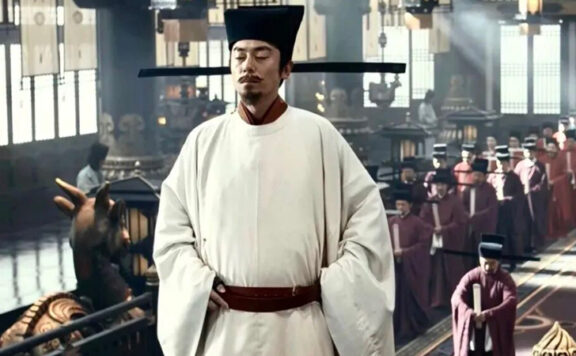
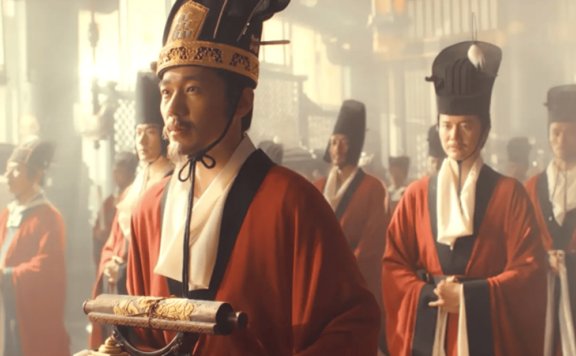
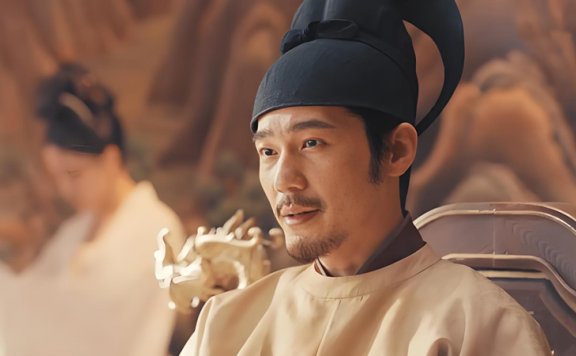
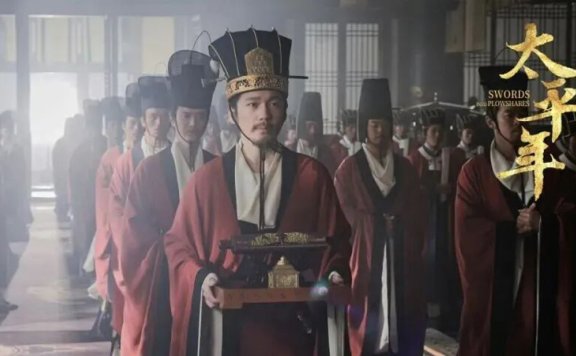
In the historical drama Swords into Plowshares (太平年), a subtle yet striking detail captures the audience's attention. The founding emperor of the Song Dynasty, Zhao Kuangyin (赵匡胤), who famously seized power through the "Mutiny at Chenqiao" and had himself draped in a yellow robe, is rarely seen in the golden hue we associate with imperial power. Instead, after ascending the dragon throne, he frequently appears in simple white attire. This sartorial choice puzzles modern viewers: why would a ruler who won the world through a "yellow robe" abandon it for white? The answer, far from being a matter of random preference, reveals Zhao Kuangyin's political strategy, the foundational aesthetics of the Song Dynasty, and our own historical misconceptions about ancient Chinese imperial fashion. White as a Political Statement of Frugality The most direct reason for Zhao Kuangyin's preference for white was his desire to lead by example and promote the principle of governing with thrift. After the successive wars of the Five Dynasties and Ten Kingdoms period, the Central Plains were economically devastated and the national treasury was depleted. Having witnessed the collapse of previous dynasties due to extravagance, he understood that "success comes from diligence and failure from extravagance."…- 87
- 0
-
Baoji: China’s Ancient Wrapped Hairstyle
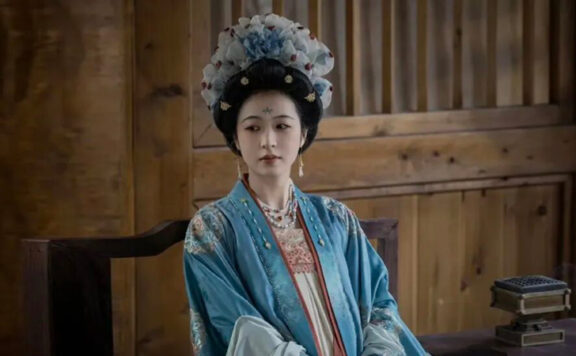
What if a seemingly simple hairdo from a period drama could unlock centuries of fashion secrets? The recent buzz around the costume design in the historical series Swords into Plowshares (太平年) has done just that. Actress Zhou Yutong's (周雨彤) portrayal of Sun Taizhen (孙太真) features a headpiece that sparked a quirky online debate: is that a bath puff on her head? This initial confusion has opened a fascinating window into a traditional Chinese hairstyling technique known as Baoji (包髻), a practice rich with history and surprisingly relevant to modern aesthetics. More Than a Hairdo The eye-catching style worn by Sun Taizhen is not a product of modern fantasy. It is a sophisticated interpretation of Baoji, a method of wrapping the hair with cloth that was particularly prevalent during the Song Dynasty. In its simplest form, a woman would style her hair into a bun and then cover it with a piece of silk, cotton, or gauze. This was not merely about restraint; it was an art form. The wrapping could be shaped to resemble various flowers, a practice that dovetailed with the era's love for fresh blooms, creating a "flower crown" effect on the head. This specific look in Swords…- 70
- 0
-
What Really Happened in the Finale of Swords into Plowshares?
The finale of the historical drama Swords into Plowshares (太平年) has left audiences oscillating between sorrow and astonishment. While the narrative arc concludes with the long-anticipated surrender of Wuyue (吴越) to the Song Dynasty, it masterfully omits certain graphic historical details while weaving in surprisingly creative elements like the origin story of the Hundred Family Surnames (百家姓). This ending is not merely a conclusion but a thoughtful reflection on the costs of unification, the complexity of loyalty, and the quiet heroes who shaped a peaceful era. It moves beyond simple historical reenactment to explore the human motivations behind grand political maneuvers. The Thirty-Year Chess Game: A King's Calculated Surrender The most compelling revelation in the finale is that Qian Hongchu's (钱弘俶) decision to surrender his kingdom was not a last-minute concession but the culmination of a thirty-year master plan. For over three decades ruling Wuyue, he was not just governing; he was meticulously preparing to hand over a prosperous, well-administered region to the Central Plains dynasty. It suggests his foresight extended back to the era of Guo Rong (郭荣), indicating a deep-seated belief that unification was inevitable and that the best way to protect his people was to prepare for…- 307
- 0
-
The Agony of Peace in Swords into Plowshares
For weeks, viewers have been glued to the historical drama Swords into Plowshares (太平年), watching the tense political standoff between the Song Dynasty and the Wuyue Kingdom. As the series barrels toward its finale, all eyes are on Qian Hongchu (钱弘俶), the King of Wuyue (吴越), and his monumental decision to surrender his land and power. But beneath the surface of grand ceremonies and imperial favor, a darker game of ambition and betrayal was being played. The final episodes reveal that the true master of strategy was not the charismatic Emperor Zhao Kuangyin (赵匡胤), but his seemingly loyal brother, Zhao Guangyi (赵光义). His act of holding the reins for Qian Hongchu was not a sign of respect, but a calculated move in a decades-long plan for absolute power. The Impossible Decision: Surrendering a Kingdom Qian Hongchu’s journey toward Natu Guisong (纳土归宋), the act of surrendering his territory to the Song Dynasty, was paved with immense personal and political turmoil. For the King of Wuyue, this was not a simple handover but a heart-wrenching choice between the pride of his ancestors and the safety of his people. He knew that resistance would mean rivers of blood, yet submission felt like a…- 69
- 0
-
Qian Hongchu’s Sacrifice for Wuyue’s Peace
What if peace, not conquest, was the greatest power move in ancient China? The 2026 historical drama Swords into Plowshares (太平年) has captivated audiences by shifting the spotlight from the familiar tales of Song dynasty founder Zhao Kuangyin (赵匡胤) to a seldom-told story of sacrifice. Set in the turbulent final years of the Five Dynasties and Ten Kingdoms period, the series focuses on Qian Hongchu (钱弘俶), the last ruler of the Wuyue (吴越) Kingdom. His agonizing decision to surrender his realm to the burgeoning Song dynasty—a move known as Natu Guisong (纳土归宋)—forms the emotional core of the narrative. This drama does not just reenact battles; it explores a profound question: how does a chaotic world find peace? To truly appreciate the weight of Qian's choice and the turbulent era he inhabited, one must dig into the historical soil. The following books offer a pathway to understanding a period often overshadowed by the dynasties that bookend it, revealing the political savvy, human emotion, and enduring legacy behind the drama's compelling plot. The Man Who Chose to Lose The genius of Swords into Plowshares lies in its perspective. Standard historical narratives of this era glorify the winners, like Zhao Kuangyin, the founder…- 164
- 0
-
Power’s Cruel Price in Swords into Plowshares
What happens when a young king's indecision leads to a coup, and the brother he tried to sacrifice becomes his jailer for 23 years? The Chinese historical drama Swords into Plowshares (太平年) has reached its halfway point, plunging viewers into the turbulent heart of the Ten Kingdoms period. The show masterfully depicts the lethal power struggles within the Wuyue (吴越) kingdom, where family bonds are weapons and thrones are won with blood. At its core is a gripping, real-life tale of two brothers—Qian Hongzong (钱弘倧) and Qian Hongchu (钱弘俶)—whose relationship was shattered by ambition, betrayal, and the cold, hard logic of survival. It’s a story that asks a haunting question: after the main villain dies, why won't the new king free his imprisoned brother? The answer reveals a chilling truth about the nature of power. A King's Fatal Indecision The trouble began not with a villain, but with a young, inexperienced ruler. When King Qian Hongzuo (钱弘佐) died, the throne passed to his brother, Qian Hongzong. The late king had left a clear strategy to manage the kingdom’s most powerful and dangerous figure, the veteran official Hu Jinsi (胡进思). The plan was simple: either kill Hu Jinsi decisively to remove…- 66
- 0
-
Love Hides In Royal Conspiracies in Swords into Plowshares
In the bloodstained chess game of the Wuyue Kingdom (吴越国) court, where power shifts like sand through an hourglass, a young king fights for survival while three women vie for a heart that may belong to none of them. A Throne Forged in Crisis and a Queen's Swift Transformation The crown of Wuyue was never a comfortable seat. First, Qian Hongzuo (钱弘佐) passed away, swiftly followed by Qian Hongzong's (钱弘倧) brief, disastrous reign. Within months, the powerful minister Hu Jinshi (胡进思) deposed him, plunging the court into chaos. It was onto this unstable stage that Qian Hongchu (钱弘俶) stepped, a man seemingly built for the role. Unlike his predecessors, he possessed the sharp intellect and decisive will to bring powerful figures like Hu to heel, quickly stabilizing a kingdom on the brink. This upheaval remade those around him, none more so than his wife, Sun Taizhen (孙太真). The playful, spirited girl who had once roamed the palace vanished. In her place stood a woman of steel and strategy. When Qian Hongchu fell into a mysterious coma, leaving the kingdom vulnerable, Sun Taizhen did not weep. She acted. She sealed the palace gates, severing all communication with the outside world. It…- 70
- 0
-
Feng Dao’s Legacy in Swords into Plowshares
When a wise minister passes from the scene, the delicate balance of an empire often crumbles with him. The historical drama Swords into Plowshares (太平年) uses the death of the legendary counselor Feng Dao (冯道) as its pivotal turning point, forcing viewers to re-examine the fates of two key rulers: Guo Rong (郭荣) and Qian Hongchu (钱弘俶). Feng Dao was more than a politician; he was the anchor of stability across multiple dynasties. His departure left a power vacuum that no military campaign could fill. Without his steadying hand and strategic foresight, the young emperor Guo Rong pushed himself to a fatal end on the battlefield. Meanwhile, in the lush south, King Qian Hongchu of Wuyue (吴越) found himself isolated, his diplomatic flexibility no match for the changing tides of a unified empire. The narrative cleverly suggests that Feng Dao's death was not just the end of a man, but the end of an era—an era where personal loyalty and measured governance might have prevented the brutal conquests and forced surrenders that followed. The show paints a picture of what could have been, highlighting how the absence of a single voice of reason reshaped the destiny of a nation. The…- 120
- 0
-
Distrust Breeds Plots, Wisdom Saves The Realm
In the intricate dance of power, suspicion is often a ruler's most loyal companion, whispering doubts about every friend and every foe. But what happens when this shadow grows so large it blinds a king to the truth, paving the way for a merchant to steal his throne? The historical drama Swords into Plowshares (太平年) plunges into this very dilemma, unraveling a court conspiracy where trust is the rarest currency. It tells the story of Qian Liulang (钱六郎), a newly installed king of the Wuyue (吴越) kingdom, whose deep-seated paranoia becomes the perfect weapon for a scheming businessman. Yet, his near downfall offers a timeless lesson on leadership, contrasting sharply with the historical tragedy of Xiang Yu, a warlord who was not so fortunate. This is a tale of how one clear-headed advisor can dismantle a coup, and how a leader's willingness to listen can mean the difference between survival and collapse. The Lonely Throne and the Merchant's Gamble When Qian Liulang ascended to the throne of Wuyue, he found himself surrounded by ghosts of loyalty rather than living allies. Distrustful of his own brothers and the old nobility who had served his family for generations, he felt utterly isolated.…- 29
- 0
-
6 Women’s Struggles in Swords into Plowshares
What happens to women when empires fall and kings submit? History textbooks rush through the chaos with dates and battle names, rarely pausing to ask: where were the wives, the mothers, the queens? The Chinese television drama Swords into Plowshares (太平年) refuses to look away. It pulls viewers into the turbulent tenth century, when the Five Dynasties and Ten Kingdoms clawed at each other’s throats. At the center stands Wuyue (吴越) King Qian Hongchu (钱弘俶), a man who cooperated with Song Emperor Zhao Kuangyin (赵匡胤) to destroy the Southern Tang. But the show’s real heartbeat belongs to its women. They are not merely ornaments to male ambition. They are pawns, survivors, victims, and, occasionally, victors in a game they never chose to play. Their six very different endings reveal the brutal truth about "peace" won through swords and submission. 1. Madam Yu (俞大娘子) Madam Yu operates on a different level from the desperate noblewomen trapped in palaces. She controls Huanglong Island (黄龙岛), commanding a fleet of warships and trade vessels that would make any warlord envious. Her wealth is not inherited; it is built. She navigates the shifting alliances between Wuyue, the Later Zhou (后周), and the rising Song dynasty…- 112
- 0
-
Why Modern Chinese Men No Longer Grow Beards?
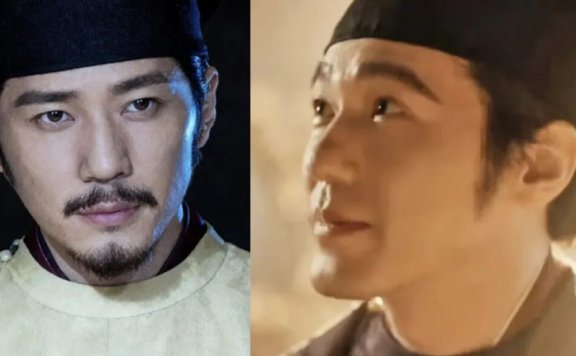
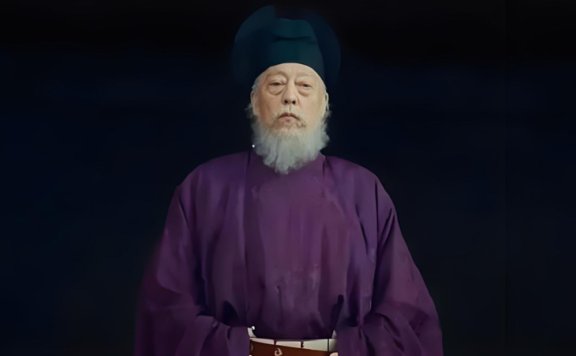
When Qian Chu (钱弘俶) appeared in the new historical drama Swords into Plowshares (太平年) sporting a thick beard, Chinese social media erupted. Viewers noted how the facial hair, paired with traditional Hanfu, transformed the characters appearance, lending an air of authority and maturity that a clean-shaven face simply could not achieve. This sparked a curious debate: why did beards, once an essential marker of manhood for centuries, virtually disappear from the faces of modern Chinese men? To the ancients, a beard was far more than mere hair. It was a symbol of wisdom, a marker of social status, and an integral part of one's identity. Historical records are filled with tales of men who took extraordinary care of their facial hair. The Tang Emperor Taizong (唐太宗) cultivated a curly beard to project an image of unshakeable power. The famous official Cao Cao (曹操) was so protective of his beard that he wrapped it in a silk bag before sleeping. These weren't just eccentricities; they reflected a deep-seated cultural value where a well-kept beard was a source of pride and a visual representation of one's character. Even the great judge Di Renjie (狄仁杰), before facing danger in a duel, would take… -
The Wardrobe Controversy of Swords into Plowshares
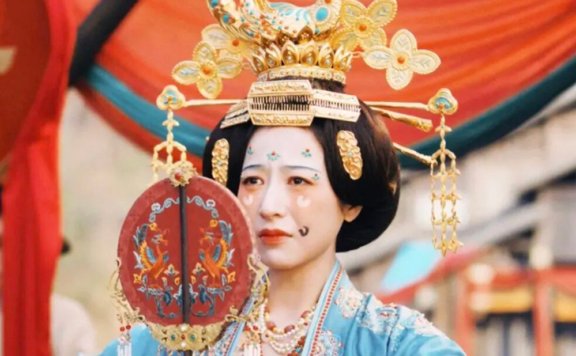
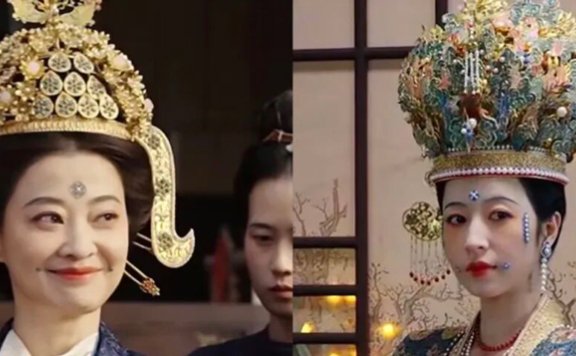
Can a 10th-Century Drama Get 10th-Century Costumes Right? A Look at Swords into Plowshares's (太平年) Wardrobe Controversy Period dramas walk a tightrope between historical authenticity and artistic license, but when a production explicitly promotes itself as a showcase for traditional Chinese clothing, the stakes become much higher. The recent buzz surrounding the drama Swords into Plowshares offers a fascinating case study. Viewers were deeply moved by the wedding scene of characters Jiu Lang (九郎) and Sun Taizhen (孙太真), yet eagle-eyed history enthusiasts quickly spotted a glaring problem: the costumes on display seemed to span three centuries of fashion history. This isn't just a minor quibble for pedants; it gets to the heart of how we represent the past on screen. The scene features Yu Daniangzi (俞大娘子), a figure based on a late Tang dynasty (唐朝) personality, wearing a headpiece popular during the Sui (隋) to early Tang periods, while Sun Taizhen (孙太真) herself is adorned in the style of a mid-to-late Five Dynasties and Ten Kingdoms period donor from the Dunhuang (敦煌) Murals. The visual effect, as one commenter noted, is akin to a relative in 1920s attire congratulating someone dressed in modern fashion. This jarring combination undermines the very…- 70
- 0
-
Swords into Plowshares: The Brainy Historical Epic Worth the Effort
Starting Swords into Plowshares (太平年) feels less like leisure and more like an abrupt dive into a historical labyrinth. It opens with a brutal scene that grabs attention, but soon swaps simplicity for dense, semi-classical dialogue and a whirlwind of political factions. Viewers find themselves in the tumultuous Five Dynasties and Ten Kingdoms, a period so briefly taught that even dedicated students feel lost. This complexity splits audience opinion. On Douban (豆瓣), criticism centers on confusion, while praise highlights intellectual reward. Meanwhile, Xiaohongshu users fervently exchange explanatory notes, treating each episode as a puzzle. Its top-tier ratings, including from CVB, show a curious trend: many embrace the mental exertion. The drama questions modern viewing habits. Instead of passive consumption, it insists on engagement, making its difficulty not a barrier but a distinctive, debated feature of its identity. Patience Rewarded: Chaos Unveils Historical Depth Many television shows try to make viewing easy. The new series Swords into Plowshares does the opposite. It presents a sprawling, complex narrative set in a tumultuous historical period, demanding focus and patience from its audience. This initially daunting approach has divided viewers, but for those who persist, a rich and rewarding story unfolds. The Confusing Opening…- 195
- 0
-
Swords into Plowshares: Qian Hongchu's Art of Power
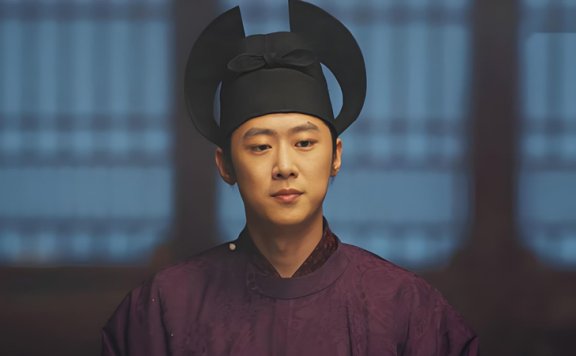
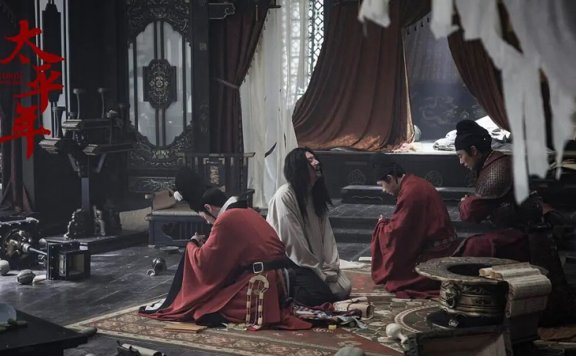
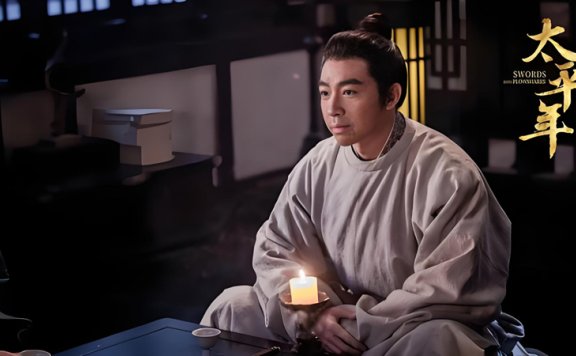
The throne room was silent, the air thick with tension and the metallic scent of blood yet to be spilled. On his very first day as King of Wuyue (吴越), Qian Hongchu (钱弘俶) faced an unthinkable provocation. A minor official, He Chengxun (何承训), paraded into court bearing the severed head of a respected senior statesman, Shuiqiu Zhaoquan (水丘昭券), and his entire family. The audacious claim? He acted on orders from the mighty Regent, Hu Jinsi (胡进思). In that frozen moment, the young king, played with captivating intensity by Bai Yu (白宇) in the historical drama Swords into Plowshares (太平年), made a choice that would redefine his reign and the kingdom's future. He drew a sword and executed the messenger on the spot. This single act of brutal defiance was not mere impulse; it was a masterful political stratagem born of deep conviction, psychological insight, and a startling lack of personal ambition. The Public Execution The strike of the sword was swift and final. Before Hu Jinsi, the militarily powerful regent who had essentially forced the crown upon him, could react, Qian Hongchu ended He Chengxun’s life. The blood sprayed onto the faces of Hu Jinsi and his son, a visceral,…- 133
- 0
-
Swords into Plowshares: Li Sanniang’s Legacy Beyond the Later Han
In the chaotic tapestry of China's Five Dynasties and Ten Kingdoms period, where empires rose and fell with the seasons, one dynasty's story is often overshadowed by its breathtaking brevity. The Later Han dynasty, a mere flash in the pan of history, lasted only four tumultuous years. Yet, within that fleeting moment of power, it housed a love story of such enduring, humble humanity that it would outlast the dynasty itself by centuries. This is not a tale of grand political machinations, but of the people who lived and loved within them. The recent television drama Swords into Plowshares (太平年) has brought this poignant narrative back into the light, focusing not on the emperor's throne, but on the woman who stood beside him: a peasant girl who became an empress, remembered not for her reign, but for her heart. The People's Empress The figure at the center of this story is Empress Li. In historical records and the folk operas that made her famous, she is affectionately called Li Sanniang (李三娘). Her origin story is unlike any other in the annals of Chinese empresses. She was not born into nobility or political alliance. She was a commoner from Jinyang (晋阳),…- 87
- 0
-
Swords into Plowshares: A Brilliant Historical Epic Marred by Flawed Lead Roles
As the flagship historical drama for China Central Television's new year, Swords into Plowshares (太平年) has made a significant impact. Set against the turbulent backdrop of the Five Dynasties and Ten Kingdoms period, it demonstrates a cinematic quality often reserved for film, from its meticulous costume and set design to its sprawling, visceral battle sequences. In an era dominated by short-form content, this series makes a compelling case for the enduring power and depth of long-form television. It ambitiously attempts to weave a complex tapestry of a fractured era, where power shifted like sand and heroes and villains rose and fell with dizzying speed. The narrative successfully creates a palpable, grim atmosphere of instability, using multiple perspectives to explore the brutal mechanics of history and the intricate souls caught within it. The Ensemble's Triumph The drama's greatest strength lies not in its protagonists, but in its richly drawn supporting cast. The chaotic historical period provides fertile ground for vivid portraiture, and the series seizes this opportunity. Even characters with minimal screen time are imbued with startling clarity and memorability. This meticulous casting and performance have led viewers to claim that certain portrayals have "monopolized" the image of these historical figures…- 69
- 0
-
Qian Hongchu’s Masterstroke with Hu Jinsi in Wuyue
The historical drama Swords into Plowshares (太平年), currently airing to popular acclaim, plunges viewers into the turbulent 10th-century court of the Wuyue (吴越) kingdom. Following a dramatic palace coup, the narrative centers on a gripping paradox: the new King, Qian Hongchu (钱弘俶), chooses to spare the very man who orchestrated his rise to power—the formidable and dangerous Grand Marshal, Hu Jinsi (胡进思). This is not a story of weakness, but one of profound political intelligence. By examining Qian Hongchu's refusal to eliminate Hu Jinsi, we uncover the sophisticated strategies required to rule in a volatile era where brute force was often the simplest, yet most disastrous, option. The Reluctant Monarch Qian Hongchu’s character is defined by a temperament starkly different from his predecessor. Where his brother, the deposed Qian Hongzong (钱弘倧), was impulsive and suspicious, Qian Hongchu is measured and pragmatic. His reign is not built on fear but on a consistent reputation for fairness and a deep aversion to unnecessary bloodshed. This inherent disposition forms the first layer of his decision. He understood that killing Hu Jinsi would be seen as an act of vengeance, potentially destabilizing his legitimacy so soon after a contested succession. His prior executions targeted…- 123
- 0
-
Guo Wei Chose 4 Widows Over Imperial Convention
In the chaotic final years of the Five Dynasties period, a most unlikely emperor rose to power. Guo Wei (郭威), founder of the Later Zhou (后周) dynasty, carved out a realm of relative stability praised by historians. Yet his personal life was a tapestry of profound tragedy and unconventional choices. While other rulers sought virginal consorts from noble families, his heart consistently turned to widows and remarried women. Each of his four wives came to him having loved and lost before, their lives intertwined with the era's violence. This preference, startling for its time, reveals a man shaped more by personal connection and shared hardship than by imperial convention or political calculation. His story, dramatized in the series Swords into Plowshares (太平年), is not one of glorious conquest, but of a man who built a kingdom only to watch everyone he loved perish before him. 1. Chai Shi (柴氏) Before the crown, there was Chai Shi. She was no young maiden but a former attendant in the palace of a previous emperor, released and returning home when she crossed paths with a common soldier named Guo Wei. Recognizing his potential where others saw only a rough military man nicknamed "Sparrow…- 104
- 0
-
Why Hu Jinsi Served Qian Hongchu but Deposed Qilang in Swords into Plowshares
In the swirling political currents of the tenth-century Wuyue (吴越) Kingdom, depicted in the historical drama Swords into Plowshares (太平年), a minister's loyalty becomes the ultimate test of a ruler's worth. The narrative pivots on a stark contradiction: the powerful minister Hu Jinsi (胡进思) shows utter contempt for one young king, publicly humiliating and ultimately deposing him, yet willingly kneels in submission to another. This is not a simple story of ambition, but a pointed examination of what separates a failed monarch from a successful one. The answer, buried within court intrigues and personal clashes, boils down to a fundamental trait often overlooked in the pursuit of power. Qilang's (七郎) Fatal Flaws From the moment he ascended after his brother's death, the king known as Qilang operated from a place of deep insecurity. He saw Hu Jinsi, a seasoned minister who had served previous rulers, not as a potential ally but as a direct threat to his authority. His first act was to exclude Hu from critical deathbed deliberations, a clear signal of distrust that resonated through the court. Qilang's perception created its own reality; by treating Hu as an enemy, he ensured the minister would act as one. His…- 205
- 0
-
Tang-Song Crowns Collide in Swords into Plowshares
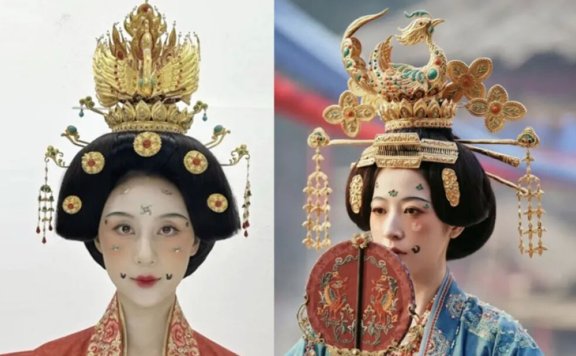
Why do two very different historical crowns keep appearing in the same Chinese dramas? In the recent series Swords into Plowshares (太平年), eagle-eyed viewers noticed the simultaneous presence of two distinct, ornate headdresses for noblewomen. While both are stunning, they hail from different centuries, raising questions about historical timelines and costume design choices in period television. This isn't an isolated case; these crowns have become frequent guests in shows spanning various dynastic settings, from Tang to Song. Their recurring appearance offers a fascinating glimpse into how Chinese television visualizes the past, often prioritizing visual grandeur over strict chronological accuracy. Understanding their real-world origins reveals a rich history of ritual, status, and aesthetic evolution. The Blossoming Headdress The first type, the Flower Hairpin Crown, finds its roots in the Sui and Tang dynasties. It was a formal headdress for noblewomen and high-ranking female officials. This crown is not a single solid piece but a sophisticated assembly. Its core components include a base frame, wing-like Bobin (博鬓) that frame the face, delicate gold floral diadems, and numerous hairpins and "flower trees" adorned with gems and pearls. The number of these floral elements was strictly regulated to indicate the wearer's rank, with an…- 57
- 0
-
How Swords into Plowshares Gets Traditional Headdress Right
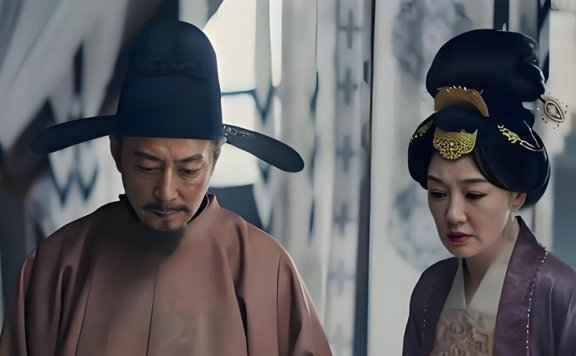
In the historical drama Swords into Plowshares (太平年), viewers were treated to a visual feast of intricate costumes. One detail, in particular, has sparked curiosity: the majestic bird crowns worn by characters He Zhen (贺贞) and Sun Taizhen (孙太真) during their wedding scenes. While both headpieces are stunning, their orientation differs. He Zhen's crown sits perfectly straight and forward-facing, while Sun Taizhen's appears to be worn at a slight angle. This isn't a random stylistic choice or an error, but a deliberate nod to historical accuracy and the deep-seated principles of traditional Chinese adornment. This distinction opens a window into the forgotten rules governing ceremonial dress, where every element carried weight far beyond mere decoration. The Problem with Props The design of these crowns finds its primary inspiration in donor portraits from the Five Dynasties period. A common issue in modern costume design arises when referencing these historical sources. The original portraits often depict figures in profile, making their elaborate headdresses appear sideways due to perspective. Many contemporary designers, however, misinterpret this visual effect and create crowns intended to be worn at an angle. This is a fundamental misunderstanding. The standard and historically correct method was to wear such significant…- 94
- 0
-
Did a TV Drama Just Show Ancient Underwear as Outerwear?
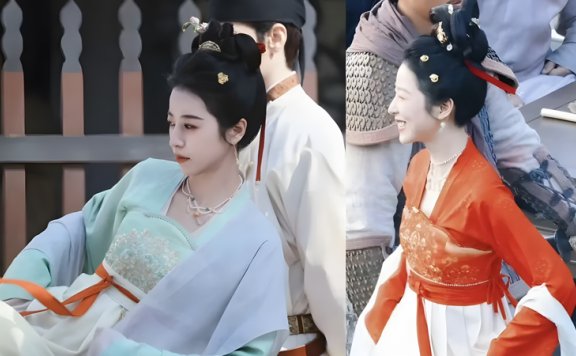
A recent period drama has sparked a lively online debate not about its plot, but about a character's wardrobe. In the television series Swords into Plowshares (太平年), the actress Zhou Yutong (周雨彤), who portrays the character Sun Taizhen (孙太真), appears in several stunning outfits that have left viewers puzzled. The garments feature what looks like a structured, bustier-style top worn over a flowing skirt, leading many to wonder: is this a case of ancient "underwear as outerwear"? The style feels surprisingly modern, reminiscent of contemporary tube or bandeau dresses, yet it is presented as historical costume. This visual anachronism has ignited curiosity about the origins and accuracy of this particular fashion choice within the drama's claimed historical setting. Historical Roots The costume in question is what many in modern traditional clothing circles call a Hezi skirt (诃子裙). However, its status within the spectrum of Hanfu is contentious. A primary reason is the lack of archeological evidence; no physical example of this specific garment has been unearthed. References to a "Hezi" exist in historical texts, but not as a compound term for an entire skirt. The most famous visual association comes from the Tang dynasty painting Court Ladies Adorning Their Hair…- 59
- 0
-
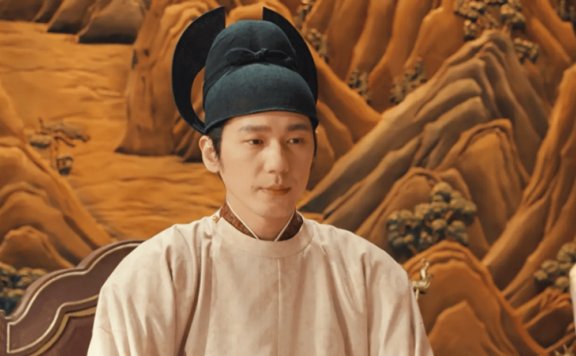
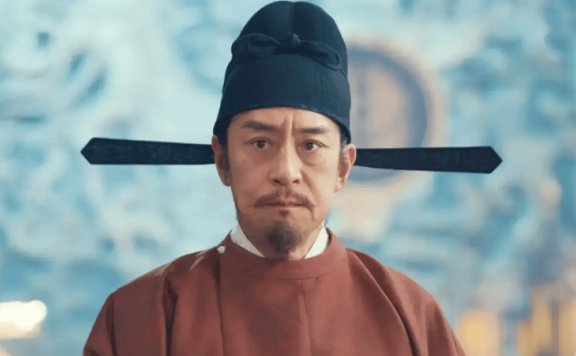
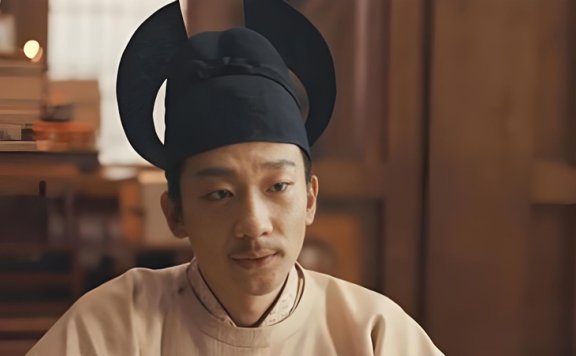
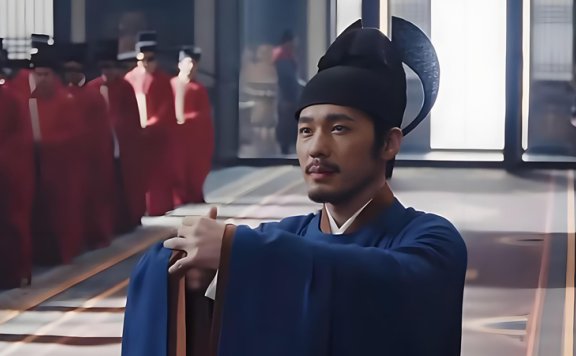
10 Standout Actors Who Shine in Swords into Plowshares
Historical dramas often live or die by the strength of their performances. When the backdrop is a chaotic period like the Five Dynasties and Ten Kingdoms, the task for an actor becomes not just to portray a person, but to embody an entire philosophy of survival. The series Swords into Plowshares (太平年) offers a masterclass in this regard, presenting characters who navigate treacherous political waters with a subtlety that demands equally nuanced acting. The most compelling figures are not those who shout the loudest, but those whose power resides in a glance, a hesitation, or a calculated silence. Dong Yong (董勇): The Still Center of the Storm As the legendary minister Feng Dao (冯道), whose service spanned four dynasties, Dong Yong delivers what may be the series' definitive performance. His achievement lies in conveying immense political weight through profound restraint. Feng Dao is a man for whom every word and gesture is a carefully weighed transaction. In one early scene, as the emperor prepares to reprimand a general, Feng Dao clears his throat. It is a simple, bodily sound, yet in Dong Yong’s execution, it becomes a full statement. The glance that accompanies it holds warning, counsel, and an inscrutable…- 166
- 0
Swords into Plowshares
Scan to open current page
-
$CouponsLimitation of use:Expired and UnavailableLimitation of use:
before
Limitation of use:Permanently validCoupon ID:×Available for the following products: Available for the following products categories: Unrestricted use:Available for all products and product types