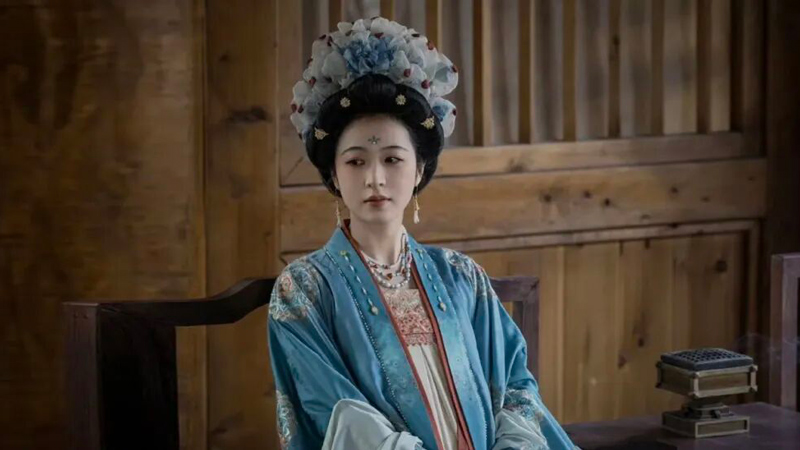
What if a seemingly simple hairdo from a period drama could unlock centuries of fashion secrets? The recent buzz around the costume design in the historical series Swords into Plowshares (太平年) has done just that. Actress Zhou Yutong's (周雨彤) portrayal of Sun Taizhen (孙太真) features a headpiece that sparked a quirky online debate: is that a bath puff on her head? This initial confusion has opened a fascinating window into a traditional Chinese hairstyling technique known as Baoji (包髻), a practice rich with history and surprisingly relevant to modern aesthetics.
More Than a Hairdo
The eye-catching style worn by Sun Taizhen is not a product of modern fantasy. It is a sophisticated interpretation of Baoji, a method of wrapping the hair with cloth that was particularly prevalent during the Song Dynasty. In its simplest form, a woman would style her hair into a bun and then cover it with a piece of silk, cotton, or gauze. This was not merely about restraint; it was an art form.
The wrapping could be shaped to resemble various flowers, a practice that dovetailed with the era's love for fresh blooms, creating a "flower crown" effect on the head. This specific look in Swords into Plowshares cleverly combines the foundational technique of Baoji with the ornate floral shapes reminiscent of the Tang Dynasty, creating a visual bridge between two golden ages of Chinese culture.
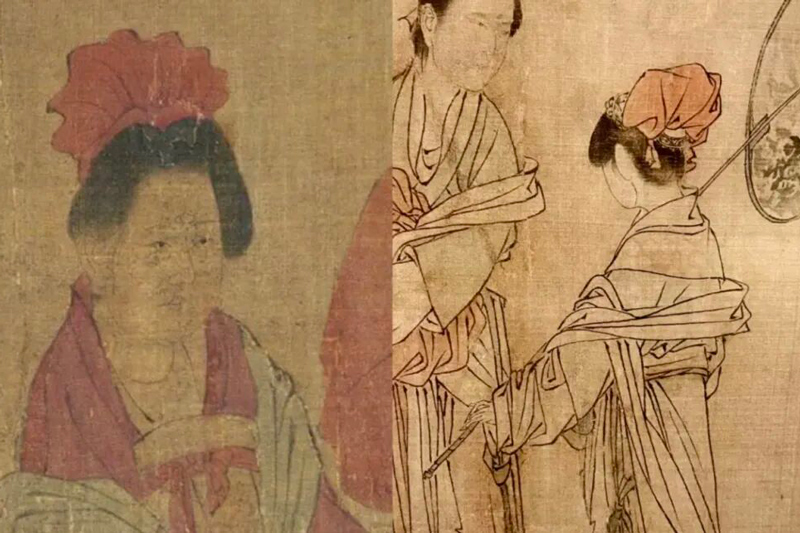
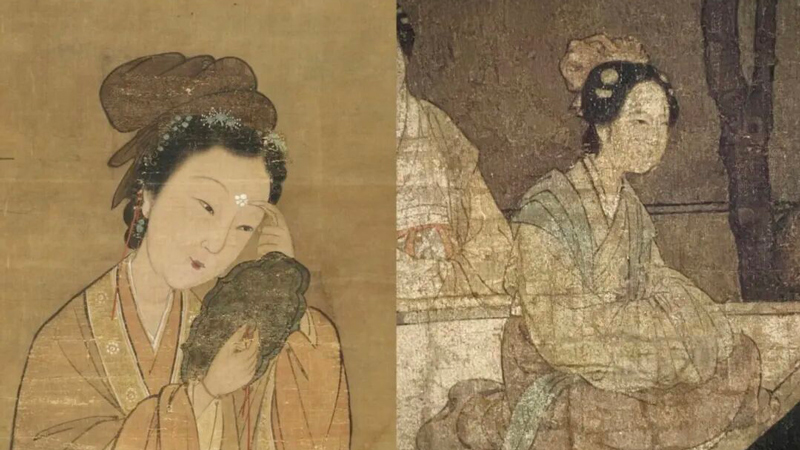
Historical paintings from the Tang era frequently depict women with their elaborate buns wrapped, leaving the forehead and temples softly framed by natural hair. It was a look of understated elegance. As society moved into the Song Dynasty, which favored a more refined and simplified aesthetic, Baoji became even more widespread. The technique was a versatile canvas for personal expression. A woman could then adorn the wrapped bun with fresh flowers, delicate hairpins, or even imitation flowers made from materials like Tongcao (通草), or silk. This added a layer of intricate detail and personal flair, ensuring her hairstyle was a unique reflection of her taste and status.
Common Cloth to Imperial Silk
The beauty of Baoji lay in its democratic nature. The materials used were a direct reflection of a woman's life and resources. A farmer's wife might use a simple, coarse piece of hemp cloth to wrap her hair, practical and functional for a day's work. With the widespread cultivation of cotton, it too became a common, comfortable choice for everyday wear. The wealthy, however, transformed Baoji into a display of affluence. They would use luxurious materials like brocade, fine silk, and delicate gauze. The choice even changed with the seasons: thicker fabrics for winter's chill and lighter, more breathable materials like Sha (纱) for the summer heat.
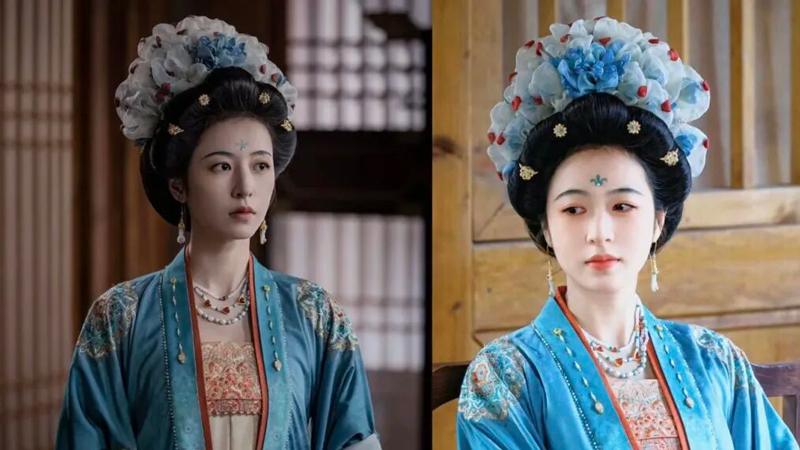
This versatility is captured in writings from the time. Ye Mengzhu (叶梦珠), in his book Yue Shi Bian (阅世编), describes the evolution of head wrappings, noting the different materials used across dynasties. From a distance, the light, airy gauze favored by wealthier women might indeed have a vaguely similar silhouette to a modern bath sponge, as some netizens humorously observed.
However, upon closer inspection, the quality, drape, and texture of the historical silk would be in a completely different league. The comparison, while amusing, highlights how a modern audience interprets historical details through a contemporary lens, proving that even ancient fashion can find a point of reference in our daily lives.
A Legacy Woven into Modern Style
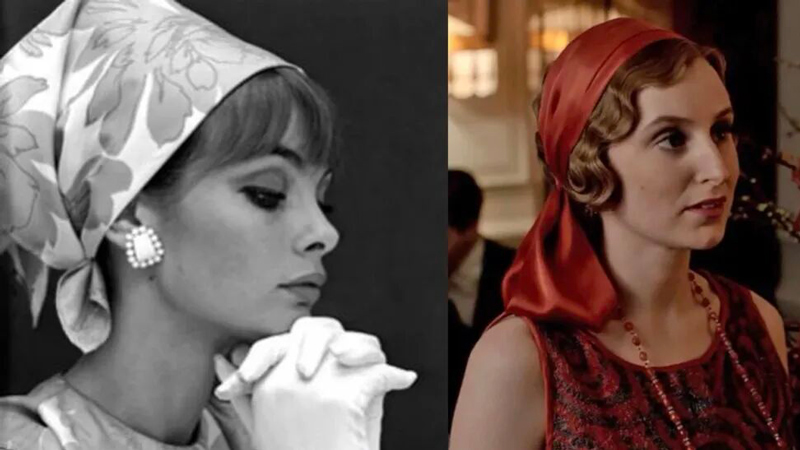
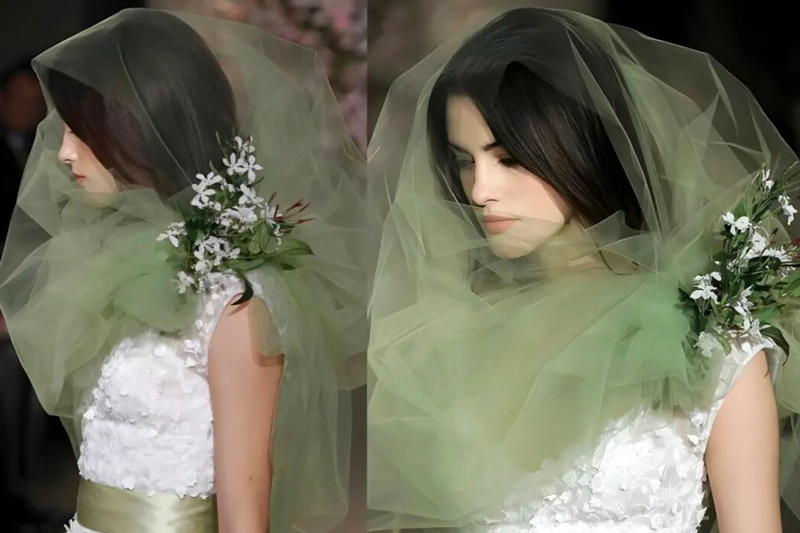
The echoes of Baoji are not confined to museum halls or historical dramas. Its principles have subtly permeated modern fashion, demonstrating the enduring power of classical aesthetics. The modern headwrap or turban, seen on city streets and high-fashion runways alike, shares a common ancestor with this ancient Chinese practice. The core idea remains the same: using fabric to sculpt, adorn, and elevate the head as a focal point of style. While the techniques have been streamlined for modern convenience, the visual dialogue between past and present is unmistakable.
This connection is why the costume in Swords into Plowshares resonates so strongly. It is not just a historically accurate piece; it feels fresh and relevant. The airy, ethereal quality of the gauze used in Sun Taizhen's Baoji adds a layer of grace that transcends time. It shows that the principles of texture, form, and adornment are timeless. The Tang dynasty's love for opulent, flower-like crowns and the Song dynasty's refined wrapping techniques have found a new voice, proving that the aesthetic wisdom of our ancestors can still inspire and captivate, offering endless creative possibilities for both historical storytelling and contemporary design.