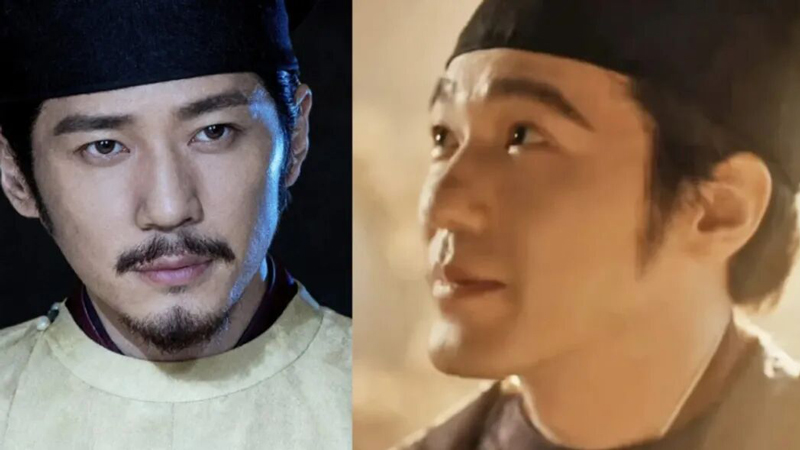
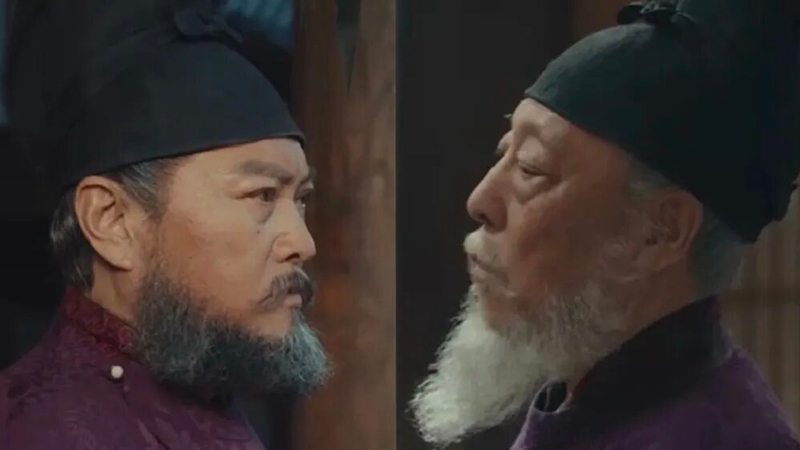
When Qian Chu (钱弘俶) appeared in the new historical drama Swords into Plowshares (太平年) sporting a thick beard, Chinese social media erupted. Viewers noted how the facial hair, paired with traditional Hanfu, transformed the characters appearance, lending an air of authority and maturity that a clean-shaven face simply could not achieve. This sparked a curious debate: why did beards, once an essential marker of manhood for centuries, virtually disappear from the faces of modern Chinese men?
To the ancients, a beard was far more than mere hair. It was a symbol of wisdom, a marker of social status, and an integral part of one’s identity. Historical records are filled with tales of men who took extraordinary care of their facial hair. The Tang Emperor Taizong (唐太宗) cultivated a curly beard to project an image of unshakeable power.
The famous official Cao Cao (曹操) was so protective of his beard that he wrapped it in a silk bag before sleeping. These weren’t just eccentricities; they reflected a deep-seated cultural value where a well-kept beard was a source of pride and a visual representation of one’s character. Even the great judge Di Renjie (狄仁杰), before facing danger in a duel, would take a moment to carefully groom his whiskers, highlighting the ritualistic importance placed on this daily practice.
Status Symbol to Daily Burden
The reverence for beards was woven into the fabric of daily life. From the scholarly pursuit of a few elegant strands to the full, bushy beards admired by generals, facial hair was cultivated with intention. Poets like Liu Yuxi (刘禹锡) even wrote about dyeing their beards to appear younger, treating it as a form of personal grooming and fashion. Specialized tools, such as small ivory combs, were carried by officials not just for practicality but as a mark of their refined status. The longer and more lustrous the beard, the greater the implied wisdom and experience of the man who wore it.
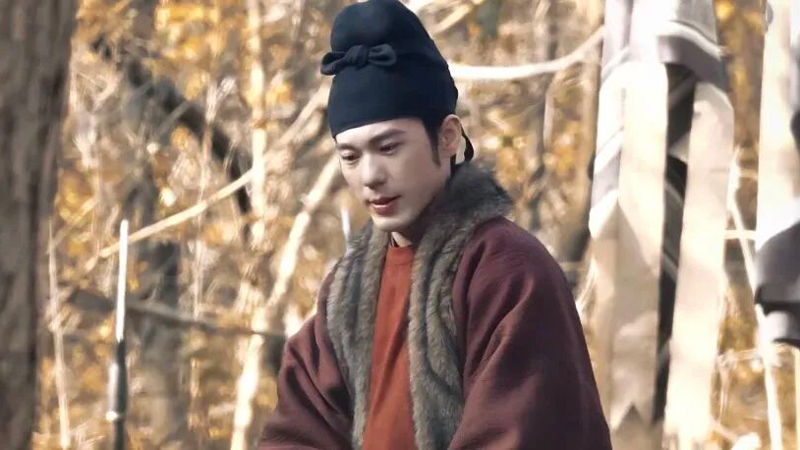
This tradition, however, began to fray at the edges in the modern era. The 20th century brought seismic shifts in Chinese society. The May Fourth Movement and the push for modernization saw young intellectuals shave their beards and cut their queues as a symbolic rejection of the old, feudal order. A clean-shaven face became associated with progress, enlightenment, and a break from the past. This ideological shift laid the groundwork for the aesthetic preferences that dominate today, where a smooth face is often linked with hygiene, professionalism, and a modern outlook.
Modern Life, Modern Faces
Today’s fast-paced urban lifestyle leaves little room for the kind of meticulous beard care our ancestors practiced. In a world of demanding jobs and long commutes, convenience reigns supreme. Reaching for a razor in the morning shower is quick and efficient, fitting seamlessly into a modern routine. The idea of using specialized oils, combs, and techniques to maintain a full beard seems anachronistic and time-consuming to most. The effort required to keep facial hair looking intentional rather than unkempt simply doesn’t align with the values of speed and simplicity that define contemporary life.
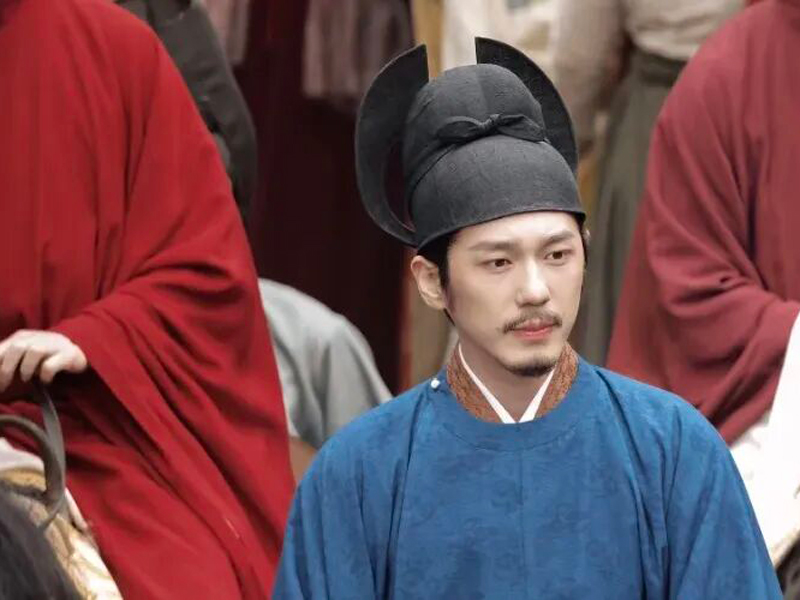
Furthermore, social and professional norms have overwhelmingly shifted towards a preference for cleanliness. In most corporate environments, a clean-shaven face is considered the standard of professionalism. Beards, unless very short and neatly trimmed, can be unfairly perceived as a sign of dishevelment or a lack of attention to detail. This perception extends to social interactions, where first impressions are often tied to a look of polished neatness. While a well-groomed beard can be a stylish choice, it remains a conscious decision against the grain of mainstream expectation, rather than the default symbol of manhood it once was. The beard has simply been replaced by other markers of identity and status in the modern world.