Can a 10th-Century Drama Get 10th-Century Costumes Right? A Look at Swords into Plowshares‘s (太平年) Wardrobe Controversy
Period dramas walk a tightrope between historical authenticity and artistic license, but when a production explicitly promotes itself as a showcase for traditional Chinese clothing, the stakes become much higher. The recent buzz surrounding the drama Swords into Plowshares offers a fascinating case study. Viewers were deeply moved by the wedding scene of characters Jiu Lang (九郎) and Sun Taizhen (孙太真), yet eagle-eyed history enthusiasts quickly spotted a glaring problem: the costumes on display seemed to span three centuries of fashion history. This isn’t just a minor quibble for pedants; it gets to the heart of how we represent the past on screen.
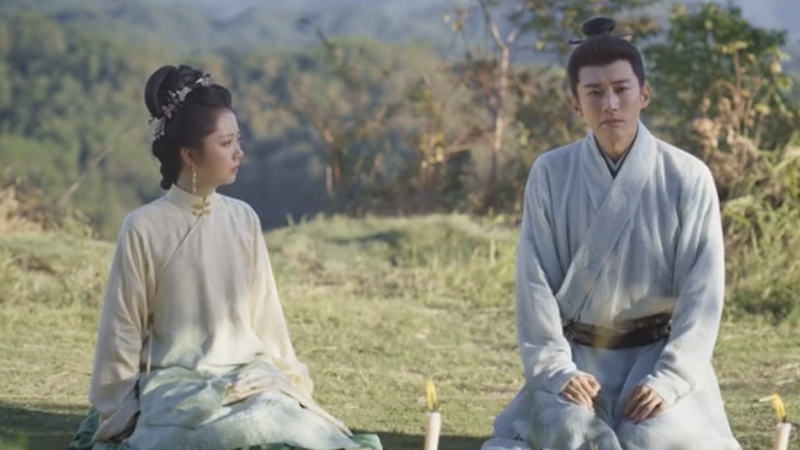
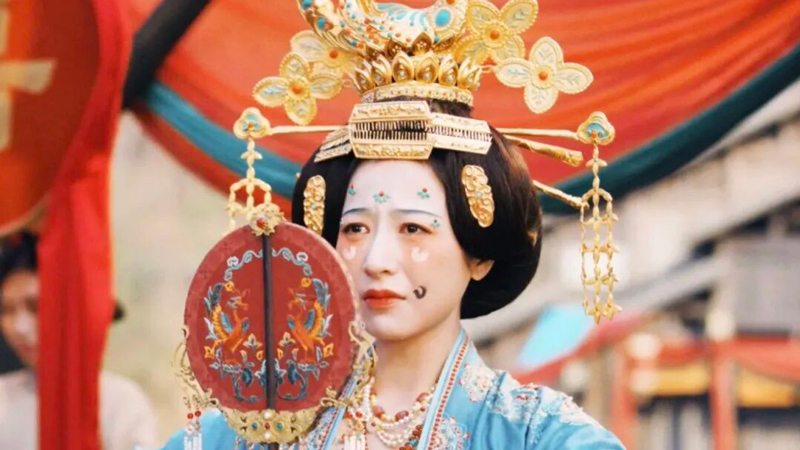
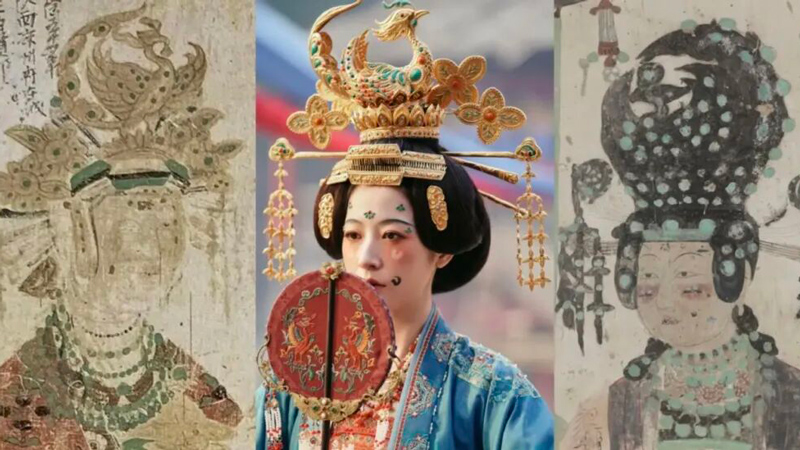
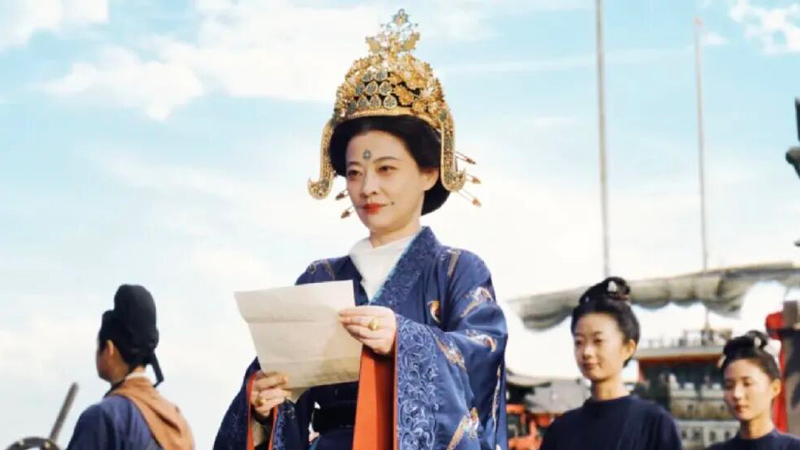
The scene features Yu Daniangzi (俞大娘子), a figure based on a late Tang dynasty (唐朝) personality, wearing a headpiece popular during the Sui (隋) to early Tang periods, while Sun Taizhen (孙太真) herself is adorned in the style of a mid-to-late Five Dynasties and Ten Kingdoms period donor from the Dunhuang (敦煌) Murals. The visual effect, as one commenter noted, is akin to a relative in 1920s attire congratulating someone dressed in modern fashion. This jarring combination undermines the very cultural education the show aims to provide.
The Ghosts of Fashion Past and Future
The specific anachronisms in the wedding scene are particularly striking because they are so easily identifiable. Yu Daniangzi’s crown belongs to a fashion wave from roughly three hundred years before the drama’s setting. It’s as if a film set in the 1990s featured a character in a powdered wig from the 1690s. Meanwhile, Sun Taizhen’s ensemble borrows heavily from Northern Song dynasty (北宋) customs that wouldn’t be codified for another two centuries. Her phoenix crown and formal robes are directly inspired by the rigid sumptuary laws established under Emperor Huizong of the Song (宋徽宗) dynasty.
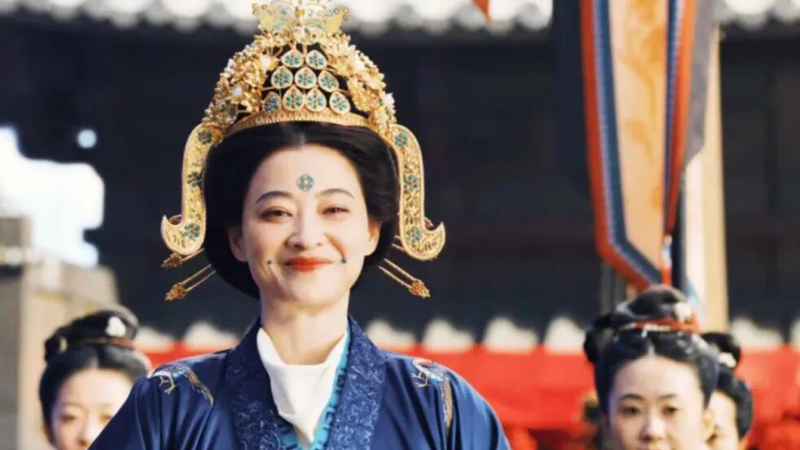
Historical records like the Zhenghe New Rituals (政和五礼新仪) from 1113 AD detail the specific “Nine Dragons and Four Phoenixes” crown for empresses, a style that simply did not exist in the Five Dynasties period. It would be like seeing a television set in a Victorian-era drama. While the individual pieces might be beautiful, their combination creates a historical salad where nothing makes chronological sense. The show also features the formal court robes of the Tang dynasty in a Five Dynasties context, ignoring the unique developments of the intervening decades.
The Devil in the Details
The issues extend beyond grand gowns to more subtle elements like headwear. The male characters in Swords into Plowshares predominantly wear the Fu Tou (幞头), a type of headwrap. However, the style they use is largely that of the High Tang period, characterized by soft, drooping wings. By the late Tang and into the Five Dynasties period, this headgear had evolved significantly. It became more rigid, its shape squarer, and its wings began to stiffen and extend, paving the way for the iconic look of the Northern Song dynasty.
Using the softer, earlier style across the board ignores this clear evolutionary line. A popular anecdote even credits Emperor Taizu of Song (宋太祖), Zhao Kuangyin (赵匡胤), with inventing the long, straight-winged Fu Tou to prevent whispering at court. While a fun story, its source is a notoriously unreliable Song dynasty text, Xishang Futan (席上腐谈), which scholars have long criticized for its baseless conjectures. Relying on such folk tales rather than established archaeological and historical evidence only adds to the confusion.
A Serendipitous Spark for Deeper Dialogue
Despite its flaws, the controversy surrounding the show’s wardrobe isn’t entirely negative. It has inadvertently ignited a public conversation about the nuances of Chinese clothing history. Many viewers, intrigued by the debate, have sought out information about authentic Five Dynasties aesthetics, discovering the rich visual culture preserved in cave murals and surviving figurines. The drama did succeed in some areas, with its makeup and styling occasionally drawing accurately from these very sources. This demonstrates a clear capability for research within the production team.
The debate highlights a fundamental tension in historical filmmaking: the balance between serving a story and serving history. For a viewer seeking pure entertainment, a perfect recreation might seem unnecessary. But for a drama that champions its commitment to traditional culture, these are not minor errors; they are fundamental misrepresentations. This situation offers a valuable opportunity for production houses to understand that true reverence for heritage lies in the details. It reminds us that while a drama is not a documentary, its creative choices can either illuminate the past or cast a long, confusing shadow over it, and hopefully, future productions will learn to tell the difference.