In the chaotic tapestry of China's Five Dynasties and Ten Kingdoms period, where empires rose and fell with the seasons, one dynasty's story is often overshadowed by its breathtaking brevity. The Later Han dynasty, a mere flash in the pan of history, lasted only four tumultuous years.
Yet, within that fleeting moment of power, it housed a love story of such enduring, humble humanity that it would outlast the dynasty itself by centuries. This is not a tale of grand political machinations, but of the people who lived and loved within them. The recent television drama Swords into Plowshares (太平年) has brought this poignant narrative back into the light, focusing not on the emperor's throne, but on the woman who stood beside him: a peasant girl who became an empress, remembered not for her reign, but for her heart.
The People's Empress
The figure at the center of this story is Empress Li. In historical records and the folk operas that made her famous, she is affectionately called Li Sanniang (李三娘). Her origin story is unlike any other in the annals of Chinese empresses. She was not born into nobility or political alliance. She was a commoner from Jinyang (晋阳), a daughter of farmers. Her path to the palace began not with a decree, but with a bold act by a lowly soldier named Liu Zhiyuan (刘知远), who would later found the Later Han. He saw her, and in a dramatic gesture reflective of the times, took her as his wife.
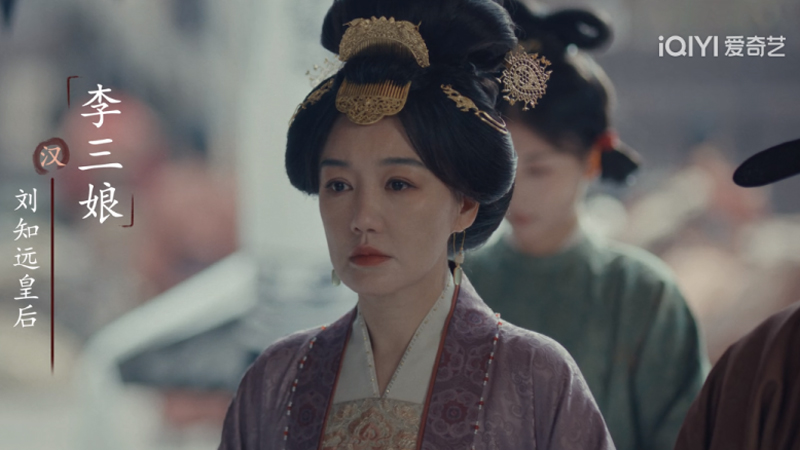
Their life together was a journey from the ground up. As Liu Zhiyuan ascended through military ranks, accumulating power and prestige, Li Sanniang evolved from a village girl to a lady of status, and finally, to the empress of a newborn dynasty. She carried the soil of her origins with her into the highest halls of power. This connection to the common people defined her one documented intervention in state affairs. When the new emperor, faced with an empty treasury, sought to reward his soldiers by heavily taxing the populace, it was Li Sanniang who stopped him. She argued that their rule was founded on righteous rebellion, and to then oppress the people would betray its very purpose. She offered the entire wealth of the inner palace instead, a gesture of stunning integrity that won her husband's deep admiration.
Their relationship, forged in hardship, remained remarkably steadfast. Historical accounts and folk tradition agree that even after his ascension, Liu Zhiyuan kept no other consorts. Whether this was due to genuine devotion or the simple lack of time—his reign lasted barely a year—is lost to history. But the legend that crystallized around them celebrates a bond that power could not corrupt, a partnership where the empress remained the emperor's trusted moral compass, her value rooted in character, not lineage.
A Legacy Forged in Song
The Later Han dynasty collapsed in 951 AD, consumed by the very warlord politics that birthed it. Liu Zhiyuan was dead, their son killed, and the empire was gone. Li Sanniang, treated with respect by the new regime, died in obscurity just a few years later, a woman who had witnessed the dizzying peak and devastating crash of her family's fortune. For the history books, her story could have ended there. But it was on the stages of village squares and bustling market towns that Li Sanniang truly became immortal.
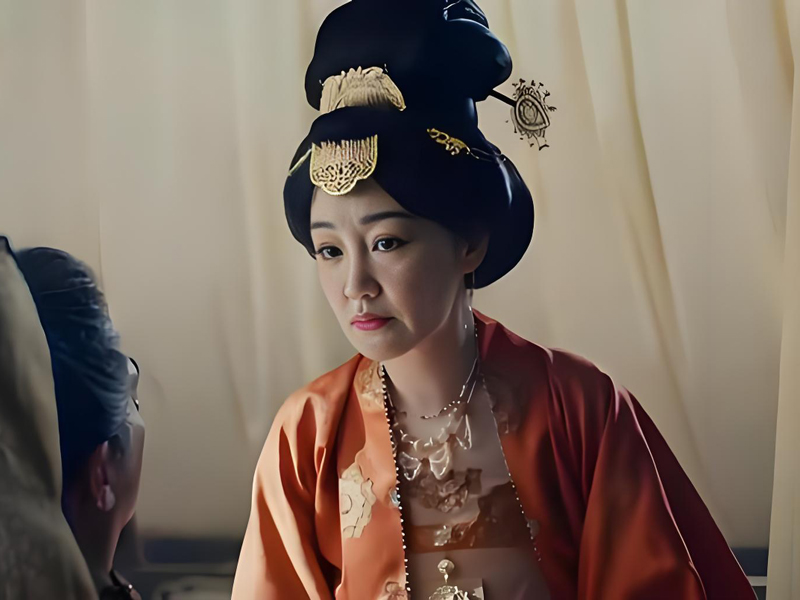
Her life, stripped of political context and amplified for emotional truth, became perfect fodder for Chinese opera. As early as the Yuan dynasty, her story was immortalized in the southern play The Story of Liu Zhiyuan and the White Rabbit (刘知远白兔记). This narrative spawned countless adaptations across regional operatic traditions like Jingju (京剧), Chuanju (川剧), and Yuju (豫剧), with beloved acts such as "Childbirth in the Mill" and "Meeting at the Well." These plays focused on her suffering, her resilience, and her unwavering loyalty during the years her husband was away seeking his fortune.
It is through these operas, passed down through generations, that Li Sanniang earned her unique title: "the most down-to-earth empress." She was not remote or divinely ordained; she was a woman who worked a mill, drew water from a well, and endured separation with grit. The operatic tradition performed a miraculous alchemy, transforming the tragic end of a short-lived dynasty into a timeless celebration of steadfast love and peasant virtue. The emperor became a secondary character in his own wife's folk legend.
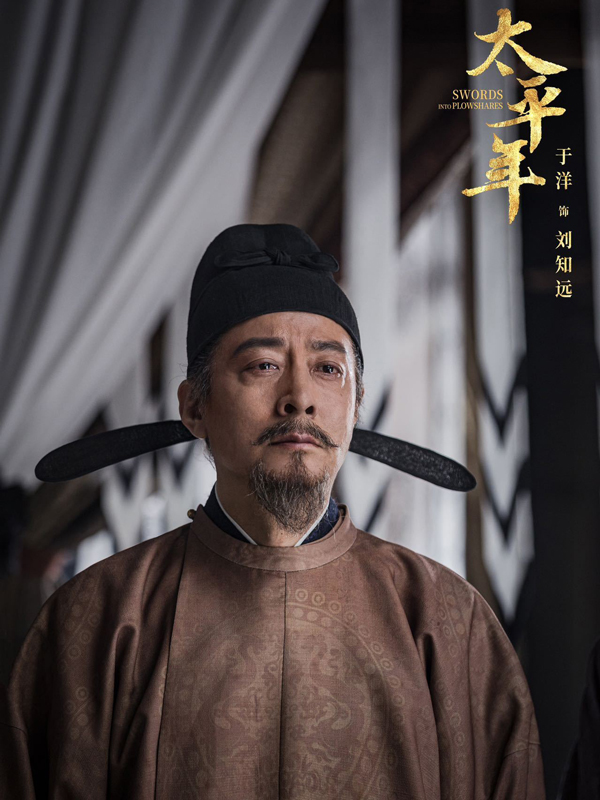
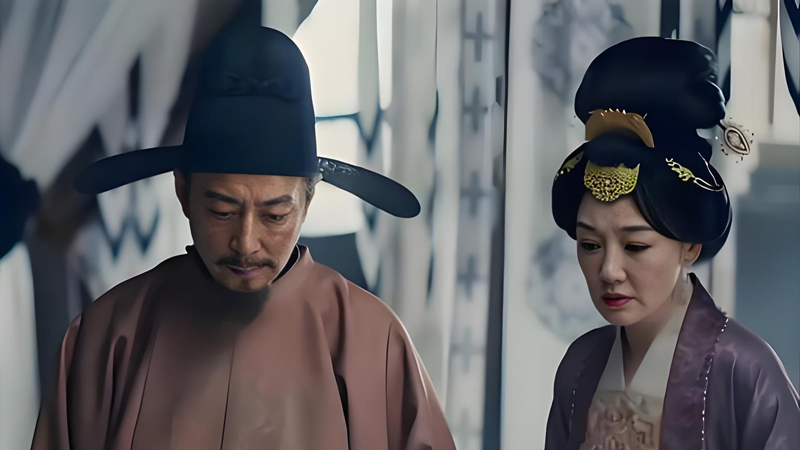
Swords into Plowshares, in portraying this relationship, taps directly into this deep cultural vein. It shows a couple clinging to each other amidst the terror and instability of their era, finding solace not in power, but in partnership. When they mourn their lost son or sigh over the burdens of the throne, the drama connects us to the universal human experiences beneath the historical costumes. The series suggests that sometimes, the most powerful legacy isn't carved in stone edicts, but sung in popular ballads. The Later Han vanished, but the story of the farmer's daughter who loved its founder continues to resonate, a testament to the idea that the most enduring kingdoms are those built in the human heart.
