
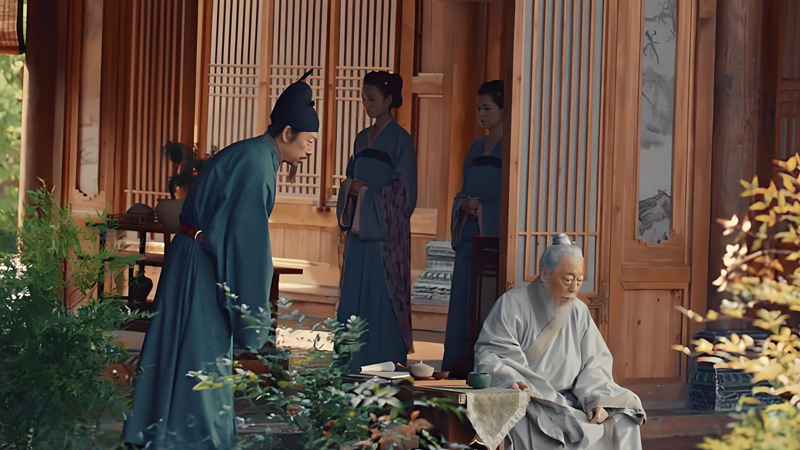
The historical drama Swords into Plowshares (太平年), currently airing to popular acclaim, plunges viewers into the turbulent 10th-century court of the Wuyue (吴越) kingdom. Following a dramatic palace coup, the narrative centers on a gripping paradox: the new King, Qian Hongchu (钱弘俶), chooses to spare the very man who orchestrated his rise to power—the formidable and dangerous Grand Marshal, Hu Jinsi (胡进思). This is not a story of weakness, but one of profound political intelligence. By examining Qian Hongchu's refusal to eliminate Hu Jinsi, we uncover the sophisticated strategies required to rule in a volatile era where brute force was often the simplest, yet most disastrous, option.
The Reluctant Monarch
Qian Hongchu’s character is defined by a temperament starkly different from his predecessor. Where his brother, the deposed Qian Hongzong (钱弘倧), was impulsive and suspicious, Qian Hongchu is measured and pragmatic. His reign is not built on fear but on a consistent reputation for fairness and a deep aversion to unnecessary bloodshed. This inherent disposition forms the first layer of his decision. He understood that killing Hu Jinsi would be seen as an act of vengeance, potentially destabilizing his legitimacy so soon after a contested succession. His prior executions targeted universally despised figures like the treacherous Zhang Yanze (张彦泽). Hu Jinsi, however, was a complex entity—a kingmaker, not merely a villain.
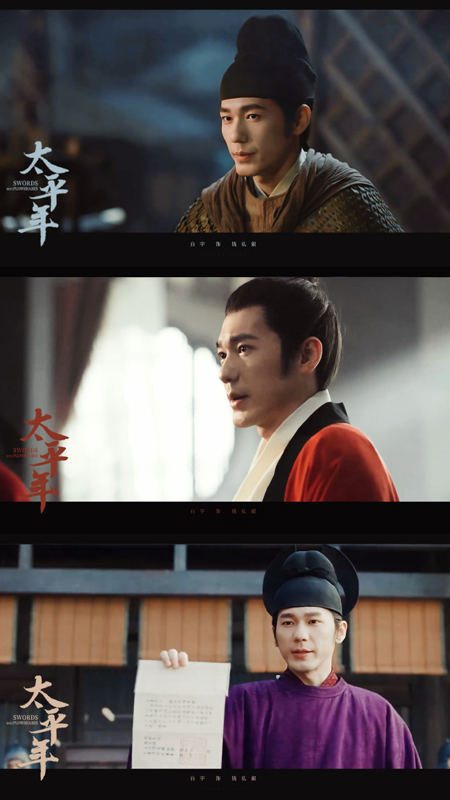
Furthermore, Qian Hongchu’s personal grievances were secondary to his royal responsibilities. He famously acknowledged Hu Jinsi as both a "personal nemesis" and a "pillar of the state." This dichotomy captures his mindset perfectly. The impulsive "Ninth Son of the Qian family" might have sought revenge, but the King of Wuyue had to consider the kingdom's survival above all. His restraint was the first clear signal of a ruler thinking beyond the immediate emotional or political impulse, setting a tone of calculated governance from the very beginning.
A Delicate Balance
The second reason is purely practical: Hu Jinsi was immensely useful. As a seasoned marshal who had served three generations of Wuyue rulers, his influence was woven into the very fabric of the military and bureaucracy. His network of alliances and loyalists was vast. For Qian Hongchu, a new king navigating a court filled with factions, Hu Jinsi represented a crucial stabilizing lever. By keeping him close, Qian Hongchu could indirectly manage powerful interest groups and reduce overt resistance to his own policies. It was a strategic co-option of his enemy's influence.
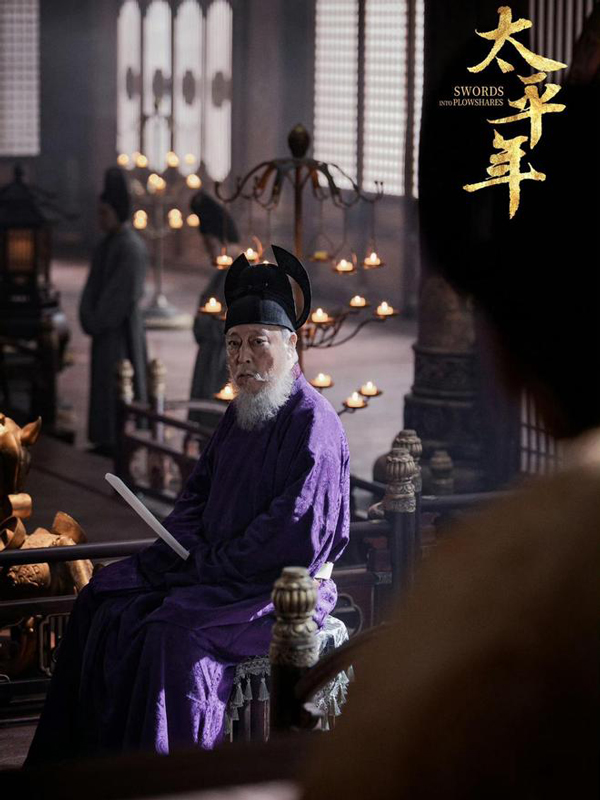
This utility extended directly to national security. The kingdom existed in a precarious landscape, flanked by powerful neighbors like Southern Tang. Hu Jinsi’s decades of military experience were an invaluable asset for border defense and strategic planning. Removing such a seasoned commander would have created a dangerous vacuum at a time when external threats were constant. Qian Hongchu needed Hu Jinsi’s expertise to safeguard the realm, turning a domestic adversary into a shield against foreign ones. The king thus transformed a potential liability into a strategic asset through sheer political will.
The Unshakable Pillar
Finally, any move against Hu Jinsi carried catastrophic risk. His roots in the power structure were too deep. He was less a single tree and more an entire forest—an interconnected system of loyalties and obligations. An attempt to assassinate him would not have been a simple removal; it would have been an declaration of war on a significant portion of the elite and the army. The likely result would have been internal revolt or even civil war, precisely what a fragile kingdom like Wuyue could not afford. Stability was the paramount currency, and Hu Jinsi’s continued existence, however troublesome, guaranteed a degree of it during the transition.
The drama cleverly draws a parallel through its casting. The actor Ni Dahong (倪大红), who portrays Hu Jinsi, once played Sima Yi (司马懿), the famous strategist from the Three Kingdoms period who also outlived his masters. The comparison is apt. Both men possessed preternatural patience and a deep, unsettling calm. In a powerful scene after the coup, Hu Jinsi’s son is frantic with anxiety about the future. Hu Jinsi merely glances at the sky, remarks "It's late, go to sleep," and retires. This imperturbability made him a formidable, unpredictable force. Qian Hongchu recognized that directly attacking such a "pillar" would cause the entire structure to collapse on top of him.

In the end, Qian Hongchu’s strategy proved masterful. He avoided the trap of short-term vengeance. Through patience and shrewd political maneuvering, he consolidated his power around Hu Jinsi, gradually rendering the old marshal’s influence obsolete. History records that Hu Jinsi eventually died of illness, and some sources suggest of sheer anxiety, allowing for a peaceful transfer of authority. Swords into Plowshares uses this historical footnote to illustrate a timeless lesson: true power lies not in removing obstacles by force, but in the wisdom to navigate around them until they crumble on their own. The king who showed mercy to his maker secured his throne more firmly than any act of violence ever could.
