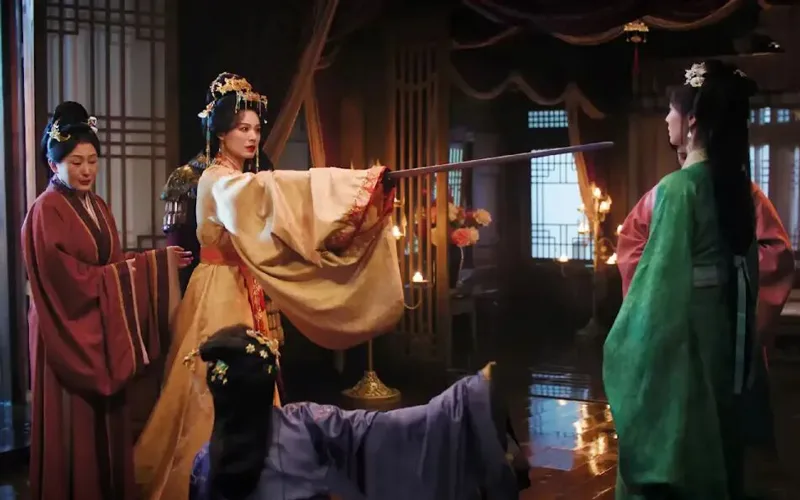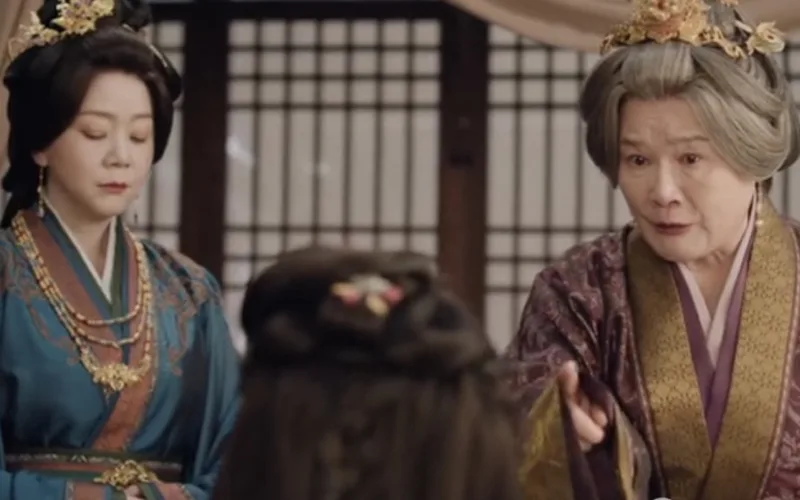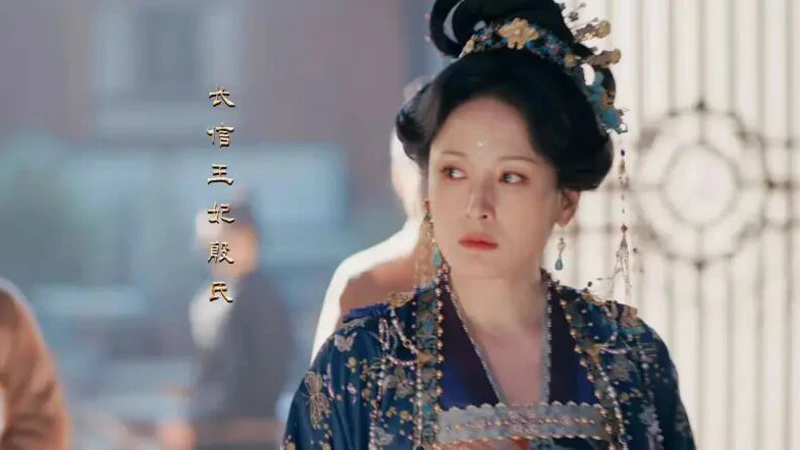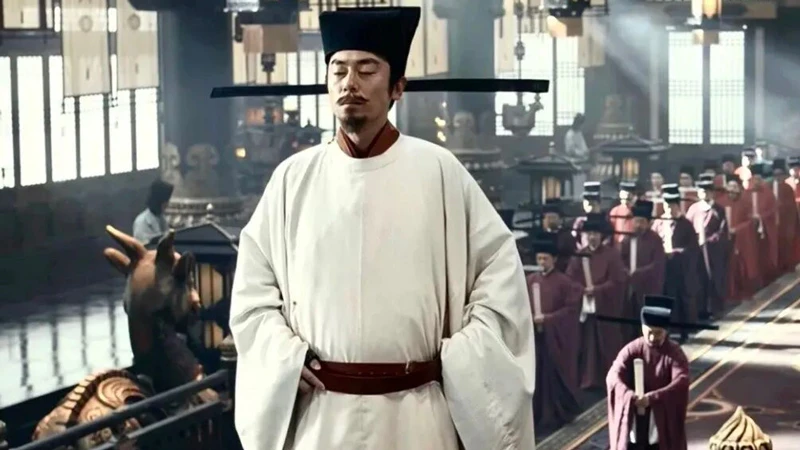
In the historical drama Swords into Plowshares (太平年), a subtle yet striking detail captures the audience’s attention. The founding emperor of the Song Dynasty, Zhao Kuangyin (赵匡胤), who famously seized power through the “Mutiny at Chenqiao” and had himself draped in a yellow robe, is rarely seen in the golden hue we associate with imperial power.
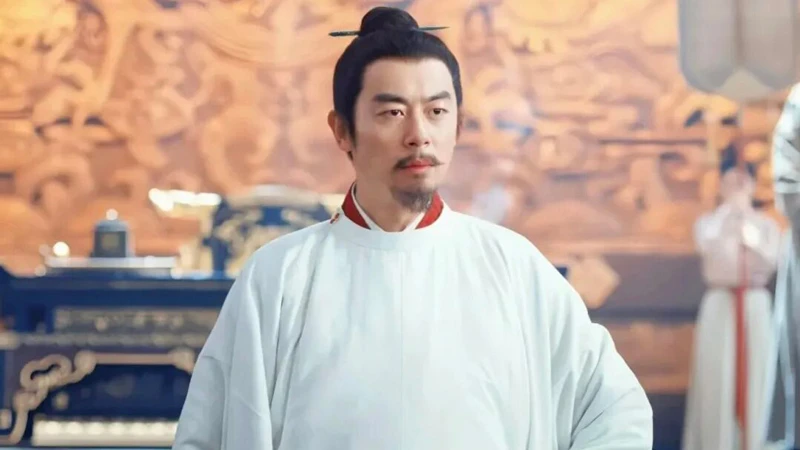
Instead, after ascending the dragon throne, he frequently appears in simple white attire. This sartorial choice puzzles modern viewers: why would a ruler who won the world through a “yellow robe” abandon it for white? The answer, far from being a matter of random preference, reveals Zhao Kuangyin’s political strategy, the foundational aesthetics of the Song Dynasty, and our own historical misconceptions about ancient Chinese imperial fashion.
White as a Political Statement of Frugality
The most direct reason for Zhao Kuangyin’s preference for white was his desire to lead by example and promote the principle of governing with thrift. After the successive wars of the Five Dynasties and Ten Kingdoms period, the Central Plains were economically devastated and the national treasury was depleted. Having witnessed the collapse of previous dynasties due to extravagance, he understood that “success comes from diligence and failure from extravagance.” His clothing became the most visible tool to convey this message.
In the Song Dynasty, dyes were expensive, particularly vibrant colors like purple and vermilion, which required costly raw materials and complex dyeing processes. White, in contrast, required no complicated dyeing, used simple materials, and was inexpensive. By choosing white, Zhao Kuangyin sent a clear signal to both the court and the populace: the emperor himself was rejecting luxury in favor of pragmatism, setting a national example of austerity that would influence officials and citizens alike.
This policy of frugality was not merely symbolic. Historical records indicate that early Song palaces were modest compared to the lavish complexes of previous dynasties. Zhao Kuangyin was known to use ordinary utensils and discouraged the tributes of rare treasures from regional governors. His white robes were the visual representation of this new governing philosophy, demonstrating that the emperor’s authority came not from display of wealth, but from moral leadership and effective governance.
The Dignity of White in Traditional Color Hierarchy
Contrary to modern assumptions that white was a common or even inauspicious color, it actually held a revered position in ancient China’s traditional color system. The Book of Documents (尚书) records the five primary colors—blue-green, yellow, red, white, and black—as the “correct colors” corresponding to the five elements of cosmic philosophy . White represented metal, symbolizing purity, clarity, and righteousness. The Huai Nan Zi (淮南子) declared that “once white is established, the five colors complete themselves,” underscoring its foundational importance.
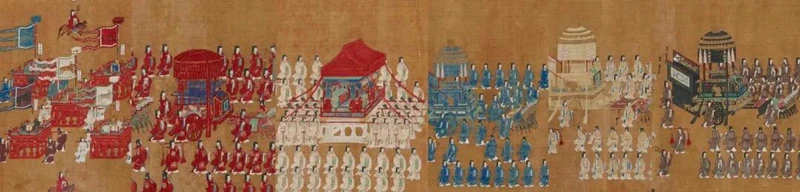
This respect for the five-color system persisted into the Song Dynasty. The Yuan Dynasty painting Procession of the Imperial Chariot (大驾卤簿图书) clearly depicts Song imperial ceremonies featuring honor guards in all five colors—blue-green, yellow, red, white, and black—demonstrating that white remained a legitimate color for imperial use . Zhao Kuangyin’s white garments were not casual wear but formal attire made of the finest silk brocade, often subtly embroidered with dragon patterns and auspicious clouds that signified imperial authority without ostentation .
Modern viewers might mistakenly associate white with mourning, but Song Dynasty imperial white bore no relation to funeral garments. The emperor’s white robes were crafted from luxurious materials with an understated sheen, distinctly different from the plain hemp of mourning clothes. The dragon motifs woven subtly into the fabric left no doubt about the wearer’s identity. This understated elegance perfectly embodied the Song aesthetic of restrained refinement, prioritizing inner substance over outward display.
Political Wisdom and the Foundation of Song Elegance
Beyond frugality and tradition, Zhao Kuangyin’s choice of white reflected shrewd political calculation. Having seized power through the “yellow robe” method—the same tactic used by his predecessor Guo Wei (郭威) of the Later Zhou—he understood that frequent display of imperial yellow might remind ambitious generals of how easily thrones could change hands . By wearing white for daily governance, he softened the image of a military usurper and presented himself instead as a humble, people-focused ruler who prioritized the nation’s welfare over personal grandeur.
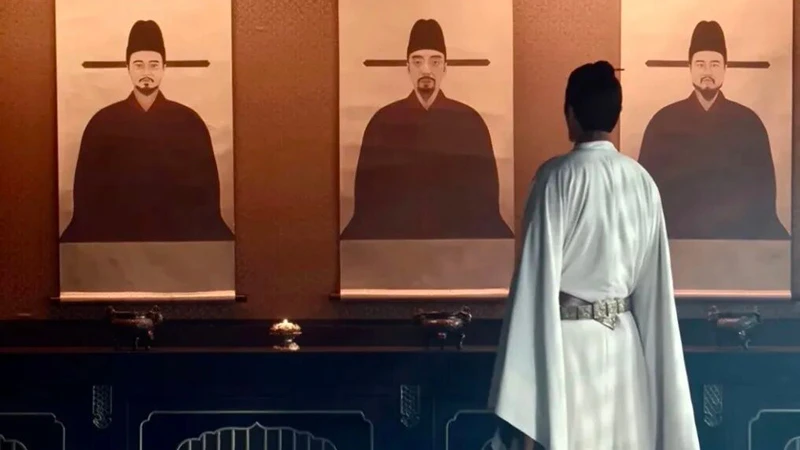
This strategy proved remarkably effective. By downplaying the symbolism of coercive power, he gradually consolidated his rule and reduced the risk of emulators attempting their own “yellow robe” mutinies. The simplicity of his attire also resonated with a populace exhausted by decades of warfare and appreciated a ruler who seemed more concerned with rebuilding the nation than with displaying imperial pomp. The white robes became a visual reassurance of stability and continuity.
Zhao Kuangyin’s personal style also established the aesthetic direction for the entire Song Dynasty. As the dynasty shifted toward emphasizing civil governance over military power, the scholar-official class embraced the Confucian ideal of “returning to simplicity.” This cultural preference manifested in clothing that favored subtlety and elegance over bold colors and elaborate decoration . From emperors and ministers to poets and painters, the educated elite favored white, pale gray, and light blue—colors that suggested cultivation and restraint rather than wealth and power.
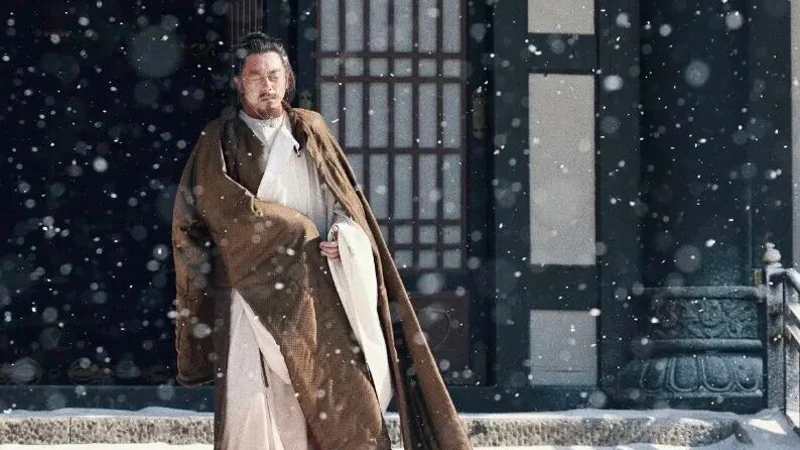
This aesthetic legacy endured throughout the Song Dynasty. The famous court painter’s Listening to the Qin (听琴图) shows refined scholars in simple, elegant robes, demonstrating how deeply this preference for understated sophistication penetrated Song visual culture. Zhao Kuangyin’s white garments, preserved in imperial portraits and reimagined in historical dramas like Swords into Plowshares, allow us even today to glimpse the unique combination of Confucian restraint and quiet dignity that defined one of China’s most culturally brilliant dynasties.