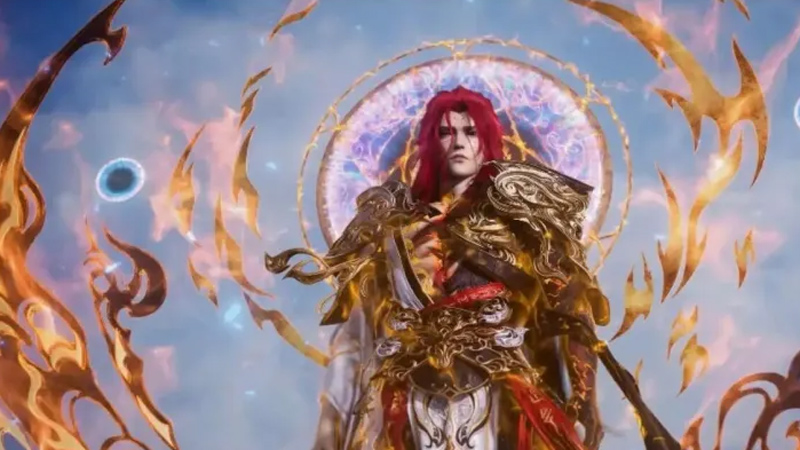
Chinese animation, known as Guoman, has captured global attention with visually stunning series and compelling stories. Initially, these works generate massive hype, drawing viewers into intricate worlds filled with memorable characters. Yet, a troubling trend surfaces where many top-rated shows gradually lose their appeal, frustrating audiences who once championed them. This phenomenon isn't just about isolated missteps; it reflects broader challenges in sustaining quality amid production pressures. By examining specific cases, we can uncover why fans feel let down and what it means for the future of Guoman.
1. The Legend of Qin (秦时明月)
The Legend of Qin set a high bar for 3D animation in China, introducing viewers to a rich historical fantasy. Characters like Gaine became icons, with fight scenes that inspired international fans. However, the series began to falter as release schedules stretched to years between seasons. What started as a weekly delight turned into a test of patience, leaving audiences to wonder if the story would ever conclude.
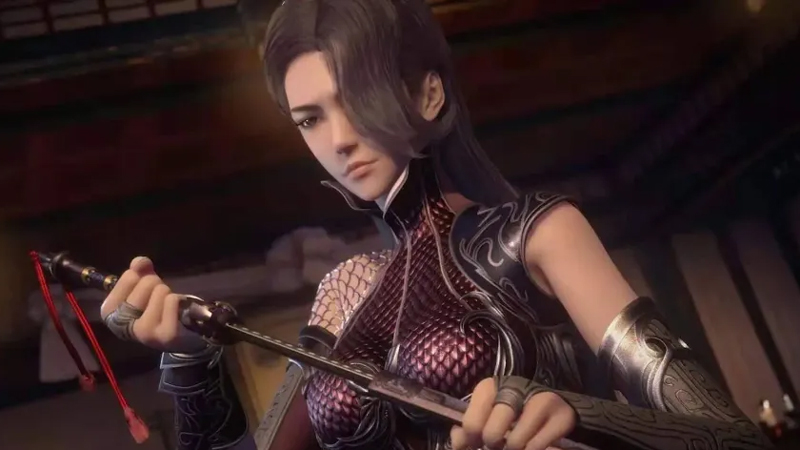
Narrative momentum suffered significantly in later seasons. Episodes often revolved around minor events, such as the extended stay on the Mirage Tower, which felt like filler content. The sixth season, in particular, shifted focus to side plots like the "Farmers' Arc," ignoring core storylines that fans had invested in for years. This lack of progression made viewers question the direction of the series.
Long gaps and meandering plots eroded the initial excitement. Fans who grew up with the show expressed sadness over its decline, noting that the magic of early seasons had faded. Without timely updates and focused storytelling, even the most loyal supporters began to drift away, highlighting how poor pacing can undermine a series' longevity.
2. Soul Land (斗罗大陆)
Soul Land gained fame for its emotional depth, especially in arcs like Xiao Wu's sacrifice, which resonated with millions. The adaptation stayed true to its source novel early on, building a strong connection between viewers and protagonists like Tang San. His dedication to Xiao Wu and his friends made him a relatable hero, driving the series to viral success.
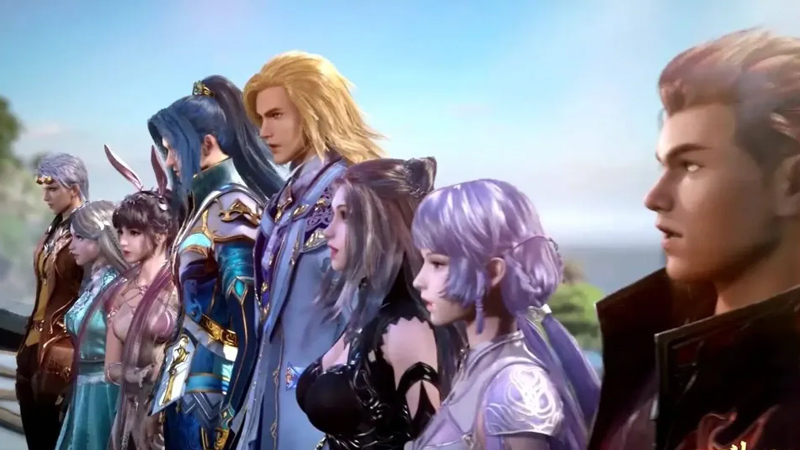
As the story advanced, however, the balance between action and romance skewed. The Sea God Island segment dragged on with repetitive training sequences, such as the "Sea God Stairs," which overstayed their welcome. Meanwhile, romantic subplots multiplied, distracting from the main adventure and earning criticism for diluting the series' intensity.
Tang San's portrayal became a point of contention. Initially seen as principled, his actions later appeared inconsistent, such as his neglect of Ma Hongjun's (马红俊) struggles with Bai Chenxiang (白沉香). This perceived double standard alienated fans, who felt the character had lost his moral compass. Such shifts not only damaged individual arcs but also weakened the overall narrative trust.
3. Battle Through the Heavens (斗破苍穹)
Battle Through the Heavens showcased its potential in the "Three-Year Agreement" special, where Xiao Yan's (萧炎) clash with Nalan Yanran(纳兰嫣然) featured crisp animation and thrilling pacing. This segment was hailed as a Guoman masterpiece, setting expectations for future episodes. Unfortunately, the quality that followed failed to match this peak.
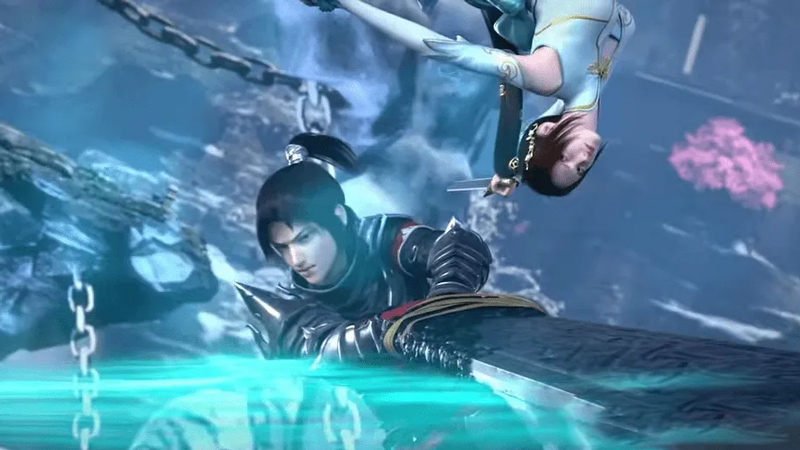
Subsequent seasons introduced puzzling changes, like altering Yun Yun's (云韵) role or simplifying Xiao Xiao's (萧潇) character into a mere plot device. Animation reused assets frequently, leading to bland fight scenes where energy attacks dominated without substance. Fans noticed a drop in effort, with episodes feeling rushed or incomplete.
4. Renegade Immortal (仙逆)
Renegade Immortal faced a different challenge upon its rise to popularity. The emphasis on Wang Lin's (王林) pure love for Li Muwan (李慕婉) sparked debates between fans wanting romantic focus and those demanding fidelity to the original novel's broader relationships. This divide strained community cohesion, showing how creative decisions can spark unintended backlash. In both cases, production choices—whether in animation or adaptation—played a key role in diminishing viewer satisfaction.