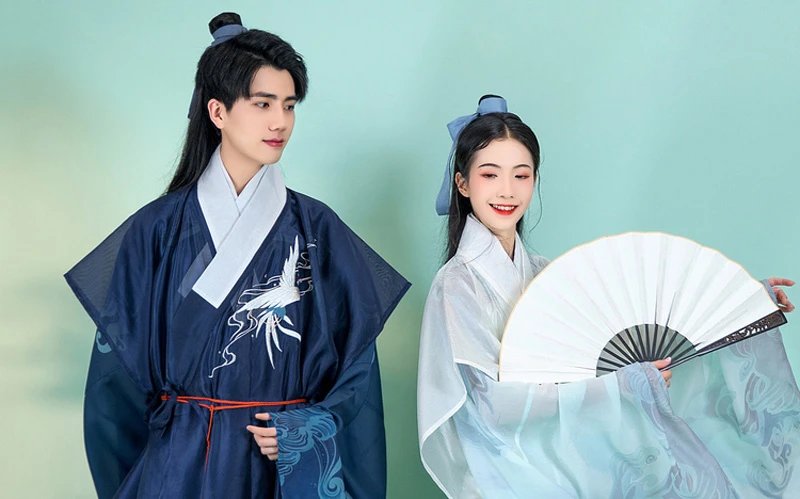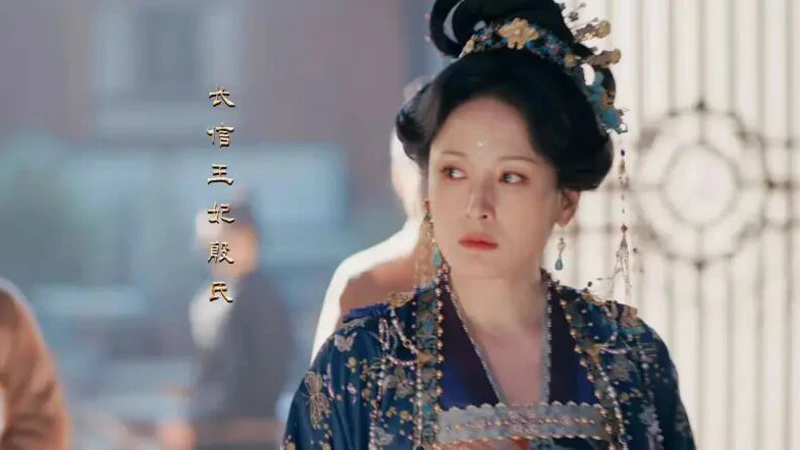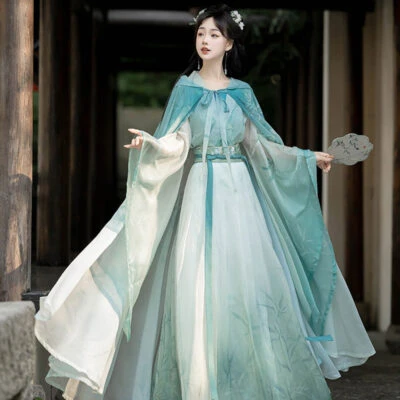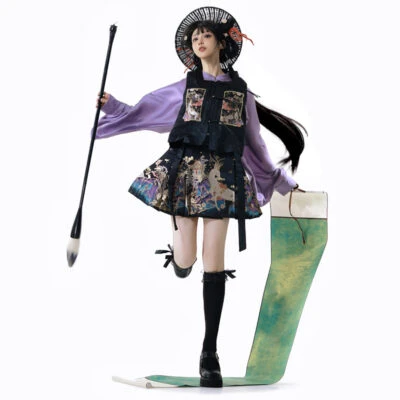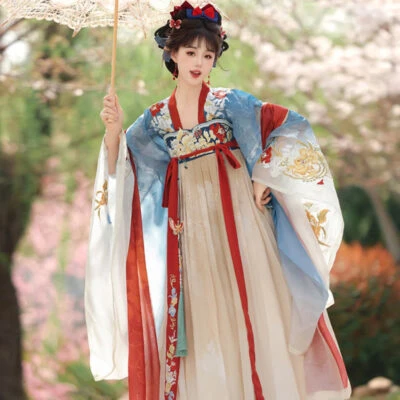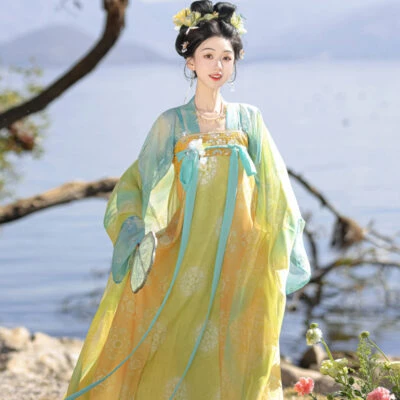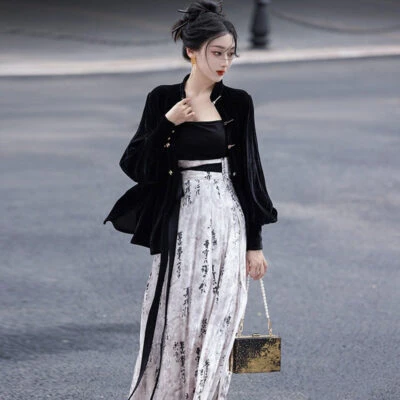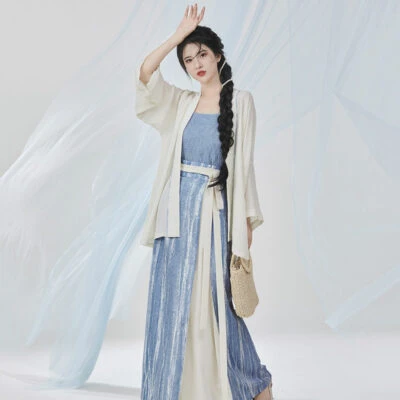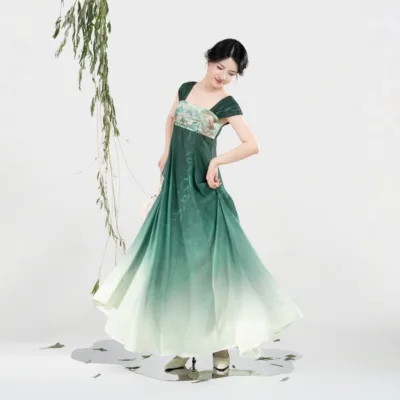
Calling a girl a peach has always been a compliment. But a new term is circulating online, painting a very different picture: the ‘Rotten Peach’. This label describes someone whose sweet, innocent appearance, reminiscent of a blushing peach, hides a manipulative or cruel nature. It is a modern, cynical twist on an ancient tradition of using floral and fruit imagery to describe feminine beauty. To understand this evolution, one must look back at how deeply the peach is rooted in Chinese cultural imagination, from classical poetry to traditional aesthetics, and see how a symbol of pure youth acquired its darker double.
Poetry’s Blushing Bloom
For centuries, the peach blossom was the ultimate emblem of a young woman’s vibrant beauty. The connection is ancient and profound. The classic Book of Songs (诗经) contains the line, “The peach tree is slender and sturdy,” using the dazzling sight of a blooming peach tree to celebrate a bride’s grace and vitality. This metaphor was endlessly repeated and refined by poets. Cui Hu (崔护) from the Tang Dynasty wrote nostalgically of a girl’s face glowing like a peach blossom. Wang Shifu (王实甫), in his iconic play The Romance of the Western Chamber (西厢记), described his heroine’s captivating “apricot face and peach cheeks.” In these works, the peach was unequivocally positive, representing the peak of youthful, desirable femininity.
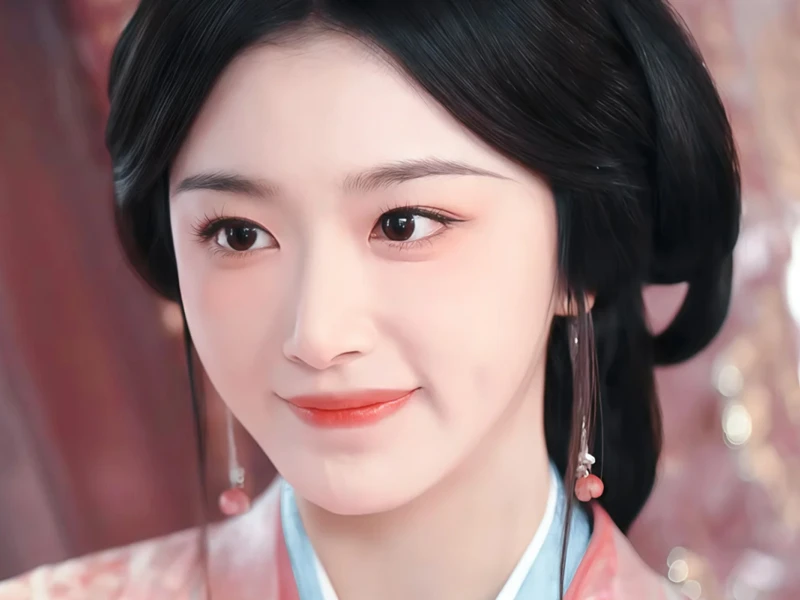
This literary tradition was mirrored in the art of cosmetics. Historical texts on makeup detail the ‘Peach Blossom Makeup’. This involved applying a white powder base, then using rouge to create a soft, diffused blush on the cheeks. The goal was to mimic the natural gradient of color seen on a peach petal—a delicate white at the center deepening to a vibrant pink at the edges. This was not a single shade, but a sophisticated interplay of hues. Other popular styles, like the ‘Drunk Flush’ makeup, used a more intense red, but the principle remained: to recreate the luminous, healthy glow associated with the peach blossom.
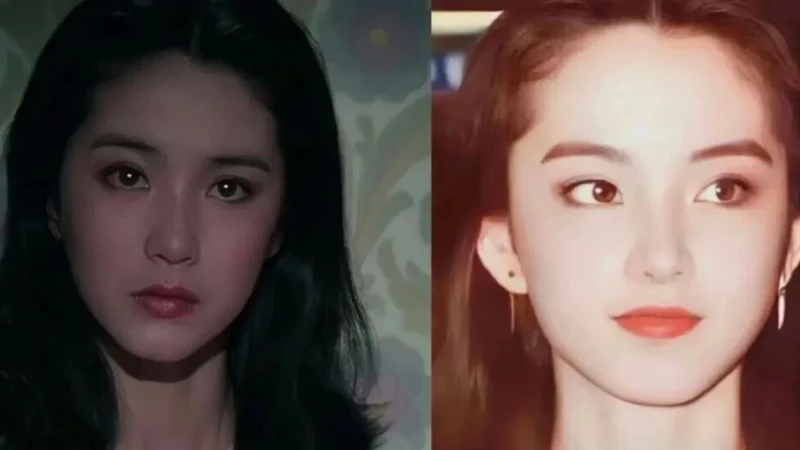
The color palette inspired by the peach was incredibly nuanced. Scholars and artists identified and named numerous subtle variations. These included Taoyao (桃夭, radiant peach bloom), Bao Chun (报春, heralding spring), and He Huan (合欢, joint happiness), each name a tiny poem evoking a specific mood or moment in nature. This refined color system demonstrates that the appreciation for the peach’s beauty was never superficial; it was part of a highly developed visual language that connected human appearance to the wider, beautiful world.
The Peach’s Modern Makeover
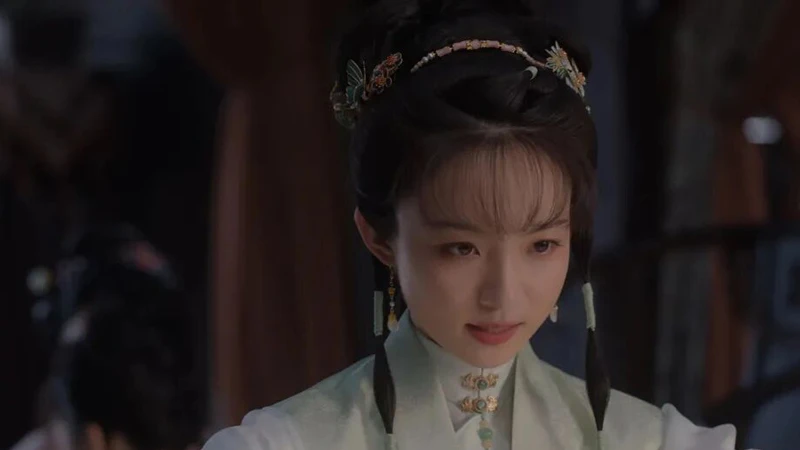
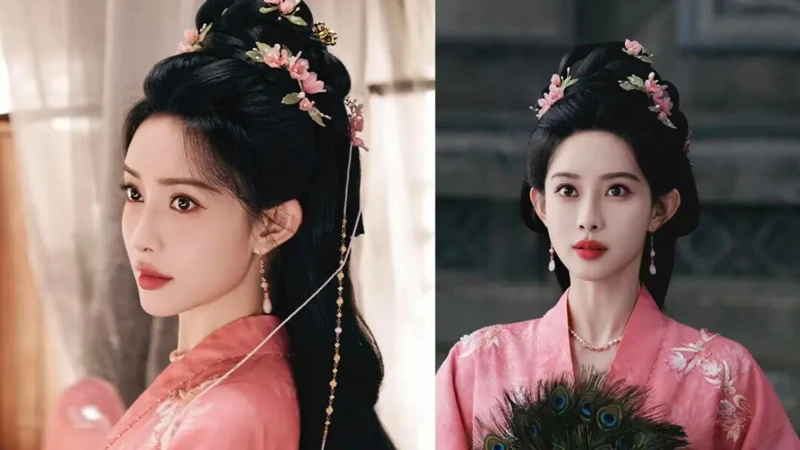
In contemporary culture, the metaphor has shifted from the blossom to the fruit itself. The ‘Peach Girl’ now refers not just to a pretty face but to a specific aesthetic. It is a style defined by soft, fuzzy textures and a color gradient that moves from creamy white to a warm, candied pink. This look is often paired with fresh, leafy greens to enhance its natural and juicy appeal. The influence of this aesthetic is visible in period dramas, where costume designers use this palette to create characters who appear irresistibly sweet and charming.
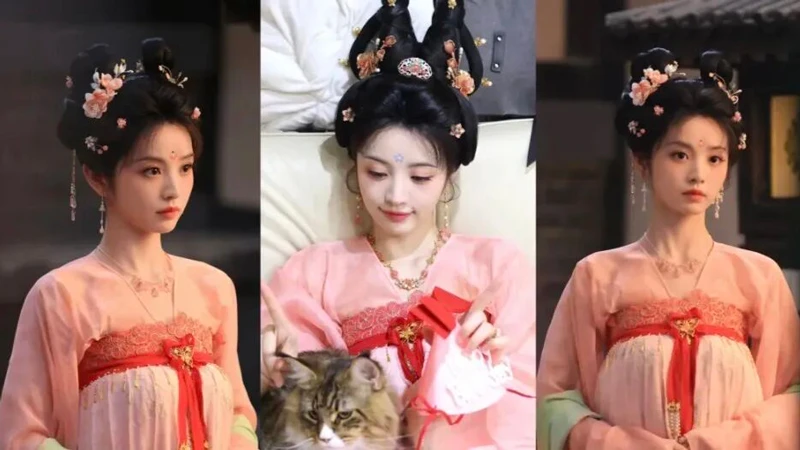
A clear example can be seen in the styling for actress Tian Xiwei in the television series Moonlit Reunion (子夜归). Her character’s costumes frequently layer different shades of pink, from a pale, almost white blouse to a deeper rose-colored skirt. This creates a visual effect that is directly comparable to the cross-section of a ripe peach. The addition of a green sash or embellishment completes the fruit-inspired illusion. This styling consciously taps into the cultural idea of the peach girl, using color and fabric to build a character who embodies a certain innocent and delectable femininity.
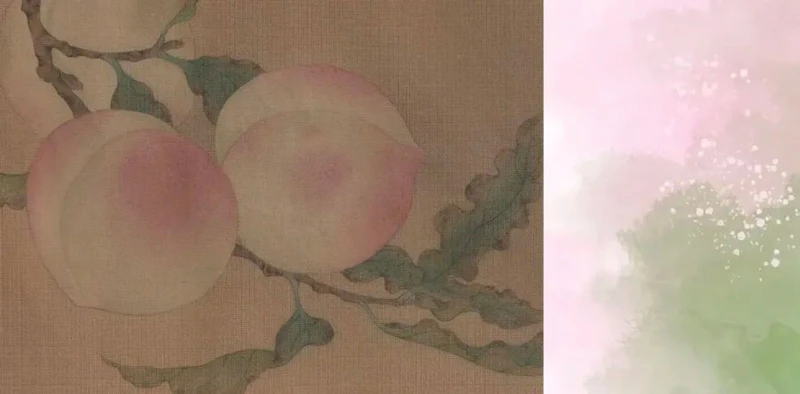
It is precisely this widespread association of the peach with harmless sweetness that gives the term ‘Rotten Peach’ its bite. The nickname relies on the stark contrast between the expected persona and the revealed reality. When someone who presents themselves with this soft, approachable, and gentle aesthetic is discovered to be calculating or mean-spirited, the dissonance is jarring. The fruit that looks perfect on the outside but is brown and spoiled inside becomes the perfect, if unkind, metaphor for perceived duplicity.
Beauty With a Bite
The journey of the peach in cultural discourse reveals much about changing social attitudes. The ‘Rotten Peach’ is a product of an era that is deeply skeptical of surfaces. In a world of curated social media feeds and personal branding, there is a growing urge to look beyond a pleasant facade. This term becomes a tool for calling out a perceived disconnect between a person’s inviting appearance and their less-palatable actions or personality.
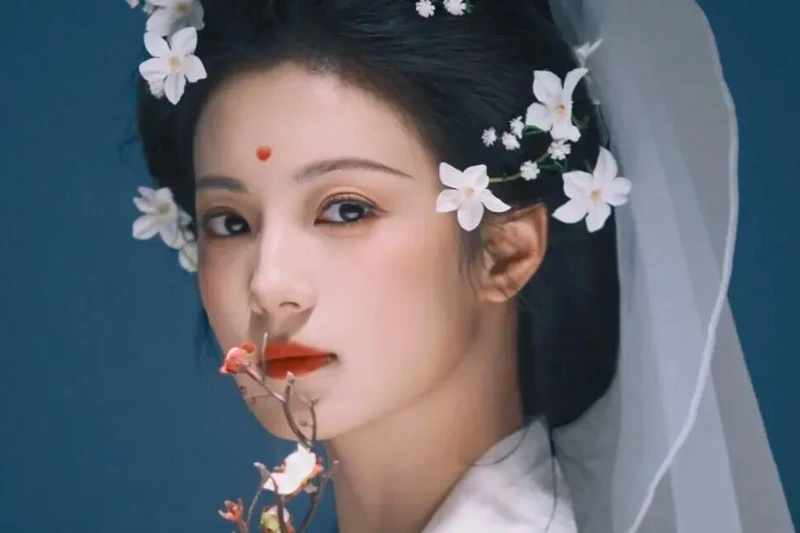
This evolution does not erase the peach’s traditional meaning. Instead, it adds a complex new layer. The peach remains a powerful symbol of youthful beauty, but it now carries an implicit warning about the potential for that beauty to be a mask. It acknowledges that something can be visually appealing and yet, upon closer inspection, prove to be disappointing or even toxic. This dual nature makes the metaphor richer and more resonant in today’s complicated social landscape.
Ultimately, the ‘Rotten Peach’ is more than just an internet insult. It is a fascinating example of how ancient cultural symbols are constantly re-interpreted. It shows how a image that once represented an ideal of pure, natural beauty can be adapted to express contemporary anxieties about authenticity and deception. The next time you see someone praised for their peach-like charm, the term might just give you pause, a reminder of the long and unexpectedly thorny history behind a seemingly simple compliment.