
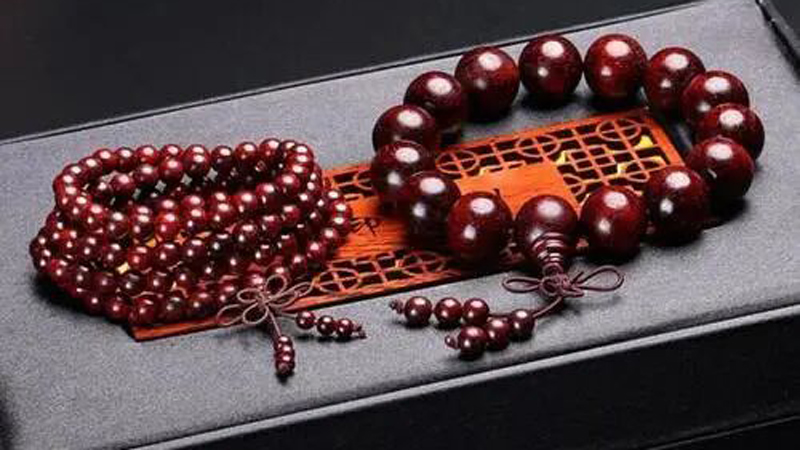
In the touching drama The Bead Collector, a young apprentice in a Beijing temple learns about life through caring for Buddhist prayer beads, or Fozhu (佛珠), discovering how Baojiang (包浆) forms a bridge between past and present. This patina, a glossy, amber-like surface, develops over years of mindful handling, turning simple wood into a reflection of dedication and time. It starts with the natural oils in precious woods like Zitan (紫檀) and Huanghuali (黄花梨), which slowly oxidize and blend with human touch, creating a warm, resilient sheen.
Unlike quick polishing methods, this process thrives on patience, echoing the slow, deliberate pace of monastic life and offering insights into how small, consistent actions can lead to profound beauty. As the drama unfolds, the beads become silent narrators of stories, their evolving surfaces capturing moments of joy, struggle, and peace, much like the wrinkles on a wise elder's hands that speak of experiences lived fully.
Patina Formation
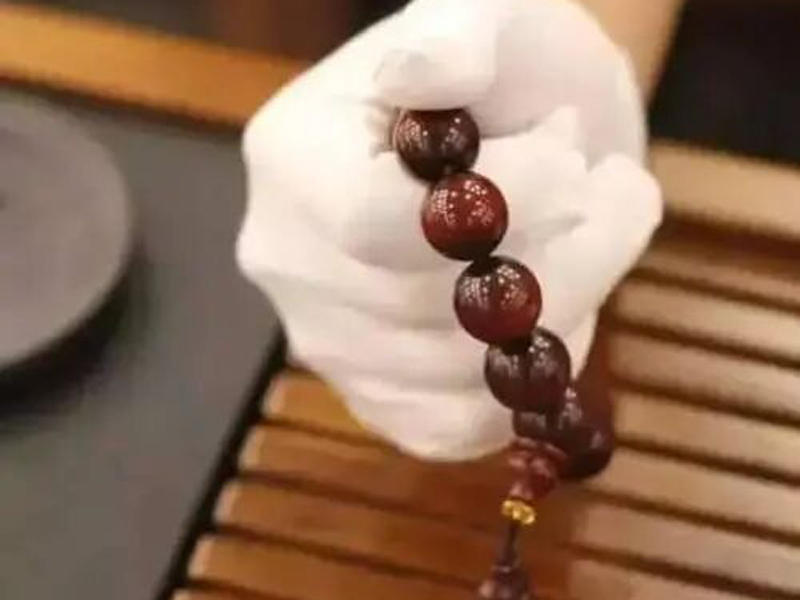
The birth of Baojiang begins when a bead owner starts interacting with their Fozhu regularly, allowing the innate oils in woods such as Zitan to seep out and react with air. This natural oxidation process forms a hard, shiny layer over months or years, without the need for artificial additives. In fact, introducing external oils can disrupt this balance, leading to a darkened, less vibrant surface that loses its potential for a rich patina. Instead, gentle rubbing with soft cotton cloths or gloves acts like a fine polish, encouraging the wood's own properties to shine through. This phase is crucial, as it sets the foundation for a patina that not only looks beautiful but also feels smooth and inviting to the touch, much like the way a river stone is worn smooth by endless water flow.
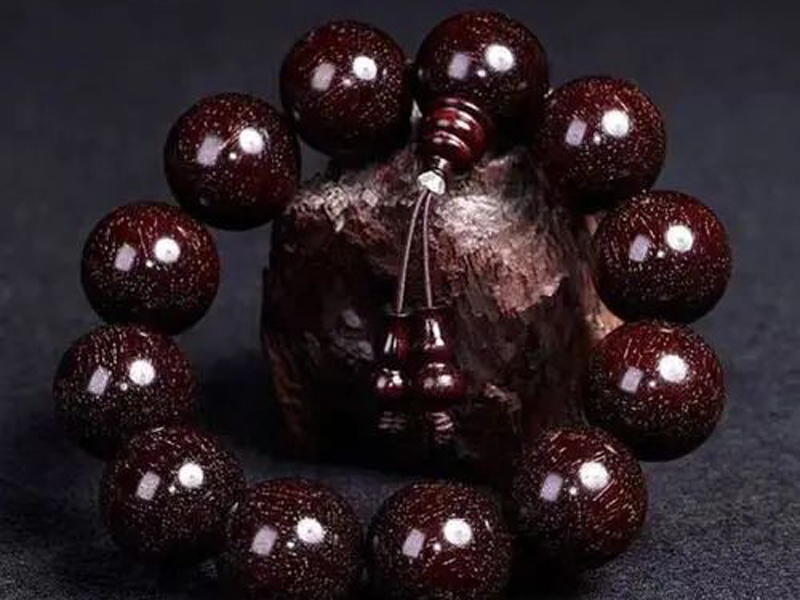
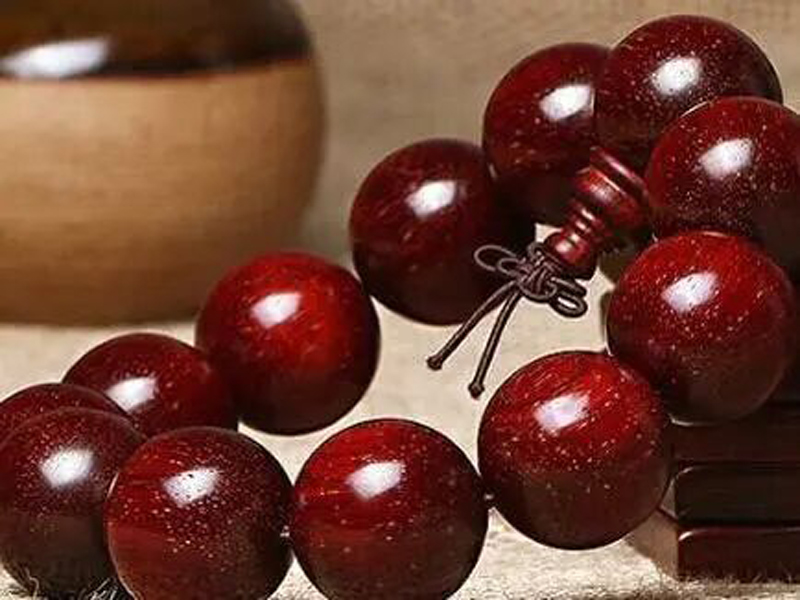
As time progresses, the beads undergo a visible transformation from a bright, new state to one with a deep, ceramic-like glow. This change is more than skin-deep; it symbolizes a bond between the owner and the object, where each handling session leaves an imprint of personal history. In cultures across Asia, this evolution is often seen as a metaphor for personal growth, where patience and care yield inner and outer richness. The patina doesn't just appear overnight—it requires a rhythm of interaction and rest, allowing the wood to absorb changes and settle into its new form. This gradual development mirrors the way relationships deepen over years, built on trust and repeated, gentle attention rather than forceful effort.
Many misconceptions surround the timeline for developing Baojiang, with some believing it demands hours of daily rubbing for fixed periods. In reality, a flexible approach works best, where occasional, thoughtful handling interspersed with breaks lets the patina mature naturally. For woods like Laoshan Zitan (老山檀), which have high natural oil content, this method prevents over-saturation and ensures an even, lasting sheen. By aligning care with the wood's characteristics, owners can avoid common pitfalls like uneven coloring or surface damage. This process teaches a broader lesson about life: that rushing often leads to fragility, while steady, mindful progress builds something enduring and uniquely personal.
Environmental factors also influence how Baojiang develops, with stable, dry conditions favoring a smoother patina compared to humid settings. Enthusiasts often observe their beads closely, adjusting care routines based on the wood's response—for instance, Huanghuali might need lighter handling due to its varying oil levels. This adaptability turns bead maintenance into an art form, where intuition and knowledge blend to enhance the natural journey. Through this, the patina becomes a dynamic record, not just of time, but of the owner's ability to listen and respond to subtle changes, fostering a deeper appreciation for the interconnectedness of material and caregiver.
Nurturing Techniques
Selecting the right beads is the first step toward cultivating a vibrant Baojiang, with high-density woods like Zitan being ideal due to their inherent oiliness. Beginners should start by using a soft Pan Zhu Dai (盘珠袋) or cotton gloves to rub each bead thoroughly, paying attention to often-missed areas like the drill holes. This initial phase cleans the surface and promotes even oil distribution, setting the stage for effective oxidation. Avoiding oils or chemicals is key, as they can cause discoloration and hinder the natural patina from emerging, much like how overwatering a plant can stunt its growth instead of helping it thrive. By focusing on gentle, manual methods, owners preserve the wood's integrity and allow its true character to unfold over time.
Integrating bead care into daily rituals can make the process enjoyable and sustainable, rather than a chore. Instead of dedicating long, rigid sessions, simply handling the Fozhu during quiet moments can suffice. This approach transforms maintenance into a meaningful practice, where the slow buildup of Baojiang reflects personal consistency and mindfulness.
Knowing when to pause is equally important, as rest periods allow the patina to set and deepen without interference. For woods with delicate oil balances, such as Huanghuali, this cyclical pattern of care and rest prevents over-handling that could lead to uneven surfaces. Owners might notice that after a break, the beads appear slightly different, with the patina having settled into a more integrated layer. This observation encourages a responsive approach, where care is tailored to the beads' needs rather than a fixed schedule. It echoes natural cycles, like seasons changing, where periods of activity and dormancy together create resilience and beauty, teaching valuable lessons in balance and patience.
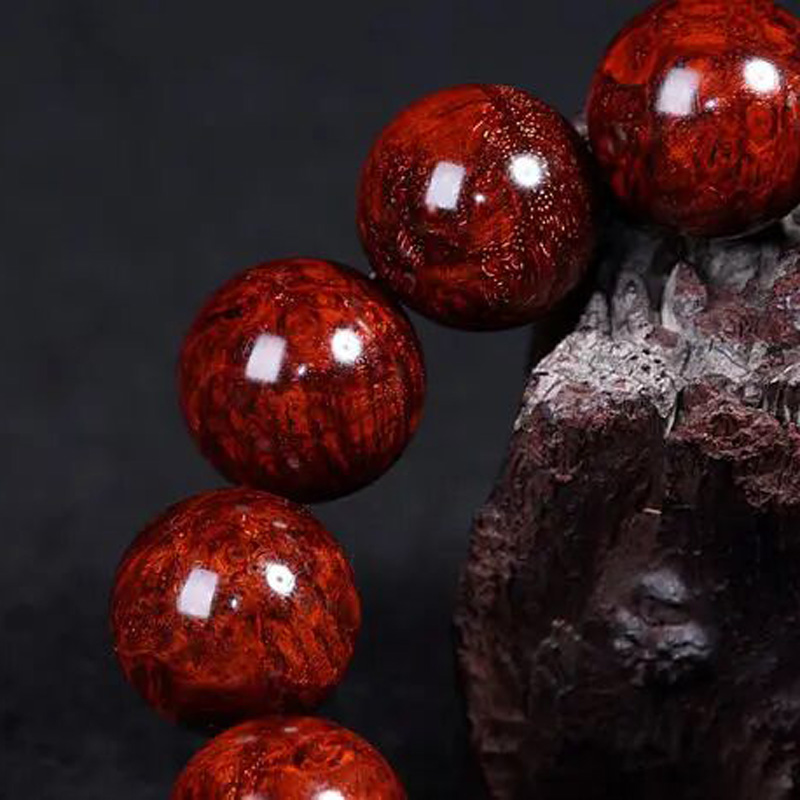
Ultimately, the journey of developing Baojiang is as rewarding as the result, offering insights into slow, intentional living. As the patina grows, it becomes a tangible symbol of dedication, with each bead telling a unique story shaped by its owner's touch. Whether for spiritual practice or personal enjoyment, embracing this process fosters a deeper understanding of time, material, and the simple joys of nurturing something over years. By letting go of haste and embracing consistency, anyone can unlock the hidden potential in their beads, discovering that true beauty often lies not in perfection, but in the imperfect, lived-in traces of care and connection.