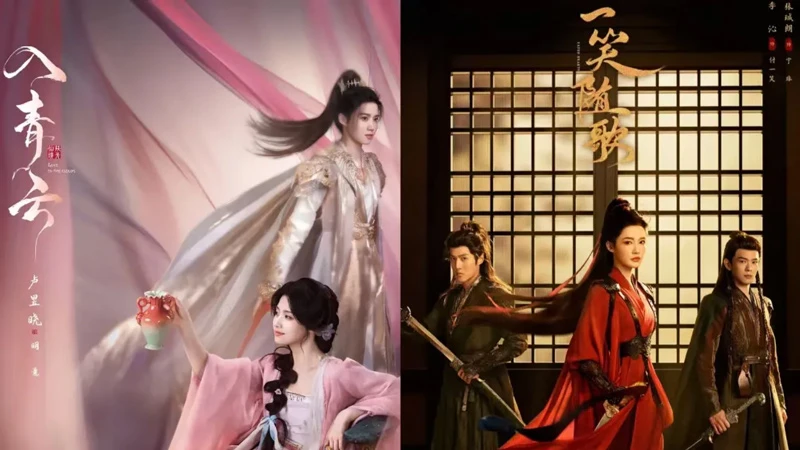
Two new costume series, Fated Hearts (一笑随歌) and Love in the Clouds (入青云), recently premiered, inviting immediate comparison. After viewing the first four episodes of each, the difference in quality is stark.
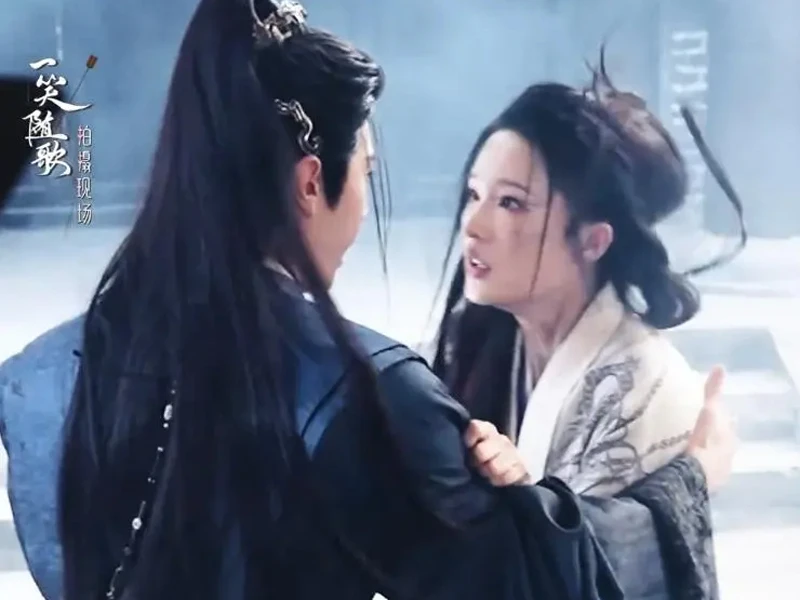
Fated Hearts presents a female general whose promising start is undermined by a formulaic plot. The story quickly relies on overused tropes like amnesia and cycles of repetitive conflict, failing its initial “power couple” premise. Excessive skin-smoothing filters further distract, making characters appear unnatural.
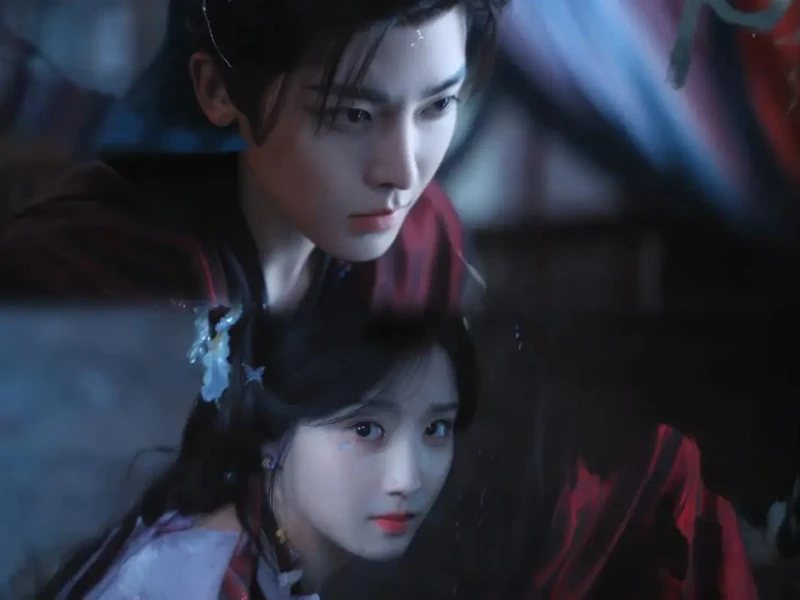
In contrast, Love in the Clouds offers a refreshing dynamic. It begins with a stunning reversal where a detained convict defeats an undefeated female war deity. This sets the stage for a clever narrative where both leads, each hiding their true motives, engage in a tense and intelligent game of mutual deception. The production’s attention to visual detail and nuanced performances makes the characters’ interactions compelling.
The distinct reception of these two shows underscores a clear shift in audience taste. Viewers are now drawn to solid scripts and thoughtful execution over familiar stars and hollow tropes.

Noticeable Gaps in Plotlines
Television dramas set in ancient or fantastical worlds have long captivated audiences, but recent offerings reveal a significant shift in what viewers expect from these stories. Where once repetitive plots and stereotypical characters might have sufficed, there is now a growing demand for narratives that offer something more—intelligence, depth, and a respect for the audience’s perception.
Two series, Fated Hearts and Love in the Clouds, stand on opposite ends of this spectrum. One clings to outdated, harmful tropes, while the other forges a new path with its clever construction and engaging character dynamics. This divergence highlights a broader movement within the industry, pushing creators to move beyond simple conflict and explore the rich possibilities of thoughtful storytelling.
Outdated Tropes
In Fated Hearts, the story centers on a female general from an enemy nation and a prince from a rival kingdom. Their relationship is built entirely on a foundation of brutality directed at her. The narrative repeatedly subjects the woman to graphic violence, such as being bound in chains that bruise her skin or enduring arrows piercing her body. These scenes are presented with intense close-ups, focusing on her physical suffering. The male lead’s actions are portrayed as a form of twisted affection, creating a dynamic where love is confused with punishment. This approach strips the plot of any logical emotional development, reducing a potentially complex political and personal struggle to a cycle of abuse.
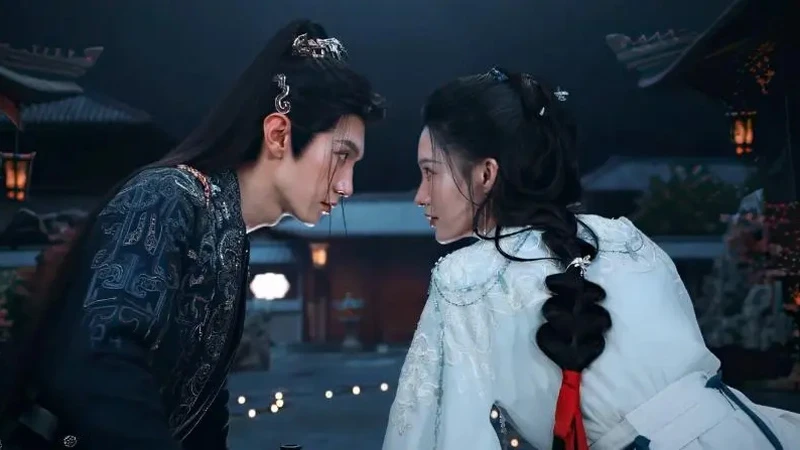
The central conflict had the potential to explore difficult choices between duty and desire. Instead, the writing defaults to a pattern where he inflicts pain and she silently endures it. This lack of narrative imagination makes the characters feel hollow. Their motivations are unclear, and the story advances only through increasingly cruel events. Audiences are left wondering how any genuine connection could form under such circumstances. The drama fails to provide a compelling reason for their bond, making the entire emotional journey feel unearned and dissatisfying.
Fated Hearts: Can Enemy Warriors Forge a Truce?
Smart Storytelling
Love in the Clouds presents a completely different framework. It features a powerful female warrior, Ming Yi (明意), who disguises herself as a dancer, and a mysterious convict, Ji Bozai (纪伯宰), who hides his own abilities. Their initial interactions are a delicate dance of deception and mutual observation. She conceals magical talismans in her flowing sleeves, while he fiddles with a jade pendant that holds secret powers. This setup immediately establishes a relationship based on intellectual equality and hidden strengths, rather than physical dominance or overt aggression.
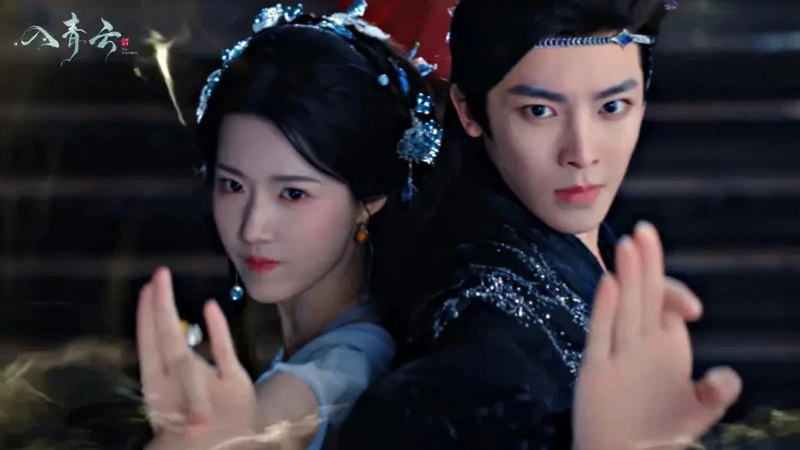
The plot revolves around their shared mission to find a rare medicinal substance. They work together, deciphering ancient texts and navigating treacherous secret chambers, all while cautiously testing each other’s limits. In one instance, she intentionally holds back her power during a magical duel to let him win, and he secretly aids her in countering a magical backlash. This cooperation develops naturally from their shared goals and growing respect. The suspense comes from their clever maneuvers and the slow unveiling of their true identities, creating a engaging experience that values the audience’s intelligence.
Lu Yuxiao Shines in Love in the Clouds with Fantasy Romance
Character Dynamics
The interaction between Ming Yi and Ji Bozai is the core strength of Love in the Clouds. They are two capable individuals who recognize strength in one another. Their relationship evolves through a series of strategic exchanges and shared challenges, building a foundation of trust. This is a partnership where both parties contribute equally to solving problems and advancing the story. Their connection feels earned because it is based on demonstrated skill and mutual assistance, not on forced dramatic moments or one-sided sacrifices.
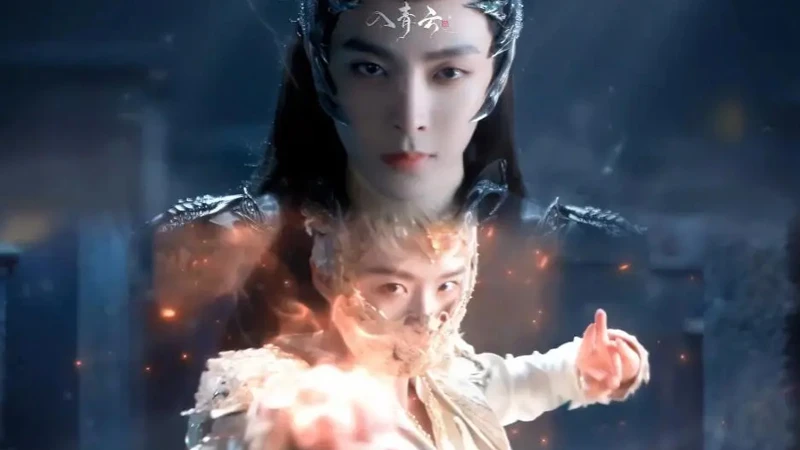
This stands in stark contrast to the unbalanced power dynamic in Fated Hearts. Where one show relies on creating conflict through suffering, the other builds tension through collaboration and intellectual rivalry. The characters in Love in the Clouds are active participants in their own fates. They make choices, take risks, and protect each other, which makes their eventual emotional bond believable and rewarding for the viewer. This method of character development keeps the audience invested in both the individual journeys and the relationship itself.
Audience Connection
Modern viewers, especially those familiar with global storytelling trends, are increasingly discerning. They seek out narratives that challenge them and present fresh perspectives. A drama that depends on shocking the audience with violence often fails to maintain long-term engagement. The initial shock might draw attention, but without a solid plot and relatable characters, interest quickly fades. Stories that feel repetitive or illogical can lead to frustration, causing viewers to abandon the series altogether.
Shows like Love in the Clouds succeed because they respect the viewer’s time and intelligence. The plot is tight, with each event logically connected to the next, and the character motivations are clear. The suspense is derived from clever writing and character interaction, not from gratuitous pain. This creates a more immersive and satisfying experience. It demonstrates that emotional depth can be achieved through smart dialogue, strategic action, and the slow build of trust between equals, which resonates strongly with contemporary audiences.

Obvious Disparities in Cast Performance
Not every performer can convince an audience they are someone else. When an actor fully inhabits a role, the character breathes, thinks, and feels as a real person. When the performance falls short, the illusion shatters, leaving viewers acutely aware they are watching a scripted scene. This fundamental divide in acting caliber can define a production’s success or failure, turning a potential masterpiece into a mediocre spectacle.
Physical Embodiment
An actor’s physical commitment is the first layer of belief. It goes beyond simple movement to encompass the very posture and bearing of the character. In Fated Hearts, the actress Li Qin (李沁) demonstrates this with precision. Her background in dance likely contributes to a disciplined physicality, evident in a straight spine and controlled elbow position while drawing a bow. These are not casual gestures but studied choices that signal a military leader’s training and resolve, building a credible foundation for her character.
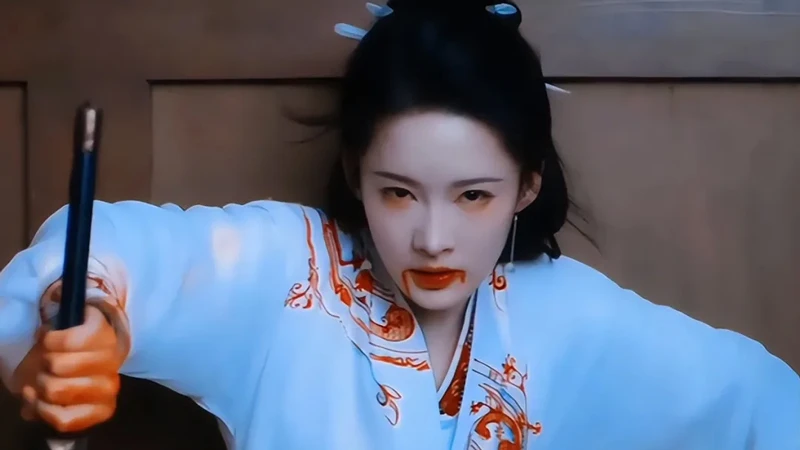
Conversely, a lack of this commitment is glaring. Her co-star, Chen Zheyuan (陈哲远), fails to convey the innate nobility of a royal figure. His perpetually hunched shoulders in period costume work against the character’s status. Furthermore, a visibly shaky grip on the reins during a horseback riding scene betrays insufficient preparation. This physical disconnect immediately tells the audience he is an actor playing a part, not a prince living an experience.
This physical language is a silent dialogue with the viewer. Li Qin’s taut arm muscles during a sword fight communicate hours of off-camera training and a genuine attempt to embody a warrior’s strength. Chen Zheyuan’s stiff posture and nervous hands, however, speak of uncertainty and a failure to merge with the role. The body does not lie, and on screen, these contrasting approaches create a jarring imbalance in the cast’s overall credibility.
Emotional Resonance
The eyes are the most powerful tool an actor possesses, capable of conveying complex internal states without a single word. A skilled performer can communicate a universe of feeling through a subtle shift in gaze. Li Qin masters this, allowing the audience to see the struggle within her character. Tears welling but not falling, paired with a determined glare during moments of defiance, show a mind wrestling with pain and resolve simultaneously.
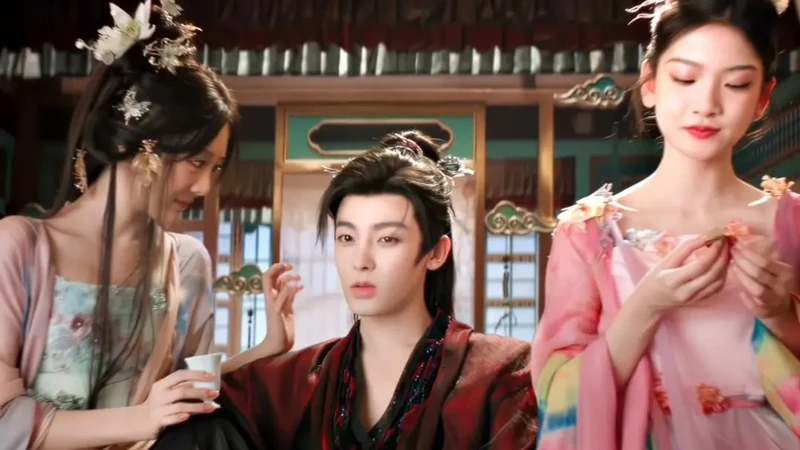
In stark contrast, a flat performance strips a character of its humanity. The second male lead in the same drama offers a masterclass in emotional absence. When confronted by a tearful accusation of betrayal, his face remains a blank mask, devoid of the conflict, guilt, or anguish the moment demands. This failure to project any internal life reduces his character to a mere plot device, severing the audience’s emotional connection to the narrative’s central conflict.
This emotional depth is what separates a memorable character from a forgettable one. It is the difference between watching a person experience a story and watching an actor recite lines. When the emotional current is broken, the story’s tension deflates. The most dramatic plot twists and poignant dialogue lose their impact if the audience cannot see, and therefore feel, the characters’ inner turmoil reflected in the performers’ eyes.
Synergy and Contrast
In Love in the Clouds, the principle of casting synergy is on full display. The actors do not just play their parts in isolation; their performances interact and enhance one another. Hou Minghao (侯明昊) embodies the cunning Ji Bozai (纪伯宰) with a nuanced duality. A careless smile and a flippant tone mask a sharp mind, revealed only by the calculated slowing of his finger taps on a table and the sudden sharpness in his eyes when he plots.
His counterpart, Lu Yuxiao (卢昱晓), shatters the archetype of the invincible war god. As a dancer, her movements are soft and graceful, yet her eyes flicker with constant vigilance. The transformation is complete when she dons her armor; her posture shifts, her voice firms, and her aura becomes commanding. Yet, a hint of tenderness surfaces when tending to an injured ally, proving strength and softness can coexist.
Their chemistry creates a compelling push-and-pull dynamic. Scenes where they see through each other’s facades are electric with unspoken challenge. The narrative is advanced not just by their words, but by their silent actions—a blocked weapon here, a discreet act of healing there. This layered interaction builds a believable relationship, making their “battle of wits” intensely engaging and grounding the more fantastical elements of the plot in tangible human connection.

Breaking Chains in Period Dramas
Historical costume dramas have long captivated audiences with their vivid depictions of ancient worlds, but many recent offerings struggle to move beyond tired conventions. While some series recycle familiar tropes, others are daring to redefine the genre. This shift reflects a growing viewer appetite for stories that blend tradition with fresh ideas, pushing boundaries in character development and plot depth. The contrast between stagnant formulas and innovative storytelling highlights a pivotal moment for these narratives, where creativity can either flourish or fade.
Stale Formulas
Many period dramas, such as Fated Hearts, cling to predictable patterns that undermine their potential. These shows often build conflict around female characters enduring relentless suffering, using their pain as a primary driver for the story. This approach not only feels repetitive but also neglects the need for logical plot progression. By focusing excessively on melodramatic elements, they miss opportunities to explore richer themes.
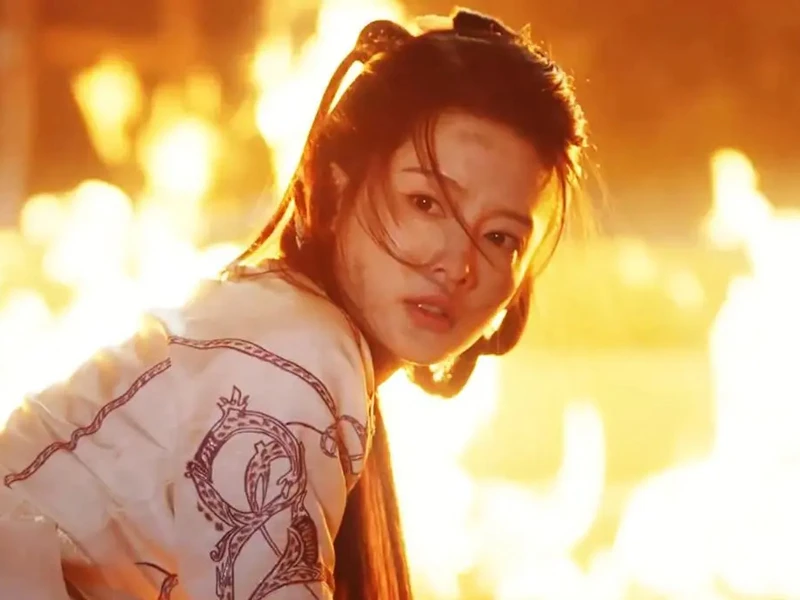
Character dynamics in these productions frequently follow a rigid hierarchy, where male figures dominate and female roles are relegated to passive support. This imbalance strips the narrative of complexity, reducing interactions to simplistic power struggles. Audiences are left with shallow portrayals that fail to resonate on a deeper level. Such one-dimensional relationships can make the entire experience feel hollow and uninspired.
Moreover, the emphasis on romantic entanglements often overshadows any meaningful commentary on broader societal issues. Love stories are presented in a vacuum, disconnected from the historical or cultural context that could lend them weight. This narrow focus limits the genre’s ability to engage with topics like justice or community, leaving viewers with a sense of unmet potential. As a result, these dramas risk alienating those seeking more substantive content.
Fresh Directions
In contrast, series like Love in the Clouds introduce a dynamic blend of suspense and fantasy that revitalizes the genre. The plot weaves together elements like the search for mystical artifacts with intellectual duels between characters, creating a layered narrative. This fusion keeps audiences engaged by offering unexpected twists and a sense of mystery. It demonstrates how genre boundaries can be stretched to include diverse storytelling techniques.
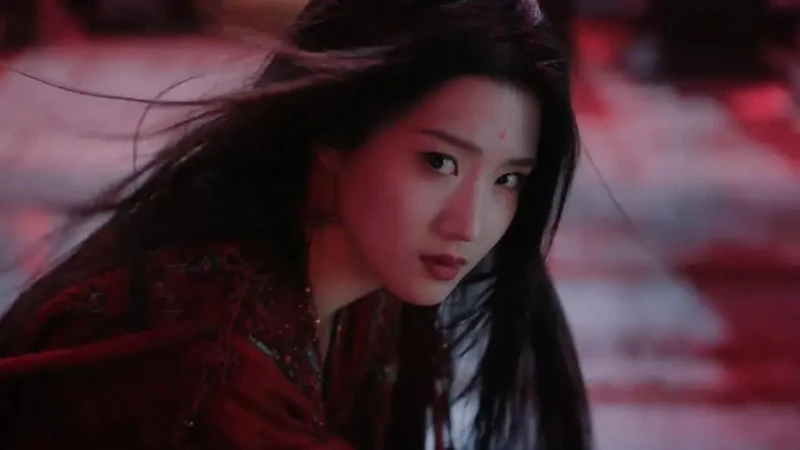
Characterization here breaks from tradition by presenting strong, independent figures who drive the action forward. The female lead, for instance, pursues her own missions and makes decisions based on principle rather than emotion. This autonomy allows for a more balanced power dynamic, where relationships are built on mutual respect rather than dependency. Such portrayals add depth and relatability to the story.
Themes of social inequality and collective duty are explored with a seriousness that elevates the drama beyond mere entertainment. By addressing issues like prejudice and sacrifice for the greater good, the series invites viewers to reflect on real-world parallels. This thoughtful integration of ideas enriches the viewing experience, proving that period settings can serve as a backdrop for profound discussions. It sets a new standard for what these narratives can achieve.

Summary
Fated Hearts, starring Li Qin, faced significant criticism for its cliché-ridden plot, including amnesia tropes and illogical narrative progression. Viewers were particularly disappointed by its failure to deliver on a promised “strong female general” premise, instead relying on gratuitous abuse scenes and a problematic hero-rescues-heroine dynamic. Excessive skin smoothing filters further detracted from the viewing experience. Consequently, its ratings plummeted to 4.7, with a high audience abandonment rate.
In contrast, Love in the Clouds, featuring Hou Minghao and Lu Yuxiao, was praised as a refreshing breakthrough. Its success is attributed to an innovative “double-strong” setup where the cunning male and female leads engage in a battle of wits. The series is commended for its sophisticated aesthetics, meticulous production design, and fast-paced, intelligent plot that respects the audience’s intelligence. It achieved high platform heat ratings of over 9000, signaling a hit.
This stark contrast signals that the era of relying on stale formulas and traffic stars is over. Audiences now demand logical storytelling, soulful characters, and genuine innovation, a standard that Love in the Clouds meets and Fated Hearts fails to deliver.



This review hit the marks!
Thanks for the love! Glad my analysis landed right 🫶