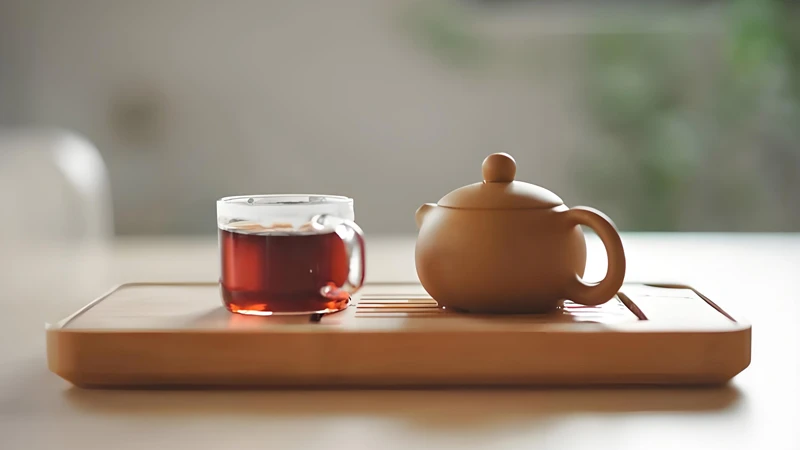
In a quiet room, the simple act of making tea becomes a focused ritual. Chayi (茶艺) is this practice, where handling leaves and water demands care. It starts with selecting the right leaves, understanding that each type holds unique character. The process is not rushed; it is about presence and attention to detail.
Four elements shape a good brew. First, the amount of tea relative to water sets the foundation. Too many leaves, and the drink turns sharp; too few, and it feels empty. Second, water heat is critical. Delicate greens need cooler temperatures to avoid bitterness, while robust blacks require near-boiling points to open up fully. Third, timing the steep is essential. Seconds can shift flavors from smooth to rough. Fourth, consider how many times you can reuse the leaves. Quality ones often yield multiple infusions, each revealing new notes. Adjusting these factors based on the tea variety—like oolongs that unfold over short steeps—makes the experience personal and dynamic.
Beyond technique, the setting matters. The teapot, the cup, and the space around you influence the moment. It is a blend of method and mood, creating a pause in the day. Through practice, one learns to feel the balance, turning routine into something meaningful and fresh.

1. The Perfect Cup: A Practical Guide
Brewing tea is a simple act with a deep complexity lying just beneath the surface. The transformation of dry leaves into a fragrant infusion is a delicate dance between leaf and water, governed by a few fundamental principles. It is not about secret rituals but about understanding how water temperature, leaf quantity, steeping time, and the tea itself interact. Mastering these elements unlocks the full potential in your cup, turning a daily habit into a personal discovery of flavor and aroma. This guide walks through the essential steps to consistently brew a better, more satisfying pot of tea.
1.1 Leaf and Water
The amount of tea used relative to water is the first critical decision. A common misstep is using too few leaves, resulting in a weak, insipid brew, or too many, which creates a harsh, bitter drink. The general rule for black or green teas is one gram for every fifty to sixty milliliters of water. For a standard cup, this translates to about three grams of tea. However, Pu-erh (普洱茶), with its compressed, dense leaves, requires a heavier hand, often five to eight grams to develop its characteristic depth.
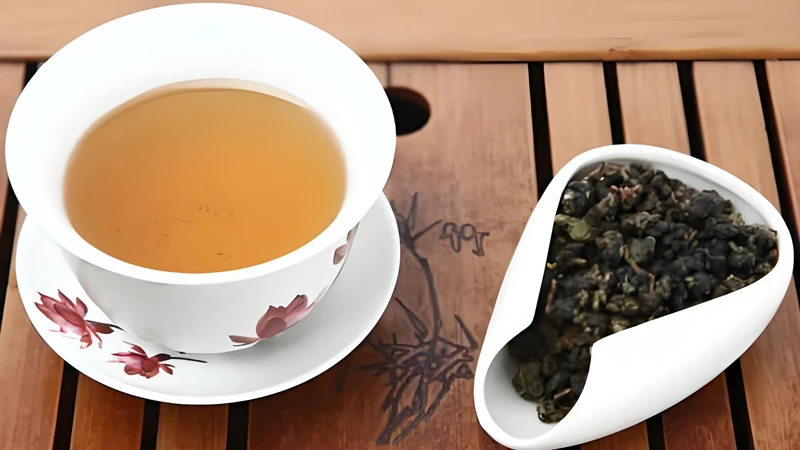
Personal preference and the type of tea also guide the ratio. Oolong tea traditionally enjoyed for its complex aftertaste and scent, calls for a high leaf-to-water ratio, sometimes filling a third to half of a small teapot. The age and experience of the drinker matter too; seasoned enthusiasts often prefer a stronger brew than those new to tea. While a robust cup can be inviting, consistently drinking very strong tea is not advisable, as it can be harsh on the digestive system. The ancient advice to err on the side of a lighter brew holds wisdom for daily enjoyment.
1.2 Water’s Heat
Water temperature is not a one-size-fits-all instruction. Boiling water can be an enemy to delicate leaves. Pouring it over a fine Longjing (龙井) green tea will scorch the leaves, destroying their fresh, vibrant character and extracting excessive bitterness. The ideal range for such premium green teas is lower, between 80 and 85 degrees Celsius. This preserves the tea’s sweet notes and prevents the visual disappointment of leaves that have been stewed rather than gently awakened.
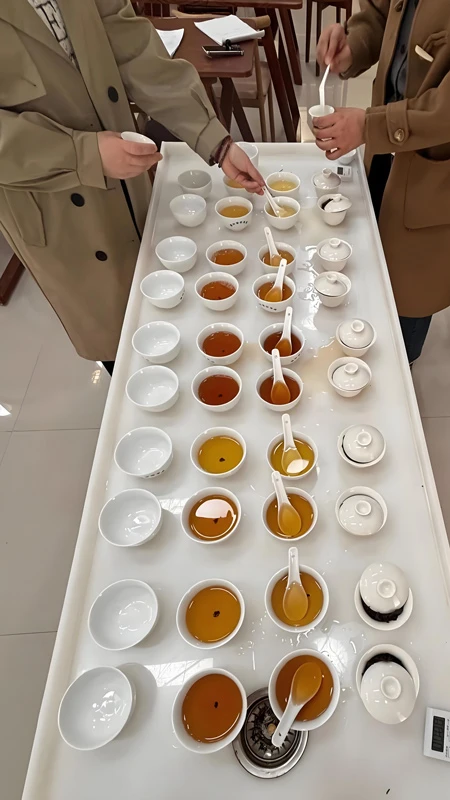
Conversely, other teas demand the full force of heat. Robust Oolong, aged Pu-erh, and black teas require water at a rolling boil, around 100 degrees Celsius, to fully pull out their rich flavors and aromatic compounds. For these teas, preheating the pot with hot water is a crucial step to maintain the temperature throughout the brewing process. Using water that is too cool for these varieties leaves the tea flat and underwhelming, as the tight curls of the leaves fail to unfurl and release their essence.
1.3 Timing the Brew
The duration of the steep directly shapes the tea’s personality in your cup. For a standard black tea, three to five minutes produces a balanced cup. In the first few minutes, the water coaxes out amino acids and vitamins, contributing to a tea that is smooth and refreshing. Allowing the leaves to sit for too long, however, gives tannins and other bitter compounds dominance, resulting in an astringent and less fragrant beverage.
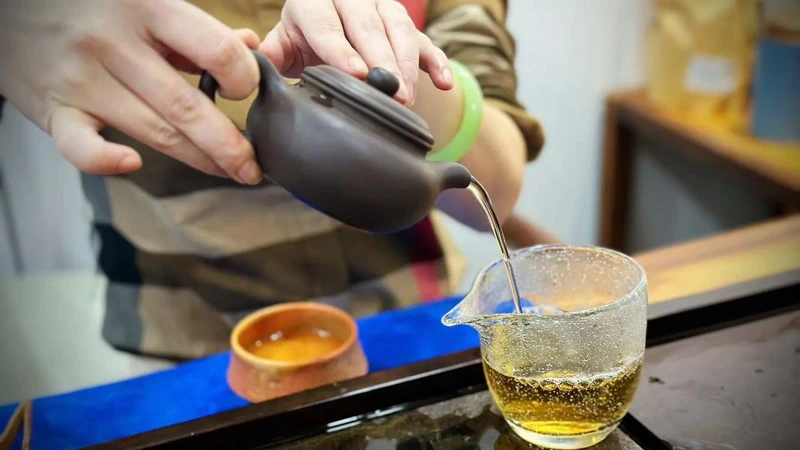
Different teas operate on their own clocks. Fragrant Oolong and jasmine teas need only two to three minutes to avoid losing their precious, volatile aromas. White teas, which are largely unprocessed, require even more patience. Their leaves may take up to ten minutes to slowly sink and release their subtle, sweet liquor. The physical form of the tea is a key timer; broken leaves or small particles infuse quickly, while whole, tightly rolled leaves ask for more time to tell their full story.
1.4 Multiple Infusions
A single serving of quality tea leaves can often tell a story across multiple brews. The first infusion typically extracts about half of the leaves’ soluble material, yielding a bright and potent cup. A second steep will draw out another thirty percent, often revealing different, sometimes smoother, flavor notes. By the third infusion, the output diminishes significantly, and a fourth steep usually produces little more than tinted water for most standard teas.
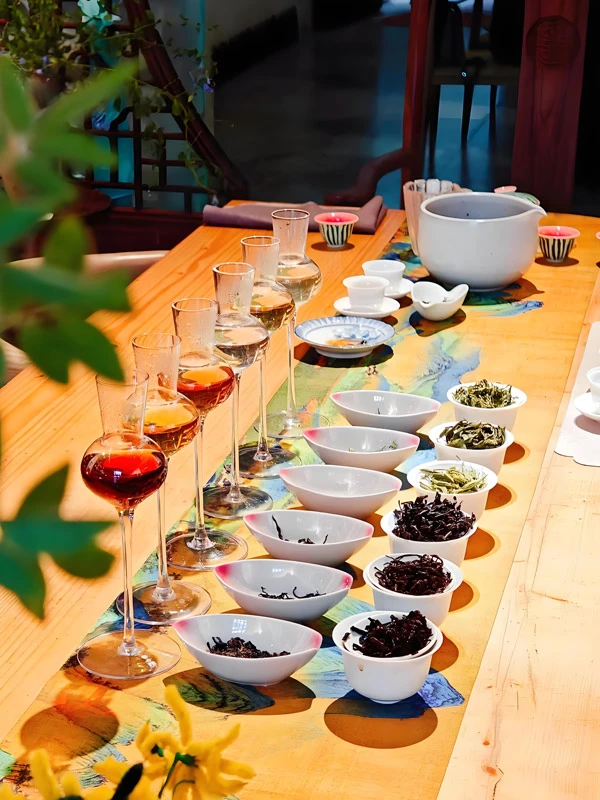
This pattern shifts dramatically with certain types. Densely rolled Oolong teas, brewed in a small pot with a large quantity of leaves, are famous for their endurance. They can withstand four to six infusions, each one subtly evolving from the last. In contrast, broken-leaf teas or tea bags exhaust their content almost entirely in one go. Understanding a tea’s capacity for reuse not only deepens the tasting experience but also offers greater value from every leaf.

2. Selection of water for brewing tea
Water is the silent partner in the tea ceremony, a element so fundamental that its quality can elevate or diminish the finest leaves. Historical texts and modern practice agree that the liquid used to steep tea is not merely a solvent but an active participant in revealing flavor and aroma. A great tea paired with poor water will never reach its potential, while average leaves can shine when met with the right source. This relationship between leaf and liquid has been studied for centuries, shaping traditions and scientific understanding alike. The quest for perfect tea water spans from ancient mountain springs to contemporary filtration systems, all seeking to unlock the full experience in every cup.
2.1 Historical Insights
Centuries ago, the Chinese emperor Song Huizong (宋徽宗) articulated a clear vision for ideal tea water in his work Da Guan Cha Lun (大观茶论). He prized water that was clear, light in body, sweet on the tongue, and cold from the earth. These characteristics were seen as markers of purity and vitality, essential for allowing the tea’s true nature to emerge. Later scholars added a fifth attribute: liveliness, referring to water from moving sources like streams and rivers, which was believed to carry a dynamic energy.
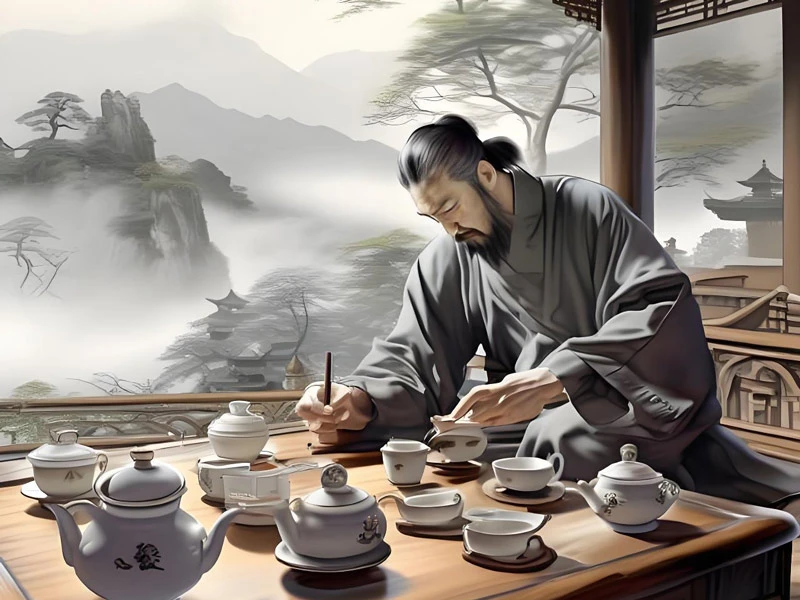
The Tang Dynasty scholar Lu Yu (陆羽), in his foundational text Cha Jing (茶经), established a hierarchy for water sources. He placed mountain spring water at the pinnacle, especially water that seeped slowly through rock pools. Water from swift waterfalls was to be avoided, as its turbulent nature was thought to be less harmonious. River water was considered a second choice, and well water a distant third. This preference for natural, flowing water underscored a deep respect for the environment’s role in creating quality.
This historical perspective was not merely philosophical; it was born of observation. Ancient tea masters noticed that water from certain locations consistently produced a superior brew. They sought out springs in places like Yuquan Mountain (玉泉山), whose waters were famously light. This empirical approach, refined over generations, laid the groundwork for a sophisticated understanding of how dissolved minerals and gases in water interact with tea compounds, long before modern chemistry could explain why.
Art in a Teacup: The Song Dynasty’s Revolution in Tea Culture
2.2 Modern Priorities
Today’s tea specialists still uphold the five core principles for water, viewing them through a scientific lens. Clarity remains the first priority; water must be free of visible particles and cloudiness to avoid masking the tea’s color and taste. Any turbidity or foreign matter can introduce off-flavors and disrupt the visual appeal of the liquor. This fundamental requirement ensures that the tea’s own character is the star of the infusion, not overshadowed by impurities from the water itself.
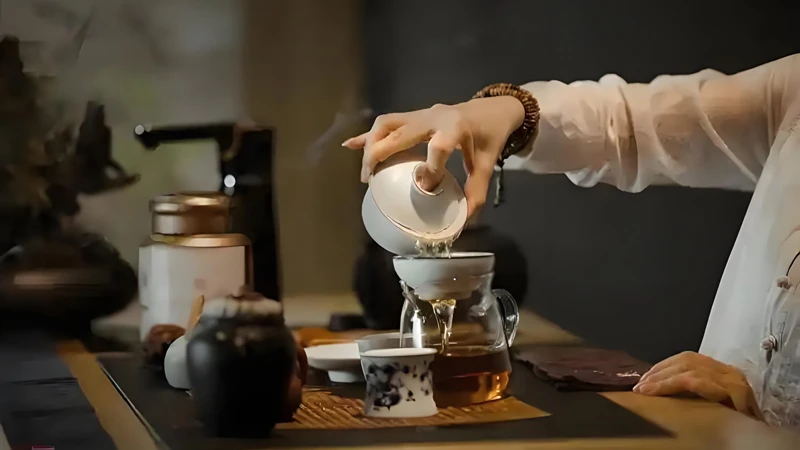
The concept of lightness is now understood as low mineral content. Water with a high concentration of dissolved solids, like calcium or magnesium, can make tea taste flat or bitter. The famous waters of Yuquan Mountain were valued for their low specific gravity, a fact confirmed by contemporary analysis. Excessive iron can darken the tea soup, while aluminum and other metals can introduce harsh, astringent notes that overpower the leaf’s delicate profile.
Sweetness and coldness are sensory markers of purity. A slightly sweet aftertaste indicates a lack of contaminants, while cold water, often drawn from deep aquifers, is typically free from organic pollution. The final attribute, liveliness, refers to oxygen-rich water that has not stagnated. Flowing water inhibits bacterial growth and retains dissolved gases that contribute to a fresher, more vibrant cup, making the tea taste alive and invigorating.
2.3 Measured Quality
Beyond sensory appreciation, defined standards ensure water safety and suitability. Sensory benchmarks require that water have no more than a slight haze and be free of any strange odor or visible particles. These simple checks are a first line of defense, guaranteeing that the water will not impart any immediate negative qualities to the tea. They align with the ancient desire for visual and olfactory purity before the brewing even begins.

Chemical parameters provide a numerical framework. The pH should be nearly neutral, and total hardness is kept low to prevent scale and flavor interference. Limits are set for metals like iron, copper, and manganese, as even small amounts can react with tea compounds, altering color and creating metallic or bitter tastes. These guidelines help avoid the chemical interactions that ancient tasters identified through experience alone.
Toxicological and bacterial limits address health directly. Strict controls are placed on elements like lead, arsenic, and fluoride to ensure the brewed tea is safe for consumption. Furthermore, low counts for total bacteria and coliforms confirm the water’s hygienic quality. These modern standards formalize the age-old pursuit of pure water, combining the wisdom of the past with the assurances of current science for a perfect, safe infusion.

3. The 5 Steps to Savoring Fine Tea
Tea appreciation is a personal journey that engages the senses in subtle ways. Rather than following rigid rules, it invites individuals to explore flavors and aromas that resonate with their preferences. From the shape of dry leaves to the final sip, each step reveals something unique about the tea’s character. This process is not about labeling teas as good or bad, but about discovering what makes each variety special. Whether you are new to tea or a seasoned enthusiast, these steps can deepen your connection to this ancient beverage.
3.1 Leaf Inspection
Begin by examining the dry leaves before brewing. Their shape can vary widely, from flat needles to tight curls, each telling a story of its origin and processing. For instance, Longjing often appears as flat, sword-like pieces, while Tieguanyin (铁观音) is rolled into small, dense balls. Look for leaves that are dry to the touch and free of excess stems or debris, as these indicate careful handling and quality.
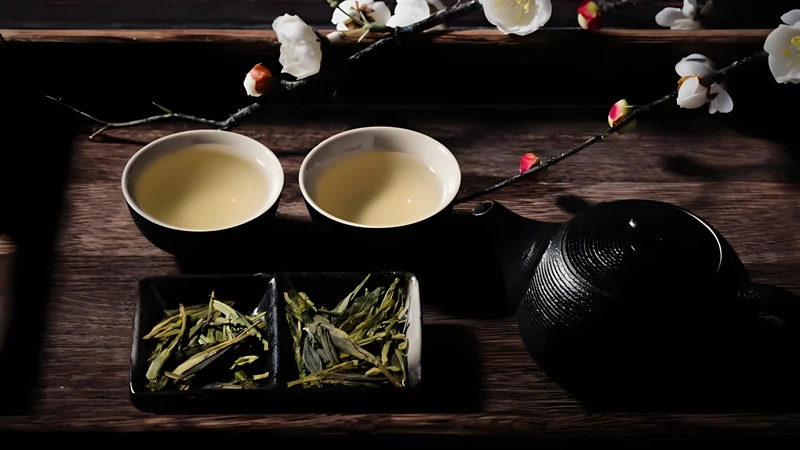
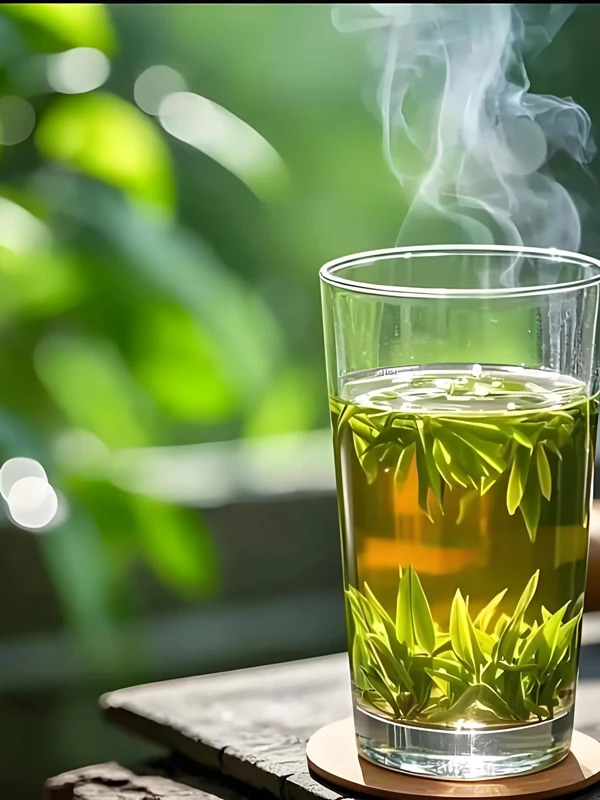
When hot water is added, the leaves slowly unfurl, revealing their true form. This transformation is like a silent performance, where tightly wound leaves expand into graceful shapes. Some may stretch like bamboo shoots, while others curl like orchid petals. Observing this change helps assess the tea’s freshness and craftsmanship, as higher-grade leaves tend to open evenly and retain their structure.
While dry leaf inspection offers clues, it only tells part of the story. Factors like cultivar and harvesting time influence the appearance, but the full evaluation requires engaging other senses. A tea’s value lies not just in its looks, but in how it behaves when met with water, setting the stage for further exploration.
3.2 Color Tales
The color of tea spans a spectrum, influenced by oxidation and processing methods. Green teas show shades of jade or emerald, while black teas might appear deep amber with reddish hints. Biluochun (碧螺春), a green tea, often has a silvery-green hue, and oolongs like Dongding (冻顶) display a dark, olive tone. These colors hint at the tea’s background and expected flavor profile.
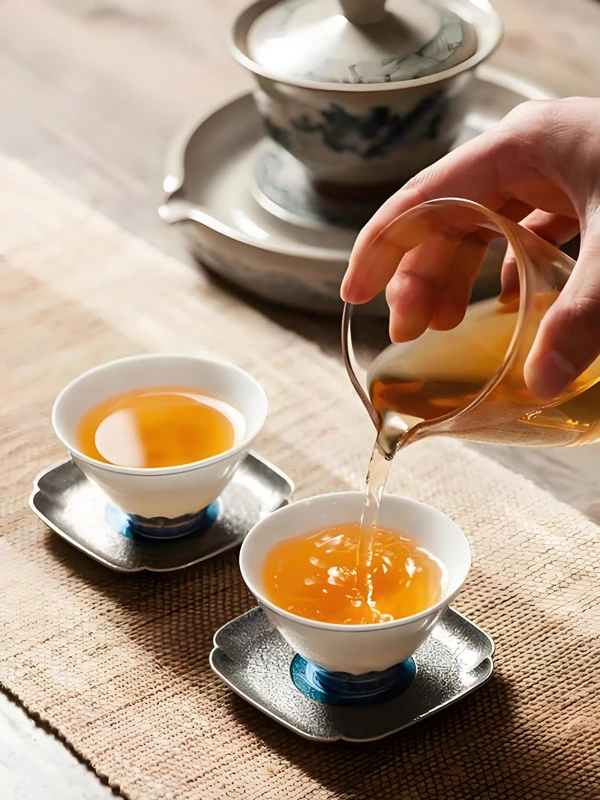
Once brewed, the liquid, or “soup,” should be clear and bright, not cloudy or dull. A vibrant green tea might have a pale yellow-green infusion, whereas a robust black tea could show a rich, coppery glow. Changes in temperature can alter the hue; for example, cooling might cause some teas to darken or develop a hazy appearance, which can indicate depth or flaws.
After drinking, examine the spent leaves at the bottom of the cup. Their color and texture—whether tender and uniform or rough and uneven—provide final insights. A consistent, lively shade suggests careful picking and processing, completing the visual narrative of the tea’s journey from leaf to cup.
3.3 Water Ballet
As tea leaves soak, they dance in the water, unfolding in patterns that reflect their identity. Junshan Yinzhen (君山银针) might rise and fall like needles, while Taiping Houkui (太平猴魁) can resemble playful monkeys swaying in a current. This movement is not just visual; it signals how well the leaves release their essence.
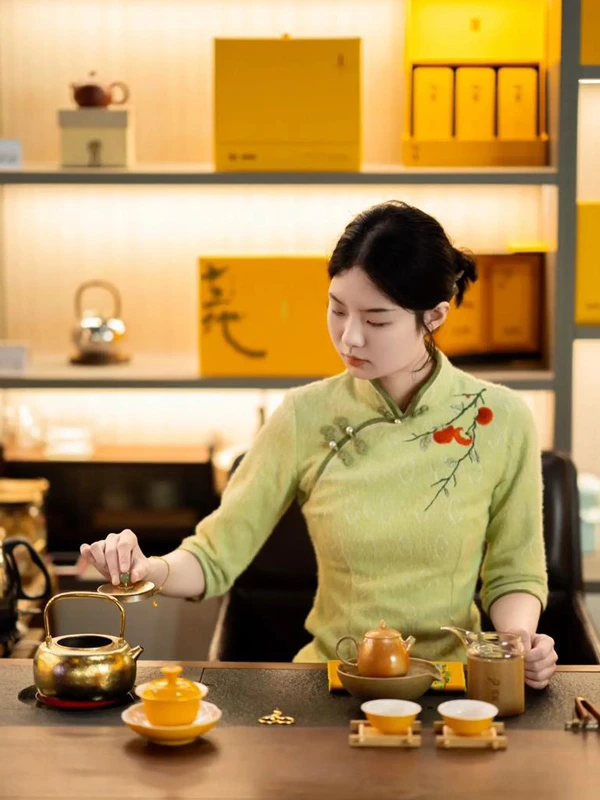
The rate and manner of unfurling also relate to the tea’s density and roll. Tightly wound oolongs may open slowly, layer by layer, whereas delicate greens might expand quickly. Watching this process can be meditative, as it reveals the leaf’s resilience and the skill involved in its shaping during production.
Ultimately, a tea that moves gracefully and fully opens is often of higher quality. It suggests fresh leaves and precise handling, making the brewing experience both aesthetic and informative. This step connects the drinker to the tea’s vitality, turning preparation into a moment of appreciation.
3.4 Aroma Journey
Start by smelling the dry leaves to catch initial scents, which range from grassy and fresh to toasty and sweet. Baozhong (包种) oolong might offer floral notes, while roasted Wuyi (武夷) teas can have a mineral, woody fragrance. A clean, inviting aroma without off-notes like smoke or dampness points to good storage and processing.
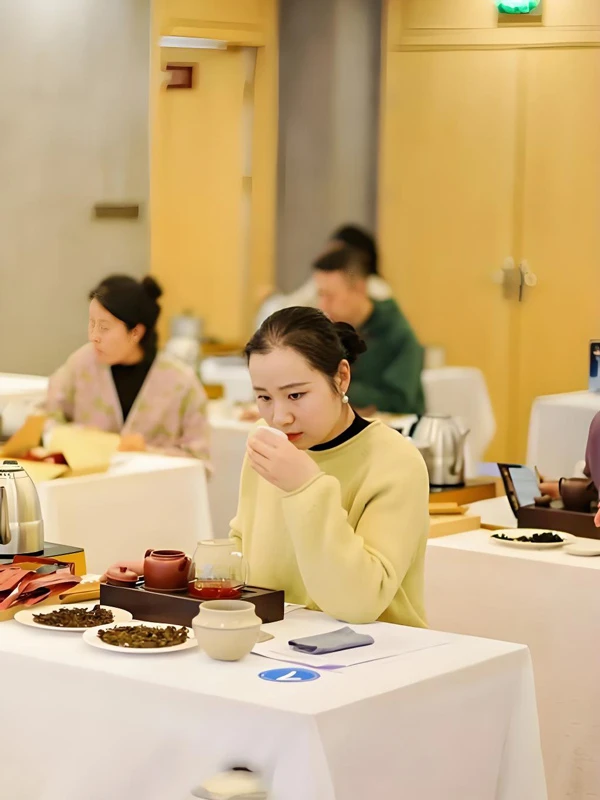
After brewing, inhale the steam rising from the cup to detect the tea’s core fragrance. This “hot sniff” might reveal fruity hints in black teas or vegetal tones in greens. As the liquid cools, the scent evolves, allowing you to notice subtler layers, such as a lingering sweetness or a crisp finish that indicates complexity.
Finally, revisit the aroma once the tea is gone, using the empty cup or wet leaves. A lasting, pleasant smell—often called the “cold fragrance”—signals a well-made tea. This three-part approach helps map the scent from first impression to final memory, enriching the overall experience.
3.5 Flavor Profile
Tasting tea involves letting the liquid roll across the tongue to detect balance and depth. Ideal teas often have a slight bitterness that gives way to sweetness, creating a harmonious aftertaste. For example, fresh Maojian (毛尖) green tea might be brisk and clean, while aged Pu’er (普洱) can be earthy and smooth.
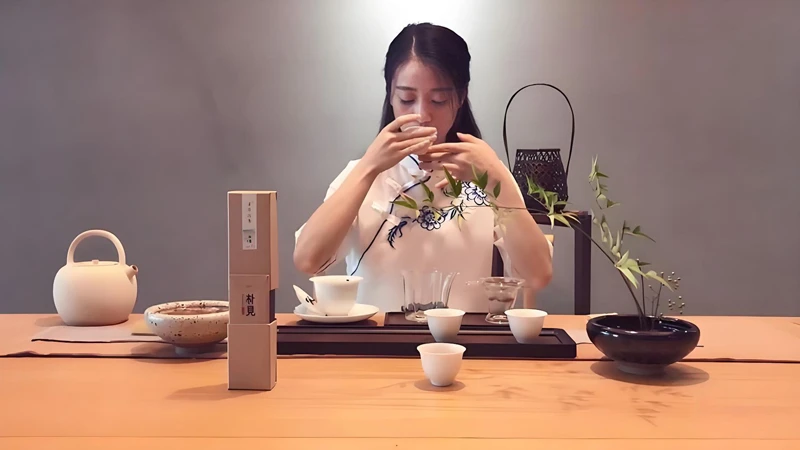
Pay attention to texture and how the flavor changes with temperature. Sipping at around 40–50°C allows the nuances to emerge without scalding or muting the taste. Avoid strong foods beforehand to keep your palate sensitive, and notice if the tea feels thick and coating or light and crisp.
The finish how the taste lingers after swallowing is crucial. A quality tea leaves the throat feeling moist and refreshed, with flavors that echo pleasantly. This final step ties everything together, turning a simple drink into a memorable encounter with nature’s subtleties.
4. How to Savor Different Teas
Tea offers a range of experiences shaped by its type. Each variety demands a unique approach to fully appreciate its character, turning tasting into a personalized ritual.
4.1 Green Tea
Premium green tea engages multiple senses. Observe the leaves dance in clear water, then note the color change. Inhale its gentle fragrance before letting a small sip roll across your tongue to detect its fresh, delicate taste.
4.2 Oolong Aroma
Oolong tasting prioritizes scent and flavor. In Taiwan (台湾), the aroma is key, while Chaoshan (潮汕) prefers hot sips. Pour tea into cups, bring it near your nose to smell, then take small, slow drinks to savor the complex notes.
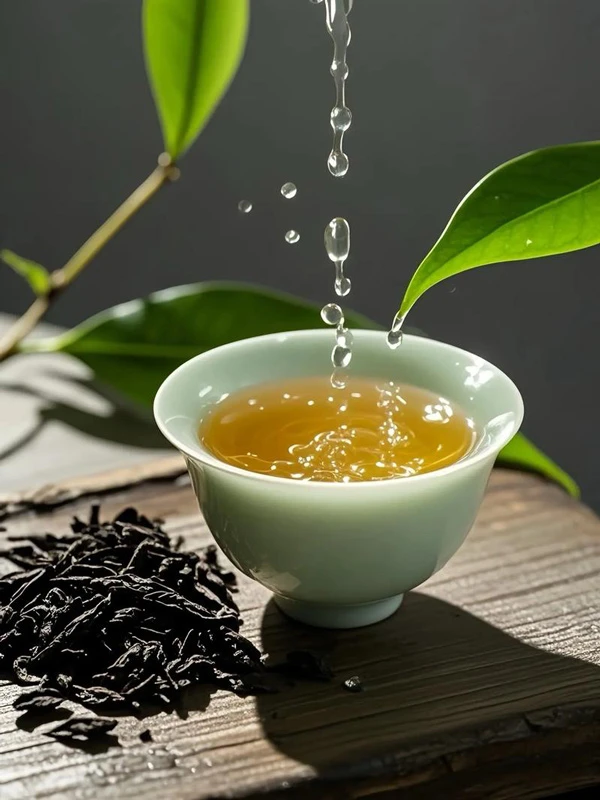
4.3 Black Tea
Black tea wins fans with its deep color and sweet profile. Served plain or mixed with ingredients like lemon, it rewards those who pause to smell, look, and taste deliberately, discovering its rich layers.
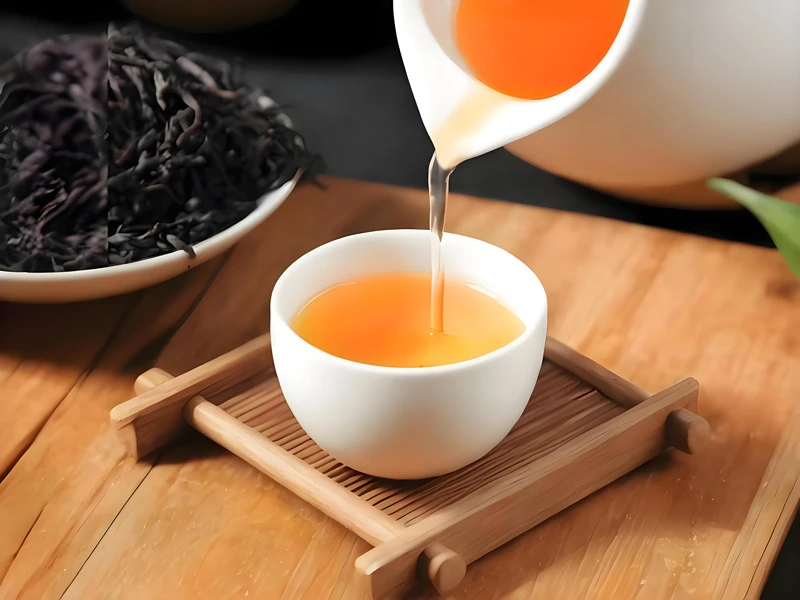
4.4 Floral Blends
Flower teas merge tea depth with floral brightness. Brewed in lidded cups, watch leaves unfurl. After steeping, smell the infused scent, then sip while gently inhaling to let the blend coat your mouth evenly.

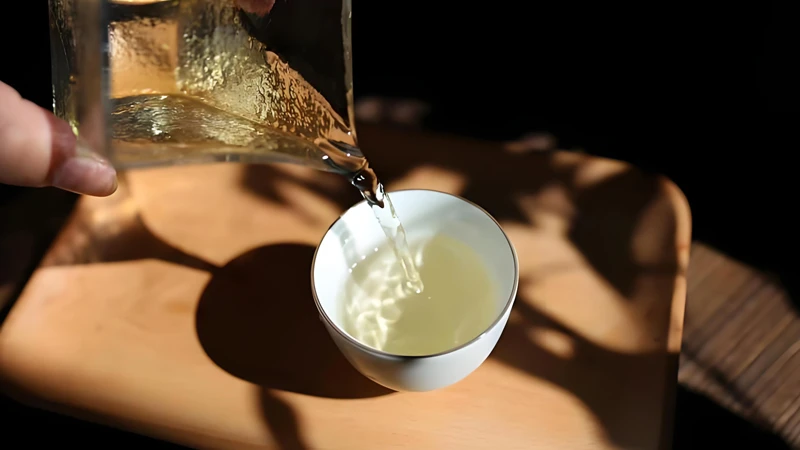
4.5 Visual Teas
White and yellow teas, such as Baihao Yinzhen (白毫银针), highlight appearance. Use clear glasses to see needles float and settle upright. Delay drinking to enjoy the mild aroma and subtle, clean flavor that follows.

Summary
This passage explores the art of tea brewing and appreciation, known as Chayi. It emphasizes that creating an excellent cup of tea is a mindful ritual, dependent on mastering four key elements: the leaf-to-water ratio, precise water temperature, accurate steeping time, and understanding the potential for multiple infusions. Different teas, from delicate greens to robust oolongs, require specific adjustments to these factors.
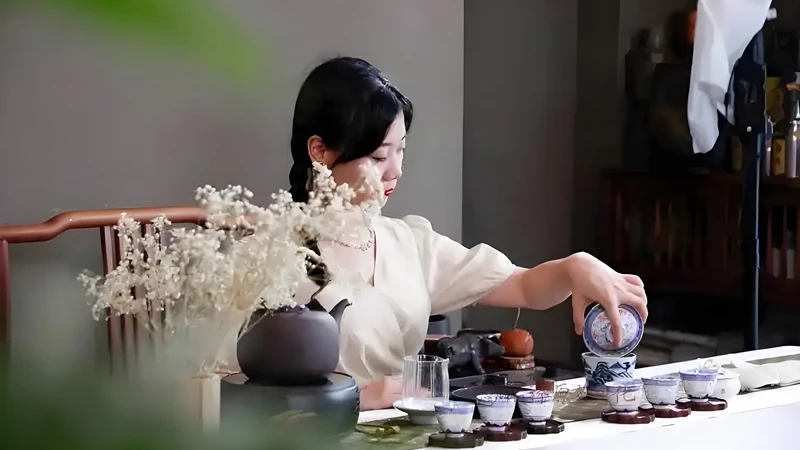
Furthermore, the quality of water is crucial; it should be clear, light, and pure to properly reveal the tea’s character. The final aspect is the holistic experience of savoring tea, which involves engaging all senses—inspecting the leaves, observing the liquor’s color, watching the leaves unfurl, and appreciating the evolving aroma and flavor profile from the first sip to the lingering aftertaste. Ultimately, this practice transforms a simple brew into a meaningful and personal moment of discovery.