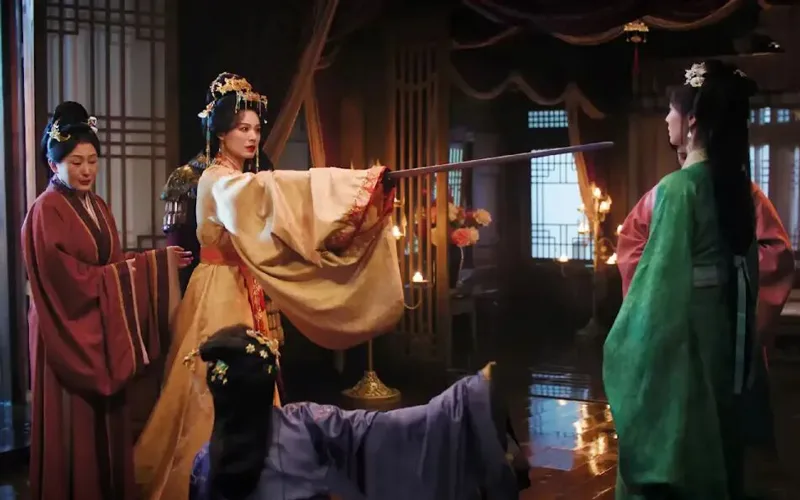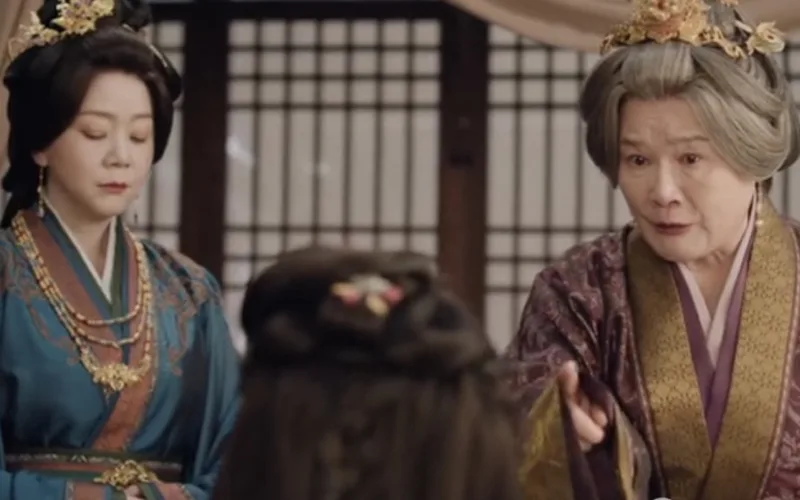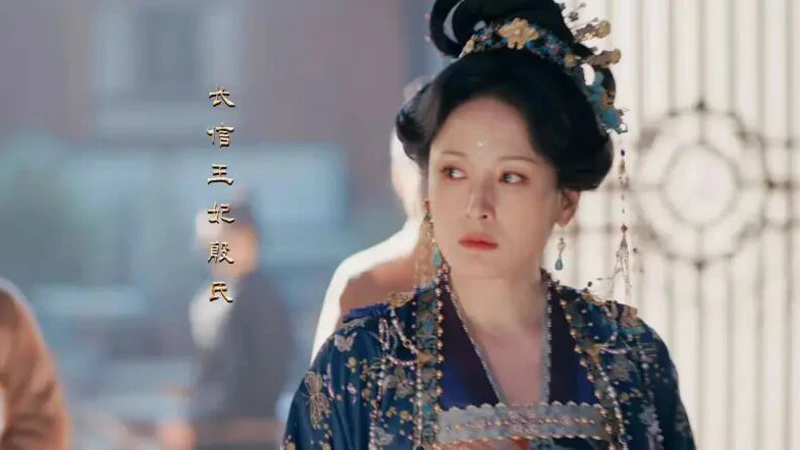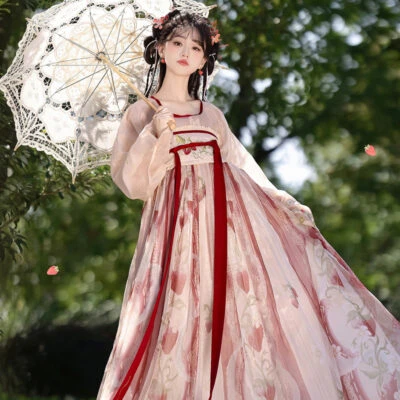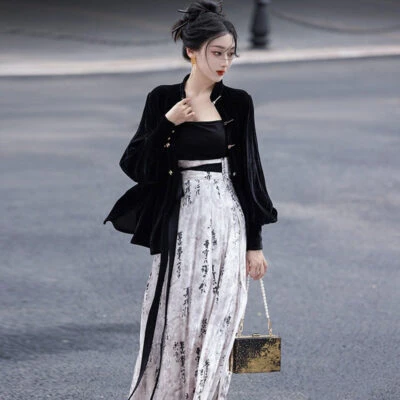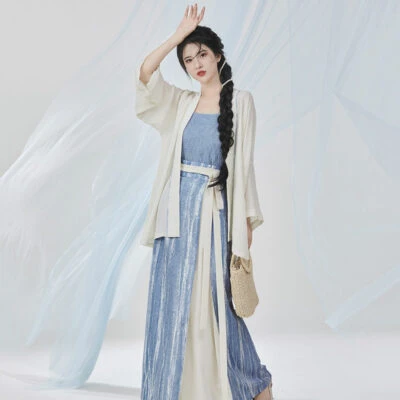
The new historical comedy Yummy Yummy Yummy (宴遇永安) transports viewers to the bustling streets of the Tang Dynasty (唐朝), where lavish banquets and intricate politics collide. This series, set against a backdrop of steaming delicacies and vibrant marketplaces, promises an escape into an era of cultural flourishing. With production design that meticulously recreates ancient architecture and traditional Hanfu costumes, the show immerses audiences in a world of sensory delights.
From sizzling roasted camel to delicate steamed crabs, the culinary visuals are a feast in themselves, enhancing the playful tone of a story blending time-travel antics with detective twists. However, beneath this glossy surface lies a performance divide that has sparked heated discussions among fans, turning what could be a flawless gem into a polarized viewing experience.
Standout Cast
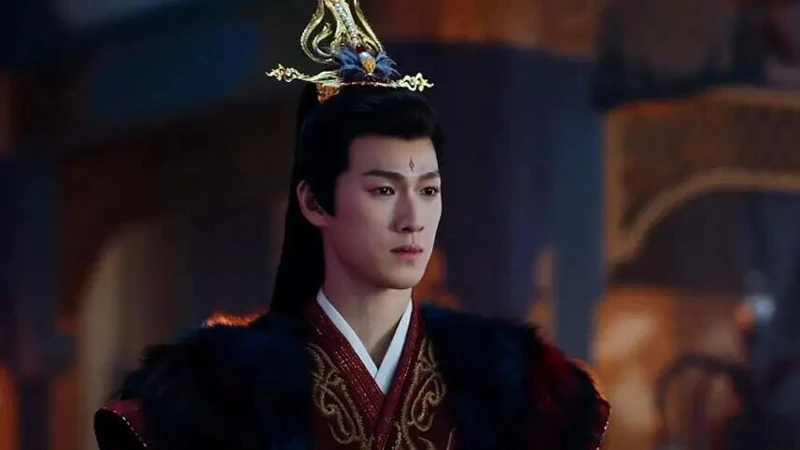
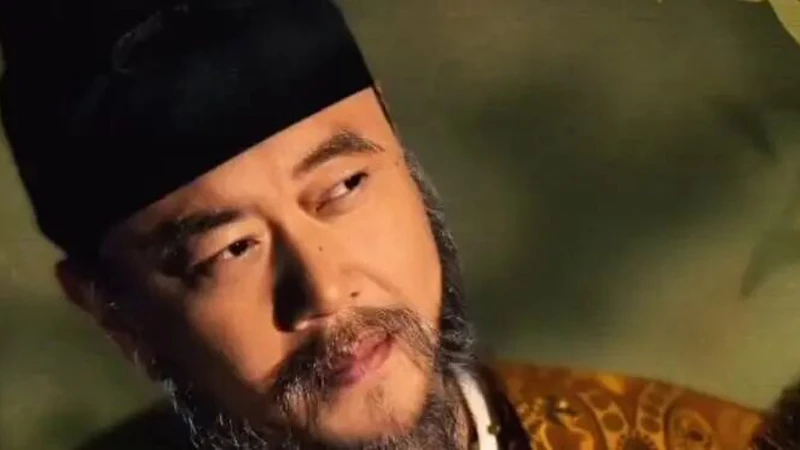
In Yummy Yummy Yummy, Li Yunrui (李云锐) delivers a captivating portrayal of Lin Yan (林晏), a official whose stern exterior masks a passionate food lover. He masterfully shifts between a sharp-eyed investigator and a joyful gourmand, using subtle eye movements and gentle smiles to reveal his character’s layers. Whether he is unraveling clues in a tense scene or savoring a dish with childlike wonder, his performance feels authentic and engaging. This role builds on his past successes, such as the cunning official in Love Like the Galaxy, demonstrating his ability to inhabit diverse historical figures with depth and consistency.
Feng Jiayi (冯嘉怡) brings comedic brilliance to Shen Jianshe (沈建设), a modern chef stranded in ancient times. His portrayal is filled with relatable mishaps, like fumbling through ancient recipes with earnest confusion, which adds warmth to the narrative. Through relaxed body language and expressive glances, he shows Shen’s humorous struggles with his fiery wife, creating moments that resonate with everyday family dynamics. This departure from his usual serious roles highlights his versatility, making the character a beloved anchor in the series’ lighthearted moments.
Sui Junbo (隋俊波) excels as Li Fengxia (李凤霞), the family matriarch whose strength and humor shine in domestic scenes. She balances sharp wit with tender care, whether she is playfully scolding her husband or secretly supporting his endeavors. Her performance avoids melodrama, instead relying on nuanced gestures—like a knowing smirk or a comforting touch—to convey deep affection and resilience. Drawing from her acclaimed role in A Lifelong Journey (人世间), she continues to impress with her ability to embody maternal figures that feel both timeless and deeply human.
Achilles’ Heel
Wang Yinglu’s (王影璐) acting as Shen Shaoguang (沈韶光) disrupts the series’ harmony with exaggerated expressions that feel out of place. In investigative scenes, she widens her eyes excessively, losing the character’s intended cleverness and instead appearing frantic. During exchanges with other characters, her distorted facial movements—such as exaggerated pouts and strained jawlines—overwhelm the dialogue, making it hard to connect with her role. This approach contrasts sharply with the restrained performances around her, highlighting a mismatch in style that pulls viewers out of the story’s immersive world.
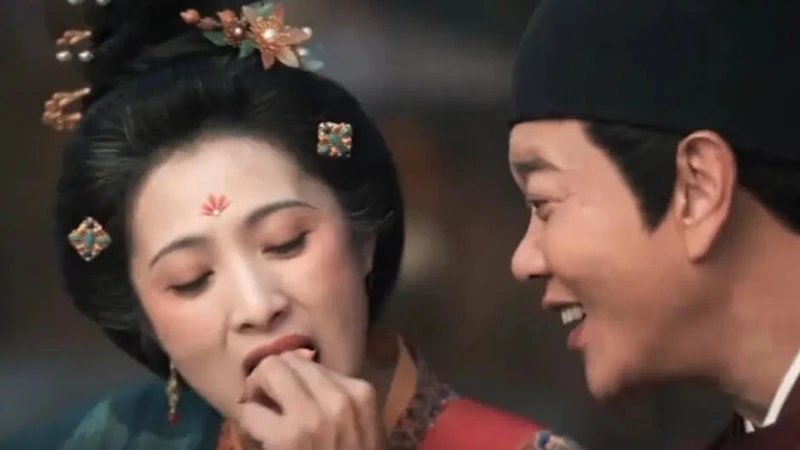
Her performance lacks the subtlety needed for a historical setting, where gestures often carry more weight than words. Instead of conveying Shen’s intelligence through nuanced reactions, she relies on broad, physical comedy that comes across as forced. For instance, in moments meant to show playful banter, her aggressive posturing and erratic vocal delivery strip the character of charm. This inconsistency is especially noticeable alongside veterans like Sui Junbo (隋俊波), who embody their roles with effortless grace, making Wang’s scenes feel like a disjointed addition rather than an integral part of the narrative.
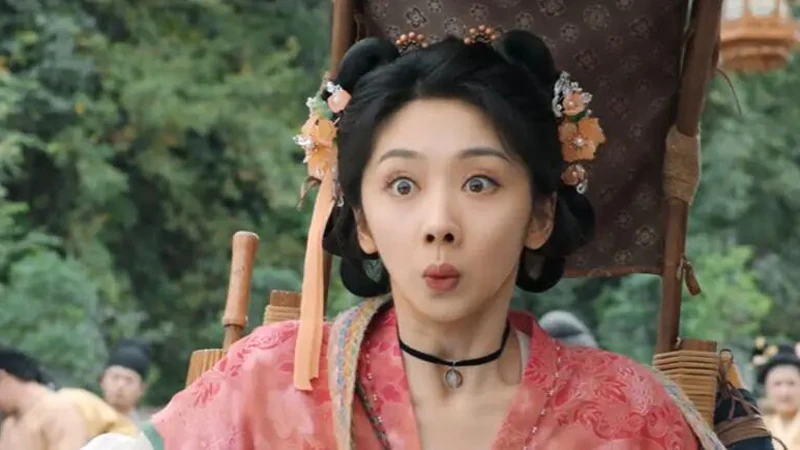
Critics point out that Wang has shown capability in other projects, such as her grounded role in Created in China (淬火年代), where she used controlled emotions to great effect. Here, however, her over-the-top antics suggest a misunderstanding of the genre’s demands, as if she views historical comedy as a license for unchecked expression. This not only undermines her character’s development but also risks alienating audiences who expect cohesion in storytelling. If this pattern continues, it could hinder her growth as an actor and diminish the potential of future productions.