Imagine a garment so versatile it bridged the gap between the dusty plains and the gilded halls of imperial palaces. This was the journey of the Bijia (比甲), a sleeveless jacket that evolved from a Mongol practical essential into a defining icon of Ming Dynasty fashion. Its story is not merely one of changing hemlines and fabrics, but a fascinating reflection of cultural exchange, social mobility, and aesthetic innovation. By tracing its path, we uncover how clothing can transcend its original purpose to become a canvas for identity and artistry.
Saddle to Street
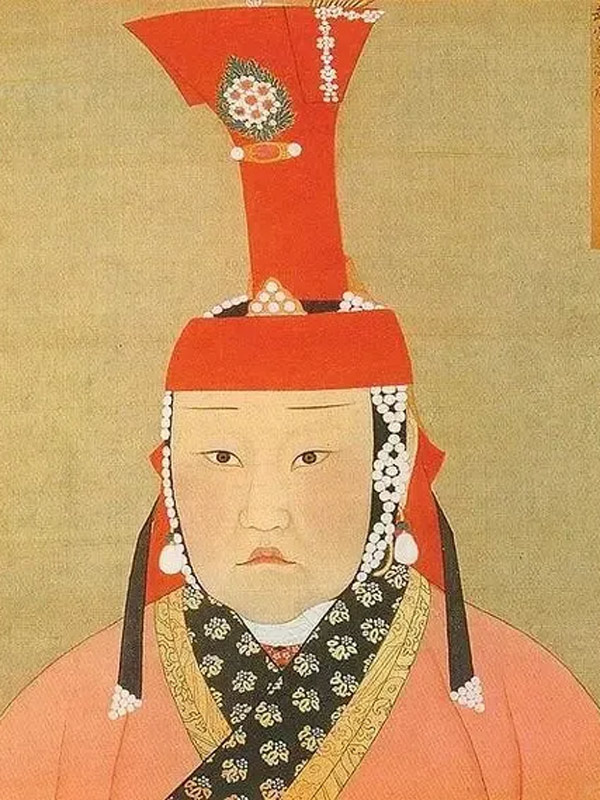
The Bijia's origin is rooted in utility. Designed during the Yuan Dynasty under Empress Chabi (察必) of the Khongirad tribe, its primary function was to facilitate riding and archery. The classic design featured a front opening secured by ties, no sleeves or collar, and a back panel longer than the front. This ingenious cut protected the rider's core from wind while allowing complete freedom of movement for the arms. Initially, it was apparel for the steppe and the aristocracy, a common sight in the Yuan court but rare among the general populace.
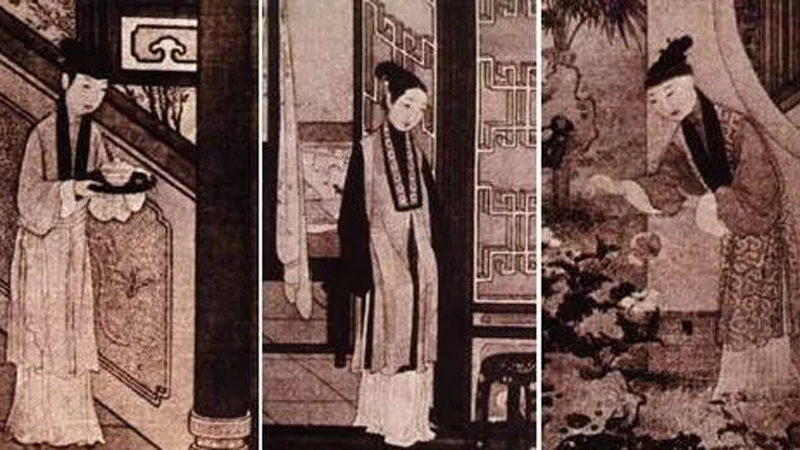
Following the Yuan-Ming transition, one might have expected this distinctly Mongol garment to fade. Instead, it performed a quiet but remarkable integration. Shedding its exclusively equestrian and elite associations, the Bijia was adopted by Ming society. In the early Ming period, it found particular favor not with noblewomen, but with commoners, becoming a staple of practical, everyday dress. This shift marked its first major transformation, crossing both cultural and class boundaries.
The basic form persisted: sleeveless, open-fronted, and slit at the sides. Yet, its length began to vary dramatically, ranging from hip-height to styles that nearly brushed the floor. This adaptability was key to its survival and growing popularity. It was no longer just a riding jacket; it was becoming a foundational layer of the Ming wardrobe, ready for its aesthetic revolution.
A Canvas for Elegance
As the Ming era progressed, the Bijia's role transformed from purely functional to decidedly fashionable. Its design began to prioritize beauty, evolving into a garment that could signify status and taste. For the urban woman, it became an indispensable outer layer, worn over a plain blouse or jacket and paired with a long skirt. The color coordination was deliberate, with the skirt and Bijia creating the visual focus, while the undergarments remained subdued to highlight the jacket's brilliance.
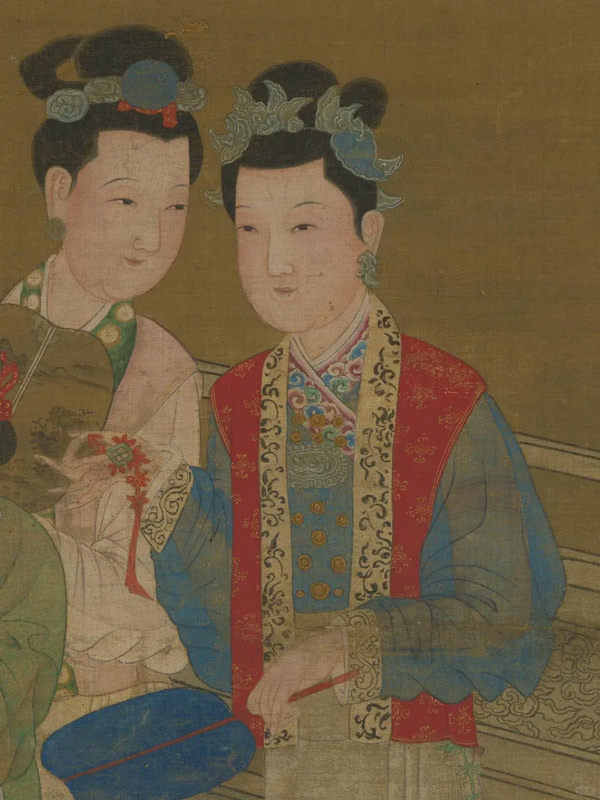
This sartorial sophistication is vividly captured in period literature. In the classic novel The Plum in the Golden Vase (金瓶梅), characters are described wearing "white silk blouses, silver-red Bijia, and embroidered skirts" during mid-autumn. Such passages confirm the garment's integration into the daily life and fashion consciousness of the time. The aesthetic was one of slender elegance; the Bijia's fitted cut was celebrated for making the wearer appear more slender and graceful.
The pursuit of beauty led to breathtaking technical artistry at the highest levels. Excavations from the Dingling (定陵) tomb, the mausoleum of the Wanli Emperor, revealed a Bijia belonging to Empress Xiaojing (孝靖). It was crafted from luxurious Zhuanghua (妆花) satin, embroidered with intricate dragon and longevity symbols, often using gold thread. This stood in stark contrast to the plainer silks or cotton blends used for everyday versions, creating a clear visual hierarchy of material and craftsmanship.
Symbols in Silk and Thread
Beyond beauty, the Bijia served as a subtle communicator of identity and values. The decorative patterns adorning it moved beyond abstract geometry to feature realistic flowers and nature scenes, mirroring a broader Ming artistic trend toward naturalism. The choice of color itself was a silent language. While commoners used softer shades like peach, pale green, or violet, vibrant hues such as bright red, dark blue-black, and the imperial yellow were often reserved for the nobility.
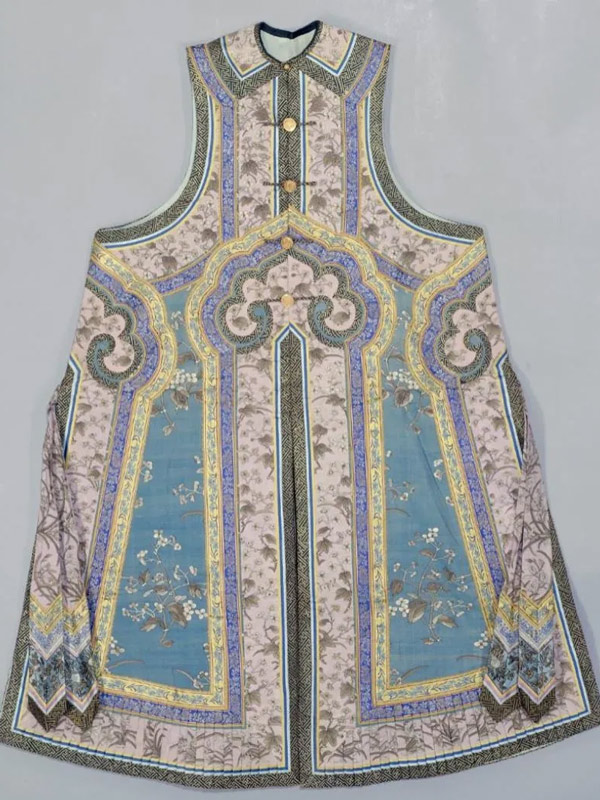
For Mongol women who maintained the tradition, the Bijia remained a symbol of a spirited, mobile heritage, often embellished with gold embroidery and worn with a distinctive flair. For Han women of the Ming, it was reinvented as a symbol of refined, civilian elegance. It represented a fusion of cultures—the pragmatic structure of the north merged with the exquisite decorative sensibilities of the central plains.
Ultimately, the Ming Dynasty Bijia achieved a rare synthesis. It was democratic in its widespread adoption yet exclusive in its most luxurious forms; practical in its conception yet artistic in its execution. It demonstrated how clothing could carry the weight of history while adapting to the rhythms of contemporary life. Its legacy is a testament to the idea that the most enduring fashion is that which seamlessly blends purpose with profound expression, stitching cultural memory into the very fabric of daily wear.