
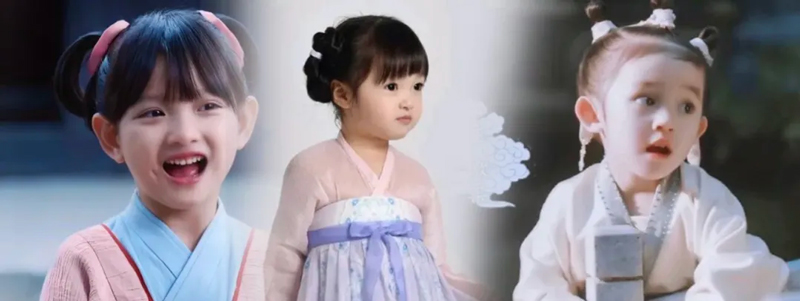
Have you ever noticed how children in historical dramas often sport adult-like hairstyles, stripping away their youthful charm? Recently, shows like The Mo (家业), Flourished Peony (国色芳华), and Joy of Life (庆余年) have sparked discussions by featuring young characters with age-appropriate hairdos, mirroring authentic ancient Chinese practices. This shift not only delights audiences but also revives interest in the nuanced traditions of childhood in dynastic eras. Instead of forcing kids into miniature adult roles, these productions embrace the distinct phases of hair growth that defined youth in places like Tang or Song Dynasty households.
From shaved heads to playful tufts, each style tells a story of growth and cultural identity, making it clear that historical accuracy can enhance storytelling without sacrificing cuteness. As viewers, we are drawn into a world where every braid and bundle reflects a child's journey, reminding us that innocence deserves its own spotlight.
Hair Growth Stages
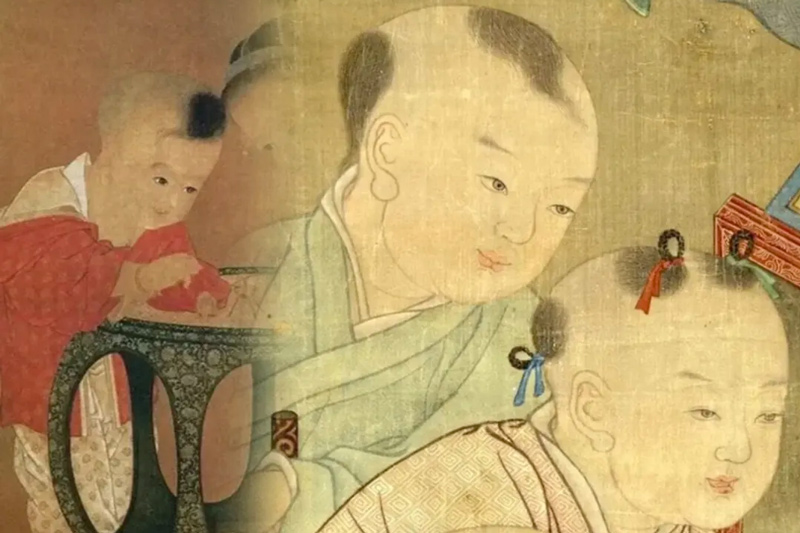
In ancient China, a child's hair journey began with the shaving of infant hair, known as Tai Fa (胎发), to encourage thicker growth. This initial phase, depicted in classical paintings, often featured a simple, triangular patch of hair at the crown called Tiao (髫), which hung loosely and symbolized early childhood. Parents would repeatedly shave the scalp, believing it promoted health, leaving only small sections for decoration.
This practice aligned with the idea that children should appear pure and unadorned, much like the imagery in Tao Yuanming's (陶渊明) poetry where "yellow-haired children with Chui Tiao (垂髫)" played joyfully. As hair grew, families celebrated each milestone, avoiding complex styles until the strands were long enough to handle. This gradual approach ensured that kids remained comfortable and mobile, free from the constraints of adult grooming.
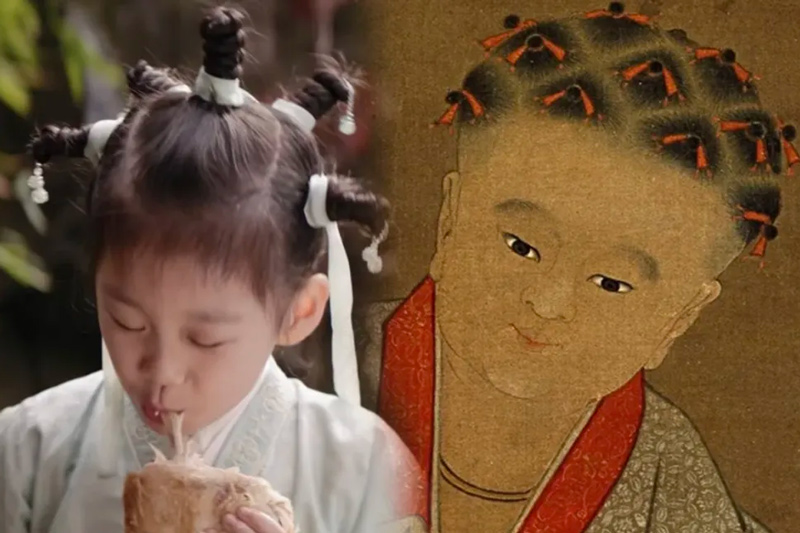
Around the age of three or four, children entered the year of the general horn (总角之年), where leftover Tai Fa was gathered into small buns or pigtails referred to as Zong Jiao (总角). Derived from the Shi Jing (诗经), this term described how hair was "bound into horns," often adorned with colorful ribbons or trinkets to highlight a child's vivacity. Unlike adult hairdos, these styles were flexible and playful, allowing for movement during games and exploration. The use of bright fabrics and simple knots made it easy for parents to showcase their care and affection, turning everyday grooming into a display of family pride. This stage emphasized that childhood was a time for lightness and fun, not rigid conformity to elder standards.
As hair continued to lengthen, styles evolved into more structured forms like Shuang Ya Ji (双丫髻) or Man Tou Ji (满头髻), which involved tying hair into twin buns or letting it flow naturally. During this Xu Fa (蓄发) phase, bangs—originally called Liu Fa (留发), later adapted to "Liu Hai"—were common, often secured with cloth bands or Le Zi (勒子) to keep them from obscuring vision. These accessories, made from soft materials, complemented a child's outfits and added a touch of whimsy. Historical texts like the Xu Han Shu (续汉书) noted that children wore Tong Zi Ze (童子帻), a type of headscarf without internal framing, symbolizing their unfinished growth. This attention to detail in ancient regimens shows how society valued each developmental step, ensuring that appearance matched reality.
Drama Evolution
Recent series like The Mo and Flourished Peony have broken from tradition by accurately depicting these childhood hairstyles, moving away from the "mini-adult" trend. In The Mo, scenes with actress Yang Zi interacting with kids sporting Zong Jiao and other period-appropriate looks evoke the charm of ancient Ying Xi Tu (婴戏图), or "children at play" paintings. This authenticity resonates with audiences, who appreciate the nod to historical realism over theatrical exaggeration. By focusing on simple, age-specific designs, these shows highlight the innocence of youth, making characters more relatable and endearing. The careful research behind each hairstyle not only educates viewers but also fosters a deeper connection to the cultural roots of family life in imperial China.
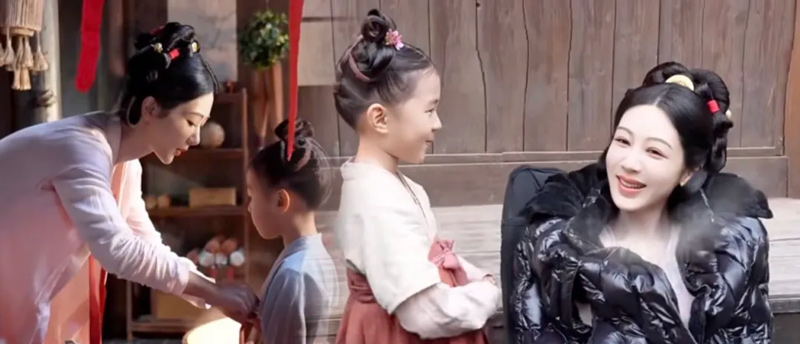
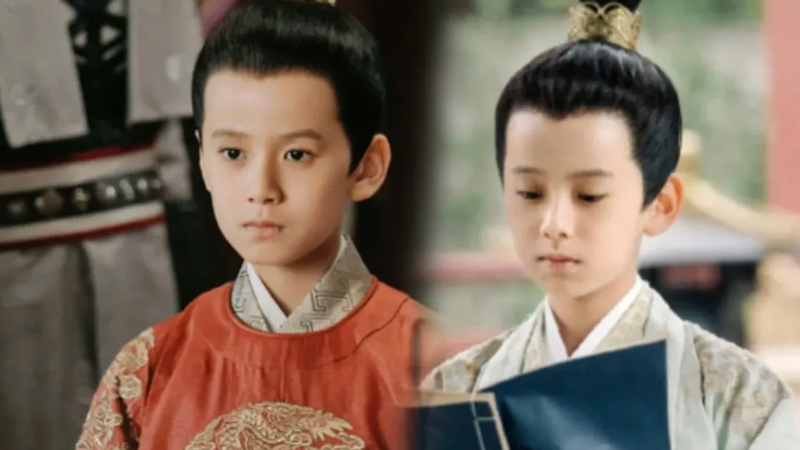
This shift contrasts sharply with past productions where children were often given elaborate adult coiffures, complete with crowns or intricate braids, blurring the lines between generations. Such inaccuracies stemmed from a desire for visual drama, but they overlooked the symbolic importance of hair in marking life stages. Now, as social media buzzes with comparisons—like those of Yang Zi's own growth from child roles to adult ones—fans express nostalgia for genuine portrayals. The trend reflects a broader push for authenticity in historical storytelling, where even small details like a toddler's tuft of hair can enrich the narrative and honor cultural heritage.
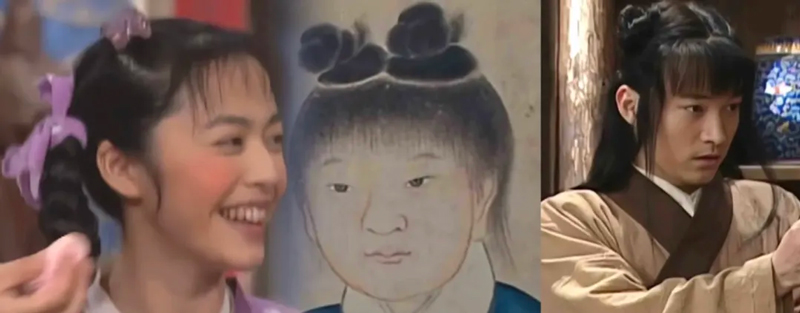
Looking at specific examples, Joy of Life incorporates subtle references to hair traditions, though it focuses more on adult plots. However, the inclusion of accurately styled young extras in crowd scenes adds layers of depth, suggesting a commitment to holistic world-building. Online communities have praised this approach, sharing clips that dissect the hairstyles and link them to classical texts. This engagement shows how accurate depictions can spark curiosity and learning, turning entertainment into a gateway for exploring history. As more productions adopt this mindset, they set a new standard for period dramas, proving that respecting the past does not dim creativity but enhances it.
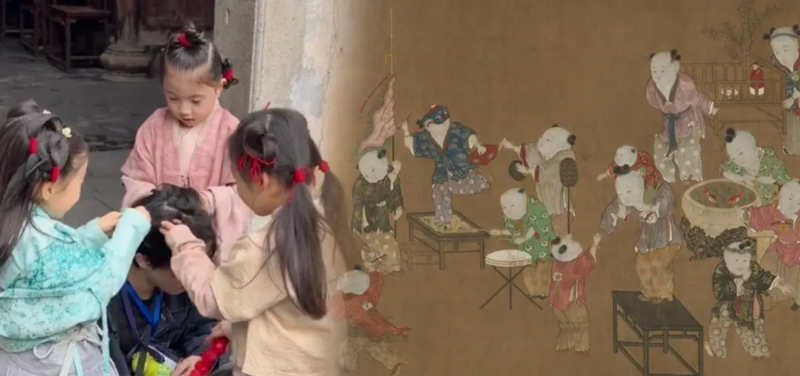
Ultimately, the move toward truthful children's hairstyles in shows like these underscores a simple truth: childhood is a unique phase that deserves its own expression. By embracing the playful spirit of ancient practices, filmmakers not only correct historical oversights but also celebrate the universal joy of growing up. This evolution invites viewers to see beyond the surface, discovering how even hair can tell a rich story of culture and change.
