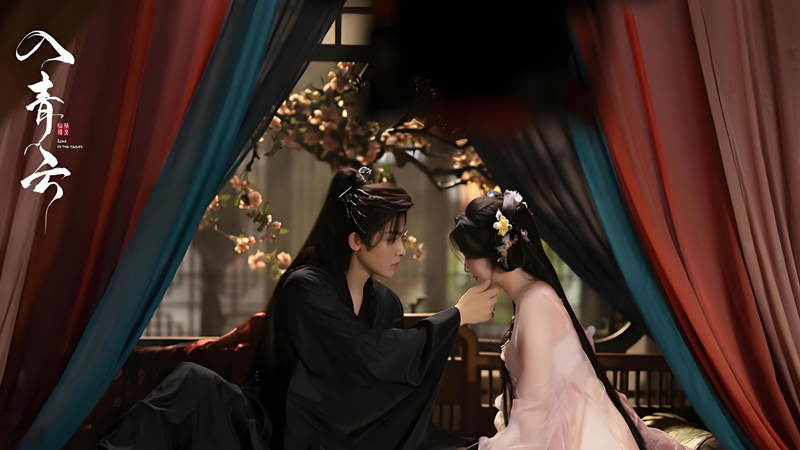
In the enchanting world of Love in the Clouds (入青云), a fantasy drama starring Hou Minghao (侯明昊) as Ji Bozai (纪伯宰) and Lu Yuxiao (卢昱晓) as Ming Yi (明意), viewers are swept into a realm where love clashes with ambition and old wounds fuel new conflicts. This series, set against the backdrop of Jixing Yuan (极星渊) and other mystical locales, weaves a tapestry of emotional depth and strategic intrigue. Rather than simply recounting plot points, this article delves into the core elements that make the story resonate, exploring character motivations, relational dynamics, and the subtle interplay of fate and choice. As we journey through key moments, we uncover how personal desires shape larger battles, offering a fresh perspective on this captivating narrative.
Character Motivations
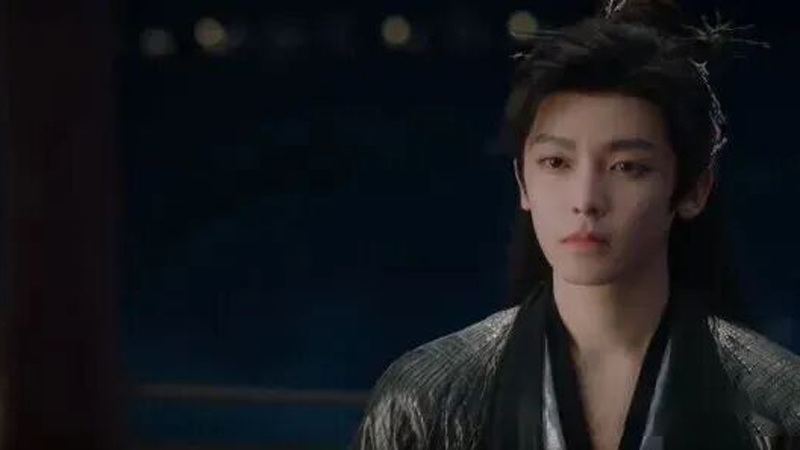
Ji Bozai's journey from a marginalized figure to a central player in Jixing Yuan highlights themes of redemption and loyalty. His refusal of Tian Ji's (天玑) marriage proposal stems not from caprice but a deep-seated need for autonomy, reflecting how past hardships in Wu Gui Hai (无归海) influence his present actions. This decision sparks a chain of events where personal integrity outweighs political gain, drawing viewers into his internal struggle between duty and heart.
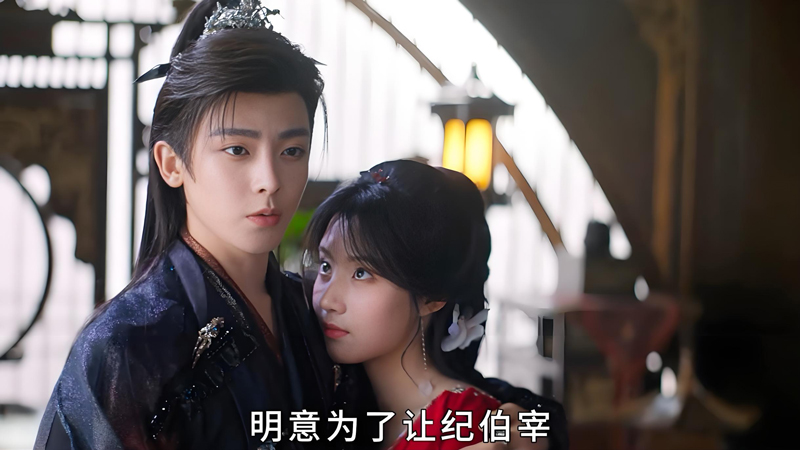
Ming Yi, portrayed with nuance by Lu Yuxiao, embodies resilience and cunning. Her calculated moves, such as publicly declaring affection for Ji Bozai to manipulate situations, reveal a character who uses emotion as a tool for survival. Unlike traditional heroines, she navigates a world dominated by power plays, where her actions often blur the lines between genuine feeling and strategic advantage, making her arc both relatable and unpredictable.
Supporting characters like Yan Xiao add layers to the narrative, as their allegiances shift based on personal history and ambition. Yan Xiao's transition from a childhood friend to a potential adversary underscores the series' exploration of how relationships evolve under pressure, enriching the story's emotional landscape without relying on simplistic moral divides.
Relational Dynamics
The tension between Ji Bozai and Tian Ji illustrates how unrequited affections can fuel political instability. Tian Ji's desperation to secure a marriage for stability leads her to confront Ming Yi, a move that backfires and exposes the fragility of alliances in this high-stakes environment. Their interactions showcase how power imbalances strain personal connections, creating a ripple effect that drives the plot forward.
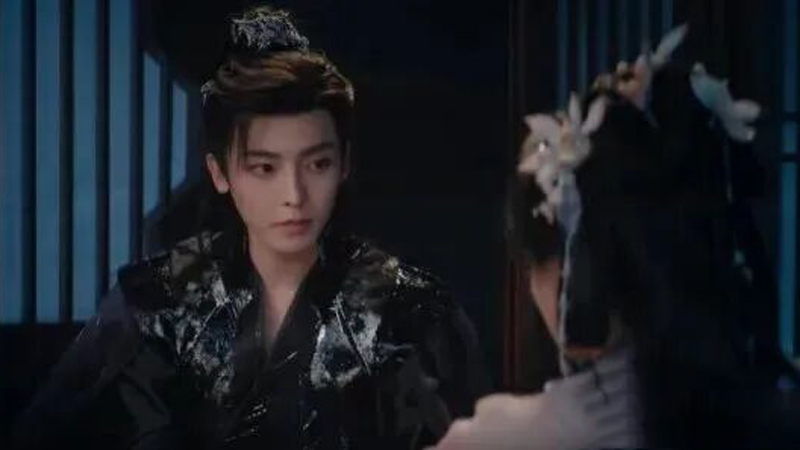
Moments of intimacy, such as Ji Bozai tending to Ming Yi's injuries, highlight the budding romance that defies external pressures. These scenes are not mere embellishments but pivotal turns that deepen character bonds, showing how vulnerability becomes a strength in a world where trust is scarce. The gradual development of their relationship offers a counterpoint to the surrounding scheming, emphasizing humanity amid chaos.
Secondary relationships, like the strained history between Yan Xiao and Tian Ji, provide context for broader conflicts. Once close, their rift over loyalties to figures like Mu Qibai (沐齐柏) mirrors the series' theme of betrayal and the lasting impact of past choices, adding depth to the overarching narrative without overwhelming the main storyline.
Strategic Intrigues
Schemes such as Ming Yi's infiltration of the Si Pan Tang(司判堂) to retrieve a painting demonstrate how characters leverage risk for gain. This act, motivated by a desire to win Ji Bozai's favor, triggers unforeseen consequences, including physical harm and heightened suspicions. It exemplifies the series' focus on how individual initiatives can alter the course of events, blending personal ambition with collective repercussions.
The use of artifacts like Huangliang Meng (黄粱梦), a potent elixir hidden away, serves as a metaphor for hidden truths and desires. Ji Bozai's decision to conceal it in a place accessible only through mental connection underscores the importance of intimacy and trust in navigating the story's mysteries, turning objects into symbols of deeper emotional stakes.
Political maneuvers, such as the banquet hosted by Mu Qibai to test alliances, reveal how public settings become arenas for private battles. Here, subtle insults and defensive actions expose underlying tensions, illustrating how the drama uses social gatherings to advance character development and plot twists without explicit confrontation.
Emotional Climaxes
Scenes like the Qing Yun Da Hui (青云大会) selection meeting, where Ji Bozai arrives with Ming Yi, ignite public outrage and personal turmoil. This bold move challenges traditions and forces characters to confront their feelings openly, turning a formal event into a catalyst for emotional revelation. The fallout from this moment tests loyalties and sets the stage for future conflicts, highlighting how personal choices reverberate through the community.
Flashbacks to Ji Bozai's mentorship under Bo Yulan (博语岚) add layers to his quest for vengeance, humanizing his drive beyond mere revenge. These memories, evoked through objects like a simple scallion pancake, connect past and present, showing how nostalgia and loss shape his actions and relationships, particularly with Ming Yi.
The ongoing investigation into Bo Yulan's legacy, hinted through clues about potions and injustices, builds suspense while addressing themes of justice and memory. As characters like Ming Yi piece together truths, the narrative questions the reliability of history and the cost of uncovering secrets, engaging viewers in a mystery that parallels their emotional journeys.