While modern life rushes forward, there exists a timeless wisdom in how ancient Chinese harmonized with autumn's rhythm. Beyond pumpkin-spiced lattees and cozy scarves lies a profound seasonal philosophy where crisp air and falling leaves were not merely weather changes but invitations to deepen one's connection with nature and self. This was not passive observation but active participation in the Earth's cyclical dance. Through deliberate practices, they transformed the melancholic reputation of autumn into a period of rich experience and poetic reflection. Their traditions offer surprising insights for contemporary lives often disconnected from natural cycles, reminding us that each season holds unique opportunities for mindfulness and joy.
Mountain Ascent
When autumn's clear skies arrived, people throughout Chinese history would begin their pilgrimage upward. The Chongyang Festival (重阳节), occurring on the ninth day of the ninth lunar month, formally established this tradition. Ancient texts documented this practice as early as the Han dynasty, believing mountain climbing during this period could help balance the body's energies while warding off misfortune. The physical exertion of ascending mirrored nature's own withdrawal of vitality, creating symbolic harmony between human activity and seasonal change.
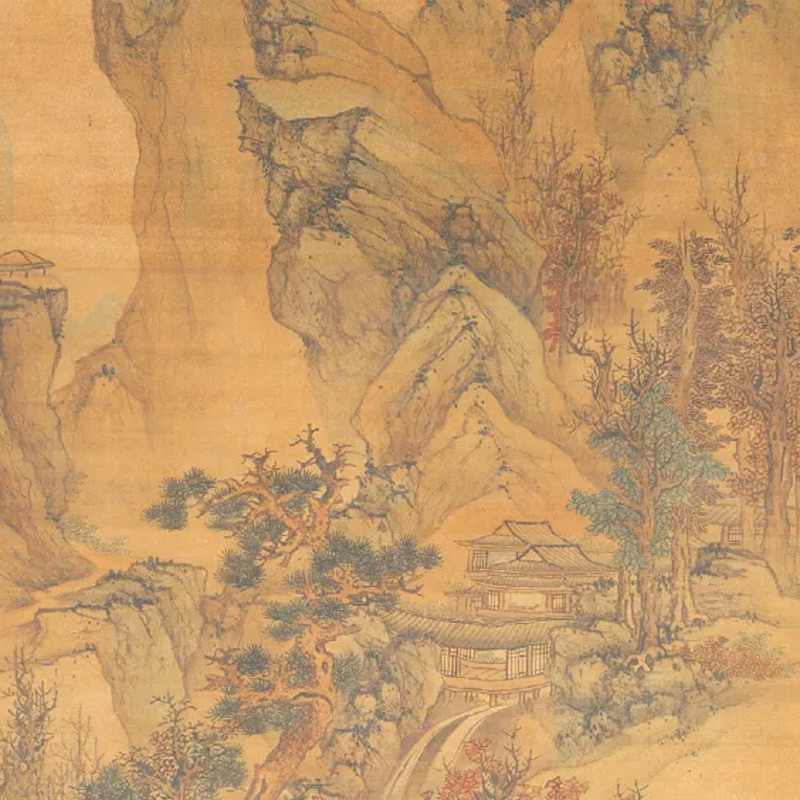
For scholars and poets, the climb offered evolving visual poetry. Starting amidst maples that burned brighter than spring blossoms, they would gradually reach elevations revealing vast panoramas of endless forests shedding leaves beside rolling river currents. The visual spectacle served as metaphor for life's transitions—both beautiful and inevitable. The mountain's silence, broken only by whispering pines, rustling leaves, and occasional distant temple bells, provided space for contemplating eternity within nature's patterns.
For common villagers, autumn marked the completion of harvest work, making mountain climbing a cherished community activity. The shared physical challenge amidst cooling breezes and forest tranquility helped release a year's accumulated fatigue. This tradition continues today as modern city dwellers seek hiking trails each autumn, unconsciously continuing an ancient response to seasonal change that connects body, mind, and landscape.
Chrysanthemum Wine
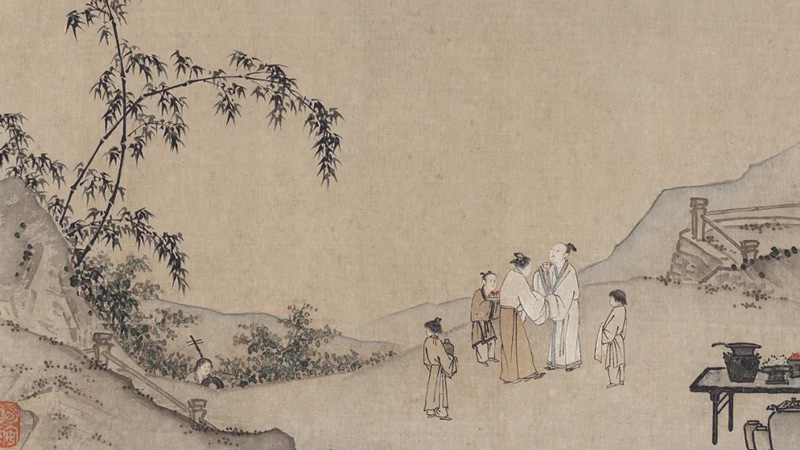
No autumn celebration was complete without chrysanthemums, often called the "flower of autumn." These blooms reached their peak around the Chongyang Festival, becoming central to seasonal gatherings where poetry composition accompanied wine appreciation. The great poet Qu Yuan (屈原) mentioned chrysanthemums in his work Li Sao (离骚), establishing their association with resilience and moral integrity through their ability to bloom vibrantly as other flowers faded.
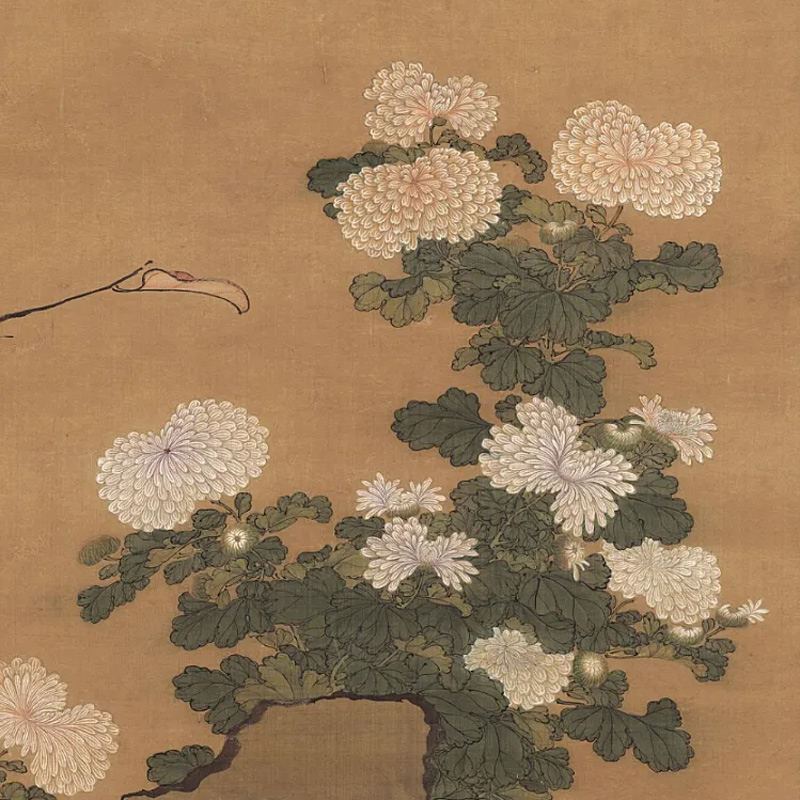
Chrysanthemums embodied autumn's essential character—their cold-resistant nature and slightly bitter flavor mirrored the season's contracting energy. Meanwhile, wine made from fermented grains provided physical warmth against the increasing chill. This combination of admiring flowers while drinking wine created a multisensory experience that made autumn feel intentionally celebratory rather than passively endured.
Historical records like Miscellaneous Records of the Western Capital documented chrysanthemum wine consumption during autumn festivals, believing it promoted longevity. Families would steep fresh petals in wine, creating brews that carried the season's essence in every sip. The practice transformed simple consumption into ritual, allowing drinkers to internalize autumn's unique qualities through both taste and tradition.
Crimson Canopy
Maple viewing represented another essential autumn activity where visual pleasure intertwined with philosophical contemplation. As temperatures dropped, maple leaves transformed entire mountainsides into dazzling crimson displays. This dramatic color shift presented nature's final spectacular performance before winter's arrival, a concept Tang poet Du Mu captured perfectly in his lines about maple leaves outshining spring blossoms.
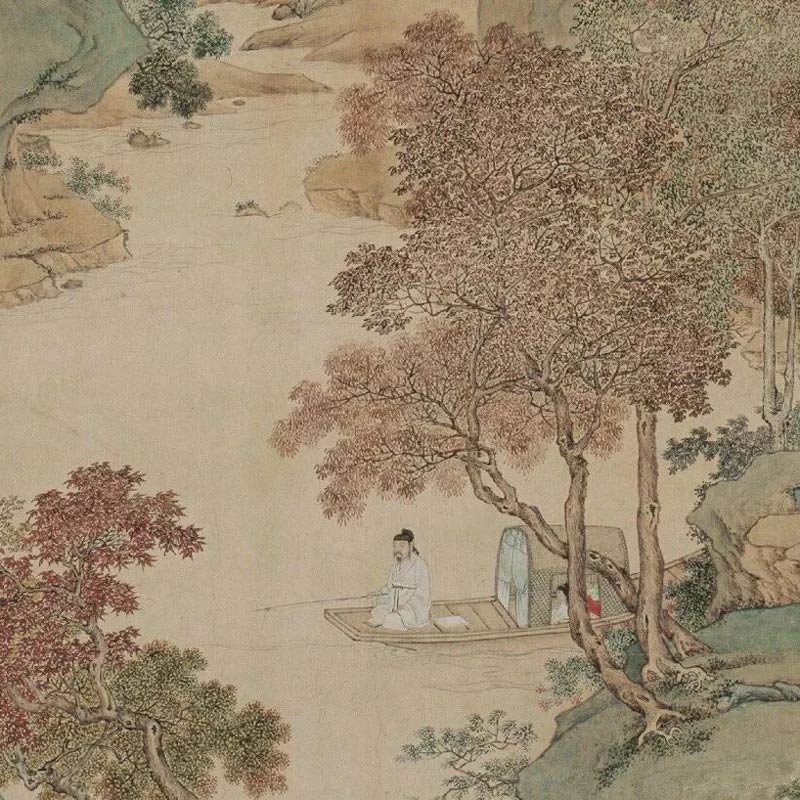
Beyond their beauty, maple leaves served as emotional vessels throughout Chinese literature. Legends told of messages written on leaves carrying secret communications, while Wang Shifu's masterpiece The Romance of the Western Chamber (西厢记) linked red leaves to lovers' tears. The very temporary nature of the brilliant foliage prompted reflections on life's transience and the importance of appreciating fleeting beauty.
Maple observation became a form of meditation where nature's cycles revealed deeper truths. The leaves' journey from vibrant color to graceful descent echoed Daoist principles of natural acceptance. This quiet observation of seasonal transition offered a pathway to personal cultivation, allowing viewers to contemplate their own place within universal patterns through the simple act of watching leaves change color and fall.
As night fell earlier, the autumnal moon commanded attention with unusual clarity. The Mid-Autumn Festival celebrated the year's brightest moon, seen as representing perfect reunion. Families would arrange round foods like mooncakes and fruits on outdoor altars, their circular shapes echoing the full moon's symbolic unity.
By the Ming dynasty, mooncake giving and consumption had become widespread, with historical texts noting their exchange between families. These pastries not only tasted sweet but carried wishes for togetherness across distances. The enduring popularity of moon viewing and family gatherings during this festival demonstrates how ancient autumn traditions continue shaping modern celebrations, connecting generations through shared seasonal rituals.