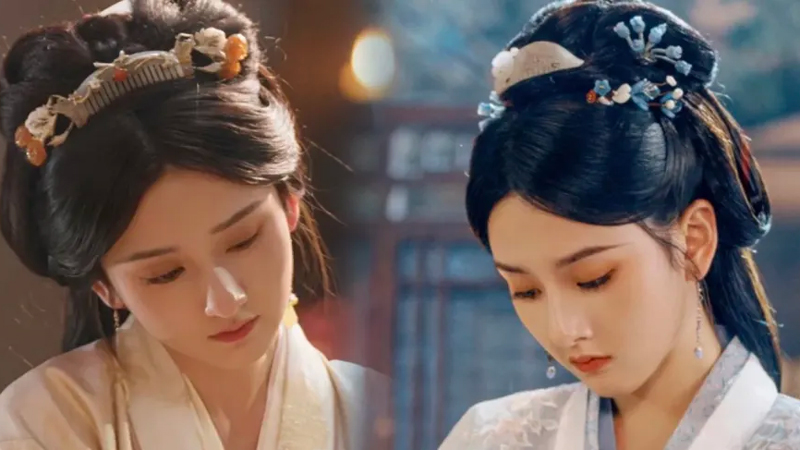
In the historical drama The Prisoner of Beauty (折腰), actress Song Zuer (宋祖儿) portrays a character whose hairstyle features an elegant hair comb, sparking curiosity about ancient customs. This accessory is not merely decorative; it represents a practice with roots stretching back over five millennia. Throughout Chinese history, combs transitioned from simple tools to sophisticated ornaments, reflecting changes in society, fashion, and personal expression. The sight of a comb nestled in a hair bun invites questions about how daily objects became symbols of beauty and status, weaving functionality with artistry in ways that still captivate today.
Early Origins
The journey of hair combs began in the Neolithic period, as early societies sought ways to manage hair for practical reasons. Initially, people may have used their fingers or rudimentary implements, but over time, dedicated combs emerged. Archaeologists have uncovered combs made from bone, wood, and stone at ancient sites, indicating their widespread use. These early versions were likely designed to prevent hair from obstructing tasks like hunting or farming, but they soon took on greater significance as personal grooming evolved.
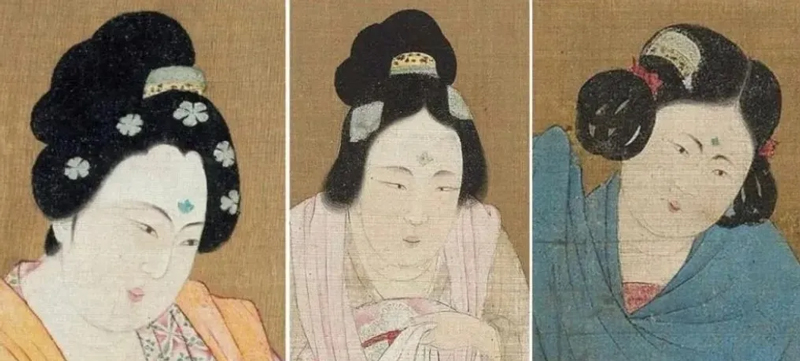
By the Warring States period, combs started serving decorative purposes alongside their practical functions. Excavations from this era reveal combs with intricate carvings, suggesting they were valued for aesthetics. During the Wei and Jin dynasties, hairstyles grew more elaborate, and combs became integral to fashion. They were inserted into hair buns not just to hold style but to showcase craftsmanship, setting the stage for their golden age in later dynasties.
Ancient texts refer to combs collectively as Zhi (栉), with specific types like Shu (梳) for wider-toothed combs used in detangling and Bi (篦) for fine-toothed varieties aimed at removing dirt and dandruff. This classification highlights the dual role of combs in hygiene and adornment. In many households, Bi combs remained common for scalp care, a tradition that persisted for generations and underscored the blend of utility and care in daily life.
Scholar Wang Renxiang (王仁湘) has written extensively on this evolution, noting that combs symbolize a shift from mere necessity to cultural expression. As societies flourished, these items reflected social hierarchies, with materials and designs often indicating the wearer's status. From common wood to precious metals, combs became markers of identity, embedded in rituals and daily practices that connected individuals to broader cultural narratives.
Tang and Song Trends
During the Tang dynasty, hair combs reached the height of their popularity as fashion statements. Women, particularly from affluent families, adorned their high buns with multiple combs, displaying the backs made of luxurious materials. These accessories were not hidden but highlighted, turning hairstyles into canvases for artistic expression. The trend was so pervasive that it became a defining feature of Tang beauty standards, with combs serving as both ornament and indicator of wealth.
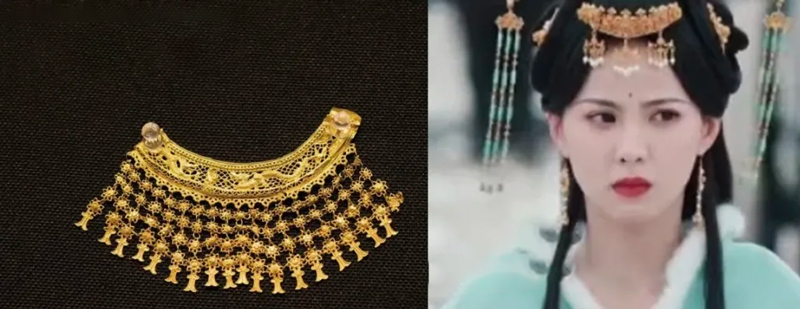
Materials ranged from gold and silver to jade and ivory, each chosen for its beauty and durability. Shen Congwen (沈从文) documented how Tang women often inserted up to ten small combs into their hair, creating a layered, shimmering effect. The comb backs, often curved like a crescent moon, were engraved with patterns symbolizing luck and prosperity, making them cherished items passed down through generations. This lavish use of combs illustrated the era's opulence and attention to detail in personal appearance.
Styles of wearing combs varied widely: they could be positioned centrally in the bun, either upright or inverted, placed on the sides, or even at the back of the head. In the late Tang and Five Dynasties, a trend emerged of covering the entire head with combs, a look celebrated in poetry and art. Poet Wen Tingyun (温庭筠) described the glint of gold and jade combs in his works, capturing the visual drama they added to women's ensembles and their role in cultural imagery.
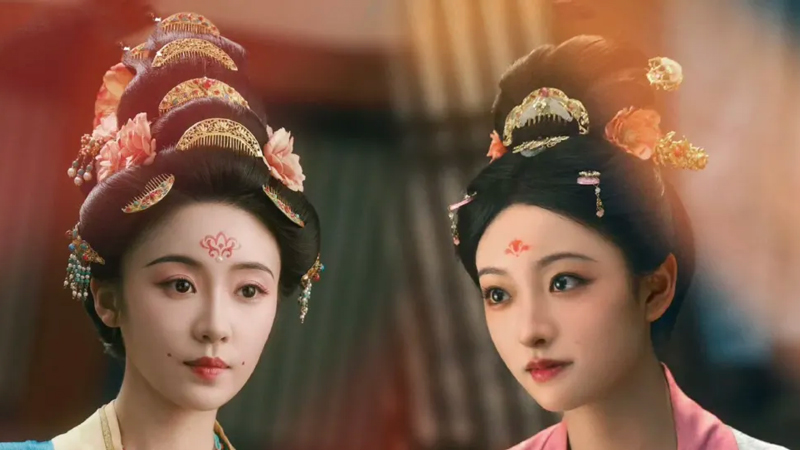
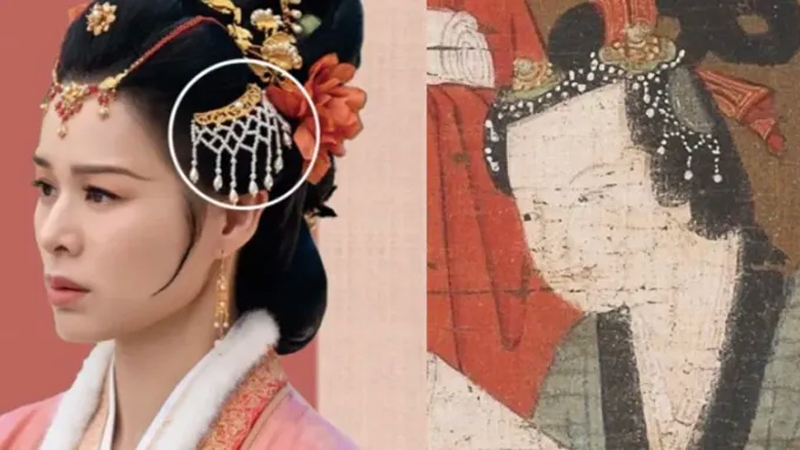
By the Song dynasty, comb usage evolved into styles like the Yan Bin Shu (掩鬓梳), used to frame the face or cover the temples, and the Lian Shu (帘梳), often enhanced with pearls. Artifacts such as the "Jin Lian Shu" (金帘梳) suggest these combs were worn on the forehead or to tidy hair at the nape. However, as new hair accessories gained favor in the Yuan, Ming, and Qing dynasties, combs gradually returned to their practical roots, though their legacy in fashion endured, inspiring occasional revivals in modern times.