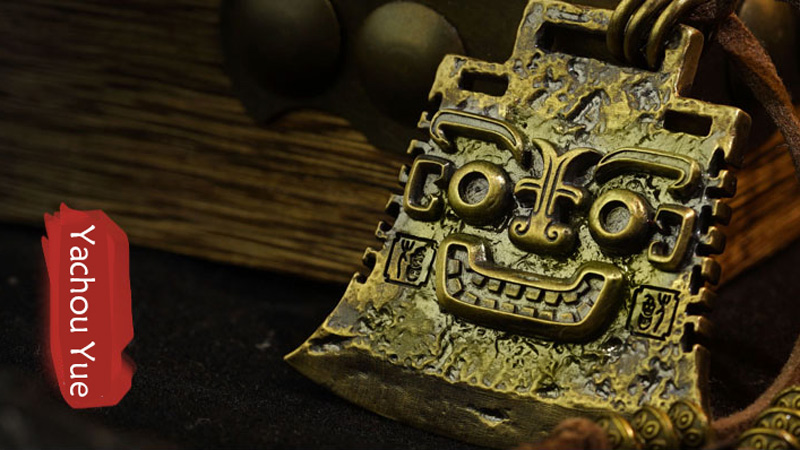
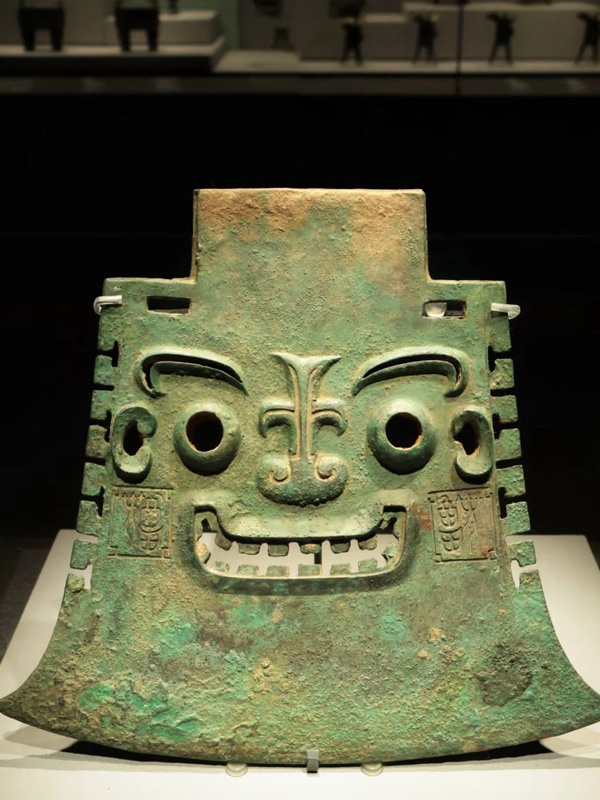
In the heart of the Shandong Museum resides a captivating bronze relic from China's Shang Dynasty: the Yachou Yue (亚醜钺). This ancient ceremonial axe, distinguished by its striking, almost smiling, human-like face, is far more than a weapon. Unearthed by chance in 1965, it embodies the complex interplay of military power, spiritual belief, and masterful artistry of its time. Its unique design, featuring a mysterious grin and an enigmatic inscription, continues to intrigue scholars and visitors alike, serving as a powerful window into a long-lost civilization.

1. What is the Yachou Yue?
In 1965, a quiet field in Qingzhou (青州) revealed a secret buried for millennia. Archaeologists worked at the Subutun (苏埠屯) site, a key Shang Dynasty location in Shandong known for ancient bronzes. Initially, heavy looting left little hope, but the mood shifted when a bronze weapon emerged from the northern passage, hinting at wonders beneath the soil.
1.1 Lucky Accident
An elderly laborer, frustrated at missing earlier finds, muttered while digging. Suddenly, his tool hit something hard with a loud clang. That sound unveiled the Yachou Yue, though the impact chipped its corner. This moment turned disappointment into triumph, adding a personal touch to the excavation.
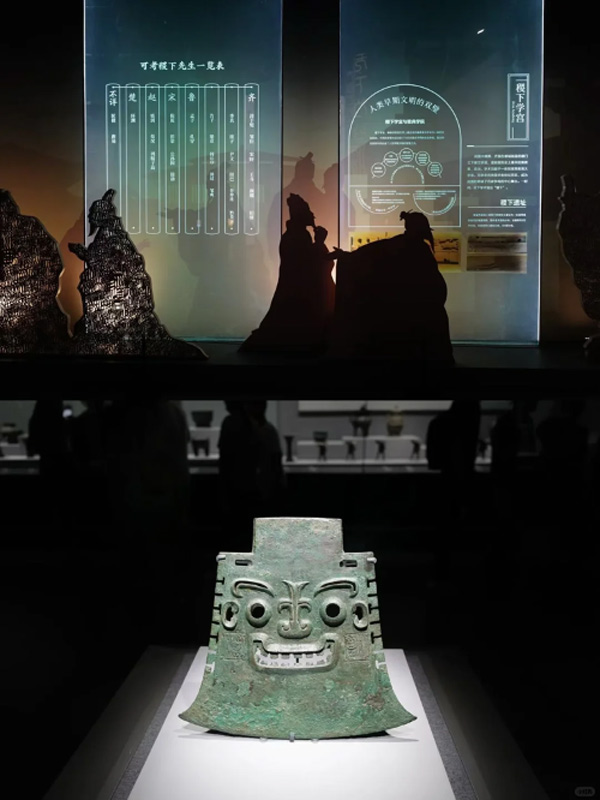
Teams carefully brushed dirt from the object. Slowly, twin faces appeared through the patina, each symmetrically designed with raised eyes and upturned lips. The expression seemed to smile, yet carried a mysterious edge, as if guarding ancient stories.
This artifact stood out not just for its design but for the context. It was found in one of the largest Shang tombs outside Yinxu (殷墟), highlighting the site's importance. The discovery underscored how chance plays a role in uncovering history.
1.2 Strange Design
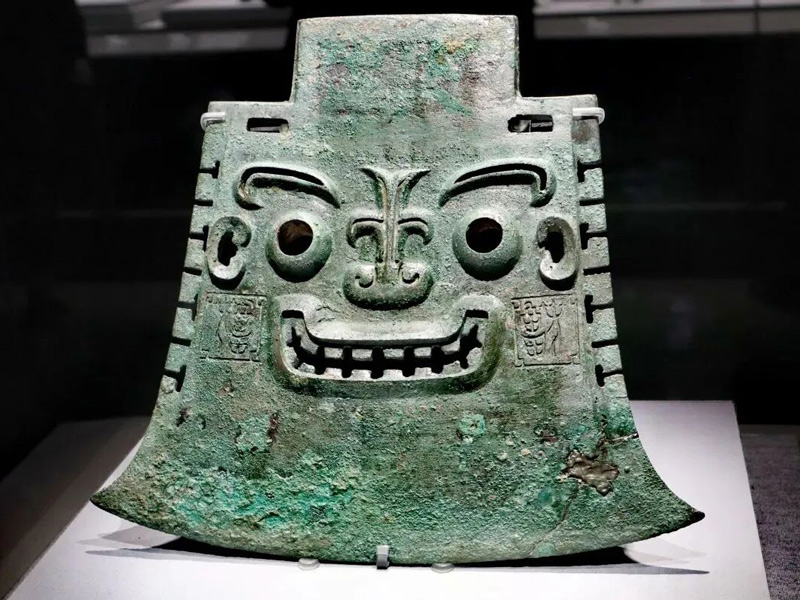
The Yue’s surface features a human-like mask, with details that captivate viewers. Its eyes bulge slightly, and the mouth curves upward, creating a grin that feels both friendly and enigmatic. This duality sparks curiosity about its original purpose.
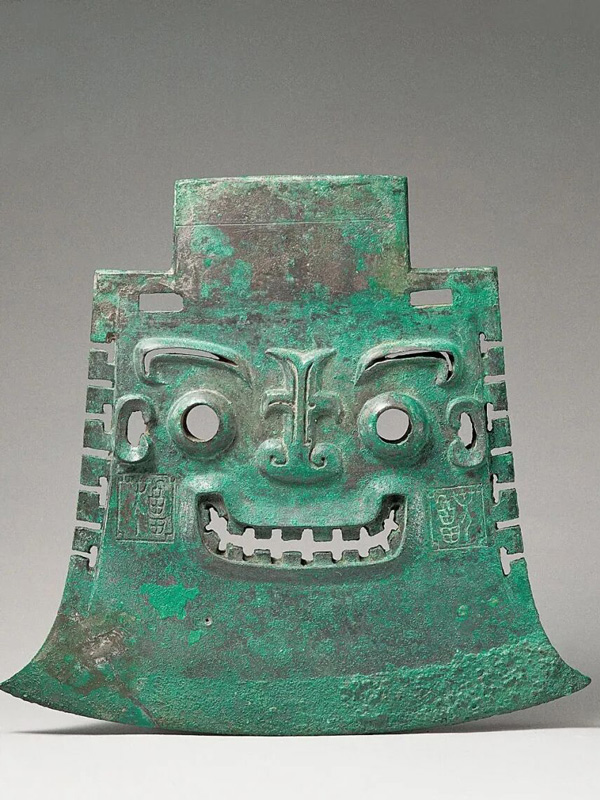
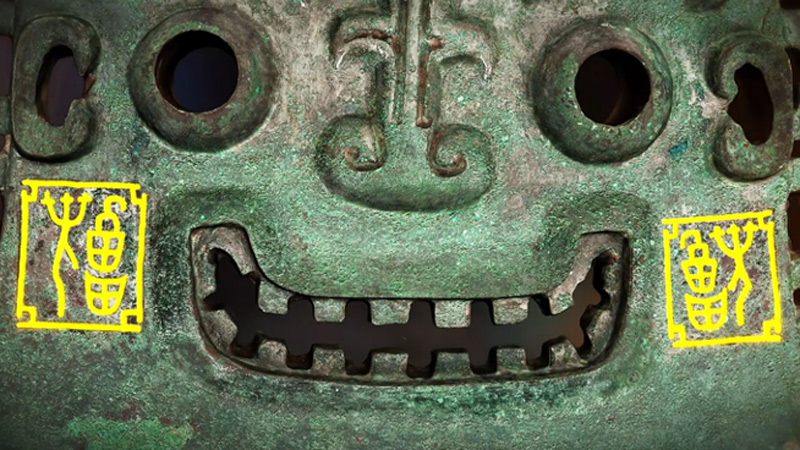
On the shoulders, a rectangular frame encloses a character for "Chou", meaning "ugly" or "grotesque". Combined with the "Ya" shape around it, this inscription acts like a signature from the maker. It suggests a blend of artistry and identity in bronze craftsmanship.
Despite the damage from its unearthing, the piece was restored. Today, observers can spot the repaired section, a reminder of its dramatic recovery. The intricate work reflects advanced metal skills of the era.
1.3 Split Legacy
After excavation, two major bronze weapons were documented. The larger one, called the Beast-Face Pattern Yue, was sent to the National Museum of China. It represents the grandeur of Shang ritual objects.
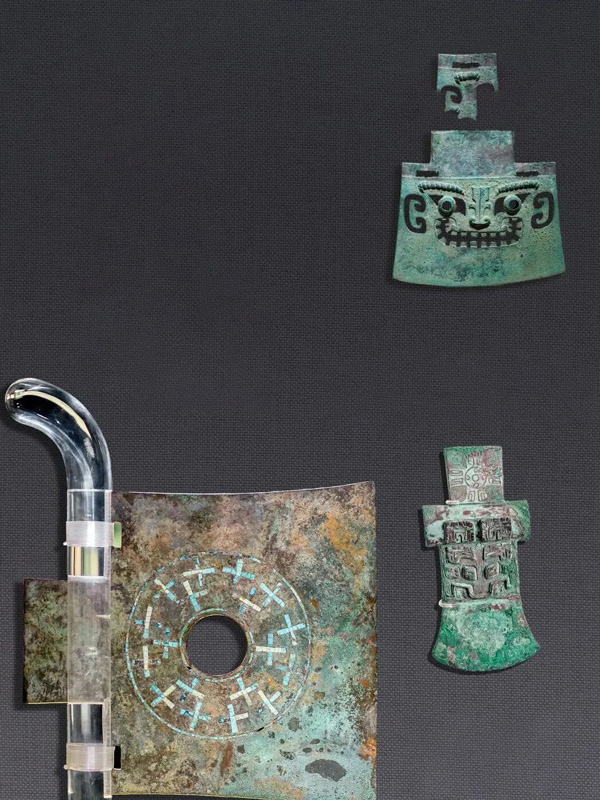
The Yachou Yue remained in Shandong, becoming a treasure of the local museum. Its stay connects it directly to its origins, allowing regional visitors to engage with a piece of their heritage.
Both items are rare in size and artistry, offering insights into Shang society. They might have served in ceremonies or as symbols of authority, illustrating how power was displayed through metalwork.
This division between national and local collections shows how artifacts can build multiple narratives. Each institution preserves a part of the story, inviting people to ponder ancient lives and their remnants.

2. Classification and Burial System of the Shang Dynasty
In the heart of the Shandong Museum, a peculiar bronze artifact captures every visitor's gaze. This object, known as the Yachou Yue, is more than just an ancient weapon; it is a key that unlocks the social structure of the Shang Dynasty. Unlike typical relics, its journey from a rural discovery to a centerpiece exhibit reveals how burial practices were intricately tied to status and power. Through the lens of this artifact, we can decode the rigid hierarchies that defined one of China's earliest civilizations, showing how elites used material culture to assert their dominance in life and death.
2.1 Tomb Architecture
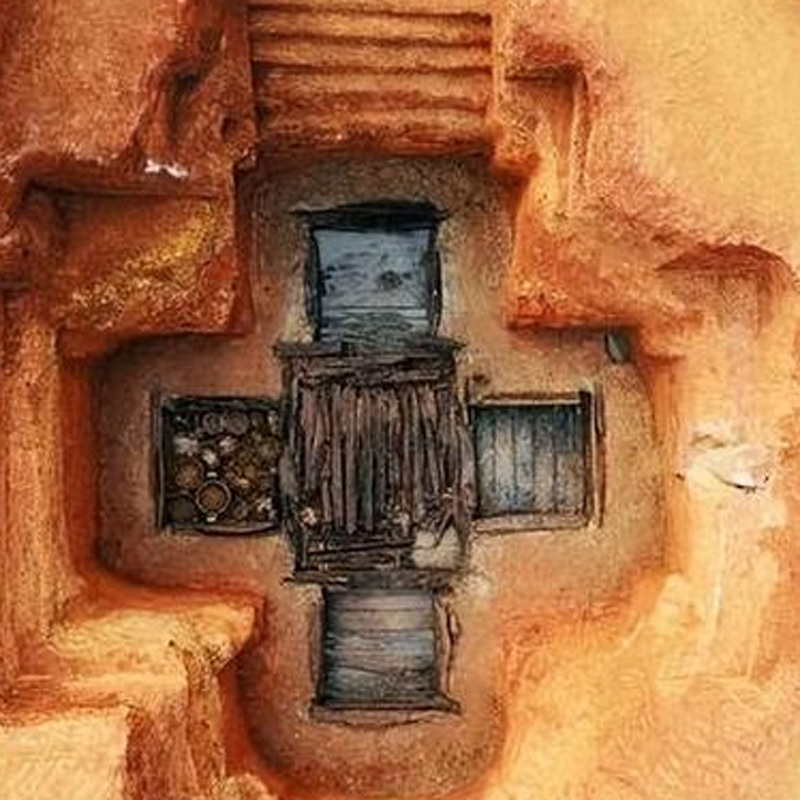
The design of elite Shang tombs, such as the one at Subutun M1, served as a clear marker of social standing. This burial site featured a cross-shaped layout covering 56 square meters, with four passages extending in cardinal directions. Such a structure was reserved for high-ranking nobles or regional rulers, echoing the grand tombs of kings in Yinxu. It functioned as a subterranean palace, ensuring the deceased could navigate the afterlife with the same authority they held in the mortal world. The architecture itself communicated their role as military governors appointed by the Shang king to oversee eastern territories.
2.2 Human Offerings
Within the M1 tomb, the remains of 39 individuals were found, pointing to the brutal customs of the era. These sacrifices included attendants near the coffin, warriors in the passages, and even children, possibly slaves or family members. Their presence underscored the tomb owner's control over life and death, with the Yachou Yue likely symbolizing the power to command such rituals. This practice transformed human lives into tokens of loyalty, reinforcing the elite's status through a grim demonstration of their influence in both spiritual and earthly realms.
2.3 Bronze Rituals
Bronze vessels from the tomb, such as Ding (鼎) and Gui (簋), formed a precise set that mirrored the owner's rank. In Shang society, the number and type of these items were strictly regulated—for instance, rulers used nine Dings and eight Guis, while nobles had seven and six. The Subutun findings align with a regional lord's allocation, complementing the Yachou Yue's role as a ceremonial weapon. Together, they depict a figure who wielded military and religious authority, embodying the dual roles that defined Shang elite as commanders and priests.

3. Take a closer look at the Yachou Yue
In the heart of a museum, a bronze object from China's Shang Dynasty captures attention with its striking appearance. This artifact, known as Yachou Yue, stands as a testament to ancient rituals and power. Modern viewers might see a quirky, almost cartoon-like face, but centuries ago, it held a grave purpose in ceremonies and warfare. Crafted from bronze, it measures 32.7 centimeters in height and weighs 4.6 kilograms, featuring a square shape with intricate designs. Its dual openings and curved blade hint at both utility and symbolism, serving as a bridge between the human and divine realms. This piece not only reflects the artistry of its time but also the serious beliefs that shaped its creation, making it a fascinating subject for those curious about history.
3.1 The Fierce Gaze
The eyes of Yachou Yue are not mere decorations; they are portals to another world. Designed as hollow circles about 2 centimeters wide, they are outlined with fine grooves that give them a wide, glaring effect. In the Shang era, such features were meant to instill fear and respect, symbolizing the watchful presence of spiritual forces. People of that time would have seen these eyes as a direct link to deities, emphasizing the ruler's authority in both battle and religious rites. This visual intensity reminds us how art could convey power without a single word, drawing viewers into a narrative of control and communication.
3.2 The Beast's Visage
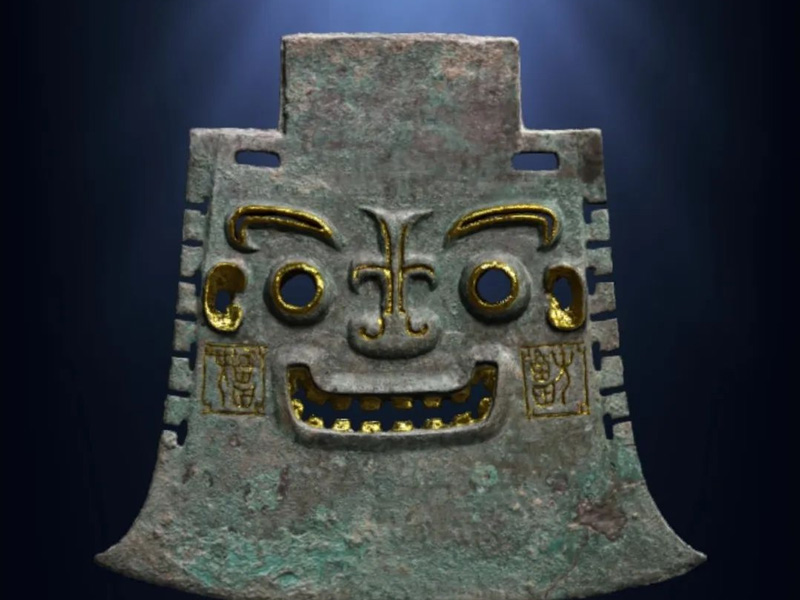
At the center of the artifact lies a prominent beast face, often called a taotie pattern, which was common in Zhou and Shang bronzes. This element acts as a mediator between humans and gods, with bulging eyes and exposed fangs that project strength. It was not just for show; it represented the holder's command over military and sacrificial practices, reinforcing social order. The detailed carving shows skilled craftsmanship, where every curve and line served to awe and inspire loyalty. Such designs helped maintain the elite's status, turning simple metal into a tool of psychological influence.
3.3 The Mouth of Judgment
Yachou Yue's mouth is a semicircular opening edged with eight sets of sharp, tooth-like projections. These evenly spaced points mimic the fangs of a wild animal, suggesting raw force and the ability to sever ties with enemies. In rituals, this feature might have symbolized the finality of decisions made by leaders, whether in sentencing or offerings. The contrast between the rigid teeth and smoother surrounding patterns highlights a balance of aggression and refinement, showing how ancient artists blended fear with beauty to communicate complex ideas about justice and fate.
3.4 The Inscribed Cheeks
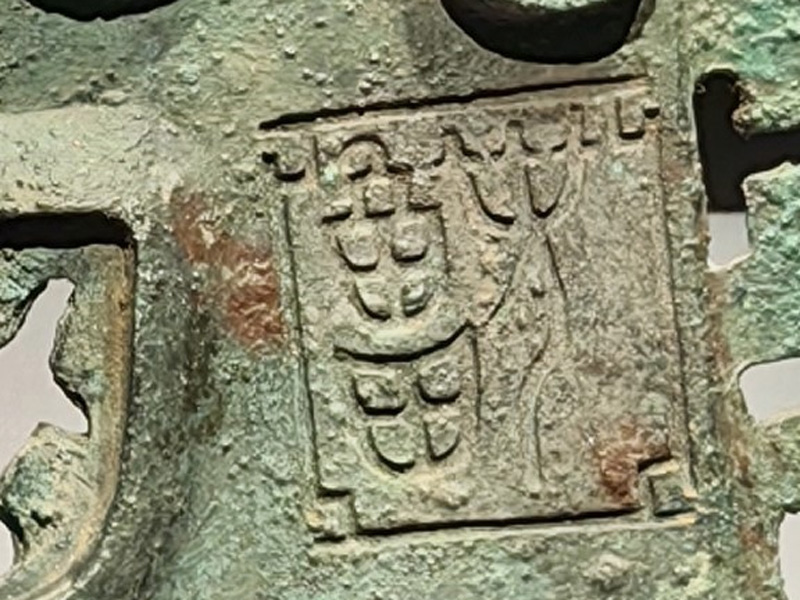
Flanking the mouth, the cheeks bear the inscriptions "Ya" and "Chou," enclosed in a common frame from that period. This is where the object gets its name, though "chou" does not imply ugliness but rather identifies it uniquely. The characters are wrapped in scroll-like motifs that resemble animal whiskers, adding a fluid touch to the sturdy form. These markings elevated the piece's value, turning it into a key historical record that helps experts decode past societies. They remind us that even small details can hold deep meanings, connecting us to the people who made and used such powerful items long ago.

4. Bronze Civilization in the Late Shang Dynasty
In the late Shang Dynasty, bronze objects held a unique position in society. They were not merely tools or decorations but integral to the structure of power and belief. One artifact, the Yachou Yue, stands out for its striking design and deep significance. This piece offers a window into a world where metalwork shaped politics and spirituality, reflecting a complex civilization at its height.
4.1 Warrior's Tool
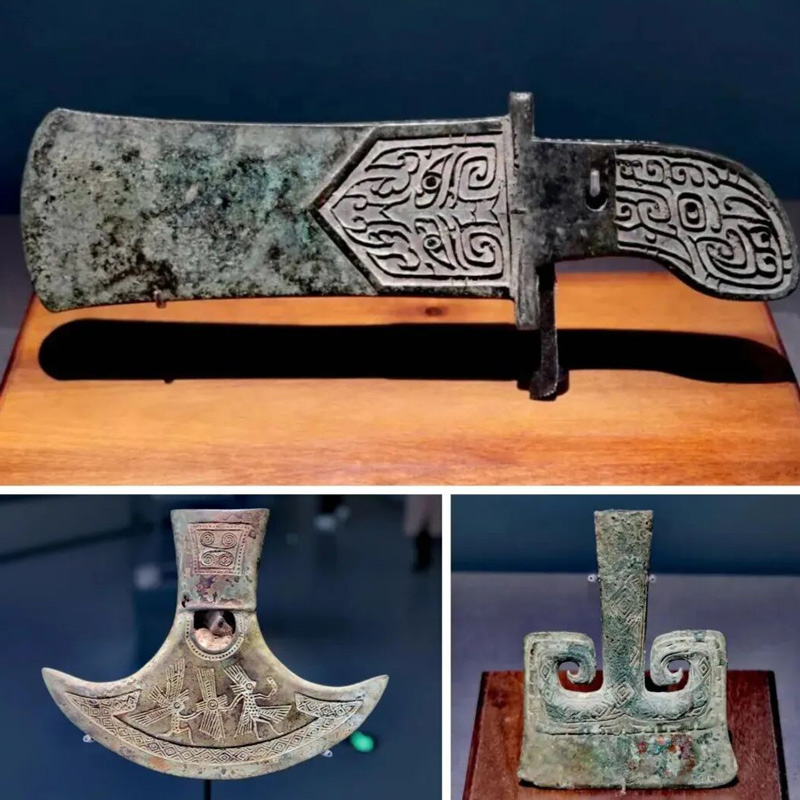
The Yachou Yue was a functional weapon, crafted for combat in ancient China. With a blade wide enough to cut through armor, it served as a deadly instrument on the battlefield. Historical records note that leaders like Shang Tang wielded similar axes in military campaigns, underscoring their role in asserting dominance. This practicality made it a symbol of authority and fear among foes.
Beyond its use in war, the axe represented the holder's status as a regional chief. In the Dongyi (东夷) areas of Shandong, local rulers used such items to demonstrate their loyalty to the central Shang power. The Yachou Yue's design, with a sharp edge and sturdy build, highlighted the blend of local craftsmanship and imperial demands. It was a mark of identity in a turbulent era.
Archaeological finds show that these axes were often buried with their owners, indicating their importance in life and death. The Yachou Yue, in particular, has been linked to rituals involving sacrifice and command. Its presence in graves suggests a belief in its power to protect or project influence beyond the mortal realm, tying it to the spiritual practices of the time.
4.2 Symbolic Meaning
The grinning face carved into the Yachou Yue is not just an artistic choice; it conveys layers of cultural meaning. This feature combines elements from Shang central culture with influences from eastern tribes, creating a hybrid symbol. It served as a medium for communicating with deities, reflecting the Shang emphasis on divine connections through objects.
In rituals, the axe acted as a bridge between human leaders and the spiritual world. Priests and chieftains used it in ceremonies to assert their right to rule, linking military might with religious sanction. The Yachou Yue's eerie smile might have been intended to ward off evil or display the owner's confidence in their divine backing, making it a focal point in communal rites.
This artifact also illustrates how the Shang Dynasty integrated diverse beliefs into a unified system. By adopting local motifs like the face design, central authorities co-opted regional symbols to strengthen control. The Yachou Yue thus became a tool of political strategy, helping to maintain order across a vast and varied territory through shared iconography.
4.3 Historical Legacy
The late Shang period, marked by events like the move to Yin, was a time of renewal after internal strife. The Yachou Yue dates from this era, embodying the struggles and innovations of the age. As the dynasty stabilized, artifacts like this helped reinforce a sense of identity and continuity among the people.
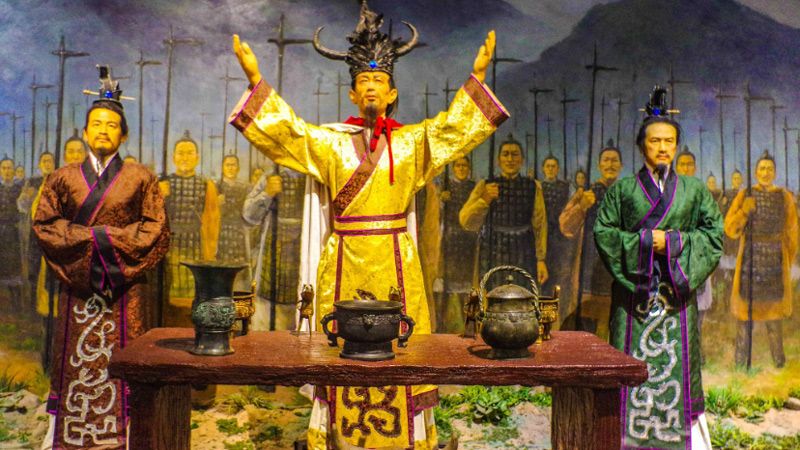
Today, the Yachou Yue is studied for what it reveals about ancient metallurgy and society. Its preservation allows modern scholars to piece together daily life, trade networks, and artistic trends. Unlike simpler items, it tells a story of conflict and cohesion, showing how objects could shape historical narratives and cultural memory.
Ultimately, the Yachou Yue reminds us of the dual nature of ancient power—both creative and destructive. It stands as a testament to human ingenuity in blending art with function, leaving a legacy that continues to inspire curiosity about China's bronze age civilizations and their enduring impact.

5. The Bronze Relic's New Face
In the Shandong Museum, a centuries-old artifact has unexpectedly become a contemporary star. The Yachou Yue, a bronze ceremonial weapon from the Shang Dynasty, once embodied authority and ritual significance. Its transformation into a beloved icon started with innovative approaches that merged history with modern daily life. This shift highlights how ancient objects can find relevance in today's world, engaging people beyond academic circles.
5.1 Unexpected Appeal
The Yachou Yue stands out due to its distinctive design. A beast face with fierce fangs is paired with large, circular eyes, creating a striking balance between intimidation and charm. This combination resonates with younger audiences who appreciate contrasts in aesthetics. The artifact's visual duality makes it memorable and shareable in digital spaces.
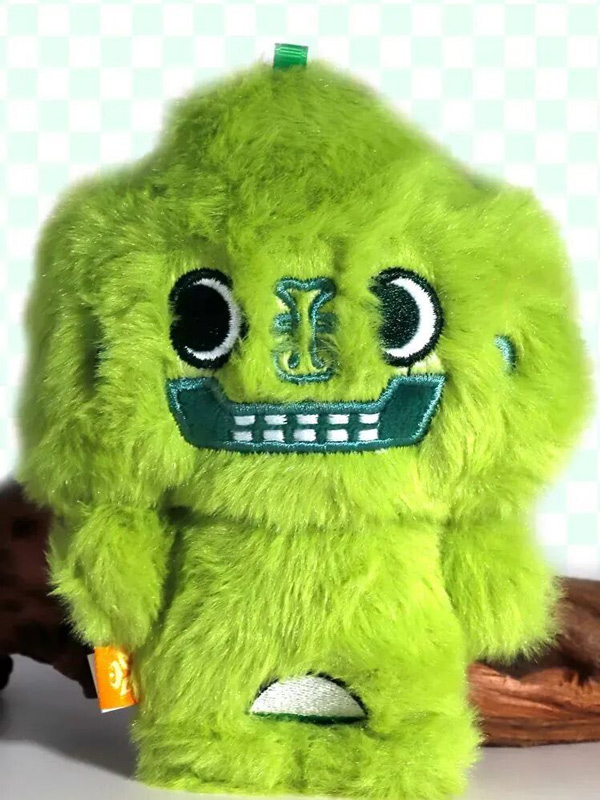
Museum curators recognized this potential and began integrating the pattern into practical items. Luggage tags, bookmarks, and canvas bags now feature the motif, allowing individuals to carry a piece of history with them. These products blend functionality with cultural storytelling, making the relic part of everyday routines.
Interactive elements like plush toys and buildable kits enable hands-on engagement. Visitors can assemble miniature versions, fostering a deeper connection. In 2024, these efforts earned a national design award, acknowledging their creative impact. Augmented reality tools further enhanced its presence, with animated versions spreading widely online.
5.2 Cultural Connection
The relic's modern adaptations have sparked curiosity about its origins. Many young people, drawn to the playful designs, start researching the Shang Dynasty's history and societal structures. This artifact serves as an entry point, simplifying complex historical narratives into relatable concepts.
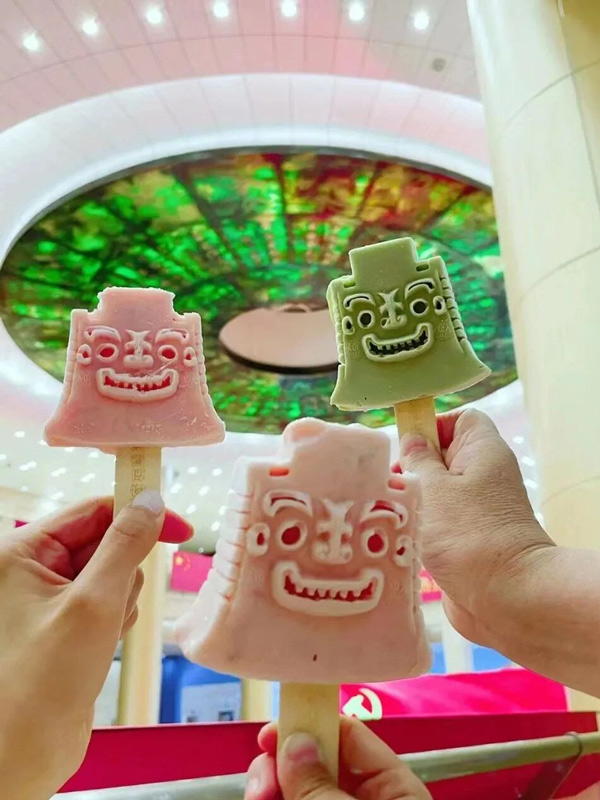
Commercial success followed, with over 10,000 units of new products selling on their first release. This achievement established a model for merging cultural assets with e-commerce strategies. It shows how museums can reach broader audiences while supporting educational goals.
Ultimately, the Yachou Yue's journey from a field discovery to a museum highlight illustrates how artifacts bridge past and present. Its story encourages people to explore ancient civilizations, proving that even unconventional objects can become portals to understanding human heritage.

In conclusion
The Yachou Yue stands as a powerful symbol, bridging millennia. From its dramatic discovery at Subutun to its role as a key to understanding Shang Dynasty power, ritual, and artistry, this artifact's journey is profound. Its modern reinvention as a cultural icon demonstrates that ancient objects are not static relics, but dynamic storytellers. The Yue's enduring legacy, from a ceremonial weapon to a beloved museum star, reminds us of our lasting connection to history and the continuous dialogue between the past and present, ensuring its story continues to inspire future generations.