Article
Search results:
-
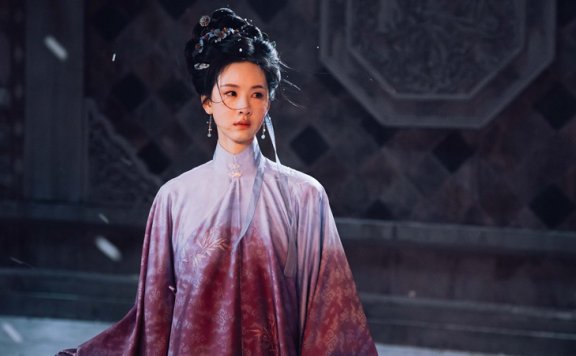
Top 5 Revenge-Themed Historical Dramas of 2025
Where ancient grievances meet modern storytelling, these Chinese historical dramas weave tales of vengeance, redemption, and exquisite beauty that will captivate your imagination. The revenge motif taps into universal themes of justice, resilience, and moral complexity, offering more than just simple tales of retribution. Today's revenge dramas explore profound transformations, philosophical depths, and the psychological costs of vengeance, all set against richly detailed historical backdrops. Here are five exceptional revenge-themed historical dramas from 2025 that deserve your attention. Legend of Zang Hai 藏海传 Aired: May 21, 2025 Period Background: Fictional Yong Dynasty Genres: Historical Political Intrigue, Revenge, Growth Drama Main Roles: Xiao Zhan as Zang Hai, Zhang Jingyi as Xiang Tutu, Zhong Hanliang as Kuai Duo, Chen Yanxi as Zhao Shangxian Adapted from: Original screenplay Plot Overview "Legend of Zang Hai" traces the story of Zang Hai (originally named Zhi Nu), whose family falls victim to a purge orchestrated by the powerful minister Pingjin Hou. After being rescued and trained for ten years in specialized skills—including architecture, astronomy, and statecraft—he returns to the capital under a concealed identity. Rather than pursuing direct confrontation, Zang Hai employs a calculated approach, embedding himself within the power structures of the court and using… -
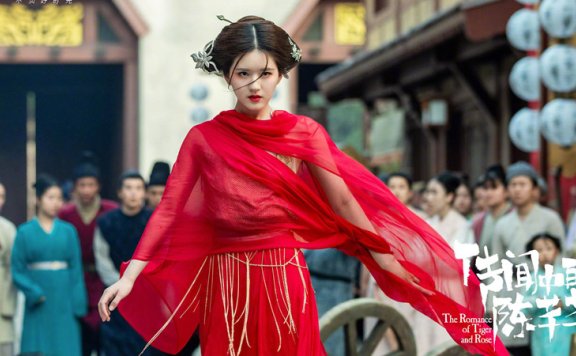
Top 5 Empress Time-Traveling Ancient Dramas
What if your reality suddenly shattered? Imagine being thrust into ancient courts where you don't belong, forced to play games of survival where the rules were written centuries ago. This is the thrilling premise sweeping Chinese television—modern women catapulted into historical chaos, armed with nothing but their wits and contemporary knowledge. From scheming palaces to mythical realms, five extraordinary dramas invite you on journeys where every moment could mean discovery or disaster. The question isn't whether you'll escape the past—but what you'll become along the way. A Dream Within A Dream 书卷一梦 Aired: 2025 Period Background: Fictional ancient dynasty Genres: Romance, Fantasy, Comedy, Ancient Costume Main Roles: Li Yitong (as Song Xiaoyu/Song Yimeng), Liu Yuning (as Nan Heng/Li Shiliu) Adapted from: Original script Plot Deep Dive The drama intricately follows Song Xiaoyu (portrayed by Li Yitong), a struggling eighteen-line actress who unexpectedly finds herself transported into the very ancient costume drama script she auditioned for, becoming the character Song Yimeng—a heroine destined for immense suffering and a tragic end. Determined to avoid her character's grim fate, which includes being brutally manipulated and ultimately murdered, Song Xiaoyu embarks on a frantic and often hilarious "life-saving escape." Her attempts to defy the… -
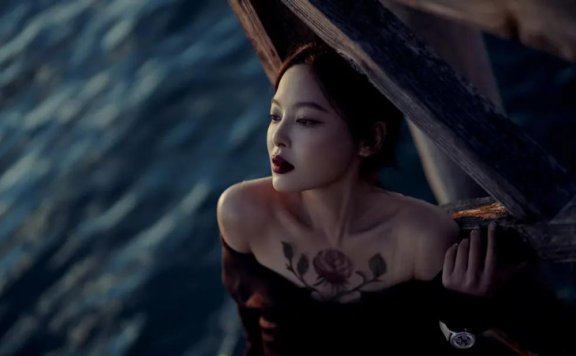
Exclusive Interview with Venice Best Actress Winner Xin Zhilei
After winning the Best Actress award at the Venice International Film Festival, Xin Zhilei (辛芷蕾) gave herself a five-day break to cool down. She is only the third Chinese actress to receive this honor, after Gong Li and Deanie Ip, and the first born after 1985 to win Best Actress at one of the three major international film festivals. The prestige speaks for itself. While the public is thrilled, Xin describes her own joy as "like a pressure cooker finally releasing steam." She needed time to calm down and let the excitement settle. Having just returned to China, she placed her trophy at home among fresh flowers and jokingly praised herself: "I'm amazing, I'm so incredible!" Off-camera, Xin Zhilei remains the same candid, humorous girl from Northeast China. Yesterday evening, she gave her first post-victory interview with Yuli Studio. On the call, her happiness radiated through the phone. She shared the warm congratulations she's received from colleagues and friends—a support system she finds deeply moving. "It's not easy for actresses in their middle years," she said. "None of us made it alone. We're all shining in our own ways." Xin also reflected on her past doubts, realizing that focusing less… -
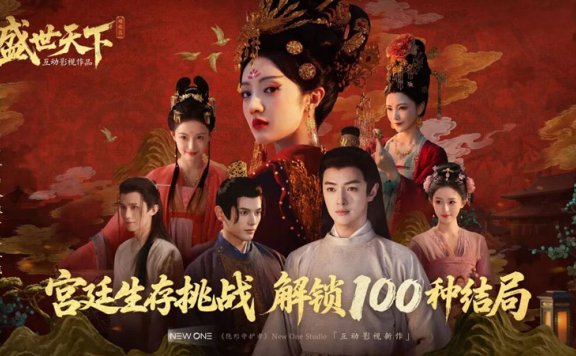
Court Survival Interactive Film Game Road to Empress Goes Live
Created by New One Studio, the team behind The Invisible Guardian (隐形守护者), the new live-action interactive project Road to Empress (盛世天下) has officially launched worldwide on multiple platforms in September 9. The first installment, "Meiniang's Chapter," focuses on palace survival in an imperial setting. Since the first teaser dropped on June 26, the project has been on the radar of many players. At the time of writing, it sits at 8.7 on TapTap and 8.6 on Hao You Kuai Bao (a Chinese mobile gaming community and rating site). The bundle combining The Invisible Guardian and Road to Empress even peaked at No. 8 on China's top-selling chart. At a recent media event, editors from Chuapp (a Chinese games media outlet) got to try out several chapters ahead of release. Later, producer Demi shared details about the vision, process, and production scale. The story spans two parts: "Meiniang's Chapter" and "The Empress Chapter," with a combined runtime of over 20 hours of live-action footage. The team clearly aims to deliver a large-scale narrative that pulls players into the dangerous dance of imperial politics and survival choices. But the real question is: how exactly does Road to Empress keep players immersed? Entering… -
Conversation with Producer of Moonlit Reunion
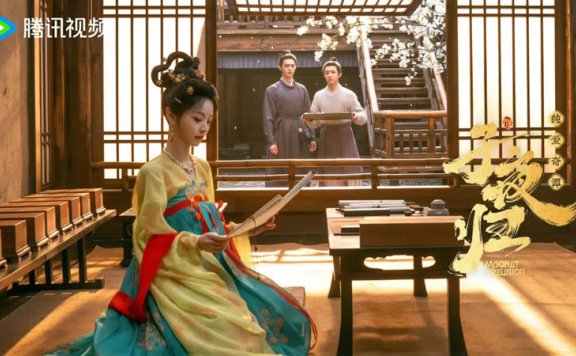
The happy ending went viral on Weibo. Mei Zhuyu and Wu Zhen overcame the barrier between humans and demons to be together, and viewers were thrilled: "This is the HE (happy ending) we wanted!" Unlike other hit dramas that relied on constant twists, cliffhangers, or heavy plotting, Moonlit Reunion locked onto what today's viewers actually want to feel. With delicate visuals and the flow of everyday emotions between characters, the show offered audiences a journey into another world. That difference allowed Moonlit Reunion to break free from the clichés of fantasy costume dramas. Its emotional frequency matches modern audiences—when we're touched by the pure love in the show, deep down it's because we all long for the courage to choose and the right to be chosen. So what exactly made the drama hit that emotional "switch" for so many? Huan.tv Big Data sat down with producer Wu Ruoyan to look behind the curtain. All Cast, All In: Form and Spirit as One "First the form, then the spirit." That was the casting philosophy, and it's why Moonlit Reunion could hook viewers in seconds. Whether it's the contrast written into the leads or the arcs given to supporting characters, every performance… -
A New Wuxia Cdrama: Cheng Yi in The Journey of Legend
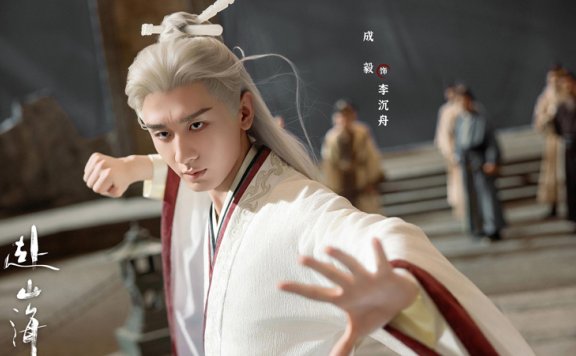
Time-travel into novels, game-like systems, and "infinite flow" (a popular Chinese internet term for stories where characters face endless quests or survival scenarios)—The Journey of Legend (赴山海) is giving the wuxia genre a fresh reset. The series is jointly produced by iQIYI, Tencent Video, Straw Bear Pictures, Yehua Film, and Tongle Media, directed by Ren Haitao and Lin Feng, with Liu Fang as head writer. Starring Cheng Yi and Nazha, it is currently streaming on iQIYI and Tencent Video. Adapted from the classic novel Shenzhou Qixia (神州奇侠) by wuxia master Wen Rui'an, the story follows modern youth Xiao Mingming, who suddenly gets pulled into the novel itself. Bound by a "demonic system," he becomes the young swordsman Xiao Qiushui and must live through the book's storyline. Only by completing the main quest—unifying the martial world—can he return to reality. By blending an innovative meta concept with traditional wuxia values, The Journey of Legend puts martial arts dramas back in the spotlight. Breaking Out with Skyrocketing Popularity Judging from the first week's numbers, The Journey of Legend had a spectacular launch. Even before release, pre-orders on both iQIYI and Tencent Video surpassed ten million. Many viewers jokingly called it "embryo-watching mode"… -
Lan Xi's Portrayal of Lin Daiyu Sparks Casting Debate Among Fans
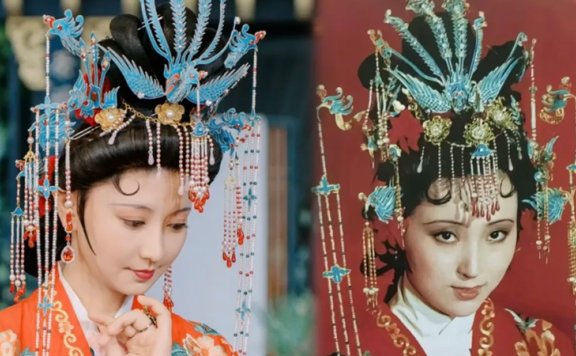
When actress Lan Xi (斓曦), celebrated for her role as Shen Meizhuang (沈眉庄) in the television series, recently shared images of herself dressed as Lin Daiyu (林黛玉) from the classic 1987 adaptation of The Dream of Red Mansions (红楼梦), she ignited a fervent discussion among fans. Paying homage to the iconic wedding look of the character made famous by Chen Xiaoxu (陈晓旭), Lan Xi expressed that portraying the ethereal Lin Daiyu was a long-held personal ambition. Yet, while many admired her dedication, a significant number of viewers voiced a different opinion: her dignified aura might be a better fit for another character from the epic tale, the tragic You Erjie (尤二姐). This debate does more than just compare actresses; it opens a fascinating window into the intricate world of traditional Chinese costume and its powerful role in shaping a character's identity on screen. The Beizi's Timeless Grace The most striking element of Lan Xi's portrayal is the Beizi (褙子), a long, elegant outer garment that defines Lin Daiyu's visual identity in the 1987 series. This particular style of robe, which gained prominence during the Song and Ming dynasties, is characterized by its straight collar, front opening, and long, narrow sleeves.… -
Xiao Zhan's Floral Headpiece in Monster Hunt 2
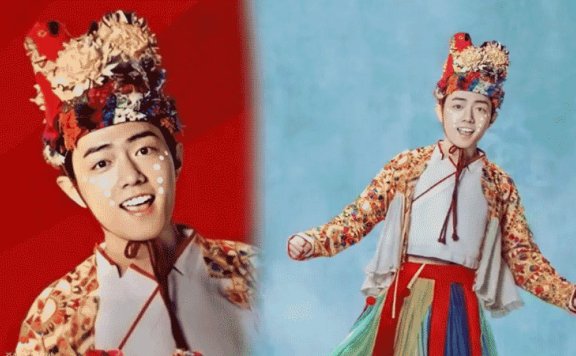
When actor Xiao Zhan (肖战) appeared in the 2018 fantasy film Monster Hunt 2 (捉妖记2) wearing a bizarre hat adorned with a colorful array of flowers, it sparked curiosity and amusement among viewers. Many wondered about the inspiration behind such an unusual accessory, which looks like a miniature garden perched on his head. Little did they know that this design has historical roots dating back to China's Northern Song Dynasty (960-1127), where a similar aesthetic known as Yi Nian Jing (一年景) was popular. This concept involved combining floral elements from all four seasons to symbolize completeness and eternal beauty, often used in clothing, jewelry, and art. The hat in the film, set in the fictional Yongning Village, echoes this tradition, showing how ancient Chinese culture continues to influence modern storytelling. This article explores the fascinating connection between Xiao Zhan's cinematic headpiece and the historical Yi Nian Jing, delving into its origins, significance, and contemporary relevance. Historical Roots The Yi Nian Jing aesthetic first gained prominence during the late Northern Song Dynasty, particularly around the Jingkang period (1126-1127), as recorded in historical texts such as Lu You's (陆游) Lao Xue An Notes (老学庵笔记). According to these records, it was a style… -
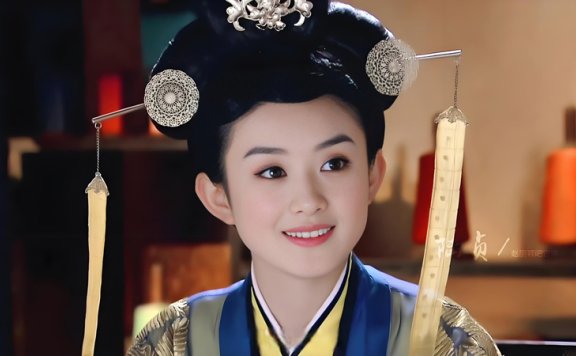
What Is the Name of Zhao Liying's Long Hairpin with Ribbons?
Have you ever watched a Chinese historical drama and been captivated by the elegant hair accessories, particularly those long hairpins with flowing ribbons? In shows like The Legend of Lu Zhen (陆贞传奇), starring Zhao Liying (赵丽颖), characters often sport intricate updos adorned with what appears to be a slender hairpin paired with two delicate cloth strips. This distinctive look has sparked curiosity among fans, leaving many to wonder about its name and origins. While it evokes a sense of ancient charm, this style is largely a modern interpretation seen in television and animation, blending aesthetic appeal with creative liberty. Unlike traditional pieces rooted in strict cultural protocols, these accessories prioritize visual drama over historical accuracy. Their popularity highlights a broader trend where contemporary media reimagines the past, making ancient fashion accessible to global audiences. This article delves into the background of this iconic hairstyle, tracing its possible inspirations from East Asian traditions and examining how it has evolved on screen. Korean Court Origins The hair accessory resembling a long hairpin with ribbons may draw inspiration from a Korean noble piece known as the Tutule Tangzhi (图涂乐唐只). Worn by aristocratic women during the Joseon Dynasty, this ornament was reserved for significant… -
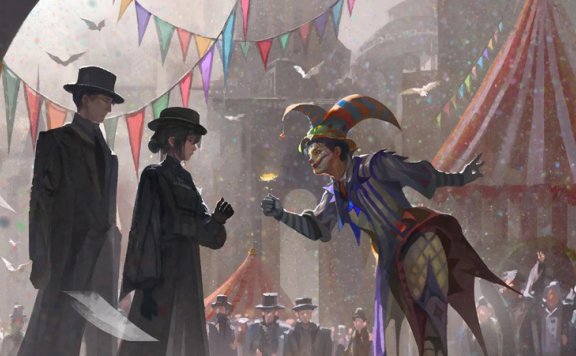
Lord of Mysteries: Reshaping Chinese Animation
Forging its own path, the animated adaptation of the web novel Lord of Mysteries (诡秘之主) is making waves far beyond China. It’s not just another hit show—it’s a phenomenon leading international anime fans to use the term “donghua” more often, recognizing Chinese animation as a distinct and compelling genre. A Sacrifice That Moved Millions The first season’s finale left viewers speechless. Facing a descending evil deity, Captain Dunn Smith lights his pipe, takes a deep breath, and literally tears out his own heart. It resonates with Saint Selena’s ashes, causing brilliant silver-blue flowers to bloom across the battle-worn church—a final, breathtaking act of hope. "Nightmare!" the captain shouts, using his last strength to restrain the evil god’s vessel. "Light!" The protagonist, Klein Moretti (Zhou Mingrui, 周明瑞), seizes the moment. Using a sealed artifact, he summons solar flames that obliterate the threat. The Nightwatch squad saves the city, but the cost is immense. This powerful climax solidified the show’s reputation. Many viewers admitted the finale alone reshaped their view of the entire season, praising its emotional depth and stunning animation. Not Your Typical Adaptation Lord of Mysteries was already a heavyweight from the start. Its source material is a record-breaking web novel… -

Where the Great Wall Lives: The Intangible Culture Beneath the Stones
Where the Great Wall stands, an intangible cultural legacy lives on. Through ancestral rituals, storytelling, and traditional crafts, local communities keep history alive. The stones are silent, but the people are not—their stories, dances, and flavors form a living heritage that continues to breathe along the ancient ridges. Tower Visiting: A 400-Year-Old Ritual That Keeps History Alive In the shadow of the Great Wall, where the mountains of Yanshan (燕山) meet the sea near Qinhuangdao (秦皇岛), history isn’t just remembered—it’s relived. Every spring, during Qingming Festival (清明节), descendants of Ming Dynasty soldiers return to the watchtowers their ancestors once guarded. They call it "tower visiting"—a custom that has endured for over four centuries. It began with Qi Jiguang (戚继光), the general who reinforced this section of the Wall during the Ming Dynasty. To sustain morale, he allowed soldiers’ families to join them. Each clan was assigned a watchtower. They farmed the land, stood guard, and when they died, were often buried near the towers they protected. Today, their descendants still return. They climb the same steps, touch the same stones, and share the same stories. Elders pass down tales of courage and sacrifice. Children fill their pockets with black beans… -
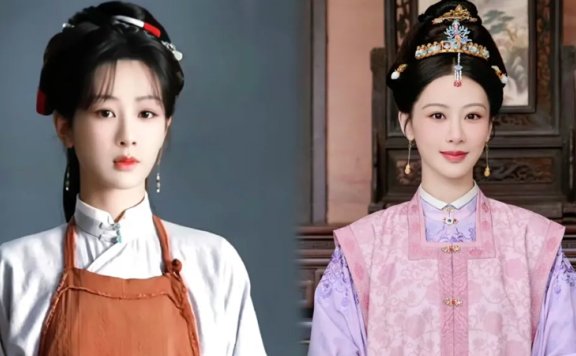
How Ancient Chinese Clothing Used Buttons for Style and Function
Why Does Yang Zi's The Mo (家业) Costume Feature 'Modern' Buttons? Costume design in historical dramas often walks a fine line between artistic interpretation and historical accuracy. A keen-eyed viewer might notice something peculiar about the attire of Li Zhen (李祯), played by Yang Zi, in the new period drama The Mo. Her garments, while beautifully crafted, are fastened with a row of buttons that alternate between cloth knots and metallic clasps. This seemingly minor detail has ignited a fascinating discussion, prompting many to ask: did ancient Chinese clothing even have buttons? The answer is a resounding yes, and their history is far more intricate and elegant than one might assume. Beyond Strings and Belts For many, the prevailing image of classical attire involves intricate sashes and cleverly tied belts. This method, known as "tying with strings and belts", was indeed a dominant fastening technique for centuries. It was practical, adjustable, and elegantly minimalist. However, it was never the sole method. As early as the Qin Dynasty, archaeological evidence from the Terracotta Army suggests the use of fasteners resembling the one-character button, though some scholars debate they were purely for armor linkage. The evolution continued through the Tang and Song… -
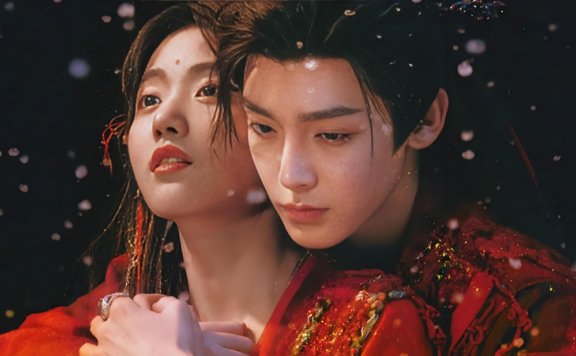
Lu Yuxiao Shines in Love in the Clouds with Fantasy Romance
A new drama is poised to capture the attention of audiences with its compelling blend of fantasy and romance. It features a young actress known for her captivating presence and an actor whose transformation has already sparked considerable excitement. This series promises not just a story of love and conflict, but a visual spectacle that highlights the strengths of its two leads. Versatile Performer Lu Yuxiao (卢昱晓) has steadily built a reputation for herself, not through overwhelming fame, but through a genuine connection with viewers. Her role in a previous popular series was a breakthrough, showcasing a ability to embody complex characters with depth. This performance opened doors to leading roles in various projects, each distinct from the last. In a recent modern drama, she portrayed a character full of warmth and vitality, a role that felt perfectly suited and resonated widely with fans. This success demonstrates a range that extends beyond a single type, proving an adaptability that is rare. It is this very versatility that generates such high anticipation for her upcoming period piece. Despite having only one historical project awaiting release, expectation for it is immense. The project has progressed to its advanced stages, with a potential… -
Step-by-Step Guide to Making a Wine Gourd and Tea Caddy
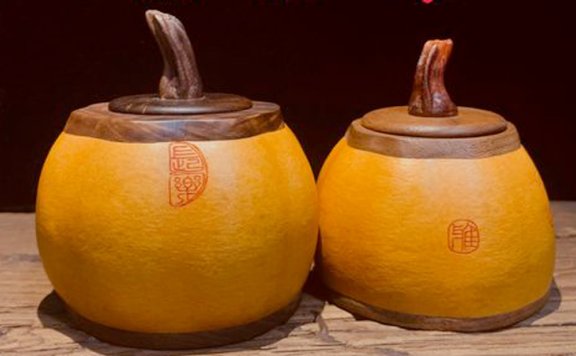
Have you ever sipped wine from a vessel you made with your own hands? This ancient practice, transforming a humble gourd into a functional work of art, is experiencing a quiet resurgence. Beyond their rustic charm, dried gourds possess a unique set of qualities that make them ideal for storing precious commodities like tea and wine. Their natural, faintly sweet aroma doesn't transfer to the contents, and with the right sealing techniques, they become perfectly airtight containers. The process of creating these objects is a meditative craft, blending patience with practicality. It offers a tangible connection to tradition and the deep satisfaction of creating something both beautiful and useful from nature's bounty. Method of Making a Wine Gourd Selecting the right Hulu (葫芦) is the crucial first step. Look for one that is fully mature, with a hard, blemish-free shell and a shape that feels good in your hand. For a wine container, a classic rounded form with a narrow neck is perfect. A tea caddy often benefits from the broader, flatter profile of a "winter melon" gourd variety. The initial preparation is straightforward but requires a careful touch. Using a small saw, carefully cut around the top of the… -
The 3 Foundational Pillars of a True Artist’s Identity
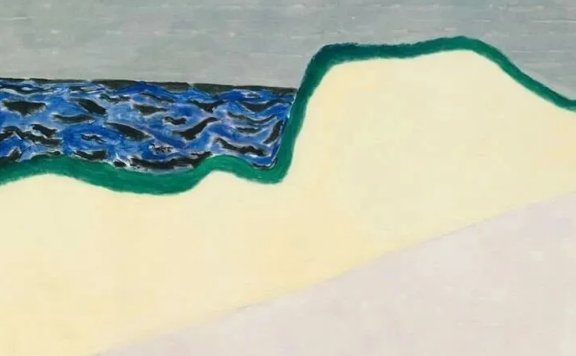
What separates a true artist from a mere technician? Beyond technical skill, lasting artistic impact requires a deeply personal trinity of attributes: an internal compass, a unique voice, and a singular way of seeing. These are not tools one can buy, but foundational elements built over a lifetime of practice, reflection, and courageous self-honesty. They form the core of an artistic identity, allowing creators to navigate the complex worlds of inspiration, criticism, and commerce without losing their way. This is the essential toolkit for any artist aiming to contribute a meaningful, authentic vision to the world. 1. The Inner Compass Every artist must forge their own inner compass. This is not an external set of rules about technique or style, but a personal system of values, aesthetic judgment, and creative principles. It answers the most critical internal questions: What makes a work good? What subjects are worth exploring? When is a piece truly finished? This compass measures sincerity, uniqueness, and spiritual depth far more than pure technical execution. In an art world filled with fleeting trends, market pressures, and loud opinions, this internal guide is what keeps an artist grounded. It prevents them from simply following the latest fashion or… -
The Legacy of the Pearl-Clasp Bun in Chinese Style
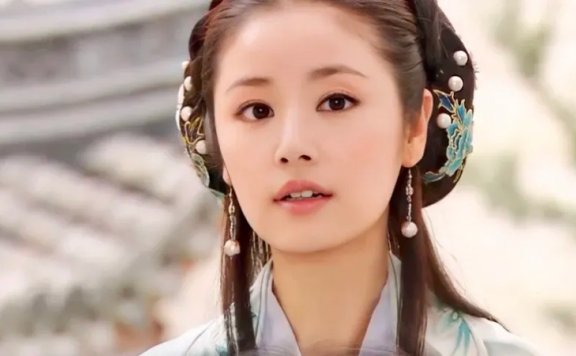
When Lin Xinru (林心如) recently reappeared on screen, audiences did more than just welcome a familiar face back. They witnessed a style moment that felt both fresh and deeply familiar. Her hair, arranged in two delicate buns at the sides of her head, sparked widespread curiosity and admiration. It wasn’t an entirely new invention but a modern nod to a classic Chinese hairstyle known as the Pearl-Clasp Bun. This look, which evokes the elegance of a bygone era, proves that some aesthetic ideas are truly timeless, seamlessly connecting past and present. Gentle Beauty of Pearl-Clasp Buns The Pearl-Clasp Bun is characterized by its distinct shape, resembling two smooth pearls or shells nestled near the temples. Its origins can be traced back to the late Qing Dynasty, where it was particularly popular among young Han Chinese women. The style was cherished for its ability to frame the face softly, offering a look that was both youthful and elegant. Unlike more formal, tightly wound buns, this style suggested a gentle, approachable beauty. While it flourished in the late 19th and early 20th centuries, its visual roots go back even further. Ming Dynasty sculptures, like those of the maidens in the Water Mother… -
The Sun in the Dark Wins with Story and Cast
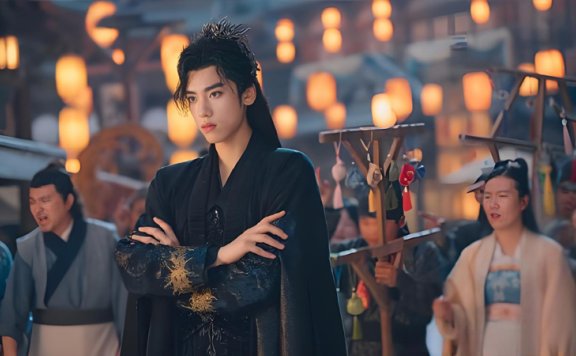
In a landscape dominated by big-budget productions, a modest Xianxia has cut through the noise. The Sun in the Dark (白夜宸缘起三生) arrived without fanfare, yet after just six episodes, it seized audience attention, achieving an impressive 8.4 rating. This isn't just another costume drama; for many, it feels like a homecoming. A Return to Roots For years, the Xianxia genre seemed to lose its way. Plots became predictable, revolving around gods embroiled in earthly love affairs that threatened the very cosmos, all while visuals often favored garish spectacle over substance. The genre's core that the “xian” spirit of ascension and the “xia” code of justice faded into the background. It became something to watch with distracted amusement, not invested passion. The Sun in the Dark shatters this mold. Its power lies not in subverting expectations but in fulfilling the original promise of Xianxia. The story introduces Bai Xiaoying (白小萤), a young woman cursed from birth. Her blood corrodes everything it touches, marking her as a monster in her village. Her tragedy deepens when Ye Shen (夜神), the Night Deity, exterminates her entire community, leaving her as the sole survivor. This is not a setup for a pity party; it is… -
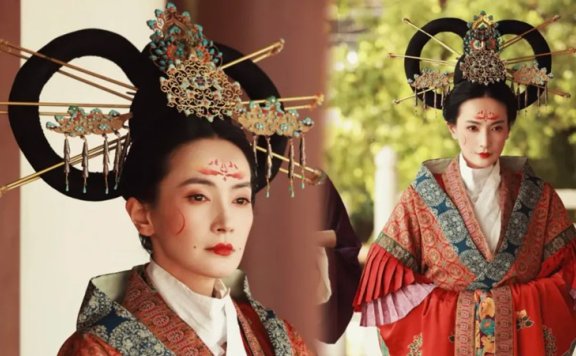
The Tang Dynasty Symbolism Behind Li Yuan's Celestial Hanfu Look
When actor Li Yuan (李媛) unveiled her latest Hanfu (汉服) editorial, the internet struggled to recognize the same person who played the fierce, shaven-headed assassin Yu Chang (鱼肠) in the hit drama The Longest Day in Chang'an (长安十二时辰). Her breathtaking transformation into an early Tang Dynasty noblewoman left viewers questioning whether this could possibly be the same performer. With intricate hairstyles resembling celestial wheels and lavish silk robes, the images present a radical departure from her on-screen persona, inviting both admiration and curiosity about the historical accuracy and symbolism behind such extraordinary designs. The Celestial Hair One of the most striking elements of Li Yuan's new look is the magnificent twin-chignon hairstyle, towering high above her head like twin halos or ancient wheels. This specific design, known as Shuang Huan Wang Xian Ji (双鬟望仙髻, Immortal-Adoring Twin Loops), draws direct inspiration from murals found in the tombs of noblewomen from the early Tang period. These elaborate styles often reached heights exceeding two feet and required immense skill and time to construct. Historical records and archaeological findings suggest that wealthy Tang women often used pre-made structured hairpieces to achieve such dramatic looks. These accessories were secured with gold hairpins, Dian (钿, inlaid… -
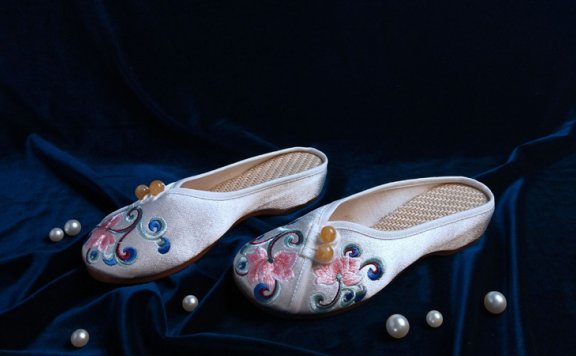
Why Are Slippers So Rare in Historical Chinese Dramas?
Viewers often notice a curious absence in historical television series set in ancient China. Characters stroll through palace corridors, relax in private gardens, and even sleep in lavish bedrooms—all while wearing the same sturdy, often elaborate, boots or cloth shoes. Where are the slippers? This question isn't just a modern pedantry; it touches on a broader conversation about historical accuracy, modern production choices, and the surprising realities of ancient Chinese footwear. The common assumption is that open-back shoes are a modern convenience, but a dive into history reveals a different story, one of practicality, fashion, and a rich sartorial culture that many contemporary shows overlook. Ancient Footwear Fashion The notion that ancient people lacked comfortable, casual footwear is a misconception. Archaeological finds and historical texts confirm that open-back shoes, known as Sa shoes (靸鞋), were worn as early as the Warring States period. These were not crude prototypes but deliberate designs, often featuring straps or intricate decorations. They served a practical purpose in a time before air conditioning, offering relief from the heat and a convenient option for indoor relaxation. In the classic novel The Dream of Red Mansions (红楼梦), the protagonist Baoyu (宝玉) is described wearing such shoes, padding… -

Why Liu Suifeng Treats Song & Zhao Differently in The Journey of Legend?
In the intricate world of The Journey of Legend (赴山海), a simple act of offering medicine reveals a profound emotional chasm within the heart of a powerful man. Liu Suifeng (柳随风), the formidable deputy leader of the Power Gang, receives the same healing pill from two different women. His reactions, however, could not be more different. This stark contrast is not a matter of protocol or rank, but a window into a soul divided between duty and a lifelong, unrequited devotion. The pills become symbols, one rejected with coldness, the other accepted with a silent, aching reverence, telling a story of love, memory, and the shadows of the past that dictate the present. Song Mingzhu's Offerings Song Mingzhu (宋明珠), known as the Red Phoenix, is a lethal and devoted subordinate. As a key operative under Liu Suifeng's command, her loyalty is absolute. Her role extends beyond that of a mere follower; she is also one of his mistresses, a relationship built more on utility and command than genuine affection. When she presents him with the precious Shisong Wan (石松丸) out of concern for his feigned injury, she expects, at the very least, acknowledgment. Instead, she is met with harsh dismissal.…
