
Where the Great Wall stands, an intangible cultural legacy lives on. Through ancestral rituals, storytelling, and traditional crafts, local communities keep history alive. The stones are silent, but the people are not—their stories, dances, and flavors form a living heritage that continues to breathe along the ancient ridges.
Tower Visiting: A 400-Year-Old Ritual That Keeps History Alive

In the shadow of the Great Wall, where the mountains of Yanshan (燕山) meet the sea near Qinhuangdao (秦皇岛), history isn’t just remembered—it’s relived. Every spring, during Qingming Festival (清明节), descendants of Ming Dynasty soldiers return to the watchtowers their ancestors once guarded. They call it "tower visiting"—a custom that has endured for over four centuries.
It began with Qi Jiguang (戚继光), the general who reinforced this section of the Wall during the Ming Dynasty. To sustain morale, he allowed soldiers’ families to join them. Each clan was assigned a watchtower. They farmed the land, stood guard, and when they died, were often buried near the towers they protected.
Today, their descendants still return. They climb the same steps, touch the same stones, and share the same stories. Elders pass down tales of courage and sacrifice. Children fill their pockets with black beans and walnuts—symbols of abundance. Afterward, families gather for a meal, sometimes numbering in the hundreds.
“It’s not just a ritual—it’s a form of memory,” says one local participant. “When we walk where they walked, we feel their presence.”
In 2021, "tower visiting" was listed as a provincial intangible cultural heritage. It’s a rare example of how a military tradition has evolved into a living, communal act of remembrance.
Stories Carved in Stone: The Legends Along the Wall
Every child growing up near the Great Wall knows the stories. Some are heartbreak tales, like the legend of Meng Jiangnu (孟姜女), whose tears are said to have moved heaven itself. Others celebrate ingenuity, like the tale of Xiao Xian (萧显), the scholar who inscribed the plaque at Shanhaiguan (山海关) Pass with such force that his brush seemed to dance.
Then there are the quieter narratives—the brickmakers of Banchangyu, who still use ancient kilns to produce tiles; the mysterious tale of the Black Bird that gave birth to the Shang Dynasty; and the epic of Li Guang shooting a tiger in the mist.
These stories, recognized as national and provincial intangible heritage, are more than folklore. They are a way for people to make sense of history, nature, and their own place in both. They’re told over tea, in fields, at festivals—keeping the past present through the simple, powerful act of sharing.
Rhythm and Light: Dance, Shadow, and Song
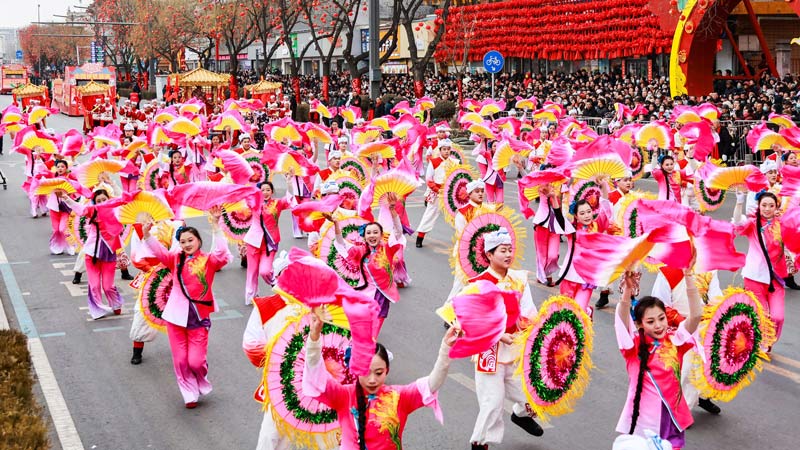
If the Wall provides the stage, then the performances that unfold beneath it are the pulse of local life.
In Changlidi (昌黎地) yangge (秧歌) dancers twist and leap, their fans slicing the air like colored wings. Not far away, puppeteers manipulate leather shadows behind lit cloth—the ancient art of shadow puppetry, which turns folktales into moving silhouettes.
Village songs are sung in dialects so old they feel like soil and wind. Drums thunder; suona horns pierce the sky with raw, soaring notes. In Qinglong County, performers practice "monkey stick dance"—a dynamic form once believed to ward off evil.
Even crafts carry rhythm: the snip-snip of paper-cut artists etching the Wall’s silhouette onto red paper, the pounding of dough for sticky Manchu bobo cakes.
What unites these arts is their energy—a fierce, joyful refusal to be silenced by time.
The Taste of the Earth: Food as Heritage
To taste the food along the Great Wall is to taste history itself. Take Chinese hackberry leaf cakes, made with wild tree leaves and coarse grain—a recipe said to originate from Qi Jiguang’s garrisons. The leaves, fragrant and resilient, echo the toughness and ingenuity of the soldiers who once relied on them.
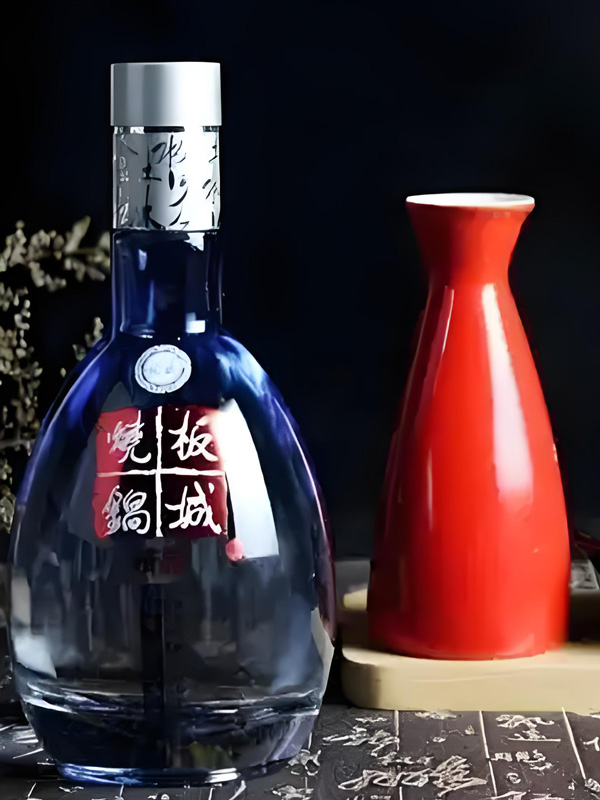
There’s Taiying distilled liquor, a liquor strong enough to “defend against the northern cold”; Funing’s delicate white fermented tofu; Qinglong’s old-world soybean curd; Lulong’s translucent noodles; and Shanhaiguan’s bubbling hunguo hot pot, packed with seafood and broth.
Each dish tells a story of adaptation, survival, and community. They’re foods that stick to your ribs—and your memory.
The Great Wall is more than stone and sentry towers. It is a thread that connects generations through story, song, flavor, and ritual.
The intangible culture that surrounds it isn’t frozen in time. It breathes, adapts, and continues to shape the lives of those who call this landscape home. As one local artisan puts it, “The Wall isn’t just something we look at. It’s something we live.”