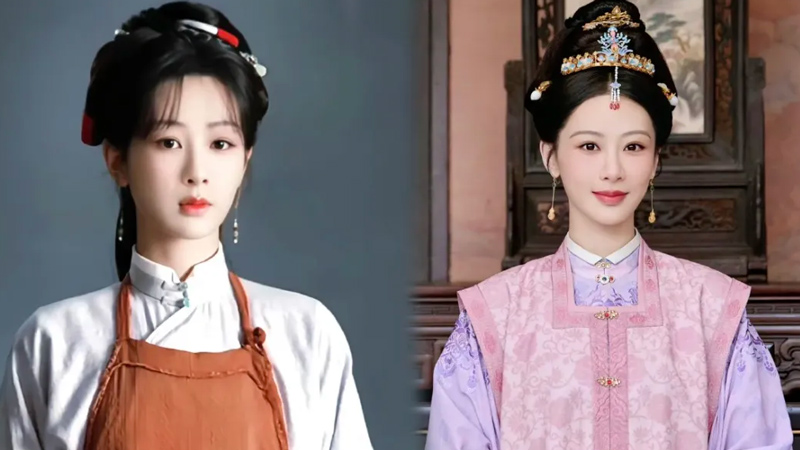
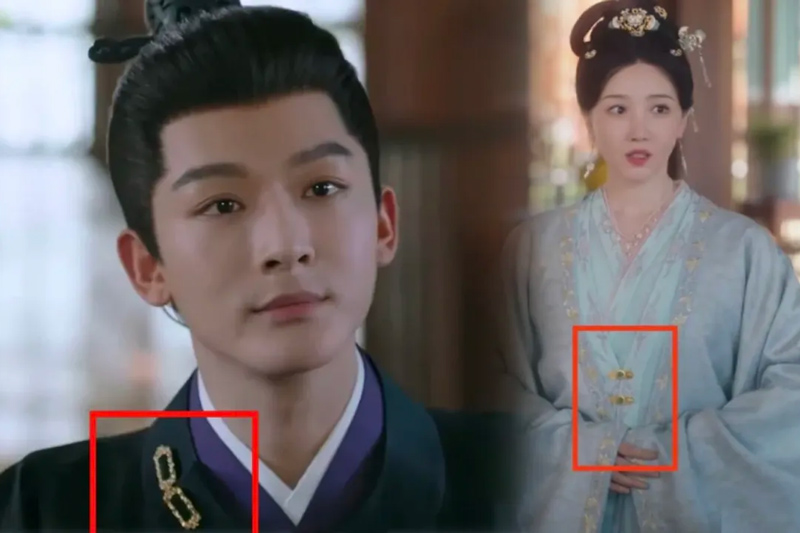
Why Does Yang Zi's The Mo (家业) Costume Feature 'Modern' Buttons? Costume design in historical dramas often walks a fine line between artistic interpretation and historical accuracy. A keen-eyed viewer might notice something peculiar about the attire of Li Zhen (李祯), played by Yang Zi, in the new period drama The Mo. Her garments, while beautifully crafted, are fastened with a row of buttons that alternate between cloth knots and metallic clasps. This seemingly minor detail has ignited a fascinating discussion, prompting many to ask: did ancient Chinese clothing even have buttons? The answer is a resounding yes, and their history is far more intricate and elegant than one might assume.
Beyond Strings and Belts
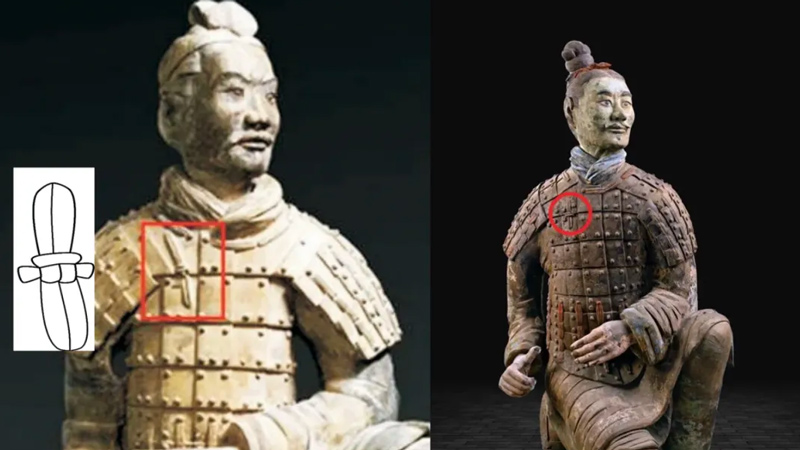
For many, the prevailing image of classical attire involves intricate sashes and cleverly tied belts. This method, known as "tying with strings and belts", was indeed a dominant fastening technique for centuries. It was practical, adjustable, and elegantly minimalist. However, it was never the sole method. As early as the Qin Dynasty, archaeological evidence from the Terracotta Army suggests the use of fasteners resembling the one-character button, though some scholars debate they were purely for armor linkage.
The evolution continued through the Tang and Song Dynasties. While belts and strings still reigned supreme, a subtle shift began. Round-collar robes and some styles of Beizi (褙子, a type of long jacket) started to incorporate elements of cloth buttons. These were often artfully crafted from silk cords and twisted fabrics, forming loops and knobs that are sometimes referred to in historical texts as "Niu Pan" (纽襻, button loops). This period marked the gradual integration of the button as a functional and decorative element beyond mere bindings.
This development showcases a move towards more refined and convenient clothing solutions. The use of fabric buttons provided a secure closure that was less prone to coming undone than a simple tie, while also offering a new canvas for subtle ornamentation. It was a quiet prelude to the sartorial revolution that would arrive with the Ming Dynasty.
The Ming Elegance
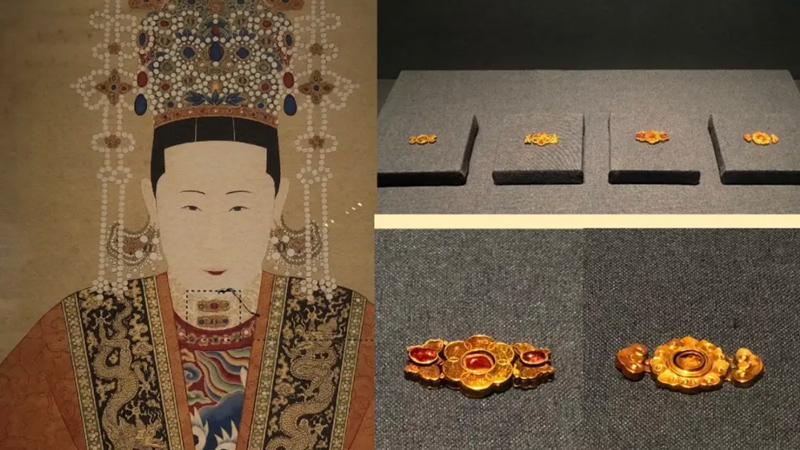
The Ming Dynasty witnessed an explosion of sartorial sophistication, driven by economic prosperity and artistic flourishing. It was during this era that the button, particularly the Zimu Kou (子母扣, mother-and-son clasp), truly came into its own. These were often crafted from precious materials like gold, silver, and jade, transforming a utilitarian object into a statement of status and taste.
These exquisite metal clasps were not hidden away but proudly displayed, frequently adorning the collars of outer garments. Their designs were intricate, featuring auspicious motifs, flora, fauna, and even minute, clearly legible Chinese characters. A scholar might choose a jade clasp to convey literary refinement, while a noblewoman might select a gold clasp embedded with gems to symbolize prosperity and beauty. The choice of button became a language in itself.
The drama The Mo, set against a historical backdrop, uses this variety to its advantage. The appearance of both cloth and metal buttons on Li Zhen's clothing is not an anachronism but a nod to the diverse options available, especially to those of means. The metal clasps, often inlaid with gemstones or kingfisher feathers, could even be coordinated with the color scheme of the outfit, highlighting a level of fashionable awareness we often associate only with the modern era.
A Lasting Legacy
The terminology itself has a rich history. The characters "Niu" (纽) and "Kou" (扣) often appeared separately in ancient texts before merging into the compound word "Niukou". "Niu" typically referred to the looped fastener, while "Kou" described the knob that slid into it. This precise language reflects the object's established place in the culture of dress.
These historical fasteners were far more than simple closures; they were concentrated expressions of art, craft, and cultural identity. A single, tiny button could tell a story through its material and motif. The romanticism embedded in these details is a classic expression of a concept we still use today—the mother-and-son clasp—proving that this particular spark of ingenuity is a timeless bridge across the centuries.
So, the next time you see a button on a historical costume in a drama, look closer. It might not be a mistake but a deliberate and authentic touch. It is a small, shining emblem of an ancient world where functionality and high art were seamlessly fastened together, inviting us to appreciate the profound wisdom hidden in the details of what people wore.