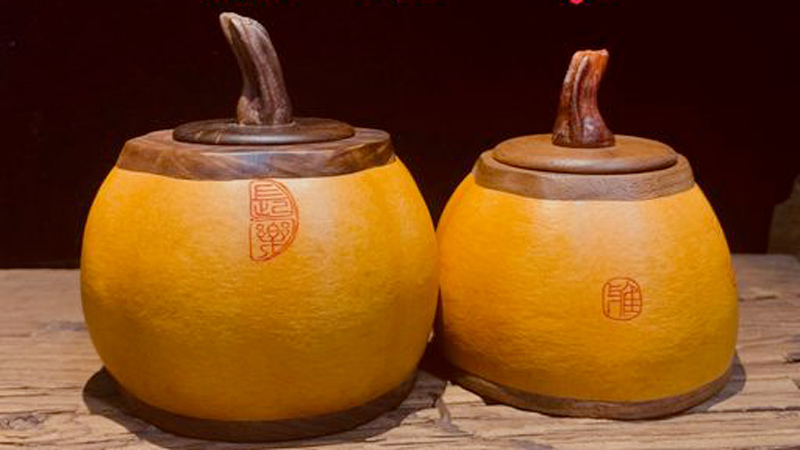
Have you ever sipped wine from a vessel you made with your own hands? This ancient practice, transforming a humble gourd into a functional work of art, is experiencing a quiet resurgence. Beyond their rustic charm, dried gourds possess a unique set of qualities that make them ideal for storing precious commodities like tea and wine. Their natural, faintly sweet aroma doesn't transfer to the contents, and with the right sealing techniques, they become perfectly airtight containers. The process of creating these objects is a meditative craft, blending patience with practicality. It offers a tangible connection to tradition and the deep satisfaction of creating something both beautiful and useful from nature's bounty.
Method of Making a Wine Gourd
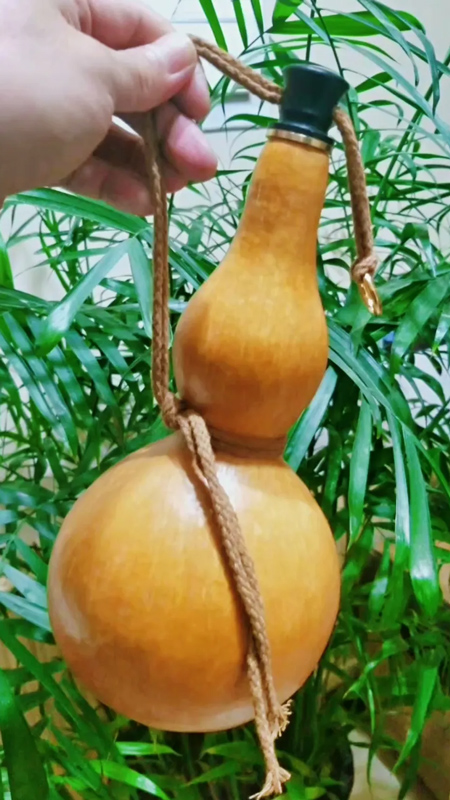
Selecting the right Hulu (葫芦) is the crucial first step. Look for one that is fully mature, with a hard, blemish-free shell and a shape that feels good in your hand. For a wine container, a classic rounded form with a narrow neck is perfect. A tea caddy often benefits from the broader, flatter profile of a "winter melon" gourd variety. The initial preparation is straightforward but requires a careful touch. Using a small saw, carefully cut around the top of the gourd following the outer diameter of your chosen stopper. This ensures a perfect fit later on.
The next phase is the most tactile: removing the inner pulp and seeds. An electric drill fitted with a flexible shaft and a small bundle of fine steel wires makes this task efficient. Insert the whirring wires into the newly created opening and gently guide them around the interior. The swirling motion effectively scours the inside, loosening and breaking up the dry material. Periodically tap the gourd to dislodge the contents and pour them out, repeating until the interior is completely clean and smooth.
With the gourd hollowed out, the focus shifts to the stopper. It is rare for a pre-made cork or wooden plug to fit perfectly into the freshly cut opening. This is where patience and a steady hand come in. Use the electric drill with a sanding attachment to slowly and carefully磨 (grind) down the inner edge of the opening. Test the fit frequently, removing tiny amounts of material each time until the stopper sits snugly and flush with the top. A perfect seal is the ultimate goal.
Crafting the Lid
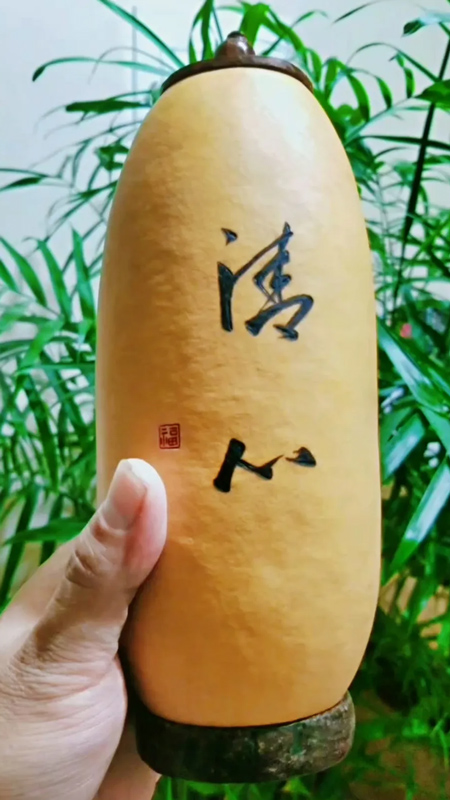
Creating a tea caddy follows a similar path but with a key difference: the lid. Instead of a small stopper, a tea caddy requires a broader, flatter cap that often covers the entire top of the gourd. For this, a two-bellied gourd is typically used, where the top section is removed entirely, and the wider bottom section becomes the main body of the container. The cap is then crafted from a separate piece of wood or even from the saved top portion of the gourd itself, sanded down to create a perfect flange that fits inside the opening.
The most critical step for both projects is creating a waterproof, airtight barrier. This is achieved through wax sealing. Natural beeswax or food-grade soy wax is ideal. The wax is melted into a liquid state and quickly poured into the clean, dry gourd. Immediately cap the opening and vigorously shake, tilt, and rotate the vessel. The goal is to coat the entire interior surface with a thin, even layer of wax before it solidifies. This process may need to be repeated once or twice to ensure complete coverage without any gaps.
Once the wax has fully hardened, conduct a simple test. Fill the gourd with water, seal it, and let it sit for a few hours. Check carefully for any signs of moisture on the outside. A completely dry exterior confirms a successful seal. For a tea caddy, an unsteady base can be remedied by gluing it to a simple wooden ring, providing stability and preventing spills. The final, rewarding touch is adding a cord. Wrapping and knotting a sturdy hemp rope around the neck not only provides a secure grip but also enhances its rustic aesthetic.
A Living Craft
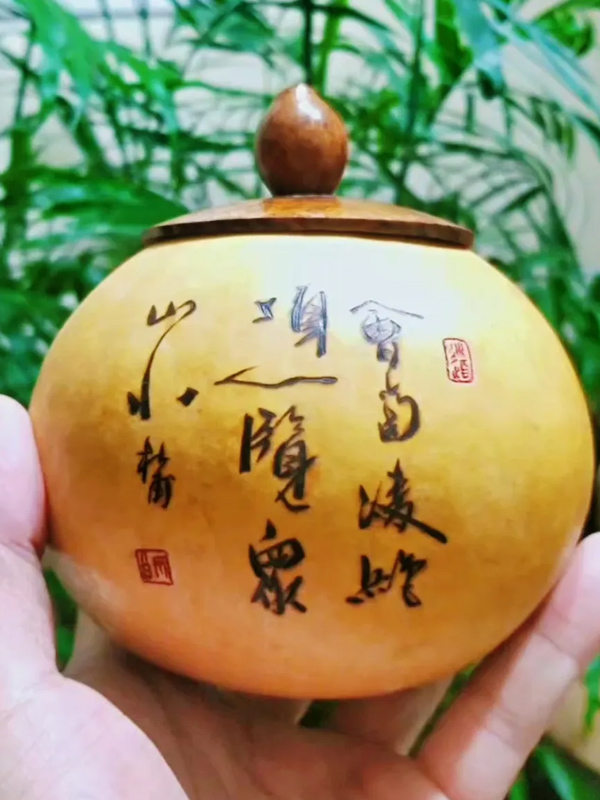
The journey of a handcrafted gourd does not end after its first use. Unlike a factory-made container, it develops a character all its own. With each use and gentle handling, the surface begins to change. The natural oils from your hands slowly polish the exterior, and the color deepens from a pale yellow to a rich, warm mahogany or chestnut brown. This gradual transformation, often called "playing" with the gourd, is part of its enduring appeal.
This craft connects us to a simpler time, repurposing a natural object with skill and care. In a world of mass-produced goods, the handmade gourd stands out. It represents a personal investment of time and a direct link to the artisan traditions of the past. Whether used for serving rice wine at a gathering or for storing a prized batch of oolong tea, it becomes a conversation piece, a story waiting to be told.
Ultimately, crafting a gourd container is about more than the final product. It is about the process itself—the focus, the patience, and the quiet satisfaction of creation. It is a hobby that encourages mindfulness and yields a unique, functional piece of art. This simple vessel, born from the earth and shaped by human hands, carries within it the echoes of history and the personal touch of its maker.