Viewers often notice a curious absence in historical television series set in ancient China. Characters stroll through palace corridors, relax in private gardens, and even sleep in lavish bedrooms—all while wearing the same sturdy, often elaborate, boots or cloth shoes. Where are the slippers? This question isn't just a modern pedantry; it touches on a broader conversation about historical accuracy, modern production choices, and the surprising realities of ancient Chinese footwear. The common assumption is that open-back shoes are a modern convenience, but a dive into history reveals a different story, one of practicality, fashion, and a rich sartorial culture that many contemporary shows overlook.
Ancient Footwear Fashion
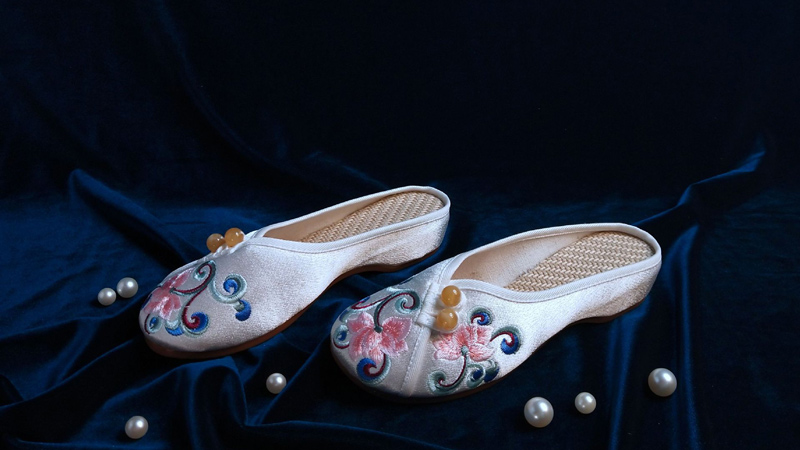
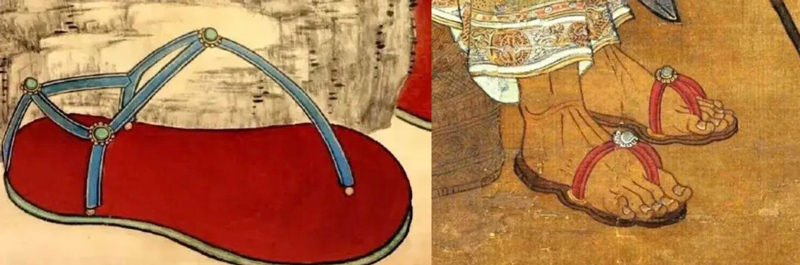
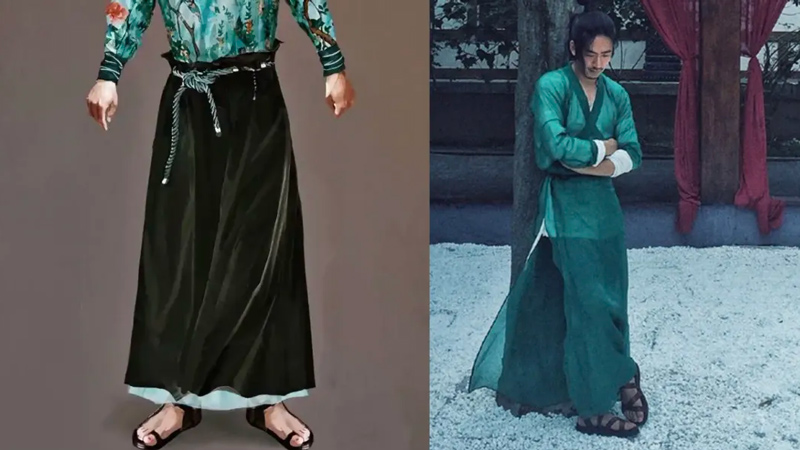
The notion that ancient people lacked comfortable, casual footwear is a misconception. Archaeological finds and historical texts confirm that open-back shoes, known as Sa shoes (靸鞋), were worn as early as the Warring States period. These were not crude prototypes but deliberate designs, often featuring straps or intricate decorations. They served a practical purpose in a time before air conditioning, offering relief from the heat and a convenient option for indoor relaxation. In the classic novel The Dream of Red Mansions (红楼梦), the protagonist Baoyu (宝玉) is described wearing such shoes, padding casually to visit a cousin, illustrating their accepted use in domestic settings.
Beyond simple Sa shoes, ancient shoemaking exhibited remarkable diversity. Craftsmen worked with materials like silk, leather, and straw, creating everything from everyday wear to luxurious statement pieces. For the wealthy, these "slippers" were far from plain. They were adorned with jewels, embroidered with gold thread, and represented a significant display of status and taste. Paintings from the Song, Ming, and Qing dynasties frequently depict nobles in opulent robes accompanied by equally splendid footwear, proving that comfort and luxury were not mutually exclusive.
The repertoire extended to other styles familiar to the modern eye. Wooden clogs, or Ji (屐), featuring raised teeth on the soles for traction on uneven paths, were common. Straw sandals, woven from natural fibers, were the preferred choice for scholars and farmers alike, prized for their breathability and ease of manufacture. Even high heels existed. Excavations from the Ming Dingling (明定陵) tomb uncovered several pairs of elevated shoes belonging to empresses, confirming that height-enhancing footwear was very much part of historical fashion.
The Modern Screen Omission
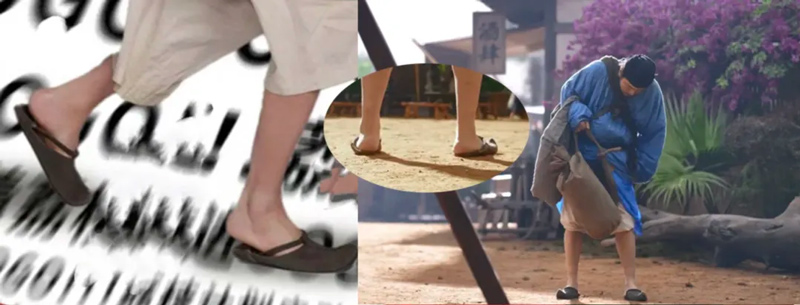
With such a rich history of diverse footwear, its near-total absence in modern historical dramas becomes a puzzling creative decision. Characters are consistently shown wearing full boots, even in the most intimate, private moments before sleep. This creates a visually streamlined but historically inaccurate portrayal, reinforcing the mistaken belief that these styles simply didn't exist back then. It simplifies the narrative's visual language at the cost of authenticity, making the past seem more formal and less relatable than it actually was.
Several factors contribute to this omission. Firstly, production design often prioritizes a certain aesthetic—usually one of grandeur and formality—that aligns with the epic nature of these stories. Elaborate boots and ornate cloth shoes contribute to a character's silhouette and perceived majesty, while slippers might be seen as breaking that illusion. Secondly, there is a powerful influence from other media. For decades, iconic series like Journey to the West set a visual precedent that focused on a specific, often mythologized, version of the past, one where casualwear had little place.
This trend is slowly being challenged. Some recent productions, like Story of Yanxi Palace (延禧攻略), have paid closer attention to period details, including interior scenes that suggest a more relaxed atmosphere. However, the explicit depiction of characters changing into dedicated indoor footwear remains rare. This gap between historical reality and on-screen portrayal highlights how modern storytelling can sometimes flatten the nuances of daily life in favor of a more monolithic and dramatic visual identity.
Reclaiming A Lost Narrative
The missing slipper is more than a trivial detail; it is a symbol of a larger disconnect. When audiences only see one type of shoe, they receive a narrow vision of history, one devoid of the small, humanizing details that make the past tangible. Incorporating these elements would not diminish the drama but enrich it, adding layers of authenticity and reminding viewers that people in the past also sought comfort, adapted to the climate, and expressed personal style even in their most private moments.
Understanding this history also helps reclaim cultural artifacts often misattributed to other nations. The wooden Ji, for instance, is frequently associated solely with Japan, despite its deep roots in Chinese history. By accurately portraying the full spectrum of ancient life, from the formal to the casual, television and film can play a role in educating the public and correcting these long-held misconceptions. It is a chance to showcase the incredible inventiveness and practicality of ancient craftsmanship.
Ultimately, the goal is not to demand that every character be in slippers, but to encourage a more thoughtful approach to production design. The ancient world was not a monochrome painting of endless formality; it was vibrant, diverse, and surprisingly modern in its solutions to everyday problems. Embracing this complexity on screen would create more immersive, believable, and ultimately more respectful stories about a culture whose sophistication continues to inspire awe today.