Article
Search results:
-
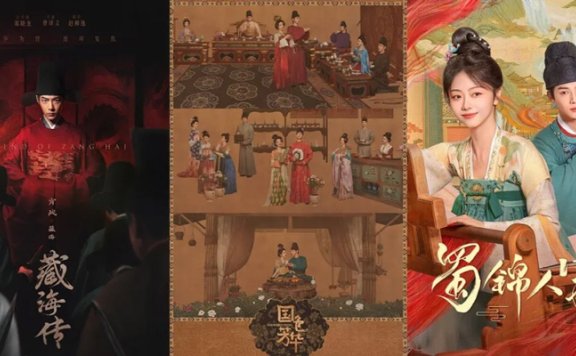
How Traditional Arts Revitalize Drama Plots
In historical television, a shift is occurring where traditional crafts become essential to storylines, moving beyond decorative elements to actively shape character development and plot progression. One series, Brocade Odyssey (蜀锦人家), features a protagonist whose skill in textile arts drives her actions and relationships. Detailed weaving scenes are integrated into key moments, showing how this craft influences political and personal outcomes. This method allows the art form to feel alive and relevant to the narrative. Another example, Scent of Time Full (为有暗香来), uses scent creation as a tool for mystery-solving and alliance-building. The main character's expertise in perfumery helps unravel clues and deepen emotional arcs. This approach turns a historical practice into a dynamic part of the story, engaging viewers with its practical applications. By embedding these elements, shows offer educational value without breaking immersion. Audiences gain insight into historical techniques while following compelling arcs. This balance enhances the overall experience, making cultural learning a natural part of entertainment. This trend highlights the importance of authenticity in integration. When cultural practices are woven seamlessly into the plot, they enrich the narrative depth. It encourages creators to prioritize meaningful content over superficial additions, potentially reshaping audience expectations for the genre. Cultural… -

Jianzhi: Exploring the Craft of Chinese Paper-Cutting
With just scissors or knives, artists transform plain paper into delicate patterns that adorn homes and mark festive occasions. This practice, called Jianzhi (剪纸), has evolved over centuries, blending artistry with daily life. Its recognition by UNESCO in 2009 underscores its role as a shared human treasure, reflecting creativity across generations. https://youtu.be/ERtUDXoHg4c?list=PLf8c1qp5Bsq_phCqics4haPwoGyDR75bH 1. History and Artistry 1.1 Historical Roots Jianzhi's beginnings trace back to early thin sheet carving methods before the Western Han Dynasty. Once paper was invented, it became the primary medium, allowing the art to flourish and adapt through different eras. By the Ming and Qing periods, Jianzhi reached its peak, becoming integral to community celebrations and personal expression. It served not only as decoration but also as a means to convey wishes and stories, embedding itself in cultural practices. 1.2 Creative Techniques Artists employ cutting for fluid, simple designs and carving for intricate details, often combining both approaches. This flexibility allows for everything from bold silhouettes to finely detailed scenes, each piece unique to the maker's skill. Common forms include monochrome works, often made through folding, as well as colorful and three-dimensional pieces. Each style offers different visual effects, from stark contrasts to vibrant, layered compositions that… -
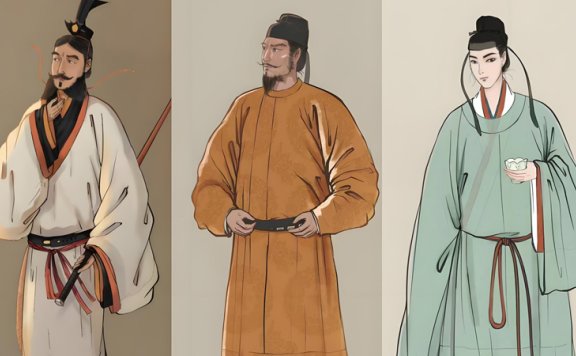
An Insight into the Clothing of China's Dynasties
Clothing in ancient China evolved from simple animal hides to intricate silk robes, reflecting social changes and technological advances. Early artifacts like bone needles and woven fragments reveal a long journey of innovation. This narrative spans millennia, showing how attire expressed identity, status, and cultural values across dynasties. Early Beginnings In the Paleolithic era, people used bone needles to stitch animal skins for basic garments. Ornaments made from stone and shells suggest early aesthetic expression. These finds at sites like Zhoukoudian (周口店) highlight humanity's innate drive to create and adorn. The Yangshao Culture (仰韶文化) left evidence of plain-woven fabrics and silk remnants. Advanced spinning and dyeing techniques emerged, producing complex textiles earlier than previously thought. This period laid groundwork for future silk mastery. During the Liangzhu Culture (良渚文化), tools like ceramic and jade spinning wheels improved weaving efficiency. Waist looms allowed finer cloth production, marking progress from primal coverings to structured apparel. Shang Dynasty (商朝) Attire in the Shang dynasty displayed clear social hierarchies. Elites wore rolled-headgear and narrow-sleeved robes with decorative aprons. Their outfits combined practicality with symbols of authority. Middle-ranking nobles sported high caps and sashes, while lower-status individuals used simpler designs with patterned accents. Each class had… -
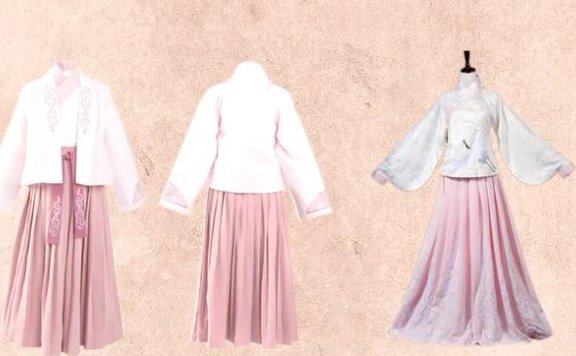
Illustrated Ancient Clothing: Learn Hanfu’s Basic Features and Forms
Hanfu represents the enduring attire system of the Han ethnic group, reflecting centuries of cultural practices and aesthetic values. This clothing is defined by precise elements like the right-crossing collar, broad sleeves, and hidden ties, distinguishing it from modern interpretations. It serves as a functional record of China's historical identity, blending philosophy with daily wear. Early forms such as the Shenyi (深衣) from the Pre-Qin era laid the foundation, emphasizing unity in design. The Han period featured the Quju (曲裾) for formal events, while the Tang dynasty's Qixiong Ruqun (齐胸襦裙) expressed vibrancy and freedom. Song styles like the Beizi (褙子) favored understated elegance, and Ming innovations such as the Mamian Qun (马面裙) and Liling Aozi (立领袄子) highlighted technical mastery. Each shift mirrored societal values, creating a rich visual legacy. https://youtu.be/O8j8zk_WsBo 1. The basic characteristics of Hanfu Hanfu represents the traditional dress of the Han Chinese people, with a history that stretches back millennia. Its design principles are deeply rooted in cultural practices and aesthetic ideals, offering a unique perspective on garment construction. This clothing style emphasizes fluidity and grace, moving beyond mere fashion to embody a way of life. Each element of Hanfu serves a purpose, blending form and function… -
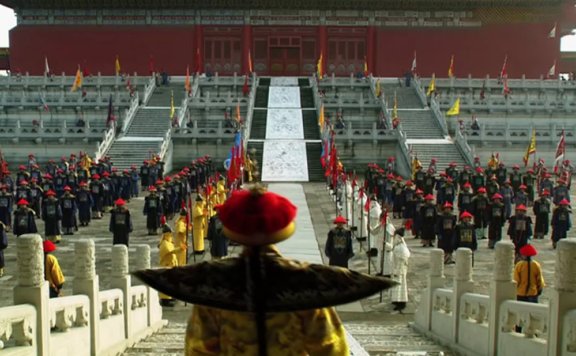
Did Ancient People Celebrate a National Day?
What if we told you that National Day celebrations, in some form, are almost thirteen centuries old? Long before the founding of modern nations, the concept of a "national" celebration already thrived in one of the world's most enduring civilizations. However, the festivities looked remarkably different, centered not on a country's founding but on the individual who embodied the state: the emperor. In ancient China, the most magnificent celebrations were reserved for the emperor's accession to the throne and his birthday, events that transformed into nationwide holidays filled with ritual, revelry, and a distinct imperial grandeur. Imperial Accessions The most momentous occasion in an empire was the ascension of a new emperor. Marking the start of a new reign and a new era, the accession ceremony was the highest standard of celebration. The capital city would be decorated with lanterns and banners, while an elaborate and solemn ritual unfolded within the palace. The emperor, dressed in ceremonial robes, would report to Heaven and the ancestral temples before receiving the obeisance of all his officials. This event was not merely a political formality; it was a powerful symbol that the entire nation was bathing in the atmosphere of a new beginning.… -
Did Ju Jingyi's Milan Style Rebellion Shapes Her Entire Career?
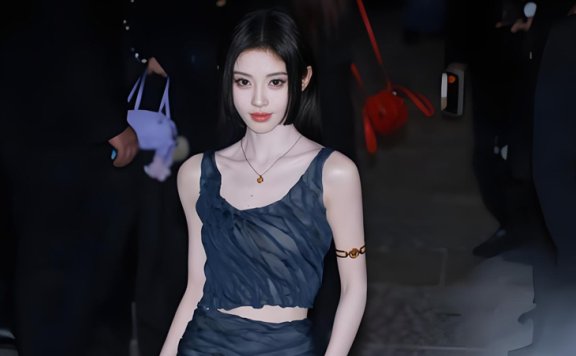
When Ju Jingyi (鞠婧祎) arrived at Milan Fashion Week, she didn't just bring new outfits; she brought a new persona. Her appearance became a talking point, shifting the conversation from what she wore to who she is becoming, signaling a potential watershed moment for artists of her generation navigating the pressures of fame. The visual departure was stark. Gone were the soft, approachable elements that defined her earlier career. In their place emerged a sharper, more defined silhouette that commanded attention through its cool elegance rather than warm familiarity. This shift felt intentional, a calculated move to dismantle the "nation's sweetheart" image that had long defined her. It posed a compelling question to her peers and audience alike: is the most powerful form of beauty the one that constantly evolves, even if it means shedding a previously successful identity? The Visual Shift Her style strategy was a masterclass in contrast. A delicate pink slip dress, a remnant of her former aesthetic, was shrouded by a severe, long black coat. Her posture was different—confident, almost defiant, with a hand tucked into a pocket. A metallic choker around her neck caught the light, its cold gleam a world away from the warm… -
How Did Ancient People Tie Qiu Biao?
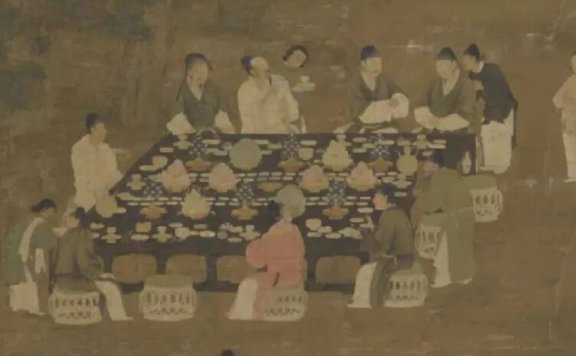
As summer's heat gives way to autumn's crisp air, a timeless ritual unfolds across China, one rooted in the wisdom of generations past. This practice, known as Tie Qiu Biao (贴秋膘), or "autumn fattening," is not merely about indulgence but a strategic preparation for the harsh winter ahead. Historically, the cooling temperatures signaled a time to replenish the body after the lean summer months, when appetites waned and energy was depleted. From imperial kitchens to humble farmsteads, people turned to specific, nutrient-rich foods to build resilience and store energy. This article delves into the delicious and practical ways ancient Chinese communities embraced this seasonal shift, focusing on the iconic dishes that defined their autumn tables and supported their health through the colder seasons. Hearty Meat Feasts One of the most beloved dishes for autumn nourishment was Hongshao Rou (红烧肉), a slow-braised pork belly known for its rich, savory-sweet sauce and meltingly tender texture. In rural households, after the intense labor of summer harvests, a substantial piece of pork was a treasured source of fat and protein. Cooked with Huangjiu (黄酒), soy sauce, and rock sugar in a heavy pot over a low flame, the dish transformed simple ingredients into a… -
What Games Did Ancient Chinese Children Play?
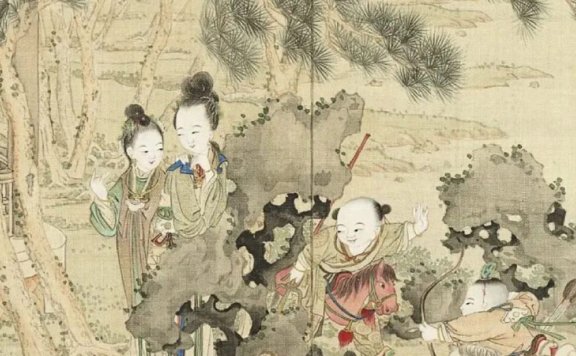
Long before plastic and batteries, the children of ancient China found their joy in toys born from nature and human ingenuity. These playthings, crafted from bamboo, wood, paper, and clay, were not merely for distraction; they were instruments of imagination, physical activity, and social connection. They filled courtyards and village squares with laughter and competition, creating a vibrant soundscape of childhood that has, in many ways, echoed through the centuries. From the skies above to the dust beneath their feet, every element of the world could be transformed into a source of wonder. The legacy of these ancient amusements offers a fascinating window into the daily lives and creative spirits of young people from a bygone era, showing us that the fundamental desire for play is truly timeless. Flying Kites Soaring high above the earth on the breath of the wind, the kite was a marvel of ancient engineering and artistry. Known poetically as Yuan, its origins trace back to wooden birds crafted by master artisans like Lu Ban (鲁班). With the advancement of papermaking during the Han Dynasty, these prototypes evolved into the more accessible paper kite, or Zhiyuan (纸鸢). By the time of the Song Dynasty, flying kites… -
Where Did the Grand Phoenix Hairpins Vanish in Historical Dramas?
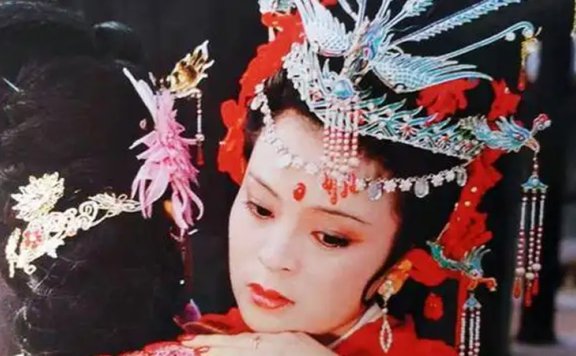
Remember the dazzling phoenix hairpins that once crowned the heads of empresses and noblewomen in Chinese historical series? These ornate accessories, symbolizing power and status, have become a rare sight in recent productions. From the lavish courts of The Dream of Red Mansions (红楼梦) to the playful elegance of My Fair Princess (还珠格格), these hairpins were more than mere decoration—they were storytelling devices. Yet, as you flip through modern series, their absence prompts a question: what drives this shift away from traditional opulence? This change reflects broader transformations in audience preferences, production logistics, and a deeper engagement with historical authenticity. It is not merely a stylistic choice but a nuanced evolution in how contemporary media interprets and presents cultural heritage. Style Shifts Audience demographics have shifted significantly, with younger viewers dominating streaming platforms. Their tastes lean towards minimalist and functional aesthetics, which align with modern fashion sensibilities. Elaborate hairpieces, once a staple, now feel out of place in narratives that prioritize relatability and swift pacing. Characters are designed to resonate on a personal level, where subtle accessories convey individuality without overwhelming the scene. This trend mirrors global influences, where simplicity often trumps extravagance in visual storytelling. Historical research has gained… -
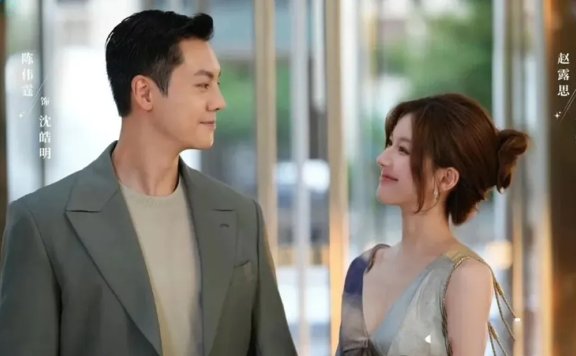
Zhao Lusi Breaks the Sweetheart Mold in Love’s Freedom
In the competitive landscape of Chinese television, a drama about a marriage built on lies has become an unexpected triumph. Love's Freedom (许我耀眼), starring Zhao Lusi (赵露思) and William Chan, arrived on screens with no prior announcement, yet it managed to shatter records and redefine its leading lady's career. This series follows a seemingly perfect couple whose beautiful facade hides a web of deceptions and calculated moves. The drama's success is intertwined with Zhao Lusi's personal evolution as an actress. Once predominantly known for sweet, romantic roles, she boldly steps into the shoes of Xu Yan (许妍), an ambitious woman who uses her wit and, when necessary, deception to navigate a world that often judges her for her humble beginnings. This role is a departure from the characters that made her famous, showcasing a darker, more complex side to her acting abilities and proving that she is far more than just a "sweetheart" of the screen. Beyond the Sweet Girl For years, Zhao Lusi charmed audiences with her bubbly and innocent characters, earning her the title of a "sweet specialist." However, Love's Freedom marks a significant turning point. Her character, Xu Yan, is a determined woman who climbed from a… -
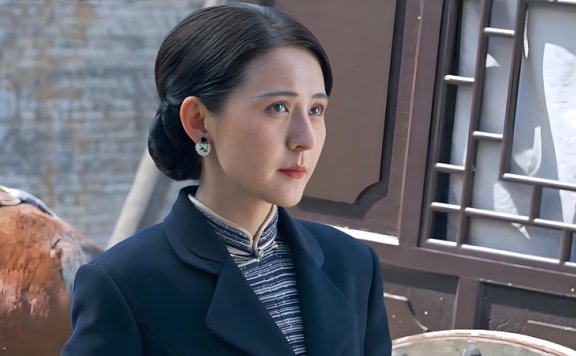
Chu Shaohua's Payback: Wild Ambition Bloom Shapes Shanghai Justice
The finale of the television series Wild Ambition Bloom (灼灼韶华) delivers a powerful narrative centered on Chu Shaohua (褚韶华), a woman whose journey from rural hardship to urban power in 1920s Shanghai culminates in a shocking display of retribution. Her story, woven with themes of betrayal and resilience, reaches its peak when she confronts the relatives who once exploited her. This article examines the pivotal moments that shape her transformation, exploring the moral complexities of her actions and their impact on her identity. Through a lens of personal awakening, the drama challenges conventional notions of revenge and survival, offering a gripping tale that resonates with audiences seeking stories of empowerment and change. The Retribution Chu Shaohua's past collides with her present when Wang Dayi, a relative from her hometown, arrives in Shanghai with a deceptive scheme. Wang brings a photograph of an unknown child, falsely claiming it to be Chu's long-lost daughter, as part of a plot to gain trust and eventually drug her for trafficking. Chu, however, has evolved beyond her naive origins; she overhears their private discussions, revealing intentions to seize her assets and destroy her life. This discovery ignites a cold determination in her, shifting her from… -
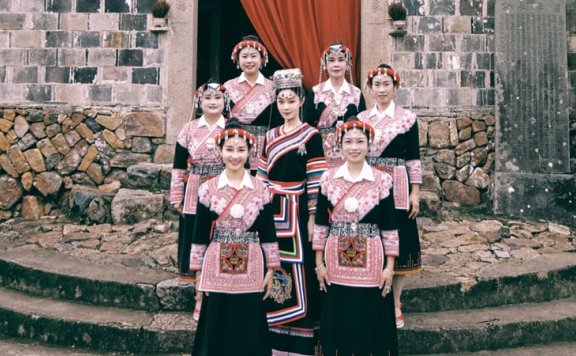
Discovering the She Ethnic Group Through Fujian's Highlands!
In the lush landscapes of Fujian, a vibrant cultural wave is capturing hearts and headlines. The She (畲) people, an ethnic group with a rich history of migration and resilience, are stepping into the spotlight. Recently, a feature in China National Tourism (中国国家旅游) magazine, accompanied by actress Song Yi (宋轶) adorned in traditional She attire, has ignited widespread fascination. She, known for her roles in historical dramas, immersed herself in the She community, donning the iconic Phoenix Dress and sharing the experience with millions online. This isn't just a fashion moment; it's a gateway into a world where ancient traditions thrive amid modern times. The She, who call themselves "Shanha" (山哈) meaning "guests of the mountains," have carved out a unique identity through centuries of adaptation. Their story unfolds in remote villages nestled among Fujian's rolling hills, where every aspect of life, from architecture to cuisine, reflects a deep connection to nature and heritage. As interest grows, people are drawn not only to the visual splendor but to the profound human stories behind the culture. Phoenix Attire The Phoenix Dress is more than clothing; it's a wearable symbol of She identity. Inspired by reverence for the phoenix totem, this ensemble… -
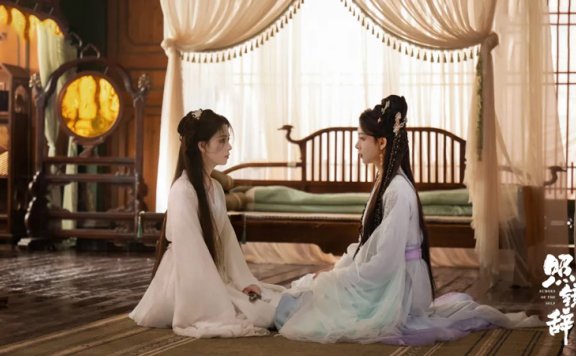
Echoes of the Self: When Your Greatest Enemy Is Your Past Self
What if you were given a second chance, only to find yourself a stranger in your own life? This is the central dilemma in the new historical fantasy drama Echoes of the Self (照镜辞), which recently premiered. The series follows Zhou Ruoxi (周若兮), a woman who dies tragically after making ruthless choices in her pursuit of power, only to wake up three years in the past. The twist? She hasn't returned to her own body. Instead, her consciousness now inhabits the body of a foreign princess, a cousin she never knew she had. Armed with the knowledge of how her life will unravel, she attempts to correct her past mistakes, only to discover that changing one variable has altered everything. The people she knew, the events she remembered, and even her former self are now entirely different. This clever premise moves beyond simple time travel, asking a deeper question about identity and whether we can ever truly understand the person we used to be. The Unwinnable Game Zhou Ruoxi's second chance quickly proves to be a nightmare. She finds herself in the body of Princess Ling (玲公主), a figure who was barely a footnote in her previous life. Believing she… -
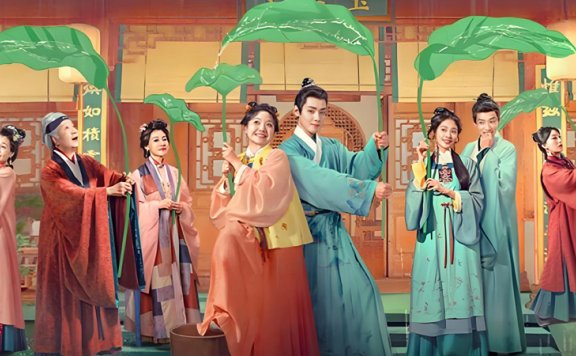
How Hilarious Family 2’s Characters Teach Embracing Inner Strength
In the captivating drama Hilarious Family 2, two characters find themselves trapped in oppressive systems, yet their journeys diverge dramatically. Ai Sixi (艾四喜), punished for faking a pregnancy, endures brutal torment at the Yuanyang Tang (鸳鸯堂), a correctional facility for women. Meanwhile, Jing Kan (经坎), sentenced to labor at the Gongcha Yuan (贡茶园) for running an unlicensed tea shop, transforms his plight into an opportunity. Why does one succumb to despair while the other carves out freedom? Their stories reveal profound truths about reliance, resilience, and the human spirit in the face of injustice. This tale set in a historical backdrop challenges viewers to reflect on their own responses to adversity, making it a poignant narrative for modern audiences. Dependency and Deception Ai Sixi arrived at the Yuanyang Tang expecting to learn simple chores like serving tea or sewing. Instead, she encountered a harsh regime designed to break her will. The female overseer, a formidable figure, subjected her to psychological games and physical labor, such as binding her hands to grind grain while dangling food just out of reach. This environment stripped away her dignity, leaving her feeling isolated and helpless. Each day blurred into a cycle of exhaustion and… -
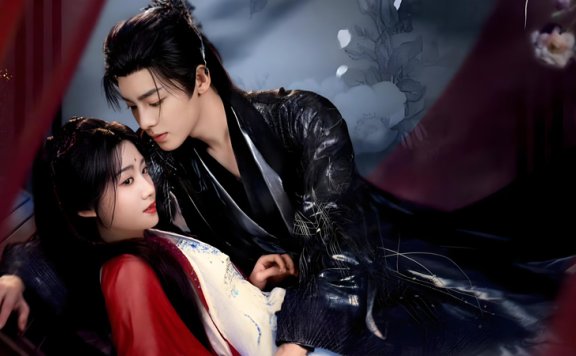
Love in the Clouds: A Rivalry Forged in Strategy and Desire
What happens when an unbeatable champion meets her match in a ragged outsider? This September, the Xianxia genre receives a jolt of fresh energy with the arrival of Love in the Clouds (入青云). Starring Hou Minghao (侯明昊) and Lu Yuxiao (卢昱晓), this series promises to swap out tired romantic tropes for a gripping tale of high-stakes competition, intellectual duels, and a slow-burn connection forged in rivalry. Forget the predictable; this is a story where ambition and strategy reign supreme, and love is the most complex game of all. The Unbeaten and The Unlikely Every year, the realms of the Heavenly Void Six Realms gather for the Conclave of Ascension, a prestigious tournament where the most powerful immortals and demons test their might. For seven consecutive years, the victor has been the same: Ming Yi (明意). Known as the Stone-Faced War Goddess, her cold demeanor and flawless skill with a silver spear have made her a legend. Everyone expects her eighth victory to be a formality. No one pays attention to Ji Bozai (纪伯宰), a common fighter from the Abyss of the Ultimate Star whose worn-out black robe hints at his humble status. The moment they clash, the arena's expectations shatter.… -
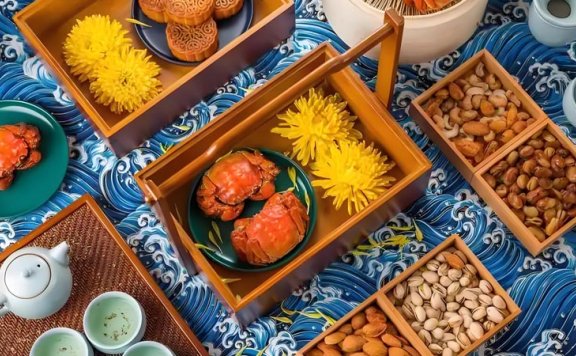
Mooncakes and Lanterns: The Enduring Charm of the Mid-Autumn Festival
When the full moon rises in the autumn sky, families across China and beyond gather for the Mid-Autumn Festival, a celebration that transforms a simple lunar event into a profound symbol of unity and hope. This festival, rooted in ancient lunar worship, has evolved into a vibrant tapestry of rituals and joys that resonate through generations. It is not merely a date on the calendar but a living tradition where the moon's glow illuminates stories of harvest, reunion, and cultural continuity. From bustling cities to quiet villages, people pause to honor the past while creating new memories, blending time-honored customs with personal touches. The essence of this night lies in its ability to connect individuals to their heritage and to each other, making it a cherished pause in the rhythm of modern life. As the world moves fast, the Mid-Autumn Festival offers a moment to reflect, share, and appreciate the simple beauty of togetherness under the celestial canopy. Ancient Roots The origins of the Mid-Autumn Festival trace back to ancient China, where communities revered the moon as a divine force linked to agricultural cycles and cosmic balance. Initially, it served as a harvest thanksgiving, with rituals aimed at appeasing lunar… -
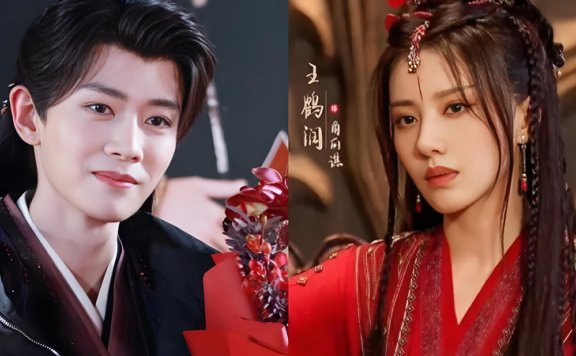
Why Fate Chooses You Is the Most Anticipated Xianxia Drama of 2025?
In the ever-expanding universe of digital entertainment, a new spectacle is poised to enchant audiences with its unique blend of fantasy and romance. Fate Chooses You (佳偶天成), an exclusive iQiyi production, has already captivated over two million viewers through pre-release registrations, marking an unprecedented surge in popularity for the Xianxia genre. This series, slated for an October 2025 debut, transports viewers to an intricately crafted ancient realm where the boundaries between mortals, deities, and mystical clans blur. At its heart lies a narrative that intertwines personal curses with grand conspiracies, following two unlikely heroes bound by fate. Their journey, which spans from imperial capitals to enigmatic valleys and distant western lands, promises not only visual splendor but a deep exploration of resilience and love. As anticipation builds, this drama stands out for its fresh take on classic tropes, offering a compelling reason for fantasy enthusiasts to mark their calendars. Cursed Origins Lu Qianqiao (陆千乔), a warrior from the Zhan Gui Zu (战鬼族), carries the weight of a generations-old affliction known as the "Five Imperfections." This curse grants him immense physical strength but exacts a heavy toll, shrouding his life in isolation and unspoken hardships. His path crosses with Xin Mei… -
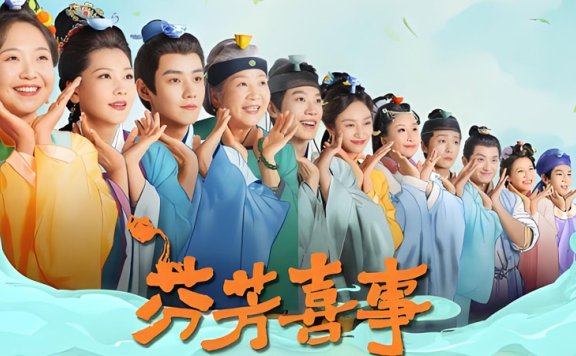
Ai Sixi’s Fight for Agency in Hilarious Family 2
In the enthralling world of Hilarious Family 2 (芬芳喜事), a dramatic tale unfolds around Ai Sixi (艾四喜), a woman who embarks on a fabricated marriage to escape dire circumstances, only to find herself entangled in the opulent yet treacherous Jing Family (经家), renowned tea merchants in a historical Chinese setting. This narrative delves into her clever maneuvers to transform a temporary arrangement into a permanent position of influence, challenging traditional family dynamics and personal convictions. As she steps into a life of luxury and latent dangers, her story becomes a compelling exploration of resilience and cunning in the face of adversity, set in a time where social hierarchies and familial duties dictate one's fate. Through her eyes, viewers witness a blend of emotional depth and strategic brilliance, making every moment a test of wit and willpower. The Strategic Move Ai Sixi's initial agreement with Jing Kan (经坎) was purely transactional—a fake union to safeguard her own survival, as her home, the Yueji Inn (悦己客栈), had been seized, leaving her with nowhere else to turn. Rather than passively accepting her role, she seized control by immersing herself in his world, using every interaction as a chance to understand his motivations and… -
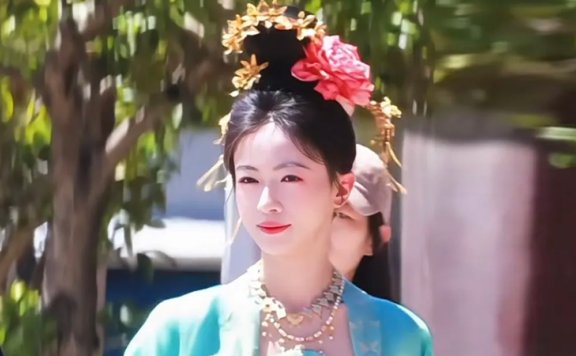
Wearing the Golden Blooms in Jiang Shan Wei Pin
When actress Wu Jinyan (吴谨言) appeared in the historical drama Jiang Shan Wei Pin (江山为聘) with a headpiece adorned with a row of shimmering golden flowers, audiences were captivated. Each delicate bloom trembled with her movements, sparking lively debates online. Many wondered if such opulent accessories were truly part of ancient attire or merely artistic exaggeration. This curiosity opens a window into the rich tapestry of historical Chinese fashion, where hair ornaments were not just decorative but carried deep cultural weight. The dazzling display in the series invites a closer look at how these items reflected societal values and personal identity across different eras. Ancient Beginnings The use of floral gold decorations in hair, known as Dian (钿, gold flower ornament), dates back to the Wei (魏) and Jin (晋) periods. During this time, artisans began crafting thin gold sheets into flower shapes, which were then attached to hairpins or directly into hairstyles. These items gained prominence as symbols of status and beauty, evolving through subsequent dynasties. In the Tang (唐) era, Dian became highly popular, with intricate openwork designs that showcased advanced metalworking skills. Archaeological finds from Tang tombs include numerous gold flower pieces, confirming their widespread use among… -
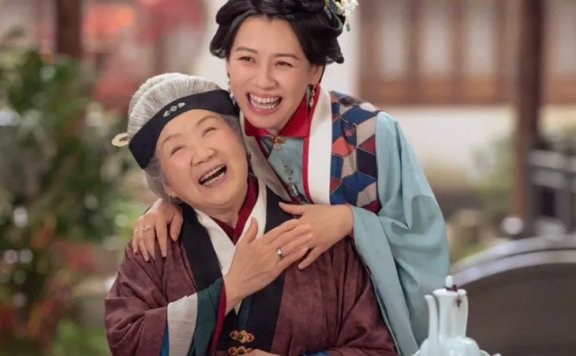
Were There Patchwork Clothes in the Tang Dynasty?
Did ancient Chinese fashionistas wear patchwork? The answer might surprise you. Long before sustainable fashion became a modern buzzword, a remarkable garment was turning heads in the dynasties of old. This was not merely clothing, but a canvas where artistry met resourcefulness, creating a style so enduring that its echo can be seen on runways today. The story of this attire weaves together threads of Buddhist humility, parental love, and the irrepressible human desire for aesthetic expression, forming a rich tapestry of cultural history that challenges our perceptions of vintage fashion. More Than Fabric The Shuitian Yi (水田衣), or "water field garment," earned its name from a charming visual metaphor. Its composition of irregular, multi-colored fabric patches was said to resemble the fragmented layout of a rice paddy. While its popularity peaked later, evidence of such patchwork clothing exists from the Tang Dynasty, mentioned in the poetry of Wang Wei. This style is a close relative of the monastic Baina Yi (百衲衣), or "hundred-patch robe," worn by Buddhist monks. These robes were constructed from scraps of cloth gathered through alms, serving as a physical manifestation of ascetic principles—practicing frugality while transcending material attachment. A parallel tradition existed for children, known…