What separates a true artist from a mere technician? Beyond technical skill, lasting artistic impact requires a deeply personal trinity of attributes: an internal compass, a unique voice, and a singular way of seeing. These are not tools one can buy, but foundational elements built over a lifetime of practice, reflection, and courageous self-honesty. They form the core of an artistic identity, allowing creators to navigate the complex worlds of inspiration, criticism, and commerce without losing their way. This is the essential toolkit for any artist aiming to contribute a meaningful, authentic vision to the world.
1. The Inner Compass
Every artist must forge their own inner compass. This is not an external set of rules about technique or style, but a personal system of values, aesthetic judgment, and creative principles. It answers the most critical internal questions: What makes a work good? What subjects are worth exploring? When is a piece truly finished? This compass measures sincerity, uniqueness, and spiritual depth far more than pure technical execution.
In an art world filled with fleeting trends, market pressures, and loud opinions, this internal guide is what keeps an artist grounded. It prevents them from simply following the latest fashion or creating work designed solely to please others. Instead, they engage in a constant dialogue with this personal standard, using it to critique their own work, push beyond past successes, and delve deeper into their creative practice. The goal is evolution, not repetition.
Developing this reliable guide requires immense effort. It is built through continuous study, practice, self-critique, and reflection. It emerges from a long process of questioning everything, absorbing influences, and then consciously choosing what to keep and what to discard. The art that results from being measured by this personal standard is coherent, authentic, and instantly recognizable as the work of a single, focused mind.
2. A Unique Language
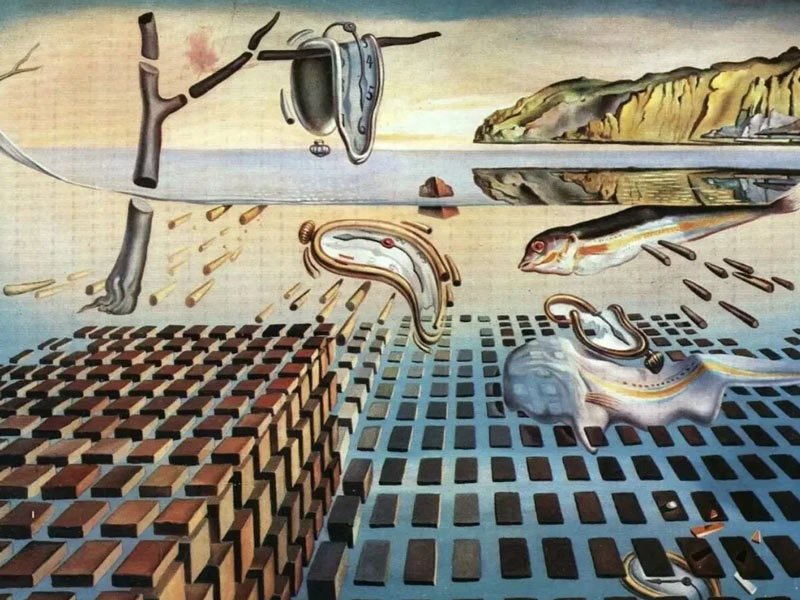
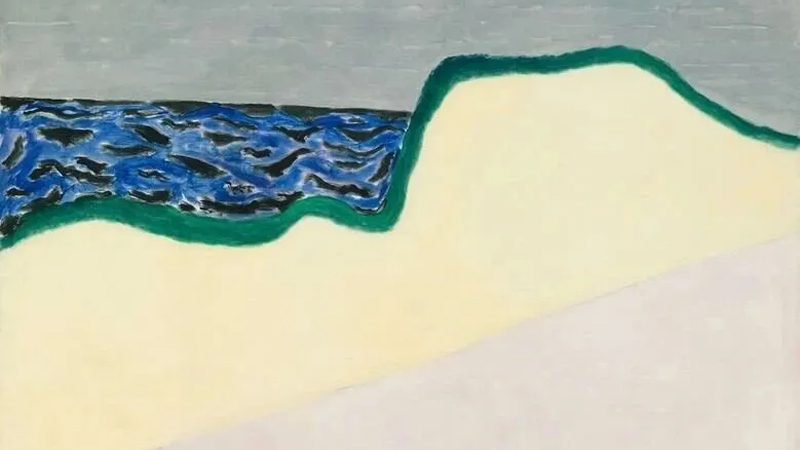
An idea alone is not enough; it must be expressed through a distinct artistic language. This extends far beyond words. For a painter, it might be a specific use of brushstroke, color, or composition. A sculptor might be known for a revolutionary approach to material, form, or space. It can be a recurring symbol, a metaphorical system, or a chosen medium itself, from installation and performance to digital code.
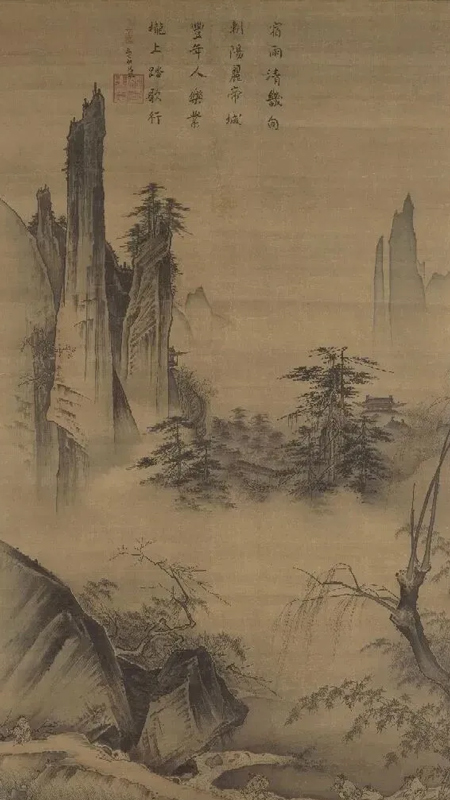
In Chinese art history, masters like Mi Fu (米芾) and Mi Youren (米友仁) were known for their "Mi Dot" technique, while Ma Yuan (马远) perfected his "axe-cut" texture stroke. These were their visual vocabularies. In the West, Vincent van Gogh’s swirling, emotive lines or Salvador Dalí’s melting clocks and drawers are the linguistic fingerprints of their respective universes. The form itself becomes part of the content; a aggressive brushstroke conveys raw energy, while a meticulous line suggests precision and control.
Finding this language is a journey from imitation to integration, and finally, to innovation. An artist must experiment with countless techniques and mediums to discover which one best translates their inner world. Then, they must refine it, master it, and make it undeniably their own. This unique language is what allows an audience to not just see a work, but to feel the presence of the artist behind it.
3. A Personal Worldview
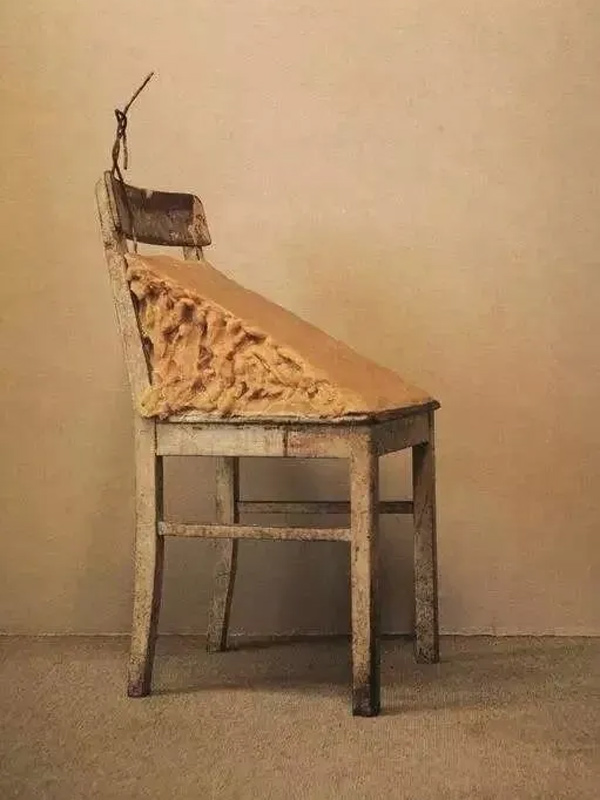
The deepest wellspring for any artist is their personal worldview—the unique lens through which they perceive everything. This is not about what they look at, but how they see. It is the fusion of their life experiences, cultural background, intellectual curiosity, and emotional sensitivity. This lens allows them to find extraordinary meaning in ordinary subjects and to share insights others might miss.
The value of art lies not in replicating existing beauty, but in offering new ways to understand our existence. Pioneers like Marcel Duchamp, who presented a urinal as art, or Joseph Beuys with his concept of "social sculpture," fundamentally shifted our perspective. They forced society to question long-held assumptions and see the world differently. Great art invites us to step into the artist's shoes and re-examine our own familiar reality.
Cultivating this unique perspective demands a life engaged with the world. It involves voracious reading across disciplines like philosophy and science, traveling, and embracing diverse cultures. Most importantly, it requires the bravery to be authentically oneself, to question inherited beliefs, and to value one's own perceptions and experiences. This worldview is the engine that drives the entire creative process, providing the raw material and the motivation to create.
These three elements are deeply interconnected. The worldview is the root and the engine, generating the core content. The artistic language is the stem and leaves, giving that content a visible form. The inner compass is the immune and guidance system, ensuring the work remains pure, focused, and true to the artist's vision. A mature artist does not merely possess these tools; they live by them, creating an irreplaceable body of work that could come from no one else.