In a landscape dominated by big-budget productions, a modest Xianxia has cut through the noise. The Sun in the Dark (白夜宸缘起三生) arrived without fanfare, yet after just six episodes, it seized audience attention, achieving an impressive 8.4 rating. This isn't just another costume drama; for many, it feels like a homecoming.
A Return to Roots
For years, the Xianxia genre seemed to lose its way. Plots became predictable, revolving around gods embroiled in earthly love affairs that threatened the very cosmos, all while visuals often favored garish spectacle over substance. The genre's core that the “xian” spirit of ascension and the “xia” code of justice faded into the background. It became something to watch with distracted amusement, not invested passion.
The Sun in the Dark shatters this mold. Its power lies not in subverting expectations but in fulfilling the original promise of Xianxia. The story introduces Bai Xiaoying (白小萤), a young woman cursed from birth. Her blood corrodes everything it touches, marking her as a monster in her village. Her tragedy deepens when Ye Shen (夜神), the Night Deity, exterminates her entire community, leaving her as the sole survivor. This is not a setup for a pity party; it is the forge for a hero.
Instead of seeking salvation from a powerful love interest, her drive is singular and ferocious: revenge. In a breathtaking sequence, she ascends a seemingly endless celestial staircase. Bloodied and broken, she refuses to quit, her declaration echoing a new kind of resolve: "If I cannot reach the immortal sect, I might as well die here." This is a protagonist defined by tenacity, not privilege, a reflection of a modern desire for self-determined strength.
Visual Poetry
A common frustration with recent series has been the visual presentation. Cheap computer effects and a gaudy, ostentatious aesthetic often broke immersion, making the mystical world feel artificial and unconvincing. The magic felt less like a powerful force and more like a visual distraction.
This series treats its visual language with reverence. The immortal realms are depicted not with blinding gold but with a delicate, poetic elegance. Think mist-shrouded mountains, serene waterways, and architectures that embrace classical Eastern minimalism. The space feels vast and authentic, breathing with a quiet, majestic energy that truly feels immortal.
The action sequences are where this dedication truly ignites. A battle between Ye Chenyuan (夜沉渊) and an immortal sect is a masterclass in tension and scale. The collision of magical energies is visceral; you feel the shockwaves of power. Every effect is crafted with intention, showcasing a production that respects its audience enough to invest in believable, breathtaking spectacle. This is the grand, perilous conflict fans have longed for.
The Right Faces
Casting can make or break a fantasy world. Rather than relying solely on top-tier celebrities, the show found performers who embody their roles completely, delivering both striking looks and authentic emotion that never feels forced.
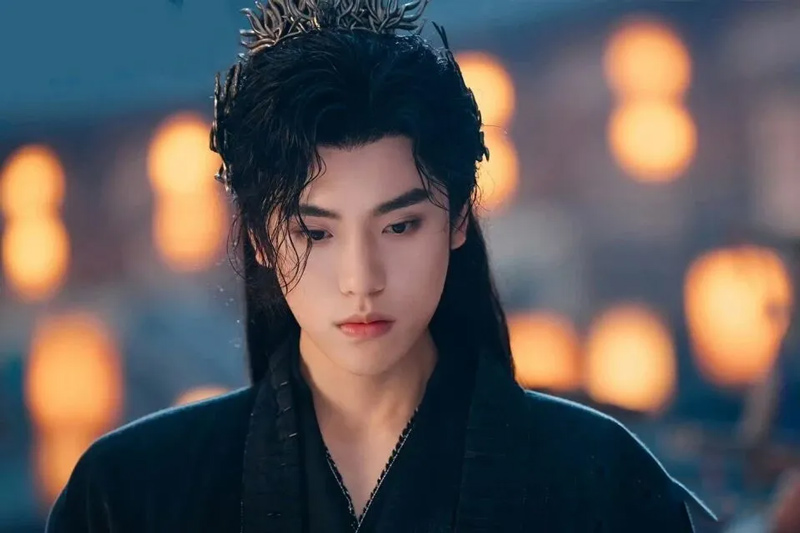
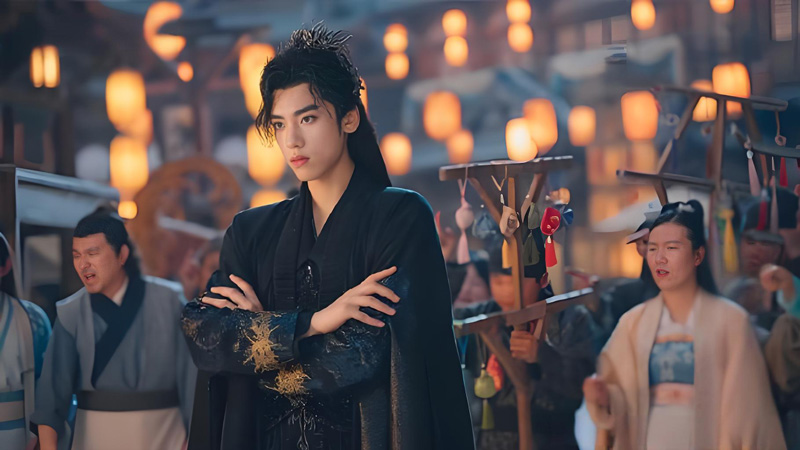
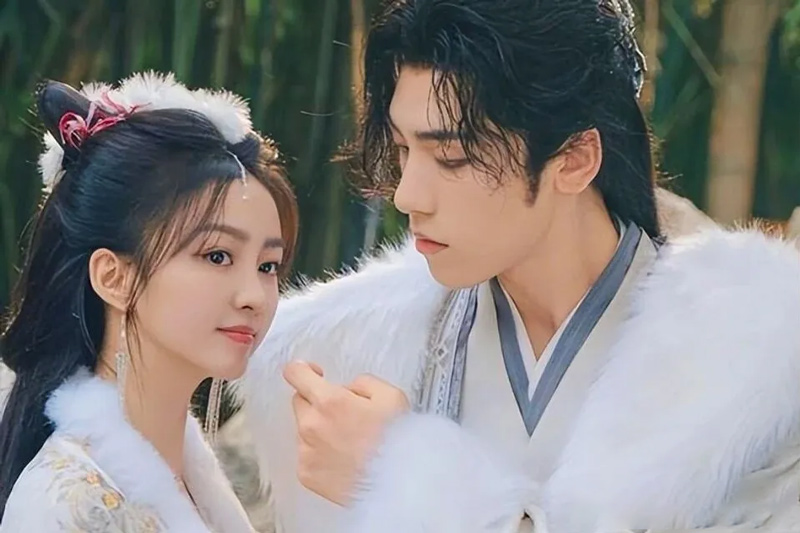
Wang Ziyi (王子异), previously known as a fashionable idol, undergoes a stunning transformation. As Ye Shen, he is draped in black, emanating an aura of cold, imposing divinity. His expression is often stoic, but his eyes convey a timeless, disdainful power. His dynamic with the heroine is particularly compelling, flawlessly portraying a mix of disdain, frustration, and inescapable connection.

As the protagonist, Qi Yuchen (漆昱辰) is a revelation. She brings a luminous intensity to Bai Xiaoying. Her performance is etched in her gaze—unyielding defiance, fleeting hope, and consuming hatred are all communicated with powerful clarity. She possesses a unique beauty that stands apart from generic features, and her natural acting style makes her character’s journey profoundly relatable.
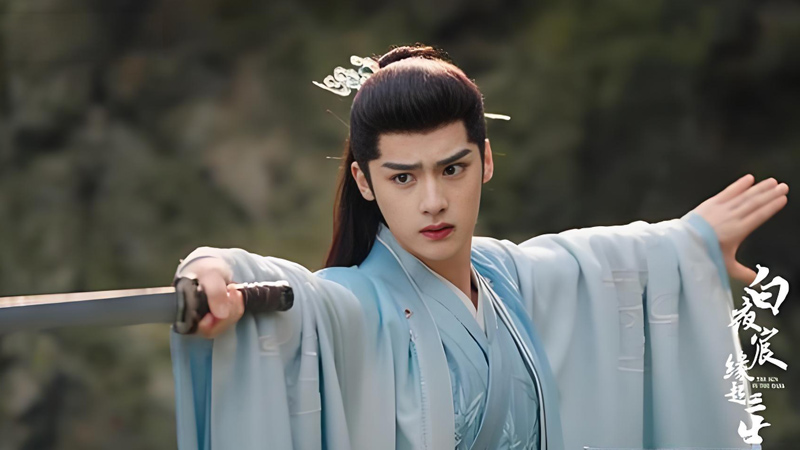
Chu Zijun (储子竣) further solidifies his status as a natural in period settings. After captivating audiences in My Journey to You, he returns as an immortal patriarch. Dressed in white, he exudes a wise, compassionate, yet tragically detached aura. His mere presence on screen validates the ancient and mystical rules of this world.
The Sun in the Dark succeeds because it remembers what made its genre captivating. It offers a resilient heroine with a clear purpose, a love story weighted by destiny, visuals that serve the narrative, and a cast fully committed to their world. It isn’t just a good drama; it’s the one that reminded everyone what they were waiting for.