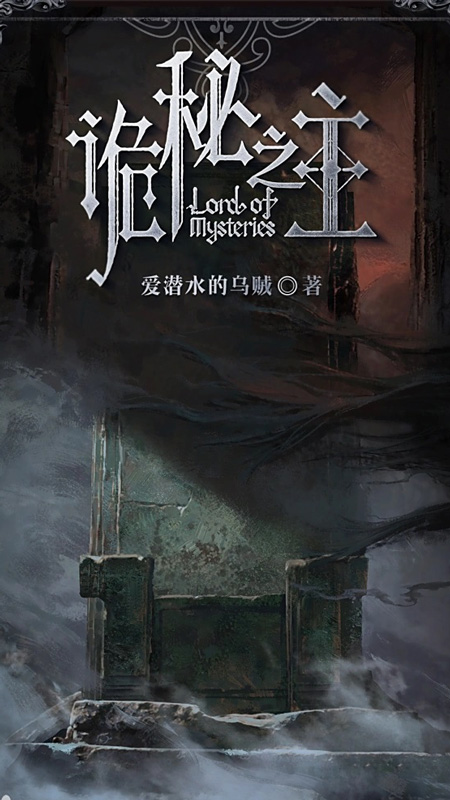
Forging its own path, the animated adaptation of the web novel Lord of Mysteries (诡秘之主) is making waves far beyond China. It’s not just another hit show—it’s a phenomenon leading international anime fans to use the term “donghua” more often, recognizing Chinese animation as a distinct and compelling genre.
A Sacrifice That Moved Millions
The first season’s finale left viewers speechless. Facing a descending evil deity, Captain Dunn Smith lights his pipe, takes a deep breath, and literally tears out his own heart. It resonates with Saint Selena’s ashes, causing brilliant silver-blue flowers to bloom across the battle-worn church—a final, breathtaking act of hope.
"Nightmare!" the captain shouts, using his last strength to restrain the evil god’s vessel. "Light!" The protagonist, Klein Moretti (Zhou Mingrui, 周明瑞), seizes the moment. Using a sealed artifact, he summons solar flames that obliterate the threat. The Nightwatch squad saves the city, but the cost is immense.
This powerful climax solidified the show’s reputation. Many viewers admitted the finale alone reshaped their view of the entire season, praising its emotional depth and stunning animation.
Not Your Typical Adaptation
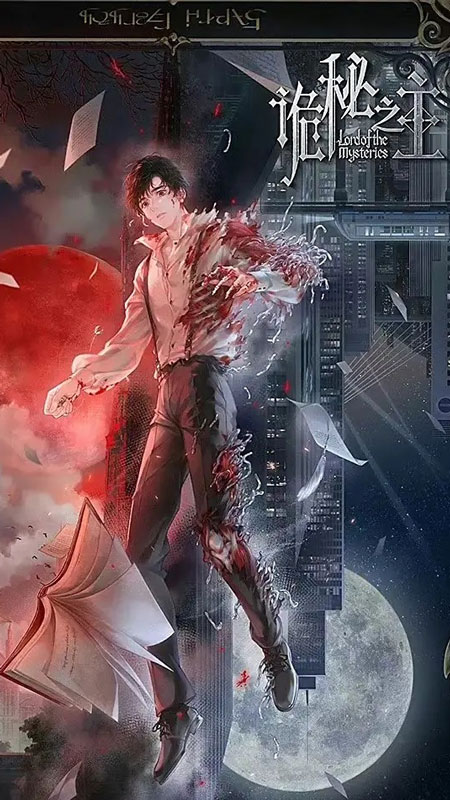
Lord of Mysteries was already a heavyweight from the start. Its source material is a record-breaking web novel on Qidian China. Yet this adaptation breaks away from common donghua tropes like Xianxia or Jianghu.
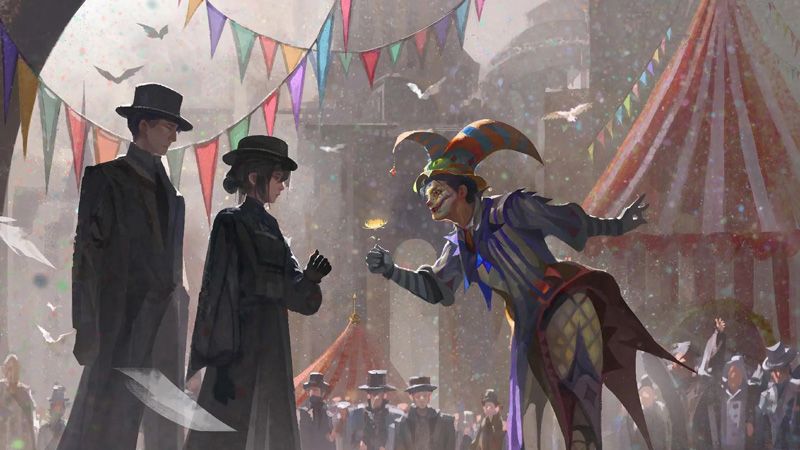
Instead, the series blends Gothic horror, steampunk aesthetics, and Lovecraftian mystery in a world resembling Victorian England. This Western-inspired setting surprisingly works in its favor for global audiences.
Its visual style is another standout. Rather than relying on full 3D CGI like many Chinese animations, it uses a hybrid 2D/3D technique. Some episodes required up to 26,000 original drawings. The result is a rich, detailed look that feels both fresh and familiar to international anime fans.
The distinct approach resonated worldwide. Released in seven languages across more than 190 regions, the show earned impressive ratings on platforms like IMDb (9.3/10) and MyAnimeList (8.79/10).
Beyond Superficial Power-Ups
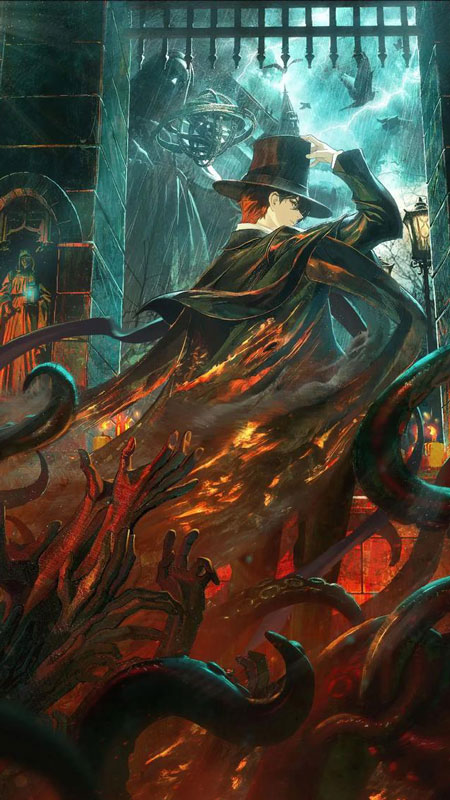
While the story follows Klein’s journey from a modern transplant to a “Beyonder” wielding sequence-based powers, the heart of the narrative goes deeper. The show doesn’t shy away from the cost of power. Gaining abilities often means battling the madness they bring. A core tenet of the Nightwatch captures this tension perfectly: “We are guardians, but also a bunch of poor wretches constantly fighting against danger and madness.”
The animation shines when portraying universal human struggles—loss, duty, and sacrifice. Characters like old Neil, consumed by grief, or the timid but courageous Leonard Cohen, who confronts unimaginable terror for his city, make the story relatable beyond cultural boundaries.
Captain Dunn’s sacrifice isn’t just about defeating a monster; it’s about protecting what matters. That’s a theme that translates anywhere.
The show uses cinematic language—slow motion, dynamic particle effects, focused perspectives—to deepen emotional impact. Every choice feels weighted. Every moment matters.
The Rise of “Donghua”
Lord of Mysteries proves that meaningful cultural outreach isn’t about stacking obvious symbols. It’s about telling compelling stories with emotional cores that cross borders. Love, sacrifice, and courage in the face of darkness are understood everywhere. This shared emotional language is what truly connects, more than any singular style.
Its success has firmly planted the term “donghua” within the global anime community’s vocabulary, shifting Chinese animation from a niche interest to a recognized category with diverse stories to offer.
The show is not flawless: some early episodes suffer from uneven pacing, and the adaptations also required cuts from the dense novel. Even so, its ambition and quality are clear. With a decade-long production plan already announced, including multiple seasons and films, Lord of Mysteries isn’t just climbing its in-world sequences. It’s elevating the entire landscape of Chinese animation, showing there’s more than one way to tell a great story.