Article
Search results:
-
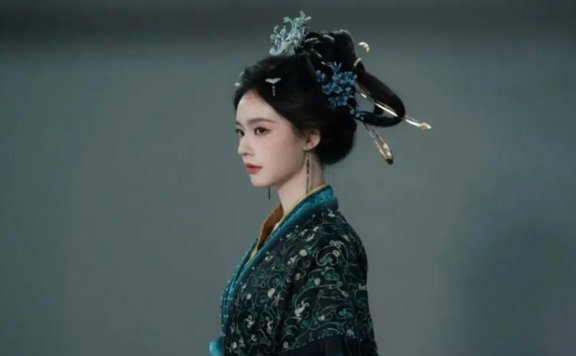
Lin Yun's Wei-Jin-Inspired Look in The Road to Glory
The recent unveiling of actor Lin Yun's (林允) official look for the upcoming historical series The Road to Glory (归鸾) has sparked more than just casual discussion; it has ignited a wave of enthusiastic approval online. In an era where period dramas often favor fantasy-inspired, anachronistic designs, her ensemble stands out for its deliberate grounding in the historical aesthetics of the Wei and Jin dynasties. This choice resonates deeply with an audience increasingly weary of generic "Xianxia" (仙侠) fairy costumes that, while visually pleasing, lack cultural roots. The design philosophy here is clear: true ethereal beauty stems from historical authenticity, not from arbitrary layers of sheer fabric and elaborate hair ornaments. Lin Yun's look, therefore, is being celebrated not merely as a pretty costume, but as a statement of intent—a call for costume design to reconnect with its source material. The Silhouette of History The core of the ensemble is a Banxiu Ruqun (半袖襦裙), a style of short-sleeved jacket and skirt that adheres closely to Wei-Jin tailoring. The wide sleeves and crossed collar are classic elements, but the inclusion of the documented "half-sleeve" design is a meticulous touch. The skirt, constructed from trapezoidal fabric panels, creates a unique, fluttering movement… -
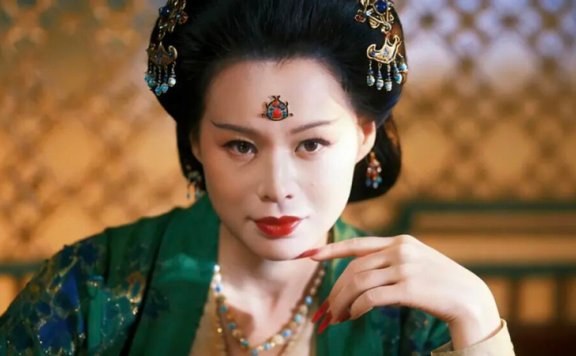
Hu Xing'er's Tang Dynasty Look in Shang Gongzhu
When sneak peek images from the set of the historical drama Shang Gongzhu (尚公主) circulated online, one element dominated the conversation: Hu Xing'er's (胡杏儿) breathtaking appearance. Playing the role of a senior princess, her character is adorned in a Tang Dynasty-inspired ensemble that feels both ancient and strikingly fresh. This particular style, known among enthusiasts as the "Tianbao loose hair" (天宝披发) and paired with a luminous lotus crown, has not only highlighted her acting versatility but also ignited interest in the sophisticated fashion of one of China's most illustrious eras. What secrets does this look hold, and how does it connect to the past while feeling so novel today? The Tianbao Loose Hair The "Tianbao loose hair" is a masterclass in historical illusion. Contrary to its name, it is not merely hair left down. Instead, it is an intricate updo where the hair is gathered and secured at the crown, then artfully draped to cascade down the back, creating a silhouette of effortless flow. This hairstyle flourished during the Kaiyuan (开元) to Tianbao periods of the Tang Dynasty, a time noted for its cultural openness and aesthetic experimentation. Its rarity in contemporary television makes Hu Xing'er's portrayal a visual revelation.… -
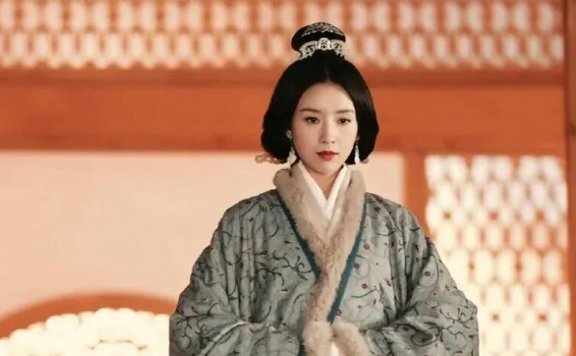
How Did a Hair Style Earn the Name Falling Off a Horse?
What comes to mind when you hear Falling Horse Chignon? Many assume a direct link to equestrian activity—was it a practical style for riding, or perhaps born from the disarray after a fall? The truth is more nuanced. This iconic hairstyle, whose name literally embeds the character for 'horse', is a fascinating thread in the tapestry of ancient Chinese fashion, carrying cultural whispers from the Han Dynasty onward that are far more vibrant than a simple equestrian tale. A Fashion Statement, Not a Riding Accident The Falling Horse Chignon flourished during the mid to late Western Han period. Its connection to the horse lies not in function but in poetic imagery. The style was characterized by a voluminous bun deliberately tilted to one side, creating a "seemingly fallen, yet not quite" effect. It evoked the languid, slightly disheveled allure of a beauty having just slipped gently from horseback, her hair loosely arranged yet intentionally styled. This was artifice, not accident. Historical records, notably the Book of the Later Han (后汉书), credit its invention to Sun Shou (孙寿), the wife of the powerful Eastern Han general Liang Ji (梁冀). Renowned for her beauty and cunning, she pioneered a whole aesthetic. She… -
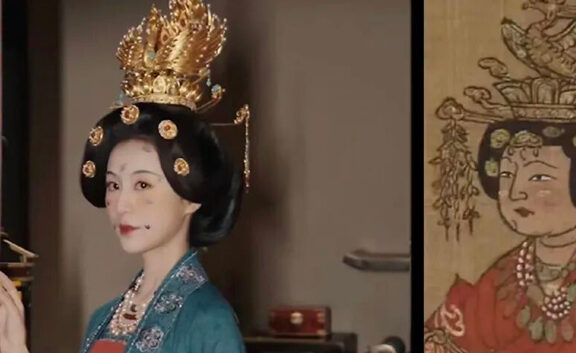
Have TV Dramas Finally Gotten Historical Makeup Right?
The recent period drama Swords into Plowshares (太平年) sparked lively online debate, but not for its plot or performances. Instead, viewers were captivated—and often baffled—by the wedding makeup. Actress Zhou Yutong’s (周雨彤) character appeared with intricate patterns adorning her face, resembling an array of tiny, artful moles. While some fans praised the bold look, others questioned its historical accuracy and aesthetic appeal, with comments ranging from "This makeup made me laugh" to "This is too garish." This intense reaction highlights a growing public interest in the authenticity of historical costuming. Behind the modern scrutiny lies a legitimate ancient practice, offering a rare glimpse into the extravagant beauty ideals of a bygone era. The Historical Face Chart The distinctive facial patterns are not a modern stylist’s fantasy. They faithfully recreate a specific cosmetic tradition known as Mian Ye (面靥), which flourished from the late Tang dynasty into the Five Dynasties period. Far from random decoration, these designs carried deep symbolic meaning. Artisans and wearers used materials like dried flowers or delicate gold leaf, adhering them to the skin with adhesives such as fish glue. Different shapes held different names and connotations: Hua Ye (花靥) for floral motifs, Niao Ye (鸟靥) for… -
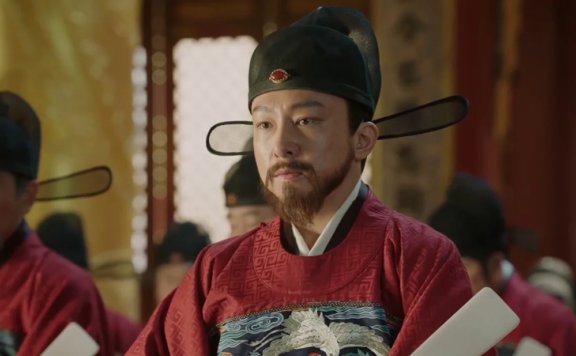
Ancient Chinese Men's Accessories Through Dynasties
When we picture historical adornment, the image is often feminine. Yet across China's long history, a man's accessories were far from an afterthought. They were a deliberate language, speaking volumes about his identity, virtue, and place in the world. These objects—worn at the waist, on the head, or in hand—served as keys to understanding the wearer. More than mere decoration, they were embodiments of cultural values, evolving with each dynasty to reflect shifting ideals of masculinity, power, and taste. From the resonant chime of Jade to the functional elegance of a belt, these items composed a silent visual code. This exploration moves beyond simple cataloguing to listen to the stories these objects tell about the men who wore them and the eras they defined. The Language of Jade The deep connection between Chinese gentlemanly ideals and jade began early. The saying "a gentleman never parts with his jade without reason" underscores its role. During the Qin and Han dynasties, jade was the paramount material for male adornment, symbolizing moral integrity. A nobleman's ensemble often featured a Zu Yu Pei (组玉佩), a set of jade plaques suspended from the waist. Their gentle, rhythmic clinking was intentional; it was meant to regulate… -

4 Ancient Timekeepers That Ran Imperial China
For thousands of years, the sun dictated the rhythm of life. People worked at its rise and rested at its set. Today, our time is sliced into precise digits by phones and watches. But in the vast stretches between day and night, how did ancient civilizations measure passing hours without modern tools? Their ingenious solutions reveal a deep desire to comprehend and master time's invisible flow, leading to inventions that were both scientifically profound and elegantly simple. 1. Gui Biao (圭表) - The Sun's Shadow Rule The most fundamental timekeeper was the Gui Biao, the empire’s celestial ruler. This instrument, essentially a vertical pole and a horizontal scale, measured the sun’s shadow. Its purpose was grand and agricultural: defining the solar year and the 24 solar terms. By marking the longest and shortest noon shadows, officials could pinpoint the Winter Solstice and Summer Solstice. The entire agricultural calendar and imperial rituals hinged on its readings. While it could indicate noon, the Gui Biao was not for hourly use. Its data set the framework. Think of it as the empire’s annual planner, calibrated by sunlight. The precision of the Chinese calendar, which allowed farmers to sow and harvest with remarkable accuracy… -
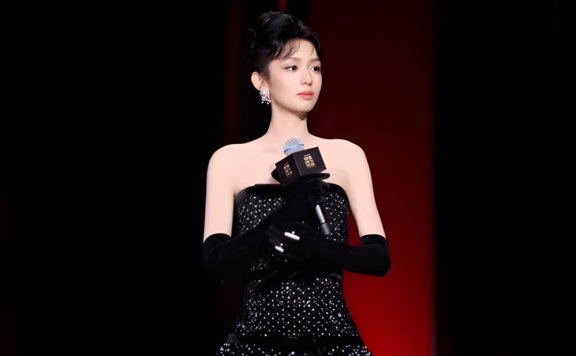
Zhou Ye Wows in Starlight Black Dress With Dazzling Stylistic Shift
Social media platforms recently lit up, not with celestial bodies, but with images of actress Zhou Ye (周也). The buzz surrounded a single, transformative appearance where she shed her well-known persona for something entirely different. This was not the familiar, sweet-faced starlet, but a vision of cool, sophisticated elegance that marked a definitive departure. The catalyst for this conversation was a breathtaking black gown, a garment that did more than clothe its wearer—it announced a new chapter. The striking visual shift prompted fans and fashion critics alike to reassess her artistic trajectory, questioning whether this was a mere momentary style or a sign of deeper evolution. The Anatomy of Elegance At the heart of this transformation was the dress itself. A strapless column of black, its surface was a meticulously crafted night sky. Countless silver crystals, heat-set into the fabric, caught the light with a subdued, star-like twinkle. From a distance, the effect was of a seamless, shimmering galaxy; up close, the intricate craftsmanship revealed itself. The clean, classic lines of the bodice highlighted Zhou Ye's collarbone and shoulders, framing her features with timeless grace. This foundation of modern glamour was anchored by a decidedly retro accessory: a pair of… -
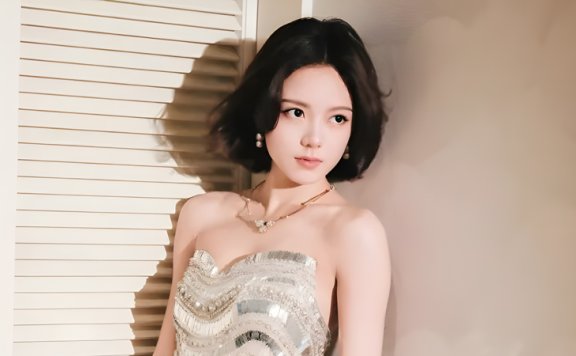
Zhao Jinmai Shines in Gold Scale Gown
In a dazzling display of transformative style, young actress Zhao Jinmai (赵今麦) recently captivated the fashion world. She stepped out in a stunning silhouette that fused retro glamour with futuristic flair: a shimmering gold scale-patterned gown. The look, featuring a sleek bandeau top and a short, chic bob hairstyle, radiated an aura of sophisticated charm. It was a bold departure from her usual youthful image, signaling a confident stride into a more mature yet vibrant aesthetic. This wasn't just another red carpet appearance; it was a statement. The gown's intricate design and her poised presentation created a powerful visual narrative, instantly setting social media ablaze with admiration and analysis. It marked a pivotal moment in her evolving public persona, demonstrating how a single, well-executed outfit can become a cultural talking point. The Dress: A Modern Armor The centerpiece of the look was the gown itself—a masterpiece of texture and light. Constructed on a classic black dress foundation, it was entirely transformed by thousands of overlapping metallic scales. Each scale acted like a tiny mirror, catching and throwing light with every movement to create a liquid, molten-gold effect. The bandeau cut presented a clean, sharp line that elegantly framed her shoulders… -
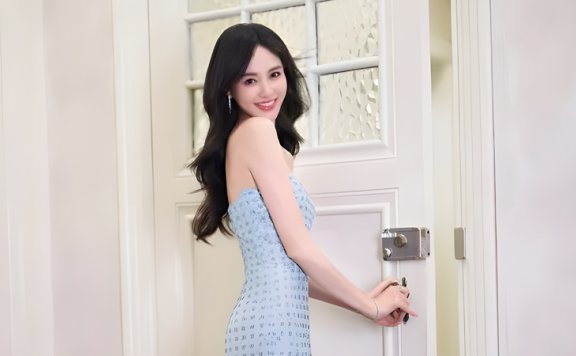
Tang Yan Embraces Ice-Blue Muse Aura in Sequin-Embellished Gown
When images of actress Tang Yan (唐嫣) in a shimmering ice-blue gown flooded social media, they did more than capture attention—they told a story. This wasn't merely a red carpet appearance; it was a statement of evolved grace. In an industry where trends flicker and fade, her ability to consistently present a refined, authentic image has cemented her status as a style icon. Her latest look serves as a perfect lens through which to view her journey from a popular actress to a symbol of sophisticated womanhood, reflecting a personal narrative that resonates far beyond the flashbulbs. The Blue Muse The specific dress that sparked admiration is a masterclass in balanced design. The ice-blue hue, reminiscent of glacial waters, complements Tang Yan's serene demeanor perfectly. Its Moxiong (抹胸) or sweetheart neckline showcases her collarbone and shoulders with elegant discretion, avoiding overt exposure for a more refined effect. The body-skimming silhouette honors her natural figure, proving that powerful style often lies in precise, respectful tailoring rather than dramatic excess. Details transform the gown from beautiful to memorable. The delicate sequins catch light like scattered frost, offering a subtle sparkle that avoids any hint of gaudiness. This careful modulation of shine demonstrates… -
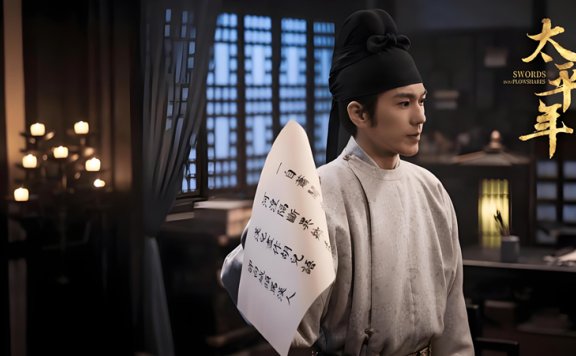
Swords into Plowshares: Why Wuyue Voluntarily Surrendered to Song
As the credits roll on the latest episodes of the historical drama Swords into Plowshares (太平年), viewers are left with a lingering heaviness, a profound emotional residue that transcends typical period-piece entertainment. The show’s stunning visual tapestry, depicting the brutal yet poetically rendered era of the Five Dynasties and Ten Kingdoms period, is merely the gateway. The true power lies in its exploration of a chilling historical paradox: why would a powerful, prosperous kingdom voluntarily dismantle itself? The story of the Qian (钱) family and their fateful decision to surrender the realm of Wuyue (吴越) to the rising Song (宋) dynasty in 978 AD is not just ancient history. It feels like a stark, uncomfortable mirror held up to the fundamental human yearning for peace, posing questions about power, legacy, and the cost of stability that resonate deeply today. A World Drenched in Blood The drama opens a window to an era modern minds can scarcely comprehend. The 53 years of the Five Dynasties and Ten Kingdoms were an unending nightmare of chaos. With regimes rising and falling like waves, warlords proclaimed themselves emperor based solely on military strength. The phrase "the Son of Heaven should be the one with… -
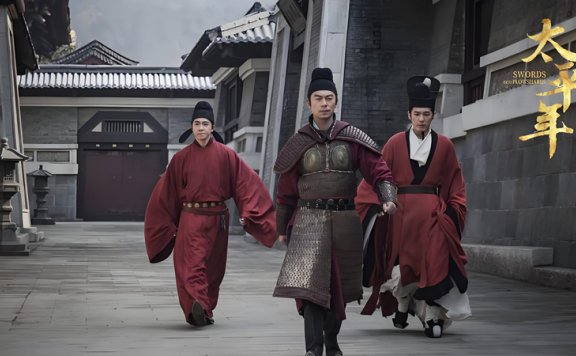
Swords into Plowshares: The Warm Wine Guo Rong Never Tasted
In a time when empires rose and fell like tides, what does a simple wish truly cost? The television drama Swords into Plowshares (太平年) offers a poignant answer, not through grand battles, but in a quiet moment between four souls on a besieged city wall. Set in 946 AD, a year when the Later Jin (晋) dynasty clung to its final days against the Khitan invaders, the series carves its humanity from the intimate spaces between historical upheavals. The scene is Kaifeng (汴梁), the night is the minor New Year's Eve, and the characters are young men whose names would later define an era: Zhao Kuangyin (赵匡胤), Qian Hongchu (钱弘俶), and the one known as Guo Rong (郭荣). Their shared drink under a cold wartime sky becomes the series' emotional heart, a fragile vessel holding their deepest, most impossible dreams. A Toast to Longing The conversation unfolds as a revelation of character. Qian Hongchu speaks of the sea, of legendary creatures and horizons unknown—a wish for boundless freedom. Zhao Kuangyin, the future founder of the So ng dynasty, declares his ambition for martial glory, to be a great general like the legends of old. Then comes Guo Rong's turn. His… -
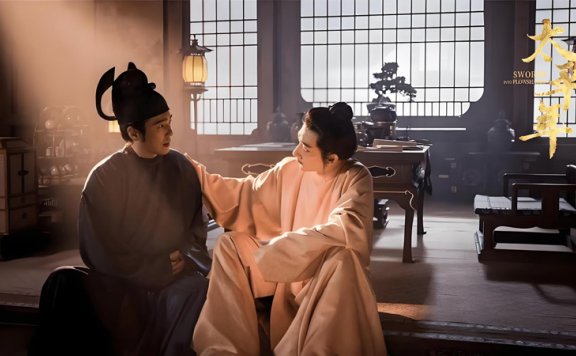
Swords into Plowshares: 3 Men Who Ended the Five Dynasties Chaos
The new historical drama Swords into Plowshares (太平年) is more than a tale of war and politics. It is a profound exploration of how individual decisions, set against the brutal backdrop of the Five Dynasties and Ten Kingdoms period, can collectively redirect the course of history. At its heart are not sweeping armies, but three men whose intertwined destinies engineered China's transition from prolonged fragmentation to unified stability. Understanding the roles of Guo Rong (郭荣), Zhao Kuangyin (赵匡胤), and Qian Hongchu (钱弘俶)—the pathfinder, the architect, and the peacemaker—is the key to unlocking the series' intricate power plays and its central theme: the arduous journey from chaos to peace. 1. Guo Rong The foundation for a lasting peace was laid by a man whose time was tragically short. Guo Rong, portrayed by Yu Haoming (俞灏明), posthumously known as Emperor Shizong of the Later Zhou (后周世宗) , reigned for only six years from 954 to 959. Historians often call him the most capable ruler of his tumultuous era. Inheriting a weakened state, he launched sweeping reforms: revitalizing the military, streamlining bureaucracy, repopulating abandoned lands, and reducing taxes. His efforts brought a period of rare clarity and prosperity to the Central Plains. He… -
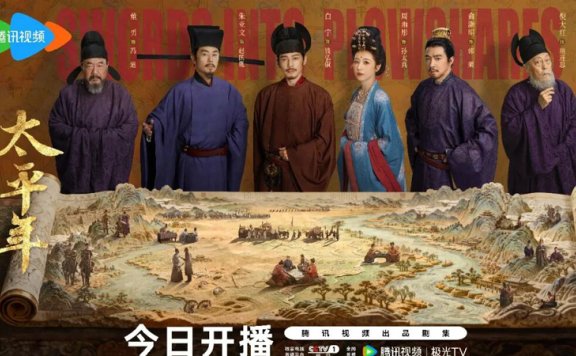
Swords into Plowshares: Humanity in Five Dynasties Chaos
A new drama begins not with a crown, but with the mud on a soldier's boot. Swords into Plowshares (太平年) paints the chaotic transition from the Five Dynasties and Ten Kingdoms era to the Song Dynasty not as a dry chronicle, but as a visceral experience of survival. It focuses on the stark realities faced by people, weaving together the brutal military campaigns of the Central Plains with the tense political machinations in places like Wuyue (吴越). The series has quickly captivated its first viewers. They praise its uncompromising texture and its ambitious narrative scale, which follows the intricate fates of numerous characters and factions. This approach makes the period feel immediate, allowing the audience to sense the precarious turning points of history rather than just observe them from a distance. For a genre often considered difficult, Swords into Plowshares finds its strength in granular detail and human-scale stakes. It sidesteps grandiose pronouncements, instead building its epic stature through the cumulative weight of countless choices made in times of turmoil. The result is a compelling, grounded entry into a seldom-portrayed chapter of the past. When History Breathes Again The screen does not flinch. It presents a world where humanity's thin… -
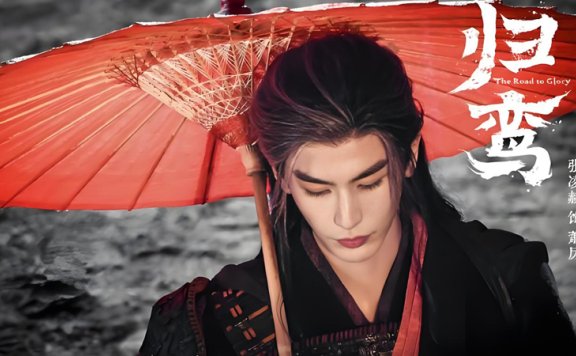
8 Unreleased Epics: Ancient Power & Untold Stories
Step beyond the ornate palaces and into the fractured, ambitious heart of ancient realms with this season's most anticipated historical dramas. This collection of eight series offers a masterclass in narrative diversity, reimagining the past through lenses of gritty political ascent, supernatural destiny, and intellectual rivalry. From the war-torn docks where a bandit king forges an empire with a vengeful princess in The Road to Glory, to the mystical courts where a blind hostage's songs unveil terrifying futures in Chasing Dream, these stories are united by complex characters defying their fates. Whether it’s the meticulous craft of ink-making becoming a woman's weapon in Zhen Niang Zhuan, or two modern souls using office politics to survive a deadly palace in How Dare You, each drama promises a unique entry point into richly woven worlds. Prepare for journeys where love is tempered by strategy, legacy is fought for in markets and mansions, and history becomes a playground for suspense, revenge, and revolutionary partnerships. The Road to Glory (归鸾) Period Background: A fictional era of warring states and fractured dynasties Genres: Political Intrigue, Revenge, Warfare, Romance Main Roles: Zhang Linghe (as Xiao Li), Lin Yun (as Wen Yu) Adapted from: Original script The… -
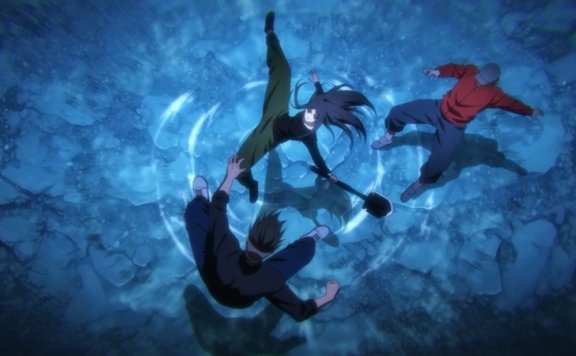
The Outcast 6: Baobao’s Bizarre Brilliance & Balun’s Mysterious Power
The long wait is over. The latest season of the hit Chinese anime, The Outcast (一人之下), has finally ignited its central conflict with an episode that left fans breathless. Episode five, centered on a treacherous cave system, unleashes non-stop action from its opening moments. It skillfully weaves together large-scale combat, individual character brilliance, and mounting suspense. This installment doesn't just meet expectations; it solidifies the series' reputation for delivering explosive, intelligently crafted showdowns that are a benchmark for the genre. Picking up immediately from the prior episode's tension, the narrative thrusts Zhang Chulan's (张楚岚) team into a labyrinthine cave. They have barely processed new intelligence about their adversaries when they are ambushed. This isn't a simple skirmish. The fight erupts over the hidden treasures of Wugen Sheng (无根生), drawing in multiple rival factions with conflicting goals. The cave, once silent, becomes a chaotic arena where every move could be fatal, setting the stage for a complex and brutal multi-party battle. Baobao's Bizarre Brilliance In this high-stakes chaos, Feng Baobao (冯宝宝) once again steals the scene. Her approach remains deceptively simple: maximum efficiency with minimal fuss. She infiltrates enemy lines with eerie quiet, nearly blending in before decisively disabling opponents with… -
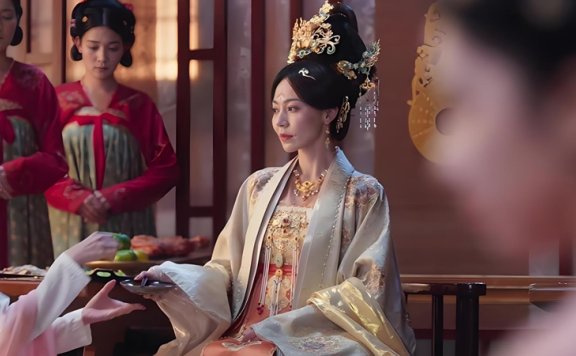
The Imperial Coroner 2: Unraveling the Web of Tang Dynasty Intrigue
In the labyrinthine world of Tang Dynasty intrigue, where a single rumor can topple empires, the hit drama The Imperial Coroner 2 (御赐小仵作2) weaves a tale so complex that viewers find themselves detectives alongside its heroes. This isn't a series of isolated mysteries; it's a grand, interlocking puzzle where a whispered accusation in the harem can ripple out to threaten the stability of the entire empire. The recent plots involving the astute coroner Chu Chu (楚楚) and the principled imperial investigator Xiao Jinyu (萧瑾瑜) have left audiences breathlessly connecting dots. Why would a consort slander an outsider? Why would the Emperor panic at news of a minister's illness? The answers lie not in solitary events, but in a sinister web of deception stretching from the heart of the palace to the restive southern borders. The Harem's Whisper The reappearance of Consort Hui (慧妃), played with enigmatic poise, sends shockwaves through the narrative. Having previously been implicated in covering up a murder within the palace, her motives are already murky. Her latest move—informing the Emperor of a supposed affair between Chu Chu and the Second Prince of Southern Zhao—seems bizarrely misplaced. Chu Chu operates outside the harem's jurisdiction and poses no… -
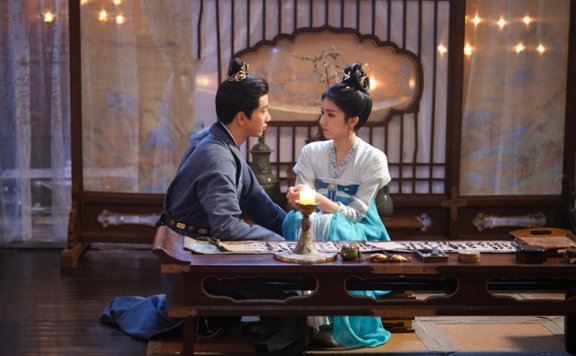
The Imperial Coroner 2: Conspiracy Weaves Through Bones
The silence of the royal morgue is broken only by the careful scrape of a tool against bone. A young woman squints in the lamplight, her entire world narrowed to the story the skeleton at her feet is desperate to tell. This is the scene viewers eagerly returned to as the long-awaited second season of the hit Chinese costume drama, The Imperial Coroner 2 (御赐小仵作2), premiered on January 15th. The original team is back: the brilliant but restrained Prince Xiao Jinyu (萧瑾瑜), the gifted and determined coroner Chu Chu (楚楚), the sharp-witted investigator Jing Yi (景翊), and the skilled warrior Leng Yue (冷月). They reassemble as the formidable Three Law Division team, but the peaceful days of solving isolated crimes in the capital are over. A single, inexplicable case—a pile of anonymous bones discovered during a palace banquet—unravels a thread that pulls them into a web of conspiracy far greater and more dangerous than anything they have faced before. The Team, Reforged The core strength of the series remains the palpable chemistry and complementary skills of its central quartet. Viewers find immediate comfort in their renewed dynamic: Xiao Jinyu's strategic mind mapping out connections invisible to others, Chu Chu's forensic… -
How Swords into Plowshares Breathes Life into a Chaotic Era
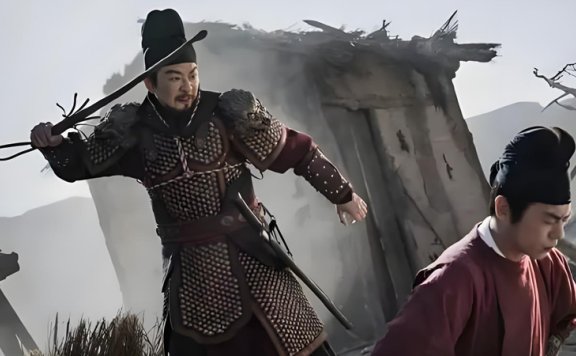
In January, the historical drama Swords into Plowshares (太平年) premiered, thrusting viewers into the turbulent and often overlooked period of the Five Dynasties and Ten Kingdoms. Unlike the brief summaries found in history books, this series aims to flesh out the era's complex politics, brutal survival, and fragile hopes. It begins not with grand pronouncements, but with a horrifying act of cannibalism within a starving army, immediately establishing the desperation that defines the age. Over its first episodes, the narrative splits between the violent power struggles of the Later Jin court in the north and the seemingly stable, yet internally fraught, southern kingdom of Wuyue (吴越). This deliberate contrast challenges the very title of the show, asking what "Swords into Plowshares" could possibly look like when the world is unraveling. A Kingdom in the Eye of the Storm While the north burns with overt conflict, Wuyue presents a deceptive calm. Under the rule of King Qian Yuanguan (钱元瓘), it focuses on internal development. However, this stability is paper-thin. The first episodes reveal a court riddled with corruption and secret factions. The royal treasury is empty, siphoned off by officials and shadowy organizations. The death of the king unleashes a silent… -
Glory: Bond and Trust in Conspiracy’s Web
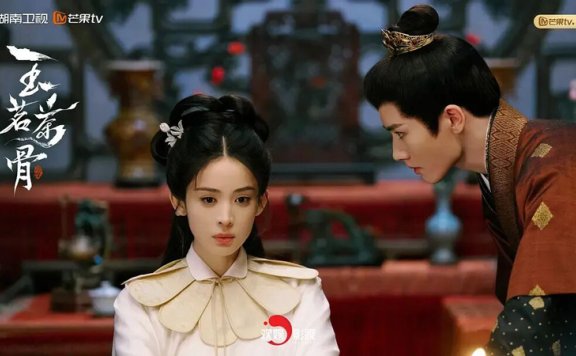
In the world of Glory (玉茗茶骨), the delicate aroma of tea leaves intertwines with the sharp scent of conspiracy. At the heart of this drama set in Jiangnan's tea empires lies the complex relationship between Rong Shanbao (荣善宝), the heiress to the Rong family tea legacy, and Lu Jianglai (陆江来), a disgraced scholar. Their story is not one of simple romance but a meticulous dance of suspicion and alliance, forged in the kilns of family power struggles and imperial court machinations. From master and servant to unlikely allies, their journey questions whether trust can ever truly blossom when every hand seems turned against them. A Calculated Beginning Their connection began not with warmth, but with cold utility. After surviving an assassination attempt that left him with lost memories, Lu Jianglai found himself at the mercy of Rong Shanbao. Seeing an opportunity in his plight and a potential pawn in her family's internal wars, she relegated him to the lowest station: a stable hand. He, in turn, played the part of a subservient amnesiac, hiding his keen intellect to avoid further danger. This initial dynamic was pure transaction. She tested his limits, searching for weakness or use. He observed her maneuvers,… -
Why Fang Han in Immortality Fails to Win Audience Hearts
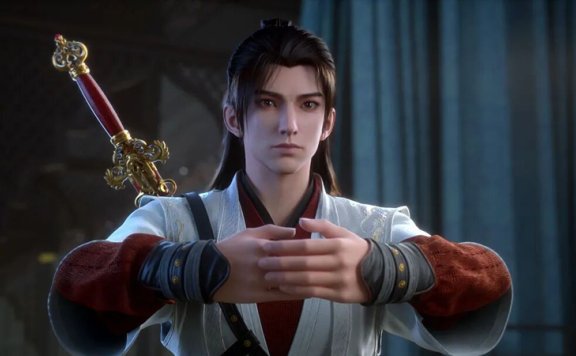
In the sprawling world of Immortality (永生), a fantastical Xianxia universe filled with cultivators and ancient secrets, the narrative shines in its complex plot and rich ensemble cast. Yet, for many viewers, a central point of contention remains: the protagonist himself, Fang Han. While the show's overall quality is undeniable, Fang Han's (方寒) character design presents a significant hurdle to audience connection. His actions, particularly within the unforgiving expanse of the Vast Desert, reveal a personality that is often difficult to root for, creating a fascinating disconnect between the story's appeal and its leading figure. A Desert of False Virtue The Vast Desert arc critically exposes Fang Han's problematic nature. His behavior toward Liu Kang (刘康) is a prime example. After defeating an enemy, he chooses to save him, an act initially seeming noble. However, when Liu Kang later betrays him, using secrets as blackmail, Fang Han refuses to retaliate, citing vague "fellow disciple sentiment." This inaction directly ignores the imminent danger this poses to both himself and his steadfast companion, Hong Yi (红怡). His passivity is not righteousness; it is a performative kindness that forces others to clean up the mess. Ultimately, it is Hong Yi who makes the…