Article
Search results:
-
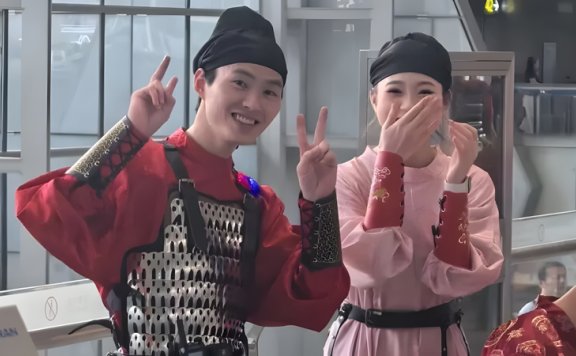
Tang-Song Attire Shines at Guangzhou Baiyun International Airport
Stepping into Guangzhou Baiyun International Airport (广州白云机场) recently, travelers encountered an unexpected sight. Instead of standard-issue uniforms, airport staff were adorned in elegant, flowing robes. Security personnel resembled Tang Dynasty guards, while patrolling staff mirrored Song Dynasty scholars, performing a courteous Chashou Li (叉手礼), a traditional greeting with hands folded before the chest. This wasn't a costume party or a film set; it was a deliberate, immersive cultural initiative. The seamless blend of ancient aesthetics with the ultramodern transit hub created a unique experience, prompting many to double-check they hadn't landed in a historical drama. This bold move sparked immediate online fascination and posed a quiet question: can traditional attire find a genuine place in our contemporary world? A Living Showcase The true impact lay in the meticulous accuracy of the clothing. These were not generic, theatrical "ancient-style" costumes. The security staff wore vermilion Jiaoling Yuanlingpao (交领圆领袍), cross-collared robes, paired with Futou (幞头) headwear and leather belts, directly referencing the attire of the Jinwu (金吾) guards of the Tang era. Their posture was upright and dignified. Similarly, the patrol staff’s simpler Yuanlingpao and Song-style Futou reflected the refined minimalism favored by Song Dynasty literati. Every stitch and fold served as… -
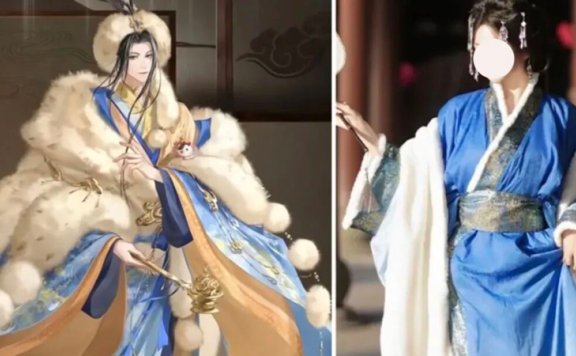
Is Your Hanfu Outfit a Costume or a Cultural Statement?
Scroll through any social media platform today, and you will find videos of people dressed in elegant, flowing Hanfu. Yet, the comments underneath often spark a familiar debate: "Isn't this just cosplay now?" The line between wearing traditional attire and performing a character seems increasingly blurred. From majestic portrayals of Yang Yuhuan (杨玉环) to scholarly impressions of Li Qingzhao (李清照), enthusiasts are using Hanfu to step into the shoes of historical figures. This trend raises questions. Is it a genuine form of cultural appreciation, or merely a pursuit of online popularity? To understand this modern phenomenon, we might look to an unexpected patron from history who mastered the art of symbolic dress-up long before it was a trend. The Emperor's Disguise The idea of adopting another's attire for portrayal is not new. Consider the Qianlong Emperor (乾隆) of the Qing Dynasty. Official portraits show a ruler in majestic regalia, but his private "Hanfu Portrait for Pleasure" paintings reveal a different side. Here, he is depicted not as a Manchu emperor, but as a Han Chinese scholar. He wore loose Daoist robes, posed with antiquities, and embodied the idealized literati. He even dressed in Western clothing for some portraits. His motivations… -
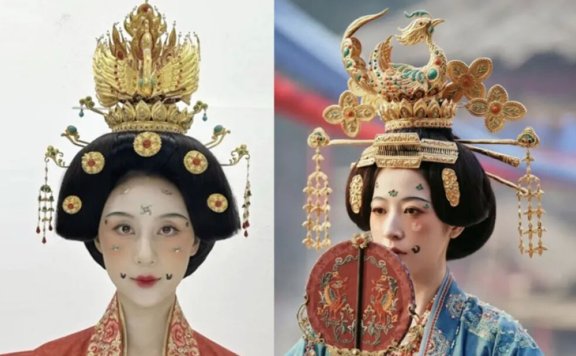
How Swords into Plowshares Gets Traditional Headdress Right
In the historical drama Swords into Plowshares (太平年), viewers were treated to a visual feast of intricate costumes. One detail, in particular, has sparked curiosity: the majestic bird crowns worn by characters He Zhen (贺贞) and Sun Taizhen (孙太真) during their wedding scenes. While both headpieces are stunning, their orientation differs. He Zhen's crown sits perfectly straight and forward-facing, while Sun Taizhen's appears to be worn at a slight angle. This isn't a random stylistic choice or an error, but a deliberate nod to historical accuracy and the deep-seated principles of traditional Chinese adornment. This distinction opens a window into the forgotten rules governing ceremonial dress, where every element carried weight far beyond mere decoration. The Problem with Props The design of these crowns finds its primary inspiration in donor portraits from the Five Dynasties period. A common issue in modern costume design arises when referencing these historical sources. The original portraits often depict figures in profile, making their elaborate headdresses appear sideways due to perspective. Many contemporary designers, however, misinterpret this visual effect and create crowns intended to be worn at an angle. This is a fundamental misunderstanding. The standard and historically correct method was to wear such significant… -
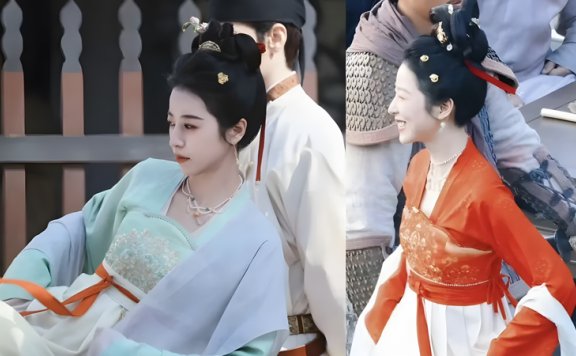
Did a TV Drama Just Show Ancient Underwear as Outerwear?
A recent period drama has sparked a lively online debate not about its plot, but about a character's wardrobe. In the television series Swords into Plowshares (太平年), the actress Zhou Yutong (周雨彤), who portrays the character Sun Taizhen (孙太真), appears in several stunning outfits that have left viewers puzzled. The garments feature what looks like a structured, bustier-style top worn over a flowing skirt, leading many to wonder: is this a case of ancient "underwear as outerwear"? The style feels surprisingly modern, reminiscent of contemporary tube or bandeau dresses, yet it is presented as historical costume. This visual anachronism has ignited curiosity about the origins and accuracy of this particular fashion choice within the drama's claimed historical setting. Historical Roots The costume in question is what many in modern traditional clothing circles call a Hezi skirt (诃子裙). However, its status within the spectrum of Hanfu is contentious. A primary reason is the lack of archeological evidence; no physical example of this specific garment has been unearthed. References to a "Hezi" exist in historical texts, but not as a compound term for an entire skirt. The most famous visual association comes from the Tang dynasty painting Court Ladies Adorning Their Hair… -
6 Highly-Anticipated Unreleased Dramas in 2026
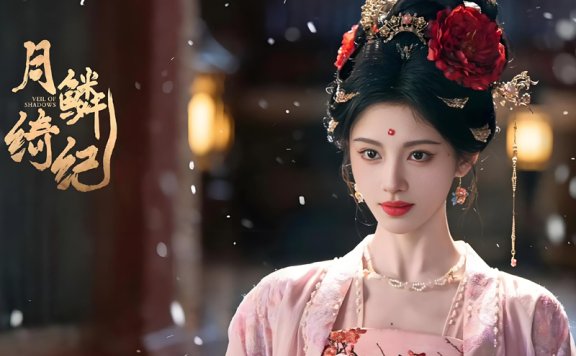
A new wave is reshaping television landscapes far beyond its origin shores. Across platforms, narratives steeped in intricate political webs, resolute heroines, and reimagined legends are commanding unprecedented attention. These are not mere period pieces but sophisticated tales where personal destiny clashes with the fate of nations, and ancient traditions find new voice. Their staggering pre-release numbers and fervent fan discussions signal a shift in global viewing appetites. The appeal lies in a potent alchemy: the strategic depth of a chess game, the emotional resonance of a character's hard-won growth, and the immersive pull of a meticulously built world. This phenomenon moves past simple entertainment; it offers a window into narrative frameworks where honor, strategy, and sacrifice are examined with fresh intensity. As audiences worldwide seek substance alongside spectacle, these stories deliver complex plots and compelling relationships. Mo Li (莫离) The series Mo Li immediately presents a compelling deceit. Adapted from the novel Sheng Shi Di Fei (盛世嫡妃), it follows Ye Li (叶璃), a modern special forces soldier reborn into the body of a seemingly gentle but actually disgraced noblewoman. Her assigned marriage partner is the Dingwang (定王), Mo Xiuyao (墨修尧), publicly dismissed as a disabled and ineffectual prince. This… -
10 Standout Actors Who Shine in Swords into Plowshares
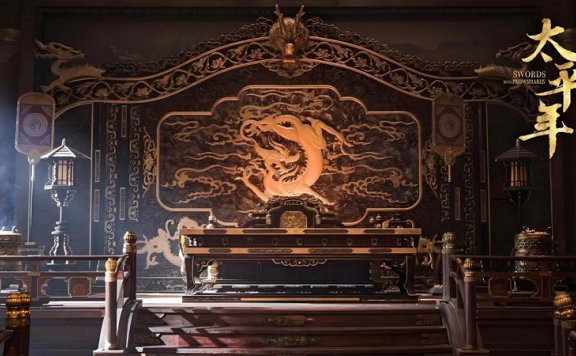
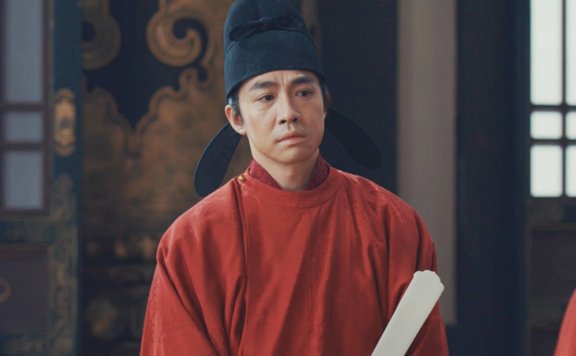
Historical dramas often live or die by the strength of their performances. When the backdrop is a chaotic period like the Five Dynasties and Ten Kingdoms, the task for an actor becomes not just to portray a person, but to embody an entire philosophy of survival. The series Swords into Plowshares (太平年) offers a masterclass in this regard, presenting characters who navigate treacherous political waters with a subtlety that demands equally nuanced acting. The most compelling figures are not those who shout the loudest, but those whose power resides in a glance, a hesitation, or a calculated silence. Dong Yong (董勇): The Still Center of the Storm As the legendary minister Feng Dao (冯道), whose service spanned four dynasties, Dong Yong delivers what may be the series' definitive performance. His achievement lies in conveying immense political weight through profound restraint. Feng Dao is a man for whom every word and gesture is a carefully weighed transaction. In one early scene, as the emperor prepares to reprimand a general, Feng Dao clears his throat. It is a simple, bodily sound, yet in Dong Yong’s execution, it becomes a full statement. The glance that accompanies it holds warning, counsel, and an inscrutable… -
Why Scare Out is the Must-See Thriller of the Year
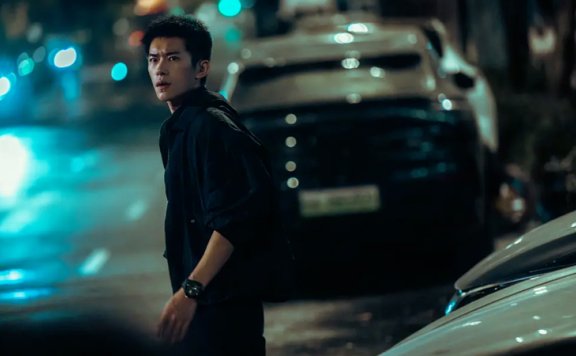
On a seemingly ordinary morning, the cinematic landscape for the upcoming Lunar New Year holiday was electrified by a major announcement. Legendary director Zhang Yimou (张艺谋) revealed his latest film, Scare Out (惊蛰无声), would join the fiercely competitive holiday box office fray. This move has injected a potent dose of anticipation into a season often dominated by comedies and family fare. Zhang Yimou's unparalleled track record for both critical acclaim and commercial success makes this project an automatic contender. However, Scare Out is more than a director's prestige piece; it is a meticulously crafted, contemporary spy thriller that promises to grip audiences from its first frame to its last. With a narrative that delves into the shadowy world of espionage and national security, the film positions itself not just as entertainment, but as a resonant cultural moment for Chinese cinema and its viewers. Star Power & Narrative Intrigue The released trailer for Scare Out immediately establishes its high-stakes tone. It showcases a powerhouse cast led by Jackson Yee and Zhu Yilong (朱一龙), two of China's most compelling young actors. Their first scene together, confined within a car, crackles with unspoken tension. A line about the "first spring thunder" giving voice… -
What Lies Buried in the Desert Sands in Yao-Chinese Folktales 2 ?
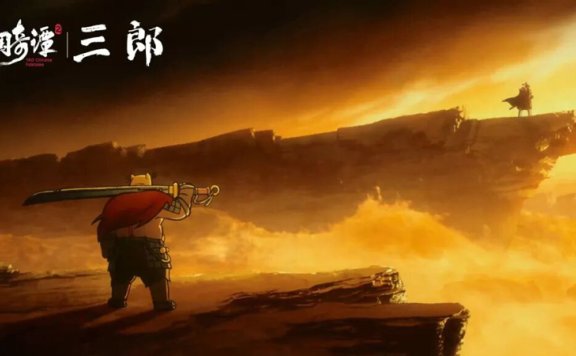
A solitary figure moves against a vast, amber expanse. This is the opening scene from Yao-Chinese Folktales 2 (中国奇谭2), in the episode titled Sanlang (三郎). There are no sprawling cities or intricate political plots here, only a lone swordsman, a dutiful camel, and a haunting forest of Hu Yang (胡杨) trees in the desert. The narrative strips away everything but the essence of a personal quest, one that begins with a declaration steeped in Wuxia (武侠) tradition: "The world's greatest fighter does not kill a nameless opponent." This statement sets a man on a path not just through physical terrain, but into the deepest recesses of his own purpose. The Swordsman's Quest He is a man defined by a single, consuming goal: to challenge and defeat the reigning champion. To signify his total commitment, he gives his own name, Sanlang, to his camel, vowing to reclaim it only when he returns victorious. In a roadside inn, he faces ridicule but also accepts a final request from the keeper—to find a missing daughter in the desert. Armed with a cured leg of mutton, a symbol of heritage and sustenance, and his blade, a tool for achieving fame, he enters the whispering… -
Will A Mortal's Journey Fall Prey to Fandom Culture Hype?
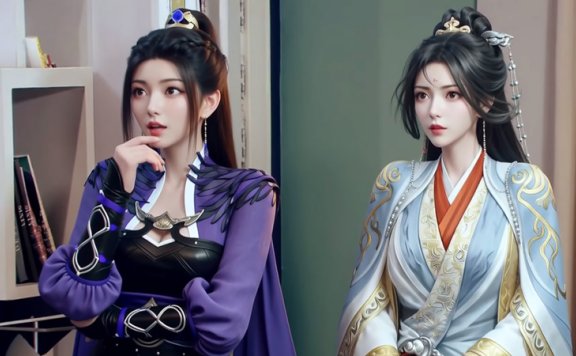
The recent reveal of Nangong Wan’s (南宫婉) new character design in the popular donghua adaptation has ignited a fervent, and at times fractious, discussion among its fanbase. Across social media and video comment sections, declarations of her undisputed status as the "rightful wife" appear like clockwork, even on content focused entirely on other female characters like Zi Ling (紫灵) or Yuan Yao (元瑶). This surge of partisan enthusiasm has led veteran fans of the series to voice a pressing concern: as the story approaches pivotal romantic arcs, could the nuanced world of A Mortal's Journey (凡人修仙传) be reduced to the chaotic battlegrounds of fan culture, where shipping wars and character rivalry overshadow the narrative itself? Roots of Resistance To understand this anxiety, one must first recognize why some animated series succumb to these dynamics. Often, it stems from a work that lacks substantive narrative depth, forcing it to rely on amplifying character rivalries and romantic subplots to generate engagement. Discussion becomes dominated by fans fiercely defending their preferred character's screen time or perceived importance, while the actual plot fades into the background. A Mortal's Journey is built on a different foundation. Its core appeal never resided in a harem romance.… -
Throne of Seal: Long Haochen Forges His Own Divinity
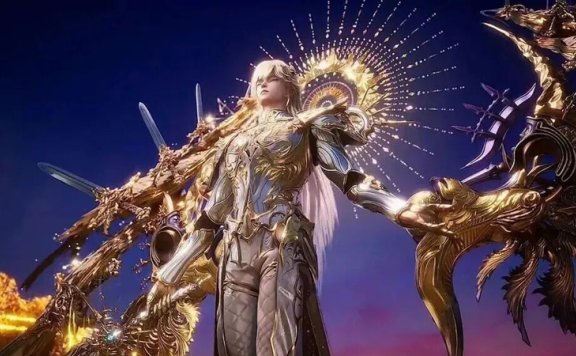
In the vast cosmology of Throne of Seal (神印王座), the path to divinity is a narrow, unforgiving road. For the knight Long Haochen (龙皓晨), the final test—igniting five divine sparks—was meant to be his apotheosis. Yet, at the precipice of godhood, a cataclysmic force intervened. This is not merely a story of a hero claiming a preordained throne. It is a tale of shattering destiny, where failure becomes the only true path to power and a man, denied a god's seat, is forced to build his own. The Divine Interruption As Long Haochen reached for the fifth and final spark within the new world’s gateway, the atmosphere shattered. Tianqian (天谴), the God of Heaven’s Punishment, descended. His purpose was absolute: to seize the nascent divinity for himself. Long Haochen understood the stakes. Tianqian’s return meant the world’s utter annihilation. A battle of impossible scale erupted. Despite his immense power, enhanced by the combined might of four goddesses from the Divine Hall, Long Haochen was outmatched. The truth was far more dire. Tianqian, born as the twin to the Creator God, was a being of a higher order, his original form fragmented and sealed across the land. The nascent godhood Long… -
The Imperial Coroner 2 Finale: Who Will Win the Deadly Game of Thrones?
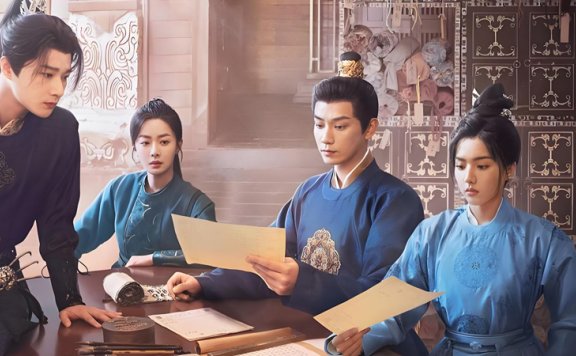
The 28-episode conclusion of The Imperial Coroner 2 (御赐小仵作2) delivers more than a satisfying wrap-up to its mysteries. Beneath the surface of forensic investigation and political intrigue lies a sharp examination of human nature. Where is the line between good and evil when absolute power is at stake? What choices remain for individuals caught in a vast, grinding machine of state interests? The series expands its scope from the internal court conflicts of the Tang Dynasty to a full-blown cold war with the southern state of Nanzhao (南诏). This shift elevates the protagonist Chu Chu’s (楚楚) mission from solving individual wrongs to safeguarding national peace, adding significant weight to the narrative. While the second season faced some debate for softening its pace with more romantic moments between Xiao Jinyu (萧瑾瑜) and Chu Chu, it undeniably empowered her character. Her professional expertise and authority are magnified, placing her in a commanding position throughout the crisis and powerfully showcasing her capabilities. You Chen'an's Web of Lies The final act becomes a high-stakes chess match between Prince Xiao Jinyu and the Nanzhao envoy, You Chen'an (祐辰安). Portrayed as a meek, persecuted illegitimate prince, You Chen'an is, in truth, a ruthless Nanzhao spy master.… -
Swords into Plowshares: The Irreplaceable Youthful Spirit
What makes us hold fast to our beliefs when the world seems to demand we let them go? The historical drama Swords into Plowshares (太平年) offers no easy answers, but instead immerses viewers in the turbulent final days of a fictional dynasty. Through the eyes of its young nobles-turned-soldiers, the series poses difficult questions about sacrifice, duty, and the cost of integrity. It is not the intricate political machinations or grand battle scenes that resonate most deeply, but rather the persistent, flickering flame of idealism within the characters—a quality that feels both achingly familiar and tragically distant to the modern viewer. This intangible spirit, this youthful refusal to accept a compromised world, forms the heart of the narrative. As the walls of the capital strain under siege and loyalties are tested, the story becomes less about saving an empire and more about what one chooses to preserve within oneself. The Last Day of Xiaosui (小岁) The chill of a winter siege grips the capital. Three young men, Jiu Lang (九郎), Da Lang (大郎), and Guo Rong (郭荣), find a moment of respite. Exhausted yet defiant, they warm themselves with wine. The night marks Xiaosui, an ancient tradition where one speaks… -
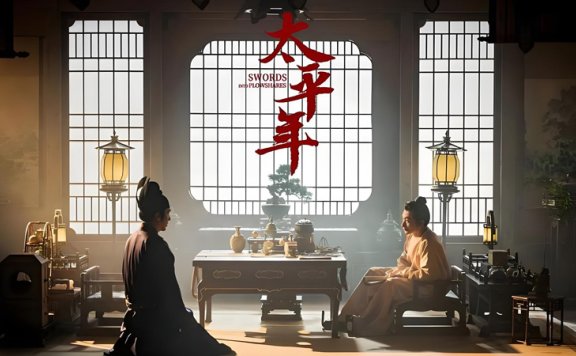
Swords into Plowshares: Fear and Legacy in the Five Dynasties Turmoil
The historical drama Swords into Plowshares (太平年) presents a gripping portrait of the Five Dynasties and Ten Kingdoms period, an era notorious for its political volatility. Thrones changed hands with dizzying speed; a reign lasting more than a few years was an exception. Against this backdrop of relentless upheaval, the series focuses on the fates of eleven monarchs. It traces the intricate history leading to the eventual incorporation of the Wuyue (吴越) kingdom into the Song (宋) dynasty. This narrative spans 37 tumultuous years, beginning with the death of one king and concluding with a peaceful surrender that altered the map of China. A King's Demise Among these rulers is Qian Yuanguan (钱元瓘), the second king of Wuyue. His death, as portrayed in the series, is shockingly mundane yet deeply psychological. He does not fall in battle or to an assassin's blade. Instead, a catastrophic fire that ravages the palace treasuries reportedly frightens him to death. This event serves as the dramatic catalyst for his downfall, highlighting the fragile mental state of a ruler living in perpetual anxiety. Though historically a seasoned leader, the dramatized Qian Yuanguan is consumed by paranoia. He rules a relatively stable southeastern kingdom, yet news… -
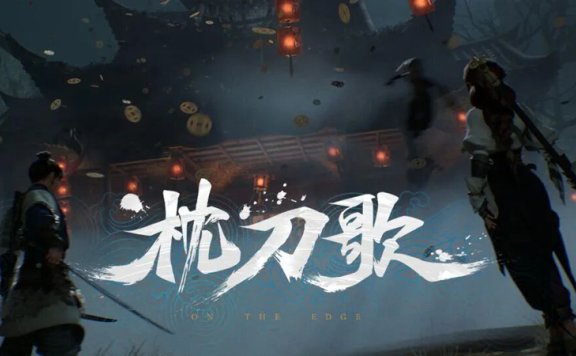
Song of the Blade: Animators Turn to Game for Chivalry
In a landscape where traditional Wuxia stories struggle to capture modern attention, one team refuses to let the dream fade. The creators behind the acclaimed animated series Song of the Blade (枕刀歌) have made a desperate, daring pivot. After years of producing a visually stunning, narratively gritty saga, they faced a dead end. Their answer was not to surrender, but to change the battlefield entirely. Now, they are channeling six years of accumulated passion into a single-player RPG game, carrying the soul of their series into a new realm. This is not a corporate expansion, but a story of survival—a final stand for a particular vision of honor and revenge in the martial world. A Story of Survival The path here has been brutally difficult. After the second season concluded, the original animation studio went bankrupt, felled by a combination of financial blows and shifting platform support. The team, stubbornly dedicated, managed to reassemble and produce a third season, only to see it meet with a muted reception in a crowded market. They endured betrayals from within and vanishing support from without. Yet, the core vision for their world—a world of concise dialogue, morally ambiguous characters, and breathtakingly visceral combat—remained… -
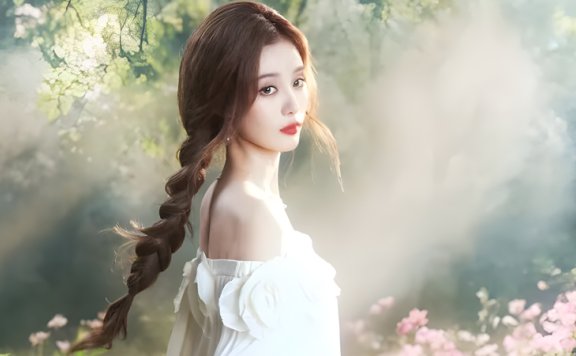
How Xu Yiyang's Forest Spirit Photoshoot Became a Modern Fairytale
The internet recently paused to admire a series of images featuring singer and actress Xu Yiyang (徐艺洋). More than just photographs, they presented a vision: a contemporary nymph seamlessly woven into a sun-dappled woodland scene. This photoshoot transcended typical celebrity glamour, capturing instead a specific, coveted mood—a blend of ethereal grace and natural, untouched beauty that resonated deeply with audiences. It felt like stumbling upon a hidden chapter of a modern fairytale. The Look Central to the visual narrative was an off-the-shoulder gown in a soft, creamy shade. Its construction was key to the fantasy. Layers of delicate tulle formed a skirt that seemed to float with every imagined breeze, while the bodice featured subtle floral embellishments and fine pleating. This careful texture avoided appearing overly ornate, instead suggesting the organic intricacy of nature itself. The neckline gracefully framed her shoulders, combining a hint of romance with an air of lightness, perfectly supported by puff sleeves that balanced playfulness with elegance. The styling extended beyond the dress. Her hair was arranged in a half-up style, with braids loosely woven and small blossoms tucked gently into the strands. This wasn't a stiff, formal updo but something deliberately soft and effortless, as… -
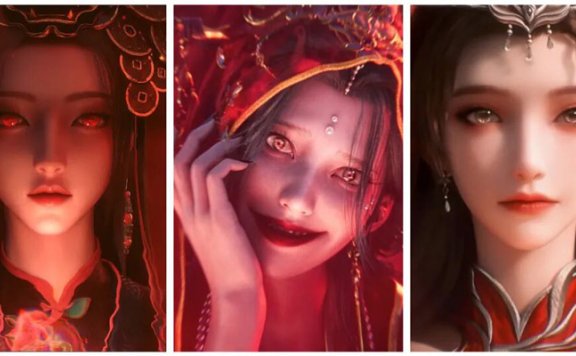
3 Red Wedding Gown Ghosts Define Chinese Anime Horror
Why are Chinese animations suddenly mastering the art of haunting beauty? A recent wave of popular shows has audiences captivated, not by generic scares, but by a deeply unsettling and emotionally resonant brand of horror. Central to this movement is a powerful, recurring image: the female spirit clad in a vibrant red wedding gown. This figure transcends simple fright, weaving together visual poetry, tragic backstories, and cultural weight to create moments that linger long after the screen goes dark. Let's look at how three recent series have used this icon to stunning effect. 1. Beyond Time's Gaze (光阴之外) - Tao Hong (桃红) In the animation Beyond Time's Gaze, the segment featuring Tao Hong represents a pinnacle of visual storytelling. The scene operates without dialogue, relying entirely on editing, cinematography, and score to build an atmosphere of profound loss. It begins within a decayed, oppressive space, the visual equivalent of a whispered threat. The character Xu Qing (许青) radiates desperation, while the older Lei Dui (雷队) wears a look of complex yearning. A haunting melody sets the tone. Then, a breathtaking transition occurs. The scene shifts to a sun-dappled pavilion under a shower of peach blossoms. Here, a young Lei Dui… -
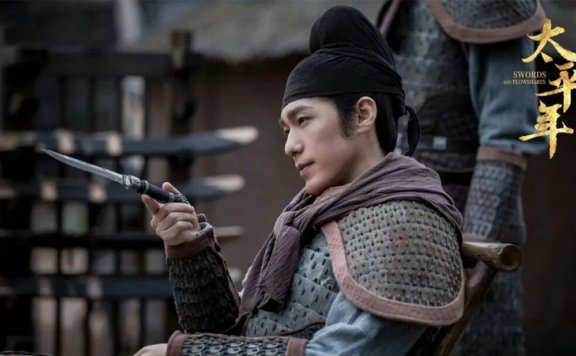
2 Scenes in Swords into Plowshares That Boost Your Career
Historical dramas are more than just costumes and court intrigue. Shows like Swords into Plowshares (太平年), set in the tumultuous Five Dynasties and Ten Kingdoms period, offer a masterclass in human dynamics and strategic thinking. The challenges faced by rulers and ministers centuries ago—managing alliances, asserting authority, navigating crises—mirror the complex interpersonal landscapes of modern offices and boardrooms. By observing the characters' choices, we uncover timeless principles of influence, communication, and leadership that are startlingly applicable to today's professional world. Let's examine two pivotal scenes from the drama that hold powerful workplace wisdom. The Weight of Words Early in Swords into Plowshares, the young king Qian Hongzuo (钱弘佐) ascends the throne of Wuyue. To consolidate his power, he makes a drastic move: imprisoning his influential elder brother, Qian Hongjun (钱弘俊), and stripping his other brother, Qian Hongyou (钱弘侑), of rank. Their father, Qian Yuanyi (钱元懿), is desperate. He seeks help from the seasoned minister, Yuande Zhao (元德昭), pleading for him to intercede with the new king. Yuande Zhao offers crucial counsel. He advises that the plea must come from a different voice. He suggests that Shuiqiu Zhaojuan (水丘昭券), another trusted advisor, should be the one to speak to Qian Hongzuo.… -
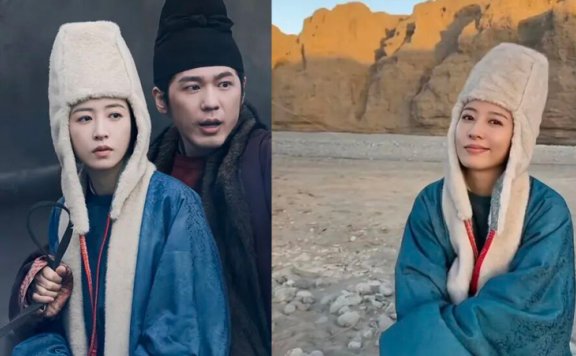
Why Does Zhou Yutong's Hat Look So Modern in a Historical Drama?
The costume design in the period drama Swords into Plowshares (太平年) has sparked lively discussion, particularly one striking accessory. Actress Zhou Yutong (周雨彤) wears a distinctive, seemingly modern-looking hat with ear flaps. Its appearance prompts a question: can such a design be historically accurate, or is it a creative anachronism? This piece of headwear is far from a modern invention. It is a faithful representation of a Feng Mao (风帽, wind hat), a practical and stylish item with deep roots in China's sartorial past. Its journey from the northern steppes to the wardrobes of the Central Plains is a story of cultural exchange, adaptation, and enduring utility. Northern Origins The Feng Mao finds its origins with the nomadic peoples of the northern frontiers. Designed for survival, its primary function was to shield the wearer from the harsh, biting winds and extreme cold of the steppes. The defining feature was its extended "skirt" that could be drawn to cover the ears, neck, and shoulders, creating a protective cocoon against the elements. This practical design was gender-neutral, worn by both men and women for warmth. Early versions of this hat were not a single piece. Archaeological evidence from figurines of the Northern… -
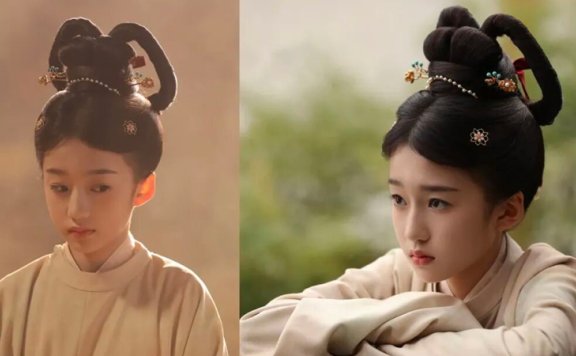
Why Do Ancient Dramas Love Those Twin Hair Loops?
If you watch Chinese historical dramas, you have seen them. Perched on the heads of young heroines, often playful maids or princesses in their youth, are two distinct loops of hair. This signature style, simple yet instantly recognizable, has become a visual shorthand for youthful innocence and charm on screen. From the determined Sun Taizhen (孙太真) in Swords into Plowshares (太平年) to various other characters, this hairstyle transcends individual stories, connecting audiences to a specific, girlish aesthetic rooted deep in history. But what is the story behind these loops? Their persistent presence is no mere costume designer's whim. It is a deliberate echo of an ancient Chinese hairstyle, a tradition repurposed for modern storytelling to visually telegraph a character's age and spirit before she even speaks. Roots in Antiquity The style seen on screen finds its direct ancestor in the Shuang Huan Ji (双鬟髻), or "double-loop bun." Historical records and artifacts trace its popularity back to the early Tang Dynasty, and even earlier to the Northern and Southern Dynasties. The terms "huan" (鬟) and "huan" (环) were often used interchangeably, both referring to a ring or loop shape. Essentially, the hairstyle involved gathering hair into two bundles, twisting them into… -
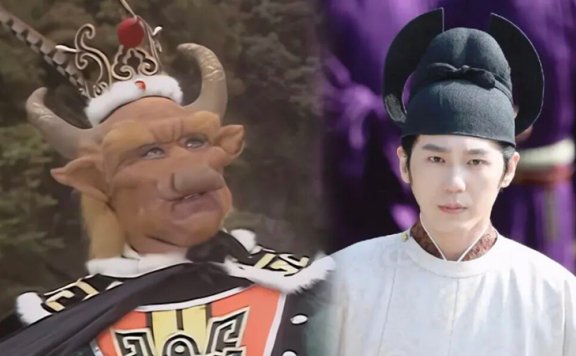
What's With the Bull Horn Hats in Swords into Plowshares?
Viewers of the historical drama Swords into Plowshares (太平年) have been captivated by many details of its Five Dynasties and Ten Kingdoms setting. One particular costume choice, however, has sparked widespread curiosity and amusement online: the distinctive hats worn by characters from the Wuyue Kingdom (吴越国). With two stiff, upward-pointing projections, they bear an uncanny resemblance to the horns of an ox, leading to playful comparisons to the mythical Bull Demon King. When the actor Bai Yu (白宇) appeared in one, the internet lit up. This was no isolated costume quirk. The repeated appearance of these hats signals a deliberate historical design choice, not a random fancy. Their story reveals a fascinating journey through power, ritual, and social order in ancient China. The Hat of Authority The official name for this headwear is the Chao Tian Futou (朝天幞头), or "Skyward Futou." Its defining feature is the two rigid "wings" or "feet" that stand erect. During the turbulent Five Dynasties period, this style was initially reserved for emperors and high officials. A portrait of Qian Liu (钱镠), the founding king of Wuyue, provides direct evidence of its royal use. Contemporary records note that rulers across the fragmented states competed with novel…