Article
Search results:
-
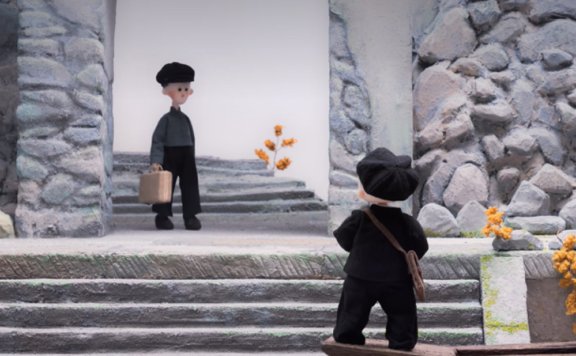
How Xiao Xue Weaves a Silent, Felt-Tipped Tale of Letting Go
In the vast landscape of contemporary animation, a quiet storm has emerged from the second season of Yao-Chinese Folktales 2 (中国奇谭2). The latest episode, titled Xiao Xue (小雪), has captivated audiences not with epic battles or witty dialogue, but with its profound silence and tactile warmth. Directed by Chen Lianhua (陈莲华), this short film employs felt stop-motion animation to explore the intricate dance of love, expectation, and release within a Chinese mother-son relationship. Without a single spoken word, it delivers an emotional resonance that has left countless viewers reflecting on their own familial bonds, making it a standout piece of modern storytelling that feels both intimately personal and universally understood. A World of Wool The immediate charm of Xiao Xue lies in its meticulous craft. The choice of felt, a material shaped by persistent molding and care, becomes a powerful metaphor for the central relationship. The mother’s hands smoothing ointment, the precise folds in the child’s clothing, the glowing lanterns—each detail is rendered with a tangible, textured love. This softness visually cushions the story’s more poignant themes, inviting the viewer into a world that feels handmade and heartfelt. This material is placed against backgrounds with the fluid elegance of ink… -
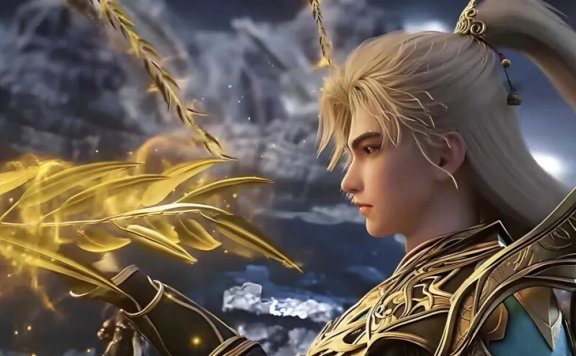
How Will Shi Hao Face the Final Battle at the Frontier?
The animated saga of Perfect World (完美世界) builds toward its most cataclysmic moment. The Frontier Emperor Pass, a mythical bulwark between the Nine Heavens and Ten Earths and the sinister Alien Realm, is finally coming into view. This is not merely a location; it is a crucible where legends are forged and shattered, a stage for ultimate sacrifice and desperate hope. As armies gather and ancient powers stir, the fate of all realms converges on this single point. The journey of Shi Hao (石昊), the youth from the desolate mountains, reaches its defining chapter here, where he must confront not only monstrous enemies but the heavy legacy of fallen heroes and the grim truths of a long-standing war. Whispers of the Past Before the storm, there are echoes. Deep within the restricted grounds of the new imperial city lies a silent testament to a past catastrophe: a charred, withered tree stump. This is the remnant shed by Liu Shen (柳神), the formidable Willow Deity. This unassuming relic holds memories of the ancient Immortal Era's most brutal war. In that final cataclysm against the Dark Alien Realm, Immortal Kings and Undying Kings fell like stars. The battlefield became a meat grinder.… -
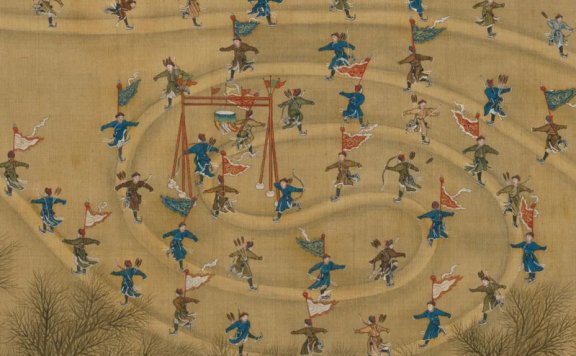
Emperors on Ice: Imperial China's Winter Spectacles
Today's ski resorts and ice rinks represent a globalized winter culture. Yet, centuries before modern arenas, the frozen waterways of imperial China hosted a world of vibrant and sophisticated winter sports. Far from a modern invention, organized ice activities were a dynamic part of life, evolving from military drills to grand state ceremonies. This is not a story of simple recreation, but of a deep-seated cultural ingenuity that transformed barren, frozen landscapes into stages for athleticism, artistry, and imperial power. 1. Qiang Deng (抢等) Imagine the crack of a signal cannon echoing across a frozen imperial lake. This was the start of Qiang Deng, a fierce speed skating contest that served as the precursor to modern short-track racing. Originally a military exercise for the Eight Banners armies to maintain winter readiness, it became a highlight of the annual Bingxi (冰嬉) ceremony. Emperor Qianlong (乾隆) elevated these ice games to a "national custom," with grand reviews held on the frozen waters of Beihai (北海) and Zhonghai (中海) in Beijing. Competitors, selected from elite "Ice Shoe Battalions," wore early iron-bladed skates. Bending forward for aerodynamics, they propelled themselves across the ice with poles, striving to be the first to cross the distant… -
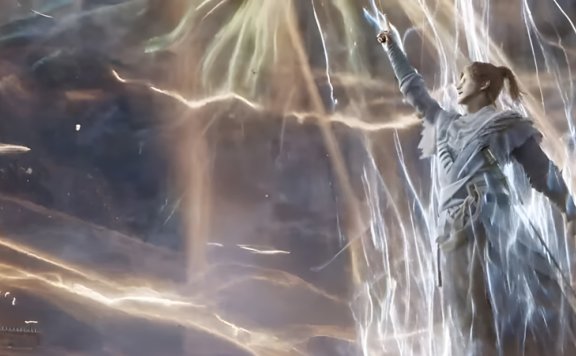
Did a Single Sword Strike Just Change Chinese Animation Forever?
The number 22,000 glowed with an almost physical intensity on the screen of Tencent Video. This wasn't just a view count; it was a historic SVIP Heat Value score, a metric reserved for paid content, crowning the latest episode of Sword of Coming 2 (剑来2). In the world of Chinese anime, or Donghua (动画), breaking 10,000 is an achievement. Shattering 20,000 was once a distant myth. This episode, titled by fans "Aliang's Sword Cleaves White Jade Capital," didn't just break the ceiling—it vaporized it, setting a new commercial and cultural benchmark that has sent ripples through the entire industry. More Than Just Hype What could compel millions to not only watch but actively pay to unlock a single 20-minute episode? The answer lies in a perfect convergence of anticipation, craft, and cultural resonance. The scene of the rogue swordsman Aliang confronting the celestial fortress is a legendary climax in the original web novel, dreamed of by readers for years. The animation studio understood this weight of expectation. They channeled resources into making this sequence not an adaptation, but a definitive visual event. The result is a masterclass in animated spectacle. The fluidity of Aliang's drawstroke, the devastating, crystalline shatter of… -
4 Iconic Loser-to-Leader Arcs in Chinese Animation
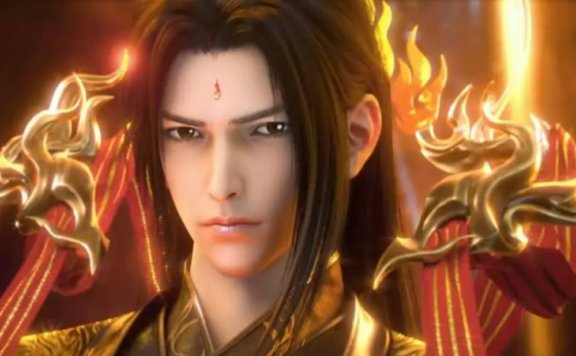
In the world of Chinese animation, a particular kind of hero has captured the hearts of millions. They don't start with incredible power or a glorious destiny. Instead, they begin at the very bottom, labeled as failures, weaklings, or embarrassments. Their journey from utter weakness to unimaginable strength forms a narrative spine known as the 'Underdog Arc.' This storytelling method, rooted in web literature, thrives on extreme contrast. By making protagonists suffer humiliation and hardship early on, it makes their eventual victories feel intensely personal and deeply satisfying for the audience. Even as the trope becomes familiar, these stories continue to deliver an unmatched thrill. Let's look at four iconic characters who define this path, exploring how their profound weakness makes their ultimate power so compelling. 1. Xiao Yan's (萧炎) Fall and Rise Battle Through the Heavens (斗破苍穹) is often credited with popularizing the underdog template. Its protagonist, Xiao Yan, is introduced as a fallen genius. Once a prodigy, his Dantian (丹田) – his core for energy cultivation – becomes crippled. He faces public disgrace, even a humiliating annulment of his engagement. At his lowest, he defiantly declares, "Thirty years to the east of the river, thirty years to the… -
Who Is the Real Wang Churan?
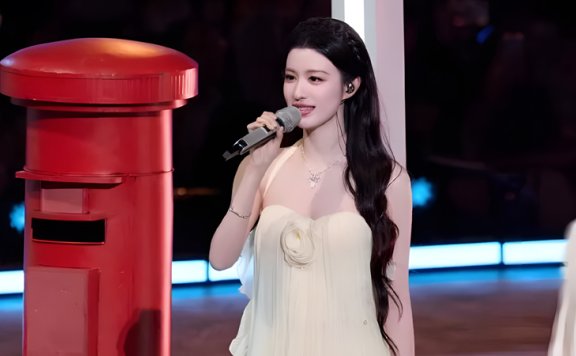
On a sun-dappled spring day, a splash of buttercream yellow stopped social media scrolls in their tracks. Actress Wang Churan (王楚然), posed by a vintage red mailbox, was not just wearing a dress; she was embodying a mood. The image, radiating a blend of sweetness and sophisticated ease, sparked immediate fervor. Dubbed a "French soft gauze" aesthetic, the look transcended a mere outfit to become a talking point about modern femininity, personal style evolution, and the image of a rising star in China's entertainment landscape. What is it about this particular moment that captured such attention? Anatomy of a Viral Moment The dress itself was a masterclass in balanced design. A buttercream yellow bustier gown flowed into a skirt of delicate tulle, its lightness created through meticulous layering and gathering. Scattered three-dimensional rose details added a touch of romantic craft, while an asymmetrical hemline with cascading ruffles introduced movement and a playful spirit. This avoided any risk of the saccharine, instead offering dynamic elegance. Critical to the look's success were its stylistic contrasts. The gentle draping of the fabric was offset by the structured, figure-flattering neckline. A delicate diamond necklace highlighted the exposed collarbones and shoulders, adding a layer of… -
Meng Ziyi’s Stage Style: Art That Commands the Arena
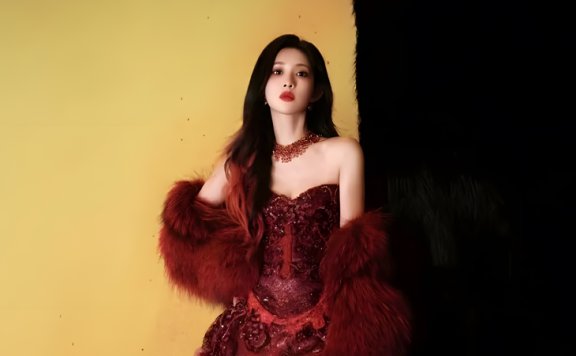
The spotlight narrows, the music swells, and for a performer, the moment before stepping into view is charged with potential. What they wear is never merely clothing; it is the first note of their performance, a visual overture that sets the tone for everything that follows. A truly powerful stage ensemble functions as both armor and art, transforming the artist and captivating the audience before a single word is sung. It’s a deliberate fusion of personal identity, thematic storytelling, and raw visual spectacle, engineered to resonate under the punishing glare of stage lights and from the back row of a massive venue. When executed flawlessly, the look ceases to be a costume and becomes an extension of the performance itself, a crucial character in the night’s unfolding drama. Anatomy of Impact Deconstructing a memorable look reveals a calculated science beneath the artistry. Every element, from palette to texture, serves a strategic purpose. Consider a palette of crimson and jet. The red, deep and magnetic, immediately draws the eye and radiates a bold, passionate energy. Against this, stark black provides grounding and contrast, introducing an edge of modern sophistication and power. This interplay is classic for a reason: it creates a… -
Mao Xiaotong’s Pink Qipao and China Chic
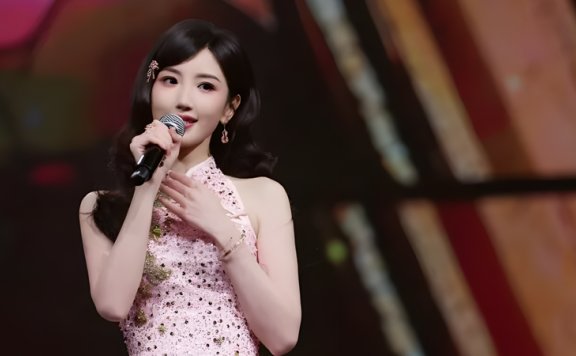
At a recent event, actor Mao Xiaotong (毛晓彤) did not simply walk onto the stage; she arrived as a statement. Her outfit, a blush-pink cheongsam meticulously embroidered with shimmering crystals, instantly captured the spotlight and the imagination of the audience. This was not a costume from a period drama, but a bold, contemporary statement declaring the vibrant future of Chinese aesthetic heritage. It perfectly encapsulated the "Sweet-Spicy" trend—a style that blends the demure elegance of tradition with the confident flair of modern fashion. In one look, she demonstrated how historical garments can converse with the present, offering a template that is both respectful of the past and thrillingly new. Deconstructing the Dream The genius of the gown lies in its detailed dialogue between old and new. The foundational language of the cheongsam is present and correct: the elegant mandarin collar, the classic side fastening, and the body-skimming silhouette that celebrates feminine form. The fabric itself is a masterstroke. The soft pink hue evokes youthful sweetness, while the myriad of hand-sewn crystals transforms it into a celestial map, catching light with every movement. A subtle flash of gold-and-green embroidery at the side adds a regal touch, a nod to intricate traditional… -
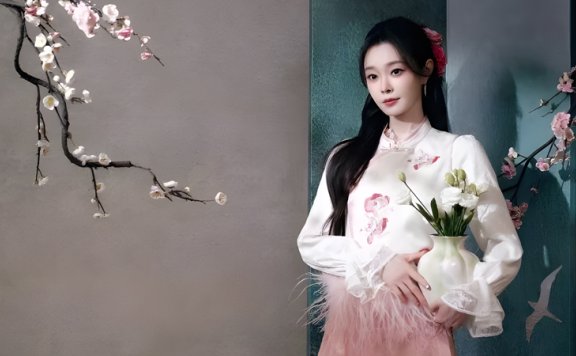
How Did Song Yi's New Chinese Outfit Ignite a Fashion Style?
When actress Song Yi (宋轶) recently appeared in a stunning New Chinese Style ensemble, the internet erupted with admiration. Her look, featuring a pink-white embroidered blouse with a ruffled collar and a misty pink satin skirt, evoked the grace of a classical Chinese beauty while radiating contemporary charm. Accessories like a delicate hairpin, a celadon vase, and bow-adorned shoes completed the vision of a refined gentlewoman from a scholarly family. This outfit wasn't just clothing; it became a symbol of how traditional aesthetics can seamlessly merge with modern design, captivating fashion enthusiasts and cultural observers alike. The immediate viral response highlighted a growing fascination with styles that bridge historical elegance and present-day creativity, setting the stage for a deeper exploration of this trend. Design Details The brilliance of Song Yi's attire lies in its meticulous details. The blouse's embroidery features flowing patterns that showcase artistic craftsmanship, with the ruffled collar and lantern sleeves adding a touch of ethereal movement. The skirt's drape and subtle side embroidery align with Eastern aesthetics, accentuating a slender silhouette. Color coordination in soft pinks and whites creates a gentle, sweet palette that complements the overall theme. Designers often draw from classical paintings and textiles, reimagining… -
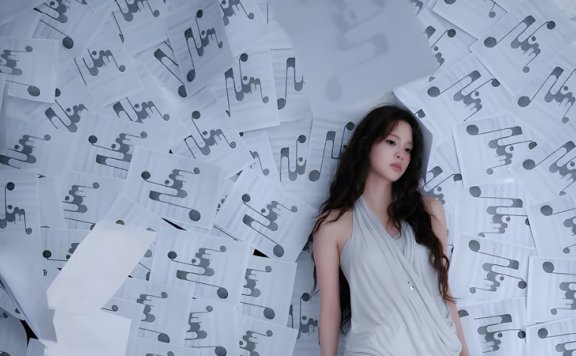
How Did Ouyang Nana Master the Art of Effortless Chic?
A photograph of musician and actress Ouyang Nana recently captivated the internet. It was not merely another celebrity photo shoot, but a visual statement that perfectly captured a contemporary mood. In it, she wore a pale grey, draped dress against a backdrop of scattered musical scores. The image did not shout for attention; it whispered a philosophy of style. This look, radiating an intelligent ease, has sparked widespread discussion about what modern elegance can be. It transcends simple fashion, blending personal artistry with sartorial grace in a way that feels both aspirational and genuine. The Dress Speaks At the heart of the image is the dress itself. Its pale grey hue is understated, acting as a blank canvas. The fabric falls in soft, deliberate folds that suggest movement even in stillness. This is not stiff tailoring, but a design that implies fluidity and natural shape. The neckline is a halter style, elegantly framing the collarbones and shoulders without being overt. It reveals just enough, balancing modesty with a subtle allure. The uneven hemline adds a final touch of nonchalance, as if the garment adapts to the wearer's rhythm rather than dictating it. The genius of this piece lies in its… -
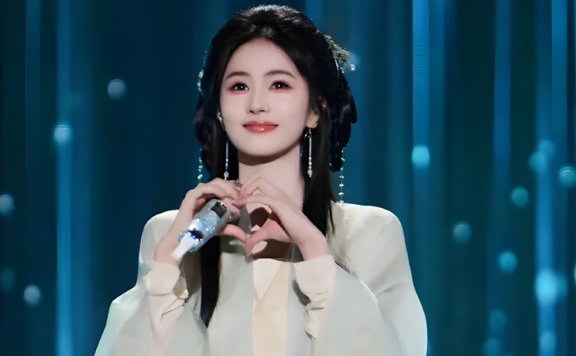
Bai Lu Embraces the Spirit of Traditional Chinese Style
In a recent series of images that swiftly captivated the internet, actress Bai Lu (白鹿) presented a vision of ethereal elegance that seems to transcend time. Dressed in a soft goose-yellow Ruqun (襦裙) robe overlaid with a sheer, misty cyan gauze outer garment, she appeared not as a modern celebrity, but as a celestial being from an ancient painting. The ensemble masterfully blends traditional Chinese aesthetics with a contemporary sense of grace, creating a "soft-fog" effect that is both delicate and profoundly arresting. This look doesn't just clothe the wearer; it surrounds her in an aura of timeless, gentle beauty that feels both familiar and wonderfully new. A Closer Look at the Details The magic lies in the meticulous craftsmanship. The pale cyan outer layer is light and translucent, reminiscent of morning mist clinging to a hillside. It adds depth and a dreamlike quality without obscuring the beauty beneath. The inner robe, in its warm, muted yellow hue, glows softly, its color evocative of sunlight on new blossoms. Upon closer inspection, exquisite embroidery reveals itself along the hems, each stitch a testament to refined artistry. These subtle details embody the quiet sophistication central to traditional Chinese design. Her hairstyle completes… -
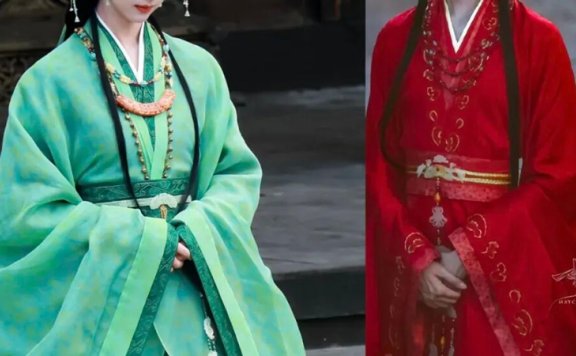
Why Historical Dramas Get Waistwear Wrong?
Open any historical or fantasy costume drama today, and you will likely spot a recurring sartorial trend: a character's robe is first cinched by a broad waist wrapper, only to be topped with an additional, often decorative, belt. This layered look, adorned with jade pendants and tassels, has become a visual shorthand for ancient elegance. Yet, this ubiquitous combination is almost entirely a modern invention, a creative liberty taken by costume designers that conflates two distinct historical garments. The Yao Fu (腰袱), or waist wrapper, and the traditional belt served different purposes, stemmed from different needs, and were rarely worn together in the manner now popularized on screen. The Practical Waist Wrapper Far from being a mere accessory, the Yao Fu was a fundamental component of daily dress, rooted in utility. Traditional Hanfu, with its deep robes and broad sleeves, was inherently loose. A narrow belt alone could not secure such voluminous clothing for work or swift movement. The Yao Fu solved this. Typically a wide strip of cloth, sometimes over twenty centimeters across, it was wrapped firmly around the torso to anchor the layers of fabric beneath. For laborers, it provided back support and protected garments from wear; some… -
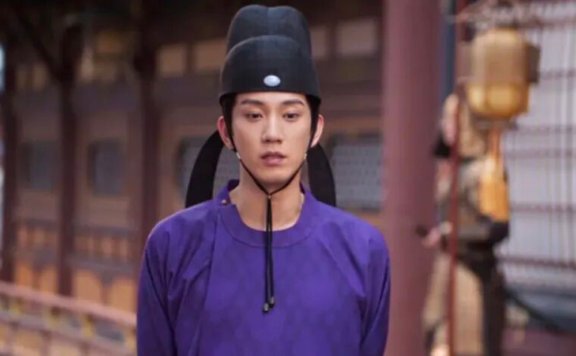
Why Did the Prince's Collar Vanish in The Imperial Coroner 2?
The premiere of the historical drama The Imperial Coroner 2 (御赐小仵作2) has sparked an unexpected debate among its dedicated fanbase. Rather than focusing solely on plot twists, viewers are scrutinizing the wardrobe of the male lead, Prince Chu (楚王). A particular detail has drawn sharp criticism: the noticeable absence of the distinct white collar lining his official robes, a signature element from the first season. This seemingly minor change has opened a broader conversation about historical authenticity, artistic license, and the evolving standards of audience expectation in period television. The discussion delves deep into the intricacies of Tang (唐) and Song (宋) dynasty attire, revealing how costume design is a language unto itself. The Missing Collar To understand the collar controversy, one must first consider the era. If the drama is set in the Tang dynasty, the typical round-neck robe was worn over an inner garment with a narrow, crossing collar. When properly worn, this inner collar would barely peek out, appearing only as a slim edge. The prominent white collar seen in Season One was, therefore, a stylistic choice rather than a strict historical reproduction. If the setting leans toward the Song dynasty, the inner garment's crossing collar would… -
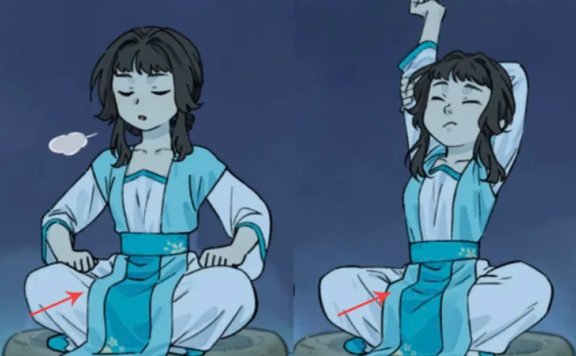
Why Did Ancient Robes Have That Hanging Cloth?
If you watch historical dramas, you have likely noticed a distinctive strip of fabric hanging down the front of many costumes. This is not a random design choice but a faithful recreation of an ancient garment accessory known as the Bixi (蔽膝). Its journey from a practical tool to a ceremonial symbol encapsulates centuries of social change, weaving together threads of necessity, status, and cultural memory. A Tool for Life The origins of the Bixi are fundamentally practical. In early antiquity, clothing was simple and often incomplete. This long cloth panel served a basic yet vital function: modesty. It acted as an apron, shielding the front of the body. Scholars like Xu Shen (许慎), in his ancient dictionary Shuowen Jiezi (说文解字), clarified that early attire merely "covered the front," with the Bixi fulfilling this role. Beyond modesty, it offered protection. For people laboring in fields or navigating rugged landscapes, the sturdy fabric guarded against scratches from thorns and prevented dirt from soiling the garments underneath. It was a piece of durable workwear. Some evidence suggests wider versions might have even served as a makeshift pouch for gathering herbs or crops, a versatile tool in daily life. This phase represents the… -
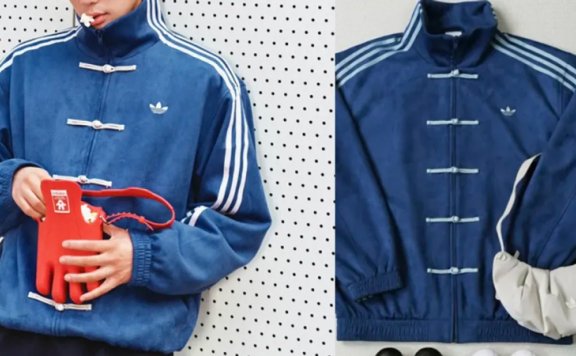
Why Adidas’ Frog Button Collection Triggered a Backlash
Adidas’s latest New Year apparel line, heavily featuring an ornamental fastening known as the "frog button," has ignited a heated online debate in China. While gaining some popularity overseas, the collection faced significant domestic criticism and even calls for a boycott. At its core, the controversy highlights a persistent and frustrating issue: foreign brands repeatedly offer a superficial and narrow interpretation of Chinese sartorial heritage. This incident underscores a growing public awareness and a demand for deeper cultural understanding and respect, moving beyond simplistic stereotypes. The Frog Button Flaw The primary issue is not the use of the frog button itself, a decorative fastening historically used in Man Zu (满族) clothing during the Qing Dynasty. The problem lies in Adidas presenting this single element as a definitive symbol of "Chineseness." For many, this reduces millennia of diverse Chinese clothing history to the aesthetics of its last imperial dynasty. This approach overlooks the foundational garments of the Han ethnic tradition, which emphasize crossed collars, right-side closure, and concealed ties. By equating a Man Zu detail with the entirety of Chinese dress, the brand displayed a shallow understanding. This is not an isolated misstep for Adidas. The previous year, their "blue Chinese… -
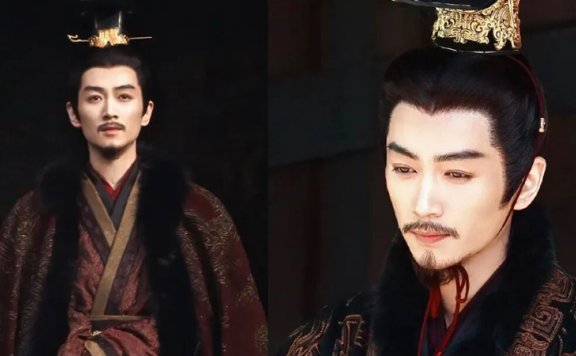
The Endless Search for a Real Emperor Qin Shihuang
Every few years, a new actor steps into the formidable shoes of Emperor Qin Shihuang (秦始皇), the First Emperor of China, and the cycle of debate begins anew. The latest is actor Chen Xiao (陈晓) in the new series Qi Mi (秦谜), whose portrayal has been met with online commentary ranging from approval to the dismissive quip that a teenage actor from decades ago did it better. This recurring public scrutiny highlights a central dilemma: how does one visually embody a figure shrouded in millennia of history, myth, and political narrative? The search for the "real" Emperor Qin Shihuang is less about finding historical accuracy—an impossible task—and more a reflection of what audiences, and times, need him to be. Is he a ruthless tyrant with the face of a predator, a visionary unifier burdened by solitude, or something else entirely? Each performance becomes a mirror held up to our own era's understanding of power, legacy, and the weight of history. The Historical Blueprint What little we have originates from a handful of ancient texts. The most cited description comes from Wei Liao (尉缭), a former Qin state official, who described the king as having a "bee-stung nose", long eyes, the… -
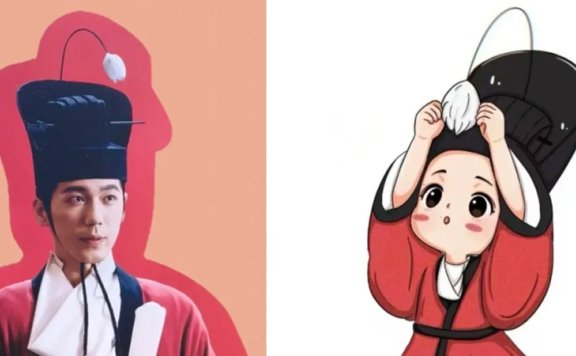
The Cat Teaser on Bai Yu's Head in Swords into Plowshares
Viewers of the historical drama Swords into Plowshares (太平年) were met with an unexpected sight: actor Bai Yu (白宇), playing a court official, sporting what looked unmistakably like a cat teaser stuck in his headwear. This peculiar accessory, far from a whimsical costume designer's choice or an ancient fashion faux pas, is actually a meticulously researched detail rooted in centuries of Chinese bureaucratic tradition. Known as a Zanbi (簪笔), or "hairpin brush," this item tells a story of practicality evolving into potent symbolism, marking the wearer's rank, duty, and intellectual authority within the rigid hierarchy of the imperial court. A Practical Beginning The origin of the Zanbi is wonderfully utilitarian. During the Han Dynasty, officials attending court sessions needed to record the emperor's commands directly onto their handheld Hu boards (笏板), tablets made of jade, ivory, or wood. Once a note was taken, the official had no desk to place his brush. The simplest solution was to tuck it behind an ear or slot it into a headband or cap, keeping it readily accessible for the next command. This act of carrying a brush in one's hair is recorded as early as the Records of the Grand Historian (史记·滑稽列传), in… -
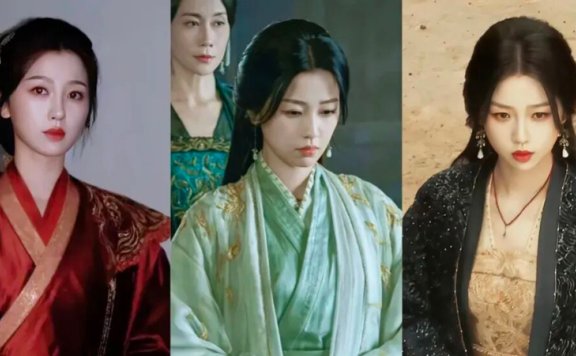
Did Yu Shuxin’s New Period Drama Copy Her Last Look?
When photos from the set of Yu Shuxin's (虞书欣) new series, Yun Chu Ling (云初令), surfaced online, many fans did a double take. The styling—center-parted hair with wispy strands framing the temples and volume at the sides—looked strikingly familiar. It bore a close resemblance to her iconic look from the popular Wuxia drama My Journey to You (云之羽). This sparked immediate debate: was this a case of repetitive styling, or was there a deeper logic at play? The two characters, however, inhabit vastly different worlds. Yun Chu Ling draws its aesthetic inspiration from the grandeur of the Tang and Song dynasties, a style often referred to broadly as "Pan-Tang-Song" in Chinese costume design circles. In contrast, My Journey to You is rooted in the bleak, austere atmosphere of the martial arts world known as Jianghu. Their core spirits are distinct. The similarity lies not in copying, but in finding a universally flattering style template for the actress's specific facial features. This "center part + side volume + face-framing wisps" formula happens to be her sweet spot. Decoding The Face Shape To understand the styling, we must first examine the canvas. Yu Shuxin possesses a roundish oval face, a shape often… -
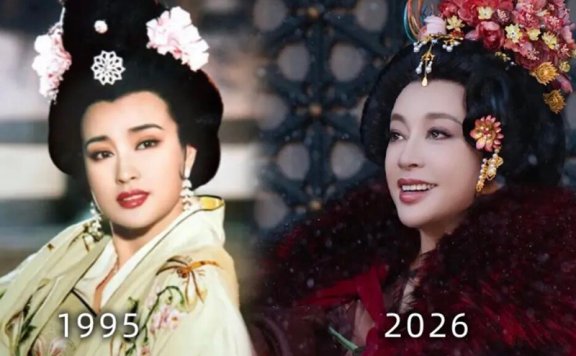
Can a 75-Year-Old Truly Play a Young Empress?
The recent release of promotional stills for a new production featuring Liu Xiaoqing (刘晓庆) once again portraying Empress Wu Zetian (武则天) has ignited a firestorm of online discussion. The core of the debate isn't the plot, but the actress herself. At 75, Liu is set to depict the legendary monarch's journey from youth to old age, a feat she first accomplished over thirty years ago in the 1995 television series Empress Wu Zetian. Back then, in her early forties, her transformation was hailed as remarkable. Today, the new images have left the digital world stunned, with a prevailing sentiment: "How can a 75-year-old look like she's 40?" This phenomenon pushes past mere celebrity gossip, inviting a deeper look into historical aesthetics, the science of aging, and the enduring power of a perfectly cast role. Defying Time Liu Xiaoqing's seemingly age-defying appearance is the most immediate point of fascination. The public's amazement speaks to a broader cultural obsession with youth, yet her case suggests something beyond modern cosmetics or procedures. Her ability to convincingly return to this role decades later hinges on a more permanent foundation: her bone structure. This isn't merely about good genes; it's about possessing a facial architecture… -
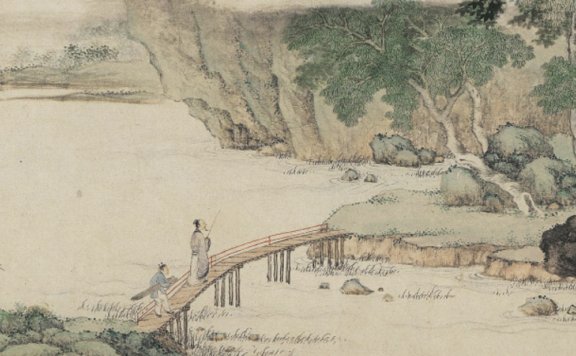
Ancient China’s Poetic Network of Paths
We walk on them every day, rarely considering their names. Today, it is simply a road, a street, or an avenue. In ancient China, however, the ground beneath one’s feet told a richer story. Each type of path had its own distinct name, a linguistic signpost revealing its purpose, status, and the very texture of the life it supported. This wasn't mere classification; it was a way of seeing the world, embedding hierarchy, daily routine, and philosophical concept into the landscape. From the emperor’s grand highway to the farmer’s field track, the vocabulary of travel wove a complex map of society itself. Hierarchy Underfoot The most important concept was Dao (道). This term represented the highest standard of road, often imperial in nature. After unifying the country, Qin Shihuang (秦始皇) constructed vast "Chidao" (驰道), or "galloping roads," which functioned as ancient expressways for military and imperial use. Yet “Dao” meant far more than pavement. It was the same character used for "the way" or "the principle," linking physical travel to moral and cosmic order. A slightly less grand but still major thoroughfare was a Lu (路), a wide way designed for chariots and carts. Within the walls of a capital…
