

For thousands of years, the sun dictated the rhythm of life. People worked at its rise and rested at its set. Today, our time is sliced into precise digits by phones and watches. But in the vast stretches between day and night, how did ancient civilizations measure passing hours without modern tools? Their ingenious solutions reveal a deep desire to comprehend and master time's invisible flow, leading to inventions that were both scientifically profound and elegantly simple.
1. Gui Biao (圭表) - The Sun's Shadow Rule
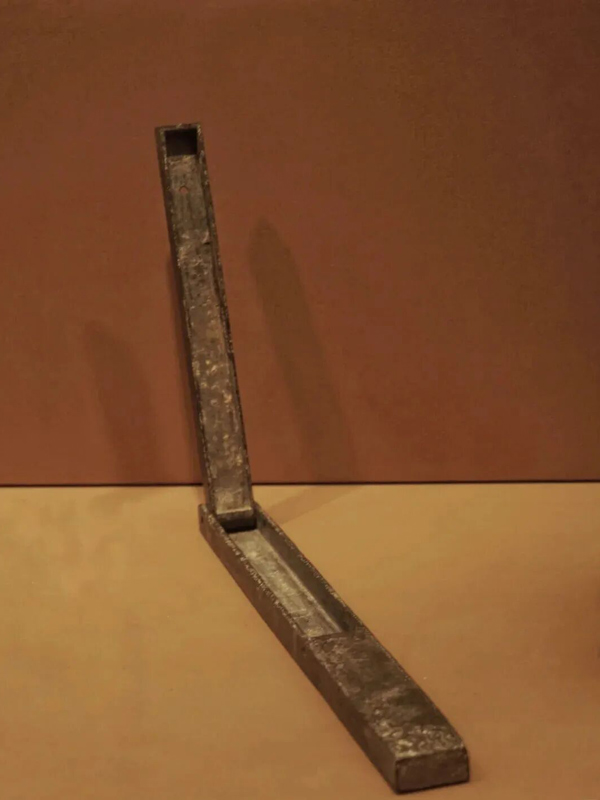
The most fundamental timekeeper was the Gui Biao, the empire’s celestial ruler. This instrument, essentially a vertical pole and a horizontal scale, measured the sun’s shadow. Its purpose was grand and agricultural: defining the solar year and the 24 solar terms. By marking the longest and shortest noon shadows, officials could pinpoint the Winter Solstice and Summer Solstice. The entire agricultural calendar and imperial rituals hinged on its readings.
While it could indicate noon, the Gui Biao was not for hourly use. Its data set the framework. Think of it as the empire’s annual planner, calibrated by sunlight. The precision of the Chinese calendar, which allowed farmers to sow and harvest with remarkable accuracy for centuries, was born from this simple post in the ground. It was astronomy applied to earth, a silent contract between the state and the seasons.
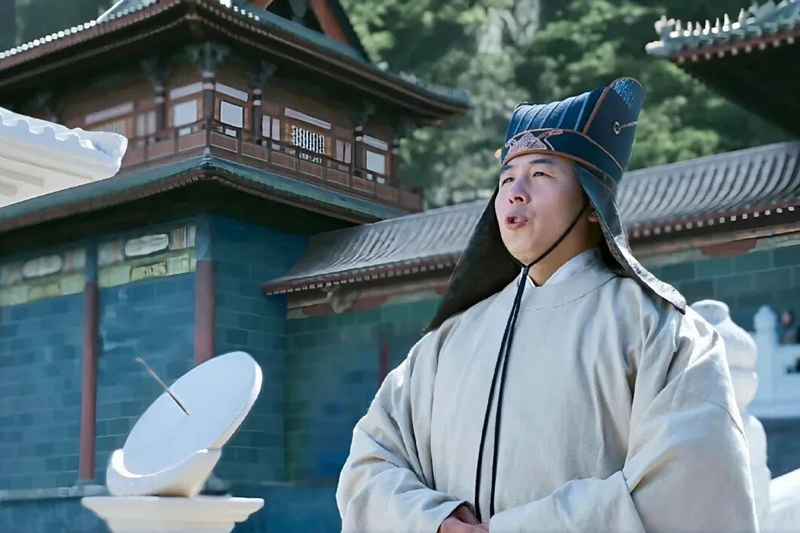
The drama subtly nods to this. In one scene, the elderly Astronomical Minister points to a stone platform in the palace grounds, telling a young apprentice, "Our years are measured there, not in ledgers." This was the Gui Biao, the unchanging reference point against which all other time was measured. It represented cosmological order, a stability the emperor was sworn to uphold.
2. Ri Gui (日晷) - Marking the Day's March
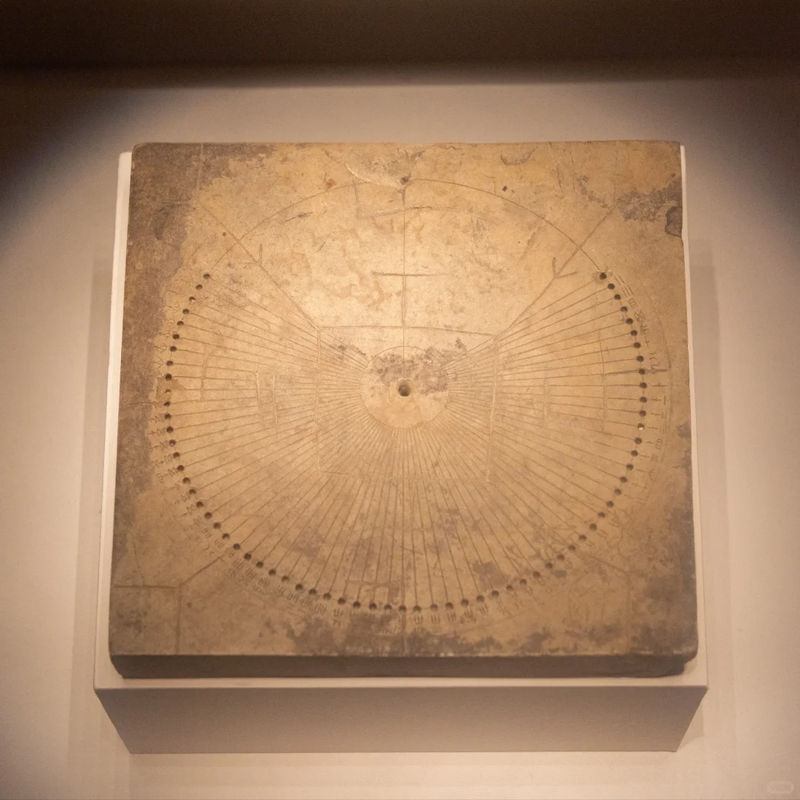
For dividing the daylight, the Ri Gui took center stage. More than a palace ornament, it was a functional clock. Its design evolved, but the principle remained: a gnomon’s shadow moves across a marked dial.
The earliest Chinese records of sundials appear in the Book of Sui (隋书). By the Qing Dynasty, sophisticated equatorial sundials were developed that could tell time with precision. However, this tool had significant limitations. Its design was latitude-specific, and it was utterly useless on cloudy days or at night.
The sundial’s reign was strictly diurnal. Its presence in art and architecture symbolized the sun’s patronage and the visibility of celestial law. Yet, the empire’s business continued after sunset. For the passage of night, a more consistent force was needed: the steady drip of water.
3. Lou Ke (漏刻) - The Drip of the Night
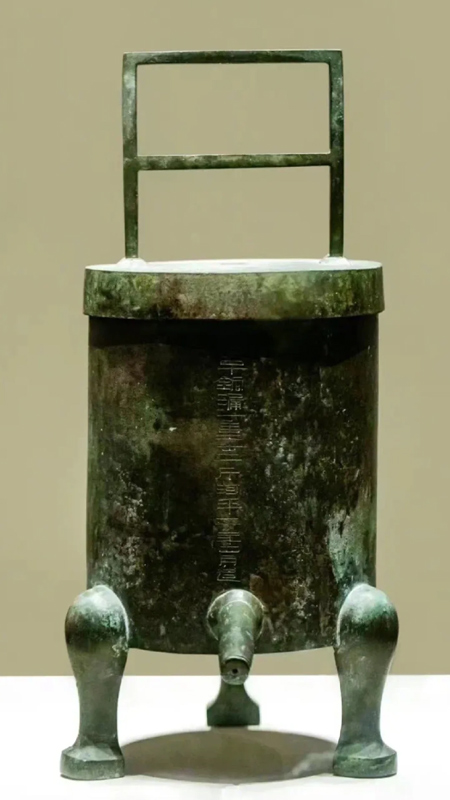
Here, the Lou Ke reigned supreme. This was the true heart of the palace time service. The system used a series of overflow tanks to maintain constant water pressure, allowing a calibrated drip to raise a float with a graduated rod. The Master of the Clepsydra would monitor the rod, announcing the watches of the night.
These devices could be remarkably precise. By the Song Dynasty, advanced designs like the Lotus Clepsydra minimized error. The pinnacle was the Water-Powered Astronomical Clock Tower, built by Su Song (苏颂) in 1092. This mechanical marvel used a waterwheel to drive an armillary sphere, a celestial globe, and jack-operated time-announcing dolls. It was a mechanical symphony of timekeeping, an entire observatory and clock tower powered by hydraulics.
The drama portrays the water clock room as a humid, secluded chamber. Zhang Heng (张衡) is shown adjusting bronze floats, his world defined by the rhythmic plink of water drops. His isolation underscores the weight of his task; the entire palace's schedule depends on his vigilance. When the water source is subtly tampered with in a plot to discredit him, it shows how vulnerable this technological lifeline could be.
4. Xiang Lou (香漏) - Burning the Hours
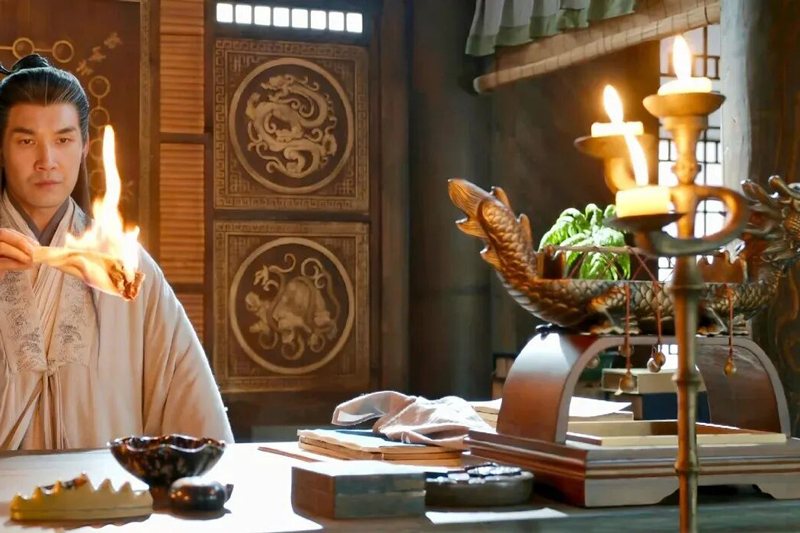
For more personal or portable timekeeping, people turned to fire. The Xiang Lou was a common solution. Specific incense blends were crafted to burn at a steady rate. Sticks could be marked to indicate watches, or weights hung over them to fall with a clang when the incense burned through—a literal alarm clock.
A scholar times his examination practice, a concubine measures the duration of a palace ceremony, and night watchmen rely on long "night watches incense" to pace their rounds. The phrase "time for one stick of incense" becomes a narrative motif, a unit of duration the audience comes to understand intimately.
This method was permeable to the human experience. The scent of sandalwood or musk became intertwined with the perception of passing hours. It was time one could smell. A scene shows a meditating monk watching a spiral incense seal burn, its pattern forming a poetic couplet as it glows. Here, timekeeping transcends function, becoming contemplation, art, and a sensory thread through the darkness.
From the Gui Biao’s annual decree to the incense clock’s fragrant whisper, ancient time was multimodal. It was observed, heard, and smelled. It was public and private, celestial and earthly. These tools were not just instruments but mediators between human order and natural law. They remind us that time was once a phenomenon to be interpreted, not merely a number to be read. In our world of digital precision, the layered, material experience of the past offers a profound question: have we gained accuracy, but lost our feeling for time’s passage?
