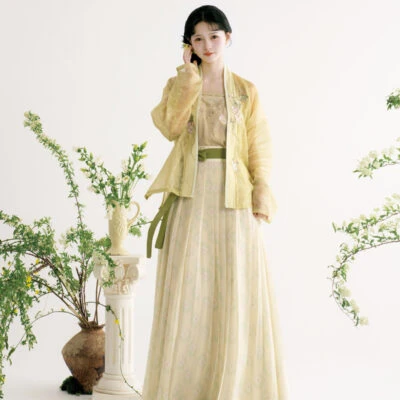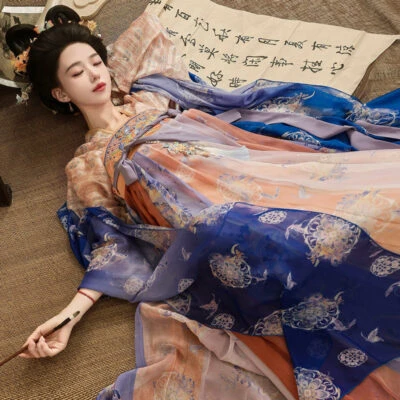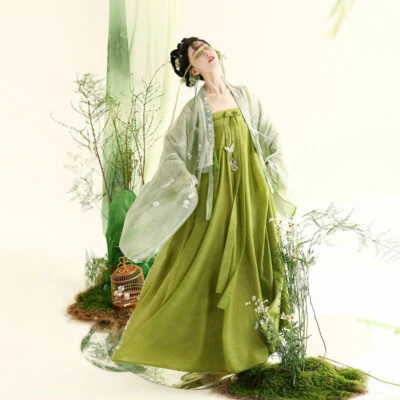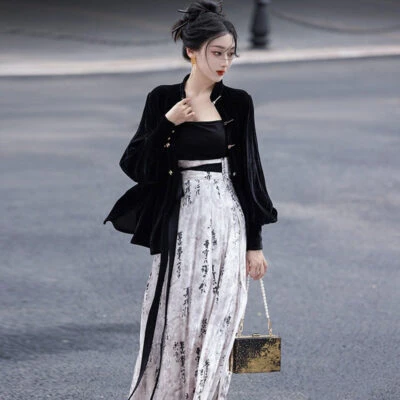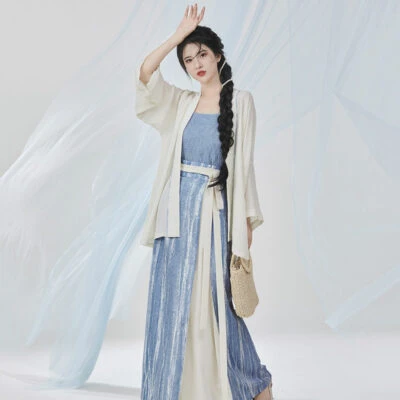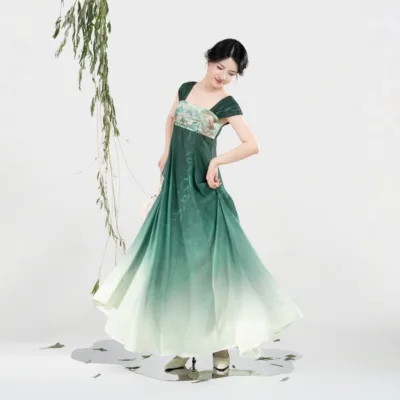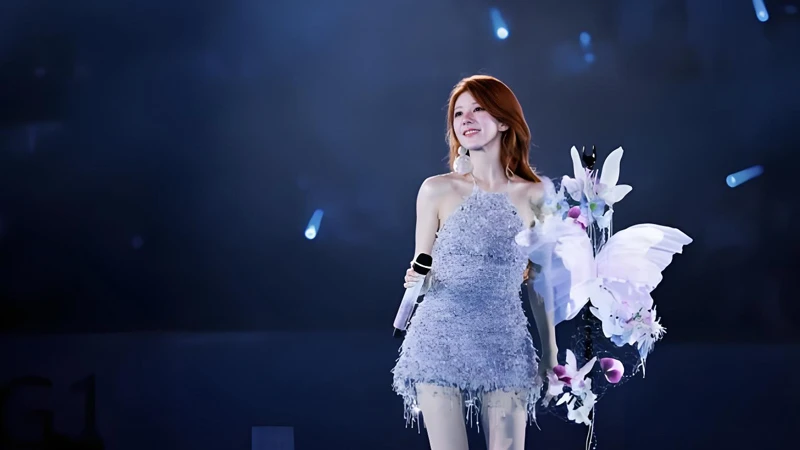
Long days of absence led many to assume Zhao Lusi (赵露思) was stepping away from the spotlight. She had shut down a personal account she maintained for nearly a decade, navigated contract disputes, and faced scrutiny over a lively broadcast that some labeled erratic. Just as speculation about her career downturn peaked, an unannounced project shifted the narrative entirely.
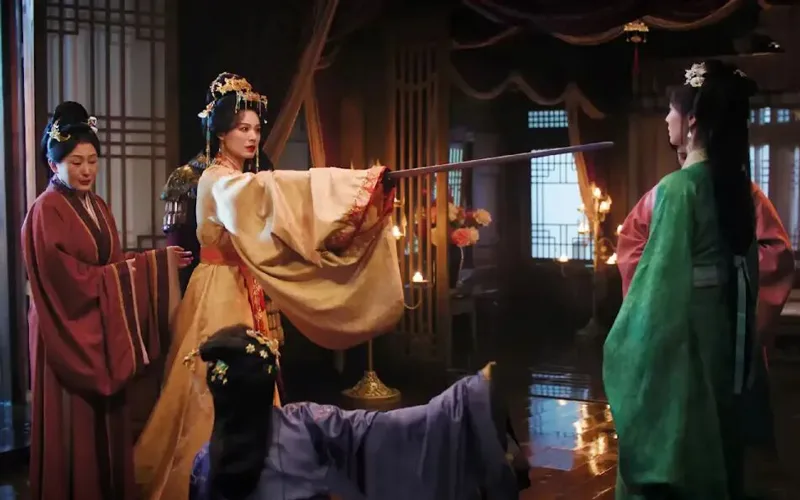
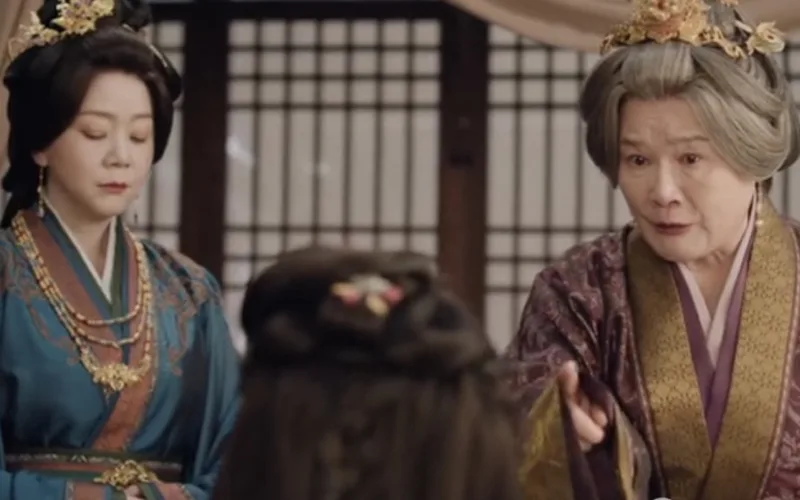
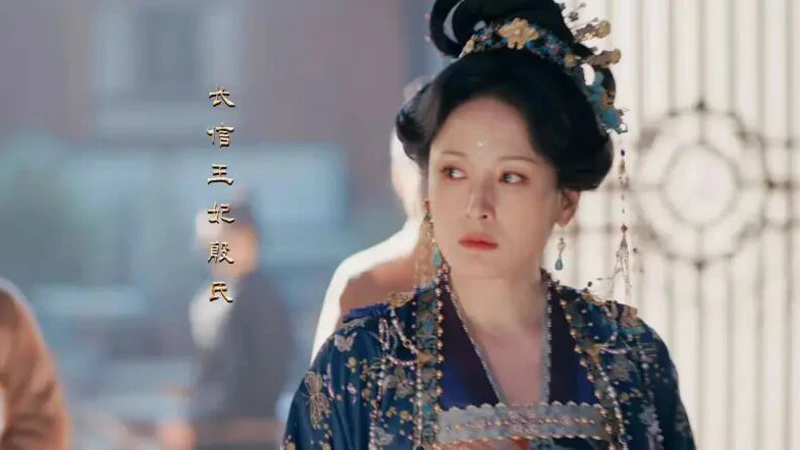
On September 26, Love’s Freedom (许我耀眼), featuring Zhao Lusi and Chen Weiting (陈伟霆), debuted without advance notice. The series quickly set a yearly record for platform engagement, generating over 300,000 discussions within the first hour and reaching a peak of nearly 27,000 concurrent viewers on its opening day. Its success was not isolated; during the summer, it had already shown potential abroad, with TikTok hashtags accumulating 1.1 billion views and YouTube previews attracting 480,000 watches.
Her reach extends across continents. Instagram followers surpassed 6.4 million, while a wedding photo from the series earned a million likes. In Southeast Asia, admirers regard her as a beloved figure, with events like a Cambodian princess openly supporting her and crowded welcomes in Thailand highlighting her cross-border appeal.
Yet visibility brings intense examination. Each action she takes is subject to public judgment, keeping her in constant media focus. The drama’s launch aligned with escalating contract talks with her agency, Galaxy Cool Entertainment, creating a parallel between her on-screen role striving for change and her off-screen efforts to navigate industry pressures. The ongoing tension raises questions about whether she can carve a path forward on her own terms.

1. Zhao Lusi’s Bold Leap
In the bustling landscape of Chinese television, a familiar face has reappeared with a startling new dimension. Zhao Lusi, once synonymous with lighthearted romantic roles, now commands attention in the recent drama Love’s Freedom. Her portrayal of a deeply flawed yet compelling anti-heroine has sparked conversations and earned public praise from her seasoned co-stars. This shift is more than a simple change of character; it signals a deliberate move in her artistic journey, challenging the very archetype that made her famous. The audience response highlights a growing appetite for nuanced female leads who defy easy categorization.
A Defining Role
In Love’s Freedom, Zhao Lusi sheds her previous image completely. She plays a woman from humble beginnings whose primary motivation is marrying into a wealthy family. This character is calculated, ambitious, and willing to use any means necessary to climb the social ladder. The performance is a departure from the innocent, cheerful personas that defined her earlier work. It requires a subtle balance of charm and cunning, making the character both relatable and morally questionable.

The drama’s narrative structure plays a key part in its appeal. Unlike a previous film adaptation that focused heavily on sisterly dynamics, this series prioritizes audience gratification. The story arc moves from intricate schemes to secure a wealthy marriage, to the protagonist establishing her own business, and finally to a romantic subplot where a privileged suitor must win her back. Each stage is designed to hook viewers with its heightened emotional stakes and swift plot developments.
While the series has been compared to the Korean drama Anna for its theme of social climbing through deception, its core philosophy differs. Love’s Freedom ultimately celebrates its protagonist’s ambition and resourcefulness, aligning more with the popular “short drama” format in China. The character’s transformation into a powerful, independent figure resonates deeply with contemporary viewers who champion such narratives of female agency and success.
Zhao Lusi Breaks the Sweetheart Mold in Love’s Freedom
Early Sparks
Long before her professional debut, Zhao Lusi had already captured public attention. While in middle school, a photo of her in a school uniform circulated widely on platforms like Tieba and QQ Zone. This image, radiating a fresh, girl-next-door appeal, made her an early internet celebrity, similar to other online sensations of the time. This early fame provided a foundation of public recognition that would later prove invaluable.
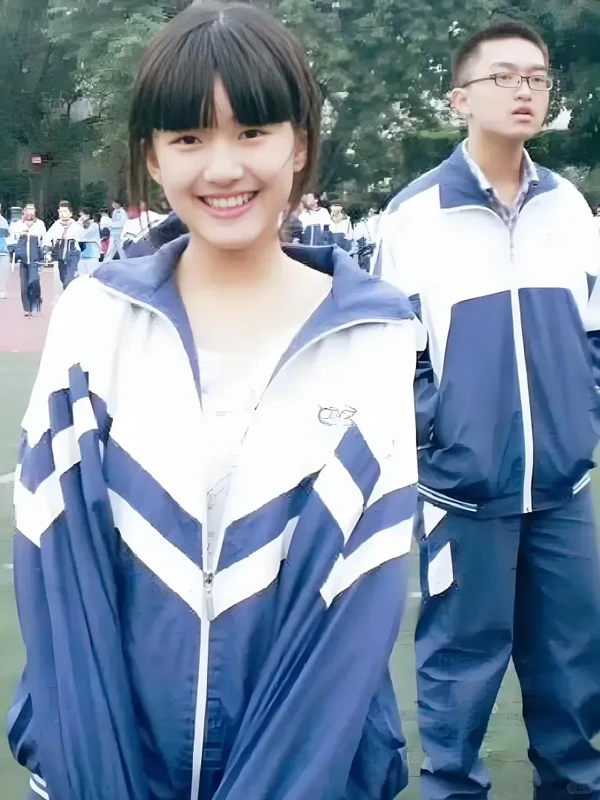
After high school, she pursued a degree in fashion design at Mingdao University (明道大学) in Taiwan. During this period, she also participated in a summer exchange program in Los Angeles. Throughout her studies, she actively maintained a presence on social media, where her authentic and approachable style continued to attract a dedicated following. This organic online persona drew interest from various talent agencies looking for new faces.
Faced with multiple offers, her decision was not straightforward. According to her own accounts, her parents were initially hesitant about her entering the entertainment industry. However, driven by a personal desire to perform, albeit without an overwhelming craving for fame, she made a strategic choice. She declined offers from larger, more established agencies and instead signed with the relatively new Galaxy Cool Entertainment.
Strategic Moves
The choice of agency was far from a random gamble. Galaxy Cool Entertainment, founded in 2015, was built on significant industry connections. Its co-founders were Li Wei, a former senior producer from Hunan Broadcasting System, and Wei Yuan, whose father, Wei Wenbin, was a former top executive at the same network. This background provided the company with insider knowledge and valuable resources from its inception.
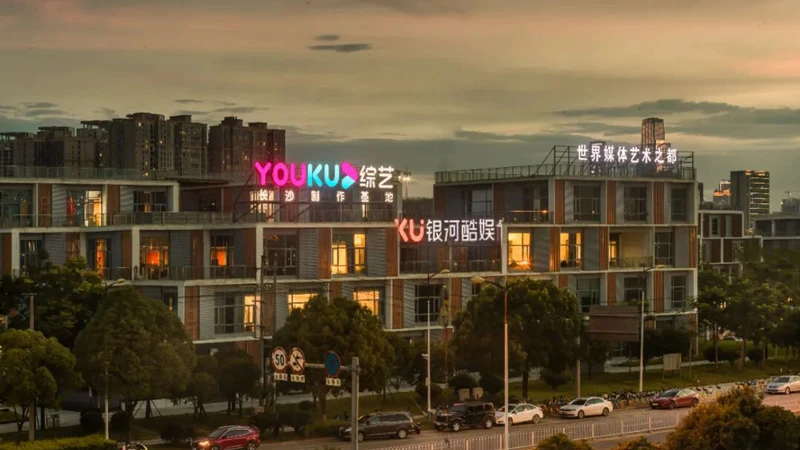
The company quickly demonstrated its capabilities. Within a year, it partnered with the video platform Youku to produce the variety show Mars Intelligence Agency (火星情报局). The program was an instant hit, pulling in billions of views and generating substantial advertising revenue. This success coincided with a major industry shift, as Alibaba expanded into media and acquired Youku, leading to a significant round of funding for Galaxy Cool Entertainment.
It was in this environment of growth that a seventeen-year-old Zhao Lusi officially joined the company’s roster. Her appearance on Mars Intelligence Agency served as her introduction to a national audience. Shortly after, she left her university studies behind to focus entirely on her acting career, embarking on a professional path that would be closely intertwined with the fortunes of her agency.
Zhao Lusi's Clash with Galaxy Cool Entertainment

2. The Hidden Cost of Fame
In the glittering world of entertainment, success often comes with unseen battles behind the scenes. For many young artists, the journey to stardom is paved with both opportunity and adversity. This narrative explores the path of one such individual, Zhao Lusi, whose career highlights the complex dynamics between talent and the machinery that propels it forward. Her story is not just about personal achievement but also about the pressures exerted by corporate interests in a competitive industry.
Early Steps
Galaxy Cool Entertainment, the company that first backed Zhao Lusi, played a pivotal role in her initial foray into the spotlight. She gained early exposure through variety shows like Mars Intelligence Agency, where her natural charm and comedic timing won her a growing fanbase. Hosts like Wang Han offered guidance, often referring to her affectionately, which helped solidify her presence in the public eye. These formative experiences provided a foundation, though they were not without their challenges.
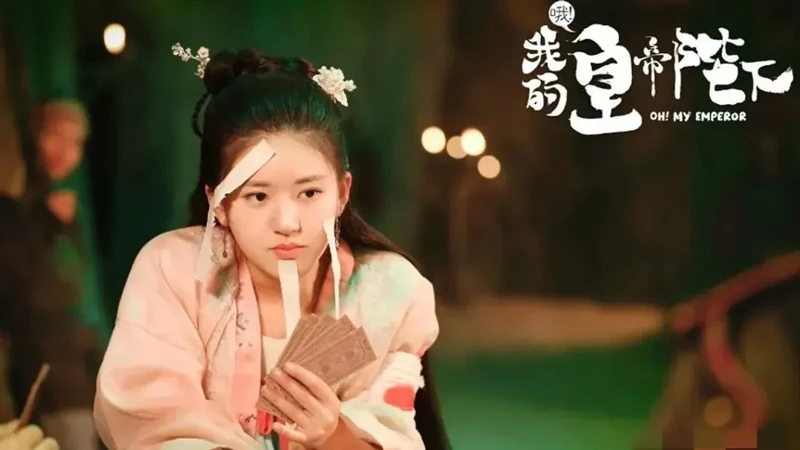
As a newcomer, Zhao Lusi took on roles in television dramas such as Untouchable Lovers (凤囚凰), where she portrayed a supporting character. This opportunity came through connections within her agency, showcasing how personal networks often influence casting decisions in the industry. Despite not being a lead, these parts allowed her to hone her craft and build a portfolio. The support from her company was crucial, yet it also set the stage for future dependencies and expectations.
Financial strains at Galaxy Cool Entertainment began to surface around this time, with reports of significant losses. As one of the few signed artists, Zhao Lusi sometimes bore the brunt of internal frustrations. Instances of harsh treatment emerged, including verbal disputes that highlighted the power imbalances she faced. Despite this, she continued to work on projects like Oh! My Emperor (哦!我的皇帝陛下), slowly carving out a niche in the digital series market.
Rising Clout
The year 2020 marked a turning point with the release of The Romance of Tiger and Rose (传闻中的陈芊芊), a series that catapulted Zhao Lusi into widespread recognition. Her portrayal of a witty character who navigates a fictional world resonated deeply with audiences, leading to massive viewership numbers. This success not only elevated her status but also brought financial relief to her struggling agency, demonstrating how a single hit can reshape careers and corporate fortunes.
Following this breakthrough, Zhao Lusi secured awards such as the Hengdian Film and Television Award, cementing her place as a rising star. She joined larger productions backed by platforms like Tencent, including series such as The Long Ballad (长歌行). These roles expanded her reach and solidified her image as a versatile performer capable of drawing in diverse viewer demographics. Her increasing influence gave her more leverage in an industry where visibility often dictates longevity.
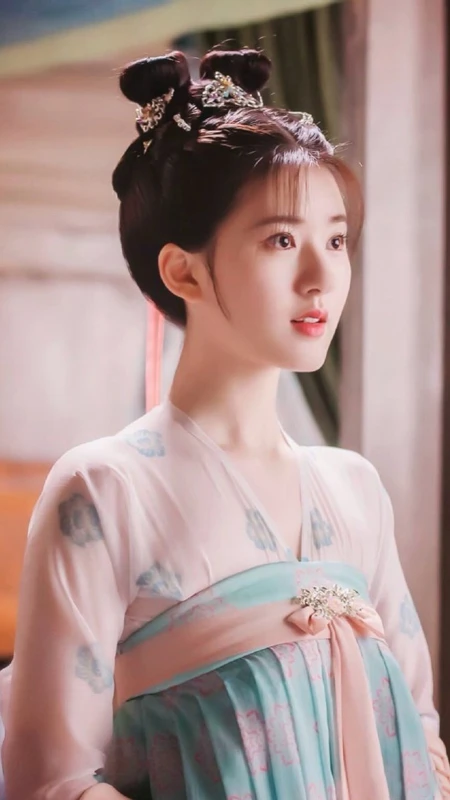
With fame came greater scrutiny and the inevitable tensions over profit sharing. As Zhao Lusi’s commercial value soared, the earlier dynamics with her agency grew strained. No longer the novice who endured mistreatment, she now possessed the clout to challenge unfair practices. This shift underscored a common theme in entertainment: as artists gain independence, they must navigate the delicate balance between gratitude for past support and the demand for equitable treatment.

3. The Hidden Toll of Stardom
In the glittering world of entertainment, success often masks deeper struggles. A young actress’s journey from rising star to facing personal crises reveals the intense pressures behind fame. Her story mirrors many in the industry, where public adoration clashes with private battles. This narrative explores the complexities of mental health, corporate interests, and public perception in modern celebrity culture.
Unexpected Halt
Zhao Lusi, a prominent actress, unexpectedly paused her career in late 2024. She had been filming the drama Be Myself (恋人) when health issues forced a stop. Reports surfaced of severe depression and aphasia, leaving her unable to speak or stand at times. This sudden break shocked fans and colleagues alike, highlighting how physical symptoms can stem from mental distress.

Friends shared past incidents, including a 2019 assault that resurfaced in discussions. Chat logs revealed earlier cries for help, painting a picture of long-term suffering. These disclosures prompted public reflection on earlier signs, like emotional outbursts during promotional events. Such moments, once overlooked, now seemed clear indicators of her declining well-being.
Her team released a candid “recovery diary” showing painful moments: learning to walk again, eating with difficulty, and emotional breakdowns. This transparency aimed to foster understanding but also ignited debates on privacy and exploitation. The footage underscored the raw reality behind the curated images of stardom.
Public Reaction
News of Zhao Lusi’s condition spawned hundreds of trending topics online. Some viewers expressed sympathy, while others accused her and her team of seeking attention. Criticism often targeted her agency, Stellar Media, for its handling of the situation. This division illustrated how public figures navigate both support and skepticism in times of crisis.
After gaining fame with the series The Romance of Tiger and Rose, Zhao Lusi became a top earner for Stellar Media. Insiders noted she accounted for over 80% of the company’s revenue, fueling expectations for non-stop work. This financial dependence created a cycle where her health took a backseat to commercial demands, a common plight in entertainment sectors.
Her return to work just weeks after rehabilitation sparked further debate. Appearances on shows like the charity program Tiny Steps drew mixed responses for her candid remarks. Commentators pointed out a gap between her experiences and public expectations, emphasizing how young stars often lack the socialization to meet societal norms.
Agency Disputes
Tensions with Stellar Media erupted in mid-2025 when Zhao Lusi publicly denounced the company. She cited broken promises over covering costs during her health break and unauthorized withdrawals from her studio’s accounts. Specifically, 2.05 million yuan was taken as compensation for Be Myself delays, escalating the conflict.
Stellar Media countered by assuming control of her studio operations and threatening professional exclusion. Legal experts suggested that unless written agreements existed, verbal assurances held little weight in such disputes. This standoff revealed the power imbalances where artists, even successful ones, can feel trapped by contractual binds.
The fallout led to team disbandments and public sparring, with Zhao Lusi declaring she would quit rather than yield. This bold move highlighted a growing trend of celebrities challenging traditional agency models. It also raised questions about ethical responsibilities in managing artists’ well-being amid profit-driven agendas.
Personal Journey
Throughout 2025, Zhao Lusi faced a rollercoaster of events, from health updates to public missteps. Each incident fueled media cycles, testing the limits of audience empathy. Her story serves as a reminder that behind the fame, individuals grapple with very human vulnerabilities and growth.
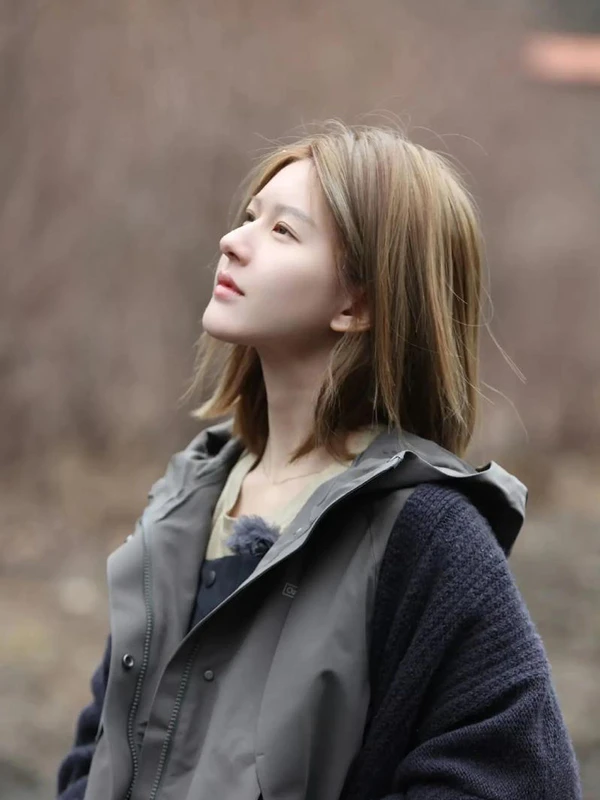
As she navigated recovery and work, the constant scrutiny took a toll. Observers noted that repeated emotional appeals risked desensitizing the public, akin to the “boy who cried wolf” fable. This dynamic underscores the delicate balance celebrities must strike between authenticity and overexposure.
Looking beyond the headlines, Zhao Lusi’s experiences invite broader reflection on industry reforms. Mental health support, fair contracts, and compassionate public discourse are crucial. Her journey, while unique, echoes universal themes of resilience and the quest for dignity in a demanding world.

Zhao Lusi’s Resilient Return
After lone day absence that sparked career downturn rumors, Zhao Lusi made a powerful, unannounced comeback with the drama “Love’s Freedom,” co-starring Chen Weiting. The series broke records, generating immense online engagement and highlighting her massive cross-border appeal, evidenced by billions of TikTok views and a significant international fanbase.
However, this professional high occurs alongside intense personal scrutiny and parallel, escalating contract disputes with her agency, Galaxy Cool Entertainment. Her journey mirrors her on-screen roles, portraying a struggle for autonomy against industry pressures. The ongoing narrative questions whether she can successfully navigate these challenges to carve a sustainable path forward on her own terms, balancing immense fame with personal and professional independence.