Article
Search results:
-
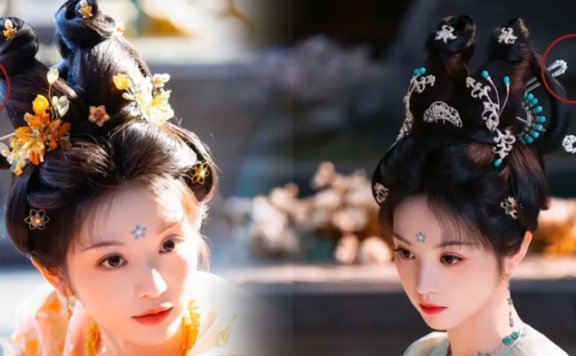
Ancient Hair Art: How Tang Dynasty Styles Defied Gravity in Dramas
When watching historical dramas, we often marvel at the gravity-defying hairstyles—elaborate loops, towering buns, and intricate coils that seem to float effortlessly. These "zero-gravity aesthetics" leave us wondering: how did ancient women achieve such dramatic looks without modern tools? This article delves into the ingenious methods used in dynasties like the Tang, revealing how hairpins and accessories transformed hair into art while defying physics. Through examples from popular shows and paintings, we uncover the secrets that kept these styles intact, blending functionality with breathtaking beauty. The Role of Hairpins In historical dramas, characters sport stunning coiffures that appear weightless, like those in Moonlit Reunion (子夜归) featuring Tian Xiwei (田曦薇). Her character's ring-shaped styles aren't held by wire or glue; instead, ancient artisans relied on hairpins for both fixation and adornment. These pins, often single-pronged or double-pronged, anchored the hair at key points, creating a sturdy framework that supported even the most complex shapes. Unlike today's temporary solutions, these tools were elegant and durable, proving that ancient craftsmanship was both practical and artistic. Hairpins weren't just functional—they added decorative flair. For instance, in Ladies Wearing Flowers painting, symmetrical pins embellished the hair, their designs varying from simple to ornate based on… -
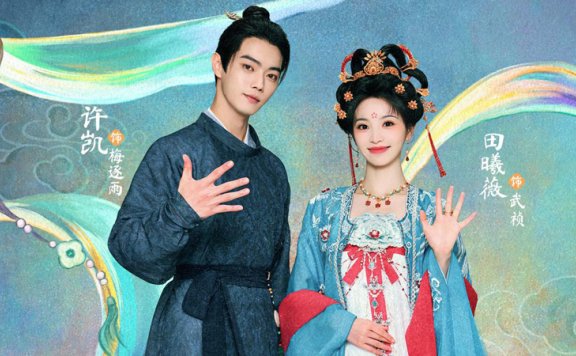
3 Tales of Love and Sacrifice in Moonlit Reunion
Amidst the buzz surrounding Moonlit Reunion (子夜归), a Chinese fantasy drama set in Tang Dynasty Chang'an, the series shines with its exquisite production, stunning visuals, and compelling storytelling. While off-screen controversies swirl around lead actor Xu Kai (许凯), the show itself delivers a rich tapestry of relationships, particularly through its central character Wu Zhen (武祯), a half-demon cat guardian striving to maintain peace between realms. Her interactions with characters like Mei Zhuyu (梅逐雨) and Pei Jiya (裴季雅) add depth, but it's the three unforgettable couples that steal hearts with their poignant tales of love and sacrifice. Each pair embodies unique struggles, blending fantasy with human emotion to create moments that resonate long after the credits roll. 1. Fu Chao (蝠朝) and Fu Xi (蝠夕) Fu Chao and Fu Xi emerge as enchanting figures in Moonlit Reunion, born from a pair of ancient bat-shaped earrings that have shared a century as twin spirits. Their story unfolds when Fu Chao, driven by curiosity, briefly leaves Chang'an to explore the human world, leaving Fu Xi distraught and vulnerable to dark influences that turn her into a vengeful demon. This separation highlights their inseparable bond, as Fu Xi's descent into darkness stems from a… -
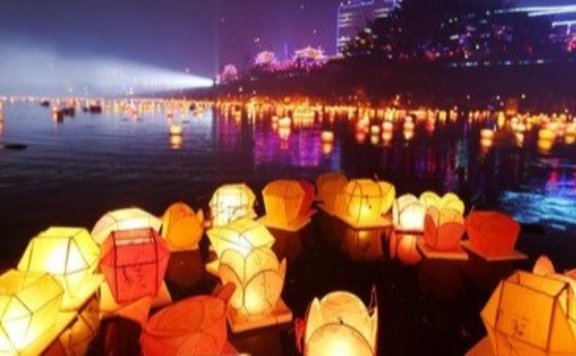
Beyond Ghosts: The True Spirit of China's Zhongyuan Festival
As autumn's chill begins to whisper through the air, a unique phenomenon unfolds across cultures. From the costumed revelry of Halloween to the vibrant altars of Mexico's Día de Muertos, societies worldwide acknowledge the thinning veil between the living and the dead. In China, this observance takes its most profound form during the entire seventh lunar month, culminating in the Zhongyuan Festival (中元节), or Hungry Ghost Festival. More than just a "ghost day," it's a deeply woven tapestry of ancestral respect, philosophical thought, and community care that defines its core. The Ghost Month The entire seventh lunar month is traditionally known as the "Ghost Month" in Chinese folklore. The belief holds that on the first day of the month, the gates of the underworld open, allowing spirits to roam the human realm. The festival peak arrives on the fifteenth day, though some regions observe it on the thirteenth or fourteenth. This isn't framed as a terrifying invasion. Instead, it's viewed as a sacred period where the departed can return to visit their families and receive sustenance. The month is dedicated to providing for these spirits. It begins with ceremonies to "receive the ancestors" , and families make offerings throughout the… -
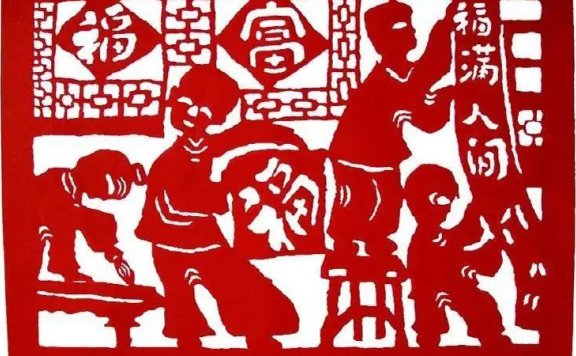
The Silent Language of Chinese Paper Cutting Through Centuries
Chinese paper cutting represents an extraordinary cultural tradition that has evolved over two millennia, serving as both artistic expression and cultural documentation. This intricate art form transforms simple paper into complex visual narratives using only scissors or knives, creating works that embody the collective memory, social values, and aesthetic sensibilities of Chinese civilization. Far more than mere decoration, these delicate cuttings represent a sophisticated visual language that continues to communicate cultural identity across generations. Historical Development The origins of Chinese paper cutting predate the invention of paper itself, with early artisans practicing similar techniques on various thin materials, including leather, metal foils, and silk fabrics. During the Warring States period, these precursor arts reached remarkable sophistication, establishing technical foundations that would later transfer to paper. The subsequent invention of paper during the Han Dynasty provided the perfect medium for these techniques to flourish and evolve into what we now recognize as traditional paper cutting. The Tang Dynasty witnessed the art form's emergence as a distinct cultural expression. As paper became more widely available, artists developed specialized forms, including window decorations, figurative representations, and floral patterns that enriched daily life and celebrations. The Song Dynasty marked another significant advancement with the… -
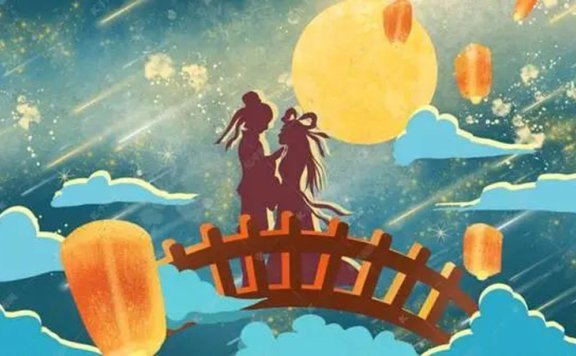
The Qixi Festival: China's Ancient Night of Secrets
Beneath the summer sky, a celestial love story has been celebrated for millennia throughout East Asia. The Qixi Festival (七夕节), often called China's Valentine's Day, holds far deeper meaning than simple romantic gestures. This ancient observance, dating back to the Han Dynasty and flourishing during the Song era, represents a fascinating convergence of astronomy, gender roles, spiritual beliefs, and agricultural traditions that continues to resonate in modern times. The festival's complex tapestry of customs reveals a society deeply connected to celestial patterns and human aspirations. Celestial Foundations and Cultural Evolution The festival's foundation lies in ancient Chinese astronomical observations that shaped its timing and symbolism. Early astronomers meticulously tracked the seasonal movements of stars, particularly noting the Vega and Altair stars in the Lyra and Aquila constellations. During the seventh lunar month, these two bright stars appear at their closest proximity in the night sky, creating the optical illusion of a celestial meeting. This astronomical phenomenon inspired the poetic personification of these stars as the Weaving Maid and Cowherd, a mythological pairing that first appeared in poetic works during the Classic of Poetry period dating back to between the 11th and 7th centuries BCE. The complete narrative took shape during… -
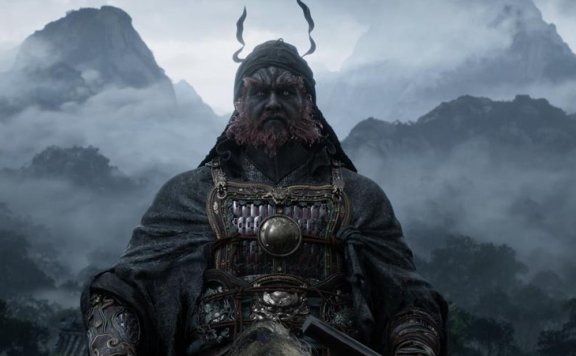
Why Black Myth: Zhong Kui Choose a Niche Cultural IP
I was keeping an eye on the news from Gamescom, and when Zhong Kui (钟馗) popped up, my first reaction was genuine surprise. It wasn't that I was expecting DLC for Black Myth: Wukong - it was more that the Zhong Kui IP feels like a familiar yet distant figure. The last time I heard this name in mainstream pop culture was probably over a decade ago in a TVB series. Using a traditional cultural IP that has somewhat faded from public memory means there's almost no existing blueprint to follow. They'll have to rebuild public recognition of Zhong Kui almost from scratch. But then again, the first Black Myth game laid a solid foundation. Not only did it turn developer Game Science into an IP with a loyal fanbase, but it also established a framework for using the gaming medium to deconstruct and reimagine traditional culture—a framework Black Myth: Wukong has already proven can effectively break through cultural barriers overseas. For Game Science, an IP like Zhong Kui—rich in meaning and open to reinterpretation—offers tremendous creative freedom. Unlike Sun Wukong, a household name and national-level IP, Zhong Kui lacks a clearly defined canonical narrative or a structure that easily lends… -
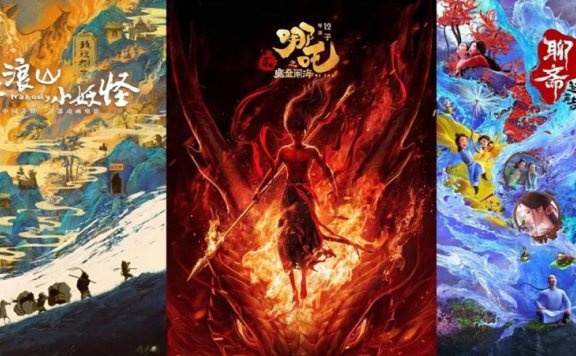
Why Are So Many Chinese Anime Films Adapted from Traditional IP?
The surprise hit NOBODY (浪浪山小妖怪) has now passed the 1-billion-RMB mark at the box office. Like its name suggests, this one is another spin-off from Journey to the West—and that's hardly unusual anymore. Among the five domestic animated films this year that crossed the 100-million-RMB line, three were based on classic novels. Aside from Langlang Mountain, there's Ne Zha 2, adapted from The Investiture of the Gods. That one grossed 15.446 billion RMB early this year, setting a new record for single-film earnings in China. The summer release Curious Tales of a Temple (聊斋:兰若寺) also brought in 242 million RMB. Looking more closely, the relationship between domestic animation and these classic stories feels like a kind of "two-way dependency." Not only do most blockbuster animated films come from traditional literature, but in recent years, successful adaptations of these works seem to appear almost exclusively in animation. The live-action side has never stopped trying to make hits out of Journey to the West or The Investiture of the Gods (sometimes nicknamed "the fifth great classic"), but more often than not those attempts flop. So why is it that animated films can consistently turn these ancient texts into box-office gold? What creative… -
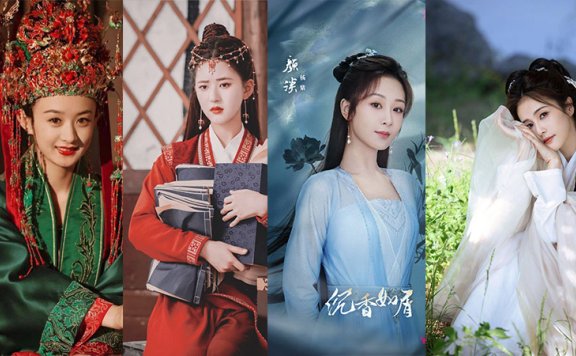
Who's the New Leading Lady of Cdramas?
The last two years in the drama market have felt like a desert: too many misses, too few real hits. When it comes to the industry's definition of who can "carry a drama" (扛剧, means recognition from producers and platforms, not just fan hype), producers and platforms are becoming much more cautious. Compared to the so-called "traffic stars" whose pulling power is always in a Schrödinger's cat state—sometimes effective, sometimes an illusion—the top actresses who have built their status step by step through solid works are generally seen as the real deal when it comes to carrying a show. But in just one year, even this assumption has been shaken hard by the turbulence of the market. This rundown isn't about crowning or dismissing anyone—it's about looking closely at how these actresses are holding up in the storm: what they still have in hand, and what is slipping through their fingers. Yang Zi and Zhao Liying: Invincible Status? If we're talking about who still has an "unbroken golden body" (metaphor for a stable, almost invincible status), from the '85 generation to the post-2000s, it really feels like only Yang Zi (杨紫) and Zhao Liying (赵丽颖) remain. Zhao Liying's The Legend… -
The Director of The Immortal Ascension: I'm Here to Tell a Human Story
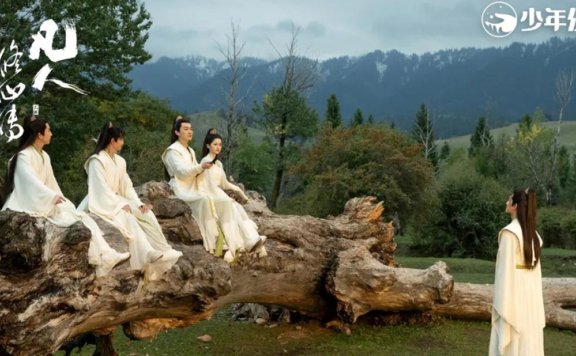
The shoot was about to start. Everyone on set was waiting, but director Yang Yang (杨阳) just couldn't figure out how to stage the scene. "My brain just wouldn't click." She stared at the dense block of text in the script, thoughts all tangled up. In The Immortal Ascension (凡人修仙传), cultivation usually means meditating, training, and leveling up. But how do you show Han Li's progress in cultivation through visuals? How do you film something as abstract as a "breakthrough"? "I thought so hard my head hurt," she admitted. And this wasn't a one-time problem—it was basically a daily struggle throughout production. And that was just one of many challenges. Whenever Yang Yang felt mentally exhausted, she would put down the script and sit in meditation herself, just like Han Li. If that didn't calm her down, she'd pick up something completely unrelated to filmmaking. "Sometimes I'd play the Xuankong Drum (a kind of handpan instrument)." Stepping away from the shoot oddly helped—ideas would suddenly spark the moment she let go. Yang Yang described her whole preparation and filming process as "working like a migrant laborer, hauling bricks every day." She went with her crew to Xinjiang, shooting at altitudes… -
Mastering the Techniques of China’s 4 Gentlemen
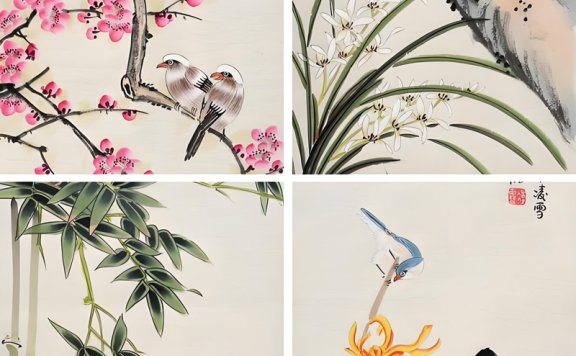
In Chinese culture, the "Four Gentlemen" — plum blossom, orchid, bamboo, and chrysanthemum — are revered as emblems of moral integrity and spiritual ideals, embodying the virtues of resilience, elegance, perseverance, and purity. Known collectively as the "Four Gentlemen," they have long served as foundational subjects in Chinese literati painting and poetry, reflecting the Confucian and Daoist aspirations toward inner nobility and harmonious coexistence with nature. This artistic tradition, deeply rooted in symbolic expression, transcends mere representation to convey philosophical depth and personal character. Through evolving techniques and stylistic developments across dynasties, the depiction of these plants has become a refined language of the spirit, capturing both the tangible beauty and intangible essence of these enduring natural symbols. 1. The Unbroken Line of Ink Plum Blossoms 1.1 Echoes on Paper The journey of monochrome plum blossom painting began centuries ago. Records trace its emergence to the Northern and Southern Dynasties, flourishing notably in the Northern Song era. Monk Zhongren pioneered this form, abandoning colour entirely. He found inspiration in moonlight casting a plum's shadow onto paper, capturing its essence solely through ink's subtle shades and washes. His vision sparked a tradition. Yang Buzhi (杨补之) followed, refining Zhongren's (仲仁) technique. He… -
Why Women Can't Resist These 8 Crystals
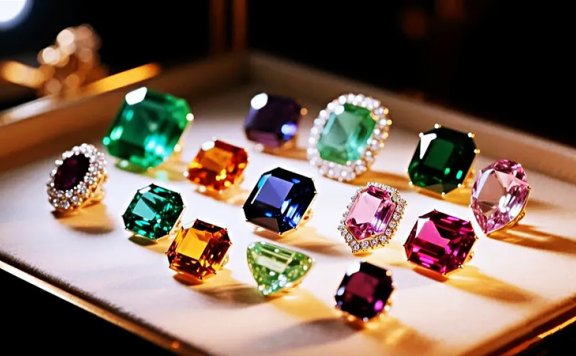
For many women, crystals represent far more than decorative accessories. They serve as personal talismans that blend aesthetic appeal with emotional resonance. In today's fast-paced world, these natural treasures offer psychological comfort and a tangible connection to positive aspirations. Beyond their visual charm, they fulfill a deeper need for self-expression and mindful living. 1. Tourmaline Tourmaline stands out in the colored gemstone world with its spectacular color range. A single stone often displays multiple hues, creating rainbow-like effects within its structure. This versatility makes matching with various outfits effortless. What truly captivates women is its accessible luxury. It delivers vibrant, eye-catching beauty without extravagant pricing. This combination of visual impact and value creates irresistible appeal for personal collections. 2. Garnet Known as the "woman's stone," garnet enjoys enduring popularity for good reason. Its rich, saturated tones complement skin tones beautifully, creating a brightening effect. Unlike some precious gems, it remains comfortably within reach for most enthusiasts. This gemstone pairs seamlessly with both gold and silver settings. Its warm glow adds instant sophistication to any look, making it a versatile choice for everyday elegance. 3. Sugilite Sugilite commands attention with its regal purple hues. Its distinctive coloration isn't commonly found in… -

Why Garnet Jewelry Makes Every Outfit Pop: 4 Unexpected Pairings!
Forget playing it safe with jewelry. Garnet, the gemstone world's unsung hero of versatility, offers stunning possibilities beyond the ordinary. Its rich, captivating hues—deep wines, vibrant magentas, warm oranges—possess a unique ability to harmonize or create striking contrasts. Forget complex rules; unlocking garnet's full potential is about embracing bold yet balanced combinations. High clarity stones are essential; cloudy or heavily included pieces lose their vibrancy and impact. Discover how pairing this dynamic gem with unexpected elements can transform your accessory game from simple to spectacular. 1. Gold's Warm Embrace Pairing garnet with gold isn't just popular; it feels instinctively right. The gem's deep, resonant red finds a perfect counterpoint in gold's warm, radiant glow. Together, they radiate confidence and sophistication. garnet provides a grounded intensity, while gold introduces an element of luxurious flair. This combination avoids being overly flashy. The inherent richness of both materials creates a look that's undeniably elegant without shouting for attention. It’s a testament to timeless appeal, effortlessly bridging classic and contemporary tastes. Opt for deeper red garnets for the most dramatic effect against yellow gold. The contrast is less stark with rose gold, offering a softer, more romantic vibe while maintaining the inherent warmth of… -
How Pink Crystal and Cloisonne Redefine Fashion
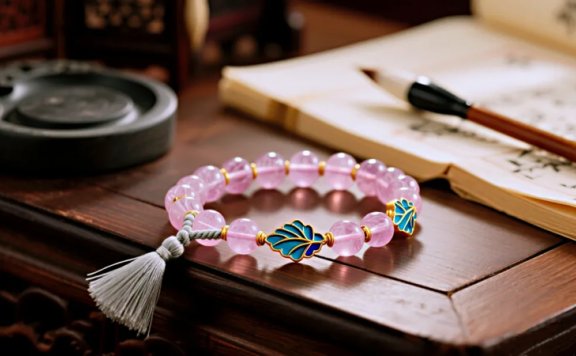
Have you ever wondered if a delicate pink crystal and vibrant Cloisonne could spark a fashion revolution on your wrist? Imagine the soft allure of Pink Crystal meeting the rich heritage of Cloisonne, creating a blend that's both timeless and trendy. This pairing isn't just jewelry—it's a statement of elegance and innovation. Whether you're a young enthusiast or a lover of classic styles, combining these elements adds a unique flair to any outfit. Forget the ordinary; embrace this dynamic duo to transform your daily accessories into conversation starters. It's all about balancing sweetness with sophistication, making every glance at your wrist a moment of pure delight. Elegant Fusion The charm of Pink Crystal lies in its gentle, translucent hue that radiates innocence and warmth. When worn as a bracelet or necklace, it instantly softens your look, evoking a sense of youthful grace. Many find it irresistible, especially those drawn to subtle, feminine aesthetics. Its simplicity makes it versatile, perfect for everyday wear without overwhelming your style. In contrast, Cloisonne brings a burst of bold colors—deep blues, vivid greens, and festive reds—often accented with fine gold wires. This ancient craft exudes a regal air, reminiscent of historical opulence and cultural richness.… -
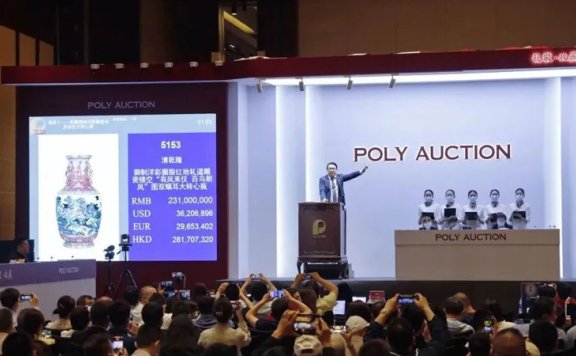
The Billion-Dollar Code: Decoding the Qianlong Yangcai Phenomenon
In the hushed, high-stakes auction rooms of Hong Kong and Beijing, a specific type of artifact consistently commands breathless attention and record-shattering bids. The names are poetic—a "Gourd Vase with 'Longevity' Design," a "Revolving Vase with Dragons," and a "Phoenix and Hundred Birds Vase." The prices are astronomical, soaring past hundreds of millions. The common thread weaving through these sales isn't just the Qianlong era; it's a specific, dazzling technical achievement: Yangcai (洋彩), or "foreign colors." This isn't just porcelain. It's a story of imperial ambition, a virtuoso craftsman, and a unique moment of East-West fusion, frozen in glaze and fired to perfection. So, what is the secret code that makes Qianlong (乾隆) Yangcai the undisputed emperor of the auction world? The Master & The Monarch: A Partnership For The Ages The story of Yangcai is inextricably linked to two men: the Qianlong Emperor, one of China's most powerful and artistically ambitious rulers, and Tang Ying (唐英), his genius Superintendent of Pottery. Tang Ying wasn't just a bureaucrat; he was a visionary artist and technologist. Stationed at the imperial kilns in Jingdezhen (景德镇), he personally oversaw the creation of the emperor's wares. Under constant pressure to innovate and impress, Tang… -
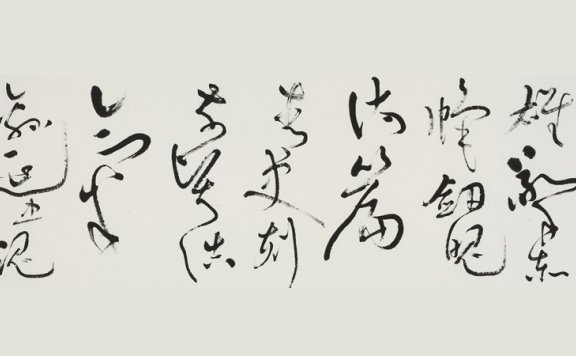
How Qin and Han Calligraphy Forged an Art Form
The story of Chinese calligraphy is not merely one of artistic evolution but a profound narrative of cultural transformation. Nowhere is this more evident than during the pivotal Qin and Han dynasties, when writing transcended its practical function to become a consciously practiced art. This period witnessed the standardization of characters under the First Emperor and the subsequent flourishing of artistic expression during the Han, culminating in theoretical frameworks that would guide calligraphic practice for millennia. The Qin Foundation: Order Through Uniformity When Qin Shi Huang unified China in 221 BCE, he faced a kingdom divided not just politically but linguistically. The Warring States period had produced numerous regional scripts that hindered communication and administrative efficiency. The solution, proposed by Chancellor Li Si, was radical standardization: the imposition of Small Seal Script as the official writing system across the empire. This administrative decision had profound artistic consequences. Small Seal Script represented a dramatic shift from earlier irregular forms. Its characters were elongated, symmetrical, and composed of evenly weighted curved lines without sharp angles. The surviving stone inscriptions, such as those at Mount Tai and Mount Yi, demonstrate this aesthetic perfectly—their solemn, dignified forms mirroring the imperial authority that commissioned them.… -
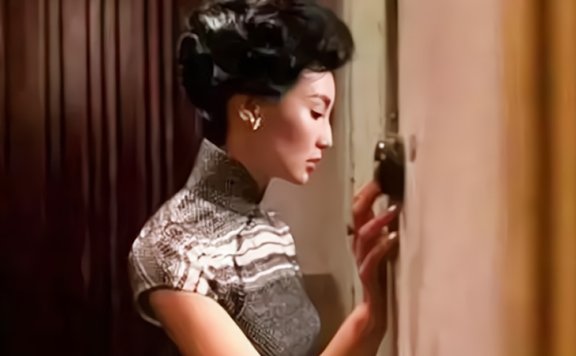
Beyond the Silhouette: Decoding the Qipao’s Timeless Appeal
Walking into the world of Qipao can feel like stepping into a beautiful, but slightly overwhelming, art gallery. You know you're looking at something special, but where do you even begin? As someone who's navigated this myself, I can tell you that finding your perfect Qipao isn't about following strict rules—it's about understanding three core elements that transform it from a costume into your dress. Forget complex historical deep dives; let's talk fabric, cut, and design like you're shopping with a knowledgeable friend. Pick Your Fabric Wisely This is the most important decision you'll make. The fabric doesn't just determine how the Qipao looks; it dictates how it feels to wear it all day. For everyday occasions, you want something breathable and low-maintenance. Cotton-linen blends or textured cotton twill are your best friends. They're comfortable, resist wrinkles, and have a casual, chic vibe. Picture a simple grey linen Qipao with subtle pearl buttons—perfect for a weekend brunch or exploring a city market. These natural fibers allow your skin to breathe, making them ideal for warmer climates or extended wear. The texture of these fabrics also adds depth and character to simpler designs, proving that elegance doesn't require formality. When the… -
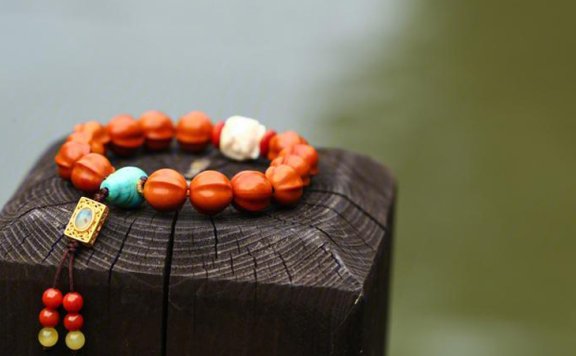
Can 10 Healing Artifacts Bridge Ancient Wisdom and Modern Wellness?
For centuries, people across Asia have carried small, polished objects in their palms, turning them over and over. Many see this as a calming habit or a connection to tradition. But beneath the smooth surfaces of these cherished beads and carvings lies a hidden truth: they are tiny vaults of ancient medicine. These aren't just ornaments; they are concentrated nature, offering subtle wellness benefits that unfold with every touch. This practice transforms idle moments into sessions of natural healing, where the warmth of your hand activates the dormant virtues within wood, seed, and vine. Each rotation is a silent conversation with centuries of herbal wisdom, turning stress into serenity and touch into therapy. Agarwood: Fragrant Therapy First among these natural treasures stands Agarwood, revered as the diamond of the plant kingdom. Its extraordinary value, sometimes reaching staggering sums per gram, speaks to its rarity and profound significance. This precious substance forms within specific trees when they suffer injury, secreting a dark, aromatic resin that embeds within the wood itself. The resulting material carries an exquisite, complex scent profile – notes of sweet vanilla, cool mint, floral hints, or deep amber can emerge, varying with origin and tree species. Beyond its… -
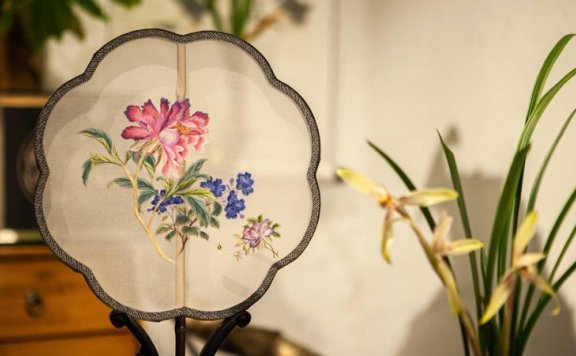
How China's 4 Embroidery Styles Captured the World?
For over three millennia, Chinese embroidery has transformed simple thread into breathtaking art. Emerging during the Shang and Zhou dynasties, it initially served ritual purposes and marked social status. Its journey saw lockstitch mastery in the Qin and Han, absorbed painting aesthetics in the Tang and Song, and crystallized into four distinct, revered regional styles by the Ming and Qing: Su, Xiang, Yue, and Shu embroidery. More than decorative craft, this intricate artistry weaves together ceremonial tradition, feminine skill, and global exchange, embodying China's aesthetic spirit. Its enduring legacy earned it global recognition as an intangible cultural treasure. 1. Su: Double-Sided Elegance Hailing from Jiangsu, Su Embroidery embodies "finesse, delicacy, elegance, and purity." Its crown jewel is the astonishing double-sided technique, where identical images appear flawlessly on both fabric sides. Finesse demands microscopic precision, with stitches accurate within 0.01mm and subtle shifts across 200 silk hues. Delicacy is legendary: a single thread splits into 128 filaments, and a cat's eye requires 15 painstaking layers; its pupil comes alive with Shizhen (施针) creating light reflections. Elegance shines through Xuzhen (虚针), mimicking ink wash painting's ethereal beauty. Purity means perfection – no knots, skipped stitches, or stray ends mar the reverse. Mastering this… -
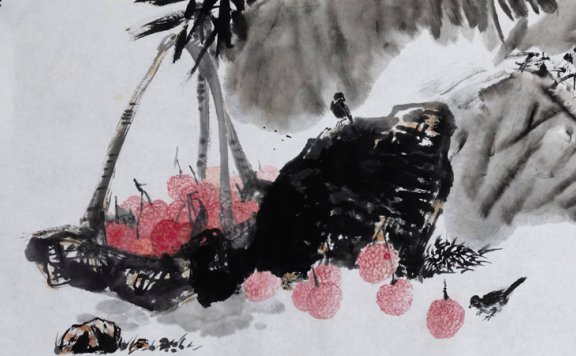
When Ink Berries Ripen: Huang Jiexin's Living Fruit Paintings
A single branch emerges on rice paper, heavy with lychees glowing like rubies veiled in morning mist. Ink swirls and crimson bleeds, not merely depicting fruit but capturing the humid breath of southern orchards. Artist Huang Jiexin (黄杰信) wields his brush not as a tool, but as an extension of nature itself. His paintings transcend mere representation; they are silent poems where dewdrops cling to imagined skin and bird songs seem to rustle the painted leaves. Each stroke whispers of seasons turning, of life condensed onto paper through the profound simplicity of ink and water. This is an invitation to witness nature's fleeting moments, immortalized through a master's touch that makes silence audible and stillness vibrate with life. Lychee See how the lychees cluster, their forms born from washes of vermilion and carmine. Huang Jiexin avoids rigid outlines. Instead, he lets diluted ink pool and spread, naturally defining the fruit's bumpy texture. A touch of cinnabar at the tip suggests moisture, as if each berry was plucked moments ago, still cool from the dawn. The leaves are broad declarations of green – applied with bold, wet strokes of ink. Veins aren't drawn; they emerge where darker pigment meets lighter, a… -
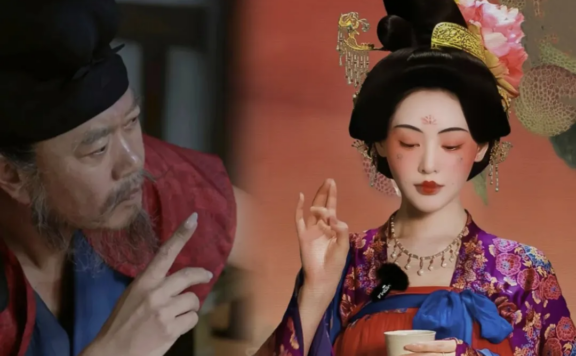
Nail Art is So Fashion in Tang Dynasty
In the cdrama The Lychee Road, not only women but also men are into manicures. He Cishi, a seemingly rugged man, and some officials have well - manicured nails, which challenges many people's modern thinking. What's going on? Were the Tang people more progressive than us? Actually, ancient men also liked growing nails. But it wasn't for beauty. It was a symbol of upper - class status, showing they didn't do manual labor. We can see long nails in some portraits. Take Zhuge Liang, a well - known figure in the Three Kingdoms period. In a Yuan - Dynasty portrait of him (collected in the Palace Museum in Beijing), he has long nails, and the ruyi in his hand is delicate. His black - and - white - and - red clothes are still fashionable today. Nail Art in Tang Dynasty The trend of manicures became more popular in the Tang Dynasty. There were 'nail - dyeing' techniques and a specialized manicure industry. Similar to today, nail - dyeing was a sign of beauty and noble status, especially favored by noble women. In ancient times, 'Koudan' referred to dyed nails or delicate hands with dyed nails. Balsam flowers, also known…