Article
Search results:
-
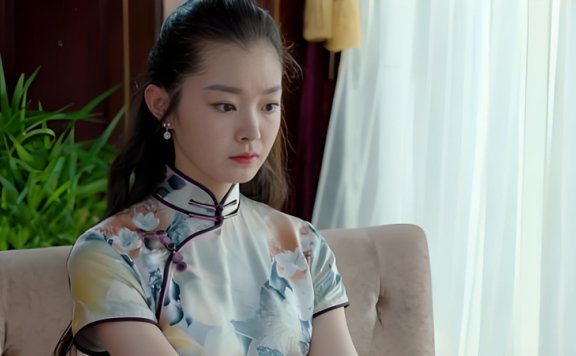
Song Yi: Has China's Qipao Queen Outgrown Her Legendary Role?
When Song Yi (宋轶) stepped out for the promotional event of Shadow Love (与晋长安) on August 29, 2025, fans barely recognized her. Gone was the softness associated with her iconic Qipao image; instead, stark contouring created harsh shadows under strong lights, sparking instant online debate about drastic changes to her appearance. The actress swiftly clarified it was merely a new makeup artist's approach, not cosmetic surgery, echoing her 2022 live-streamed eyelid demonstration. This incident highlights the intense scrutiny Song faces as she navigates a pivotal career shift—moving beyond the "First Qipao Beauty" persona cemented by her unforgettable role as Yu Manli (于曼丽) in the 2015 series The Pretender (伪装者). Now, at 36, her attempt to portray General Li Shuang (黎霜) in Shadow Love confronts both audience expectations and industry pressures. Silk to Steel Song Yi's journey began far from the battlefield. Her breakout role came as Yu Manli in The Pretender. At 26, weighing 98 pounds with a 22-inch waist, she embodied a lethal grace in traditional yin dan shi lin (阴丹士林) blue Qipao dresses. The slit skirt swayed subtly with her walk, masterfully blending a Jiangnan gentlewoman's elegance with a secret agent's sharpness. She made Yu Manli heartbreakingly fragile… -
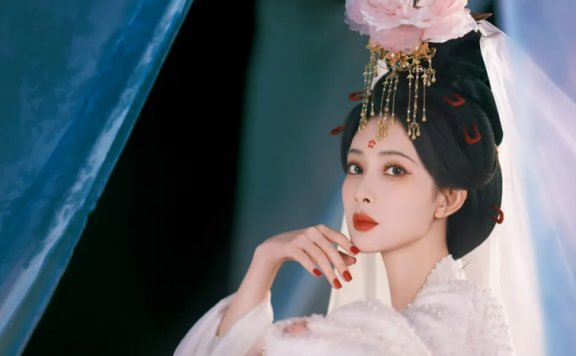
Floral Crowns in Chinese Drama: Who Wears It Best?
The delicate art of adorning hair with flowers, a signature look in Chinese historical dramas, has recently captivated audiences once more. Meng Ziyi's (孟子义) stunning floral hairpiece in promotional images for the newly announced drama Tigers Sniff the Rose (尚公主) sparked widespread admiration and discussion online. This fascination isn't new; period productions consistently feature elaborate floral hairstyles, showcasing diverse interpretations of classical aesthetics. From the lavish Tang dynasty ideals of voluptuous beauty to more contemporary, slender adaptations, these intricate arrangements are more than mere decoration—they are visual narratives of character, era, and artistic vision. The choice of blooms, their placement, the hairstyle's complexity, and crucially, the actor's physical harmony with the style, all converge to create moments of breathtaking screen elegance. This enduring trend highlights the powerful synergy between costume design, historical homage, and the unique charisma of the performer. Modern Interpretations Recent costume dramas offer a vibrant showcase of floral hair accessories. Meng Ziyi's look in Tigers Sniff the Rose , featuring elegant updos perfectly complementing soft pink peonies, marks a significant improvement, ditching distracting bangs seen in her earlier role in Royal Rumours (花琉璃轶闻). In that production, while Su Mengyun's (苏梦芸) fuller figure and crescent-moon adorned updo exuded… -
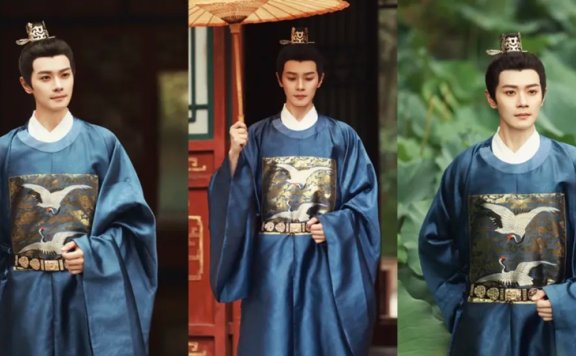
Cao Jun's Ming Attire: Is This the Grown-Up Nezha?
When Cao Jun (曹骏) recently shared photos in Ming-style Hanfu, fans were stunned—many saw echoes of his childhood role as Nezha (哪吒), sparking online buzz about his transformation and the timeless elegance of traditional Chinese attire. This resurgence highlights how modern celebrities can bridge history and today, making ancient garments relevant in our fast-paced world while protecting cultural heritage from misappropriation. As discussions flourish, it's clear that Cao Jun's choice isn't just fashion; it's a statement about identity and continuity in a globalized era. Ming Official Attire Ming Dynasty official clothing featured three main types: Changfu (官服) for daily wear, Gongfu (公服) for formal events like meetings, and Chaofu (朝服) for grand ceremonies. Each served distinct roles, with Changfu (常服) resembling professional suits through its long robe design—often with round or crossed collars and wide sleeves. Officials wore these as standard work attire, where visual cues like embroidered patches signaled rank without confusion. The key element in Changfu was the "Buzi" (补子) patches, small embroidered squares on the chest and back that instantly conveyed status. Unlike Gongfu, which used subtle patterns and colors for differentiation, Changfu relied on these vivid symbols to avoid ambiguity during routine duties. Historical records show… -
Simple Daily Habits for a Healthier Liver, According to TCM
In Traditional Chinese Medicine, the liver and eyes share a deep connection. Think of your liver as the root of your eye health—when it’s nourished and balanced, your vision stays clear. The good news is that you can maintain clear vision by nurturing your liver. Taking just a couple of minutes each day to care for your eyes can, in turn, support your liver. Here are two simple movements and some practical tips to help you do just that. Two Quick & Effective Liver-Supporting Movements The first movement focuses on resting your eyes to rest your liver. The classic TCM text, The Yellow Emperor’s Inner Canon, states that “the eyes can see because they receive blood from the liver.” It also emphasizes that the liver stores blood, a process that kicks in when we close our eyes or sleep. Essentially, closing your eyes is like flipping the “off” switch that allows your liver to rest and recharge. You can enhance this simple act with a gentle eye exercise to help with eye strain, dryness, or blurry vision: gently close your eyes, then use your thumbs to massage from the inner corner of your eyes outward 24 times; alternatively, place four… -
Think Before You Brew: Is Your Trendy Tonic Really Helping You?
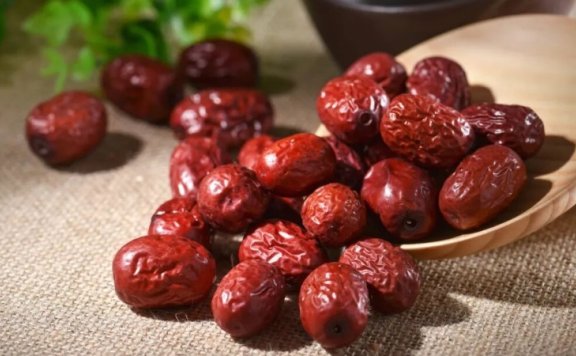
Forget the image of wellness being just for the elderly. A new wave of health-conscious Gen Z and millennials is embracing wellness, obsessively stirring goji (枸杞) berries into their thermoses and beginning their day with warm lemon-honey water. Driven by a mix of ancient tradition and modern social media trends, they believe that what they consume is the key to balance. However, Traditional Chinese Medicine (TCM) emphasizes that wellness is highly individual. That popular "healthy" ingredient in your cup might be doing more harm than good if it doesn't suit your body's specific needs. Before you jump on the next superfood trend, here’s a quick guide to who should probably skip some of the most common ones. 1. Red Dates: Not a Sweet Treat for All Celebrated for boosting energy and calming the spirit, these sweet fruits are a classic TCM tonic. But they are warming and can be cloying. You should be cautious if you're prone to overheating—experiencing breakouts, constipation, or a short temper—because red dates could add fuel to the fire. Those with dampness or phlegm (a feeling of heaviness, bloating, or thick tongue coating) might find they worsen sluggishness. It's also best to avoid red dates at… -
Discover Gaochun: Where China's Living Heritage Unfolds
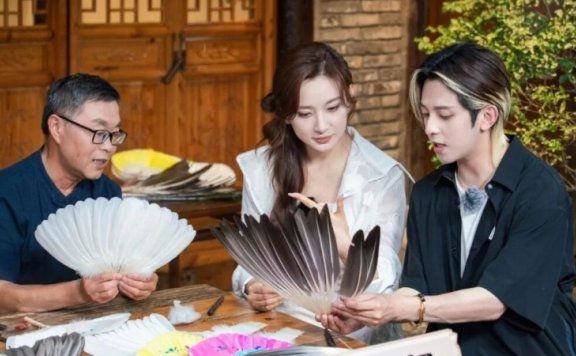
Tucked away in China's Jiangsu province, Gaochun (高淳) isn't just another dot on the map. Recognized as an "International Slow City," this place operates on a different rhythm. It’s a living museum, a serene escape where ancient crafts aren't relics behind glass but vibrant parts of daily life. Recently featured on popular national TV shows, Gaochun is captivating audiences with its deep well of cultural traditions, offering a genuine taste of a slower, more mindful China. Gaochun’s identity is deeply interwoven with its intangible cultural heritage. As the first place in Nanjing to be named a "Hometown of Chinese Folk Culture and Art," it boasts an impressive 155 items of intangible cultural heritage. This isn't just a number; it's a testament to a community that actively lives and breathes its traditions. A Calendar of Living Traditions The local calendar is marked by spectacular, moving festivals that are anything but staged performances for tourists. They are profound community rituals. The most famous is arguably the Tiao Wuchang (跳五猖)—Dance of the Five Fierce Gods. During the Spring Festival and Lantern Festival, performers don colorful masks and wield ritual instruments, leaping and dancing to the intense beat of gongs and drums. It's a… -
Chaoshan: 10 Cultural Pillars of a Distinct Region
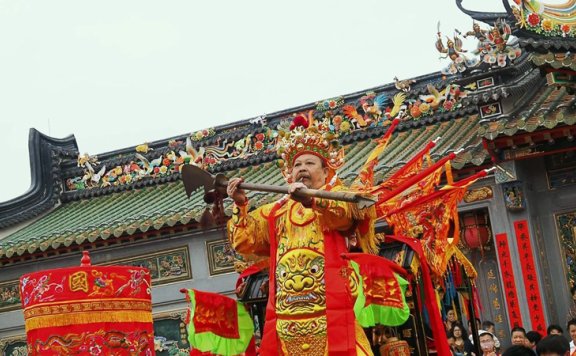
To step into the Chaoshan (潮汕) region of Guangdong is to enter a world where ancient traditions are not preserved behind glass but are lived daily. This coastal corner of China, home to the cities of Chaozhou, Shantou, and Jieyang, has maintained a fiercely unique cultural identity. Its customs are a vibrant tapestry woven from threads of ancestral Han Chinese rituals and a distinct maritime spirit. Here are ten cultural pillars that define the Chaoshan way of life. 1. The Deity Procession: Ying Laoye (营老爷) Perhaps the most spectacular event in any Chaoshan village is the Ying Laoye, or "Welcoming the Deities" procession. On chosen days, usually during the Lunar New Year or a deity's birthday, the revered statues from local temples are carried on ornate palanquins on a thorough tour of the community's boundaries. The procession is a breathtaking display of communal effort, featuring vibrant flags, pounding drums, and troupes of performers. The goal is to invite divine blessings for peace, prosperity, and beneficial fortune for the entire community. Each village has its traditions, routes, and taboos, making every procession a unique and powerful expression of local identity and clan cohesion. 2. Yingge Dance (英歌舞): The Rhythm of Warriors… -
Top 10 Traditional Cultural Treasures of China
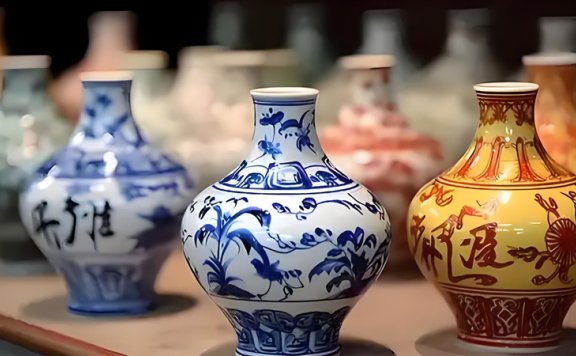
The traditional culture of China, with its profound historical roots, represents a rich tapestry of philosophical, artistic, and social traditions that have evolved over five millennia. Originating primarily along the basins of the Yellow River and the Yangtze River, this ancient civilization flourished through continuous migration, integration, and development of various ethnic groups. These dynamic processes helped form a unique and enduring cultural heritage, often described as an ancient castle of wisdom and refinement, admired and preserved through successive generations. Among its most distinguished elements are the quintessential aspects of Chinese culture, known as Guocui (国粹) or national essences. These are the elite achievements intrinsic to China’s native civilization, embodying the highest aesthetic and intellectual values of the nation. Examples include Peking Opera, traditional Chinese medicine, calligraphy, and martial arts—each originating entirely within China and reflecting the depth and spirit of its indigenous culture. These cultural treasures not only symbolize China’s historical identity but also continue to inspire global appreciation today. Magnetic Kiln China's relationship with clay transformed functional pottery into transcendent art. Early kilns near Magnetic Kiln centers produced robust vessels later termed porcelain. Artisans perfected techniques through tireless experimentation—wedging clay to eliminate air pockets, throwing precise forms on… -
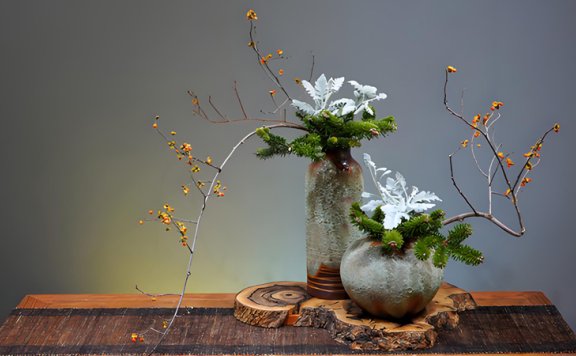
The 6 Classical Vessels of Chinese Floral Art
Chinese flower arrangement, known as Chahua (插花), is far more than mere decoration; it is a profound cultural art form and one of the esteemed "elegant pursuits" deeply intertwined with traditional Chinese humanistic philosophy. This ancient practice transcends aesthetics, serving as a medium for spiritual expression and philosophical contemplation. At the heart of this art lie the six canonical vessels, which are vase, Pan, vat, bowl, Tong, and basket; each possessing distinct symbolic meaning and formal characteristics. More than simple containers, these vessels are foundational elements that interact with carefully selected flora to create intricate miniature landscapes. Each combination conveys a unique spirit and atmosphere, reflecting nuanced artistic intentions—from the scholarly pursuit of quiet refinement to the imperial celebration of grandeur. Thus, the evolution of these vessels and their stylistic applications offers a fascinating lens through which to observe the flow and transformation of Chinese social and cultural values across dynasties. 1. Tong Hua (筒花) 1.1 Form Follows Beauty Tong Hua, a distinct Chinese floral art, blossomed during the Five Dynasties and flourished in the Song and Jin periods. Its core lies in cylindrical vessels, simple yet elegant arrangements, and a deep appreciation for natural lines. This art form transcended mere decoration,… -
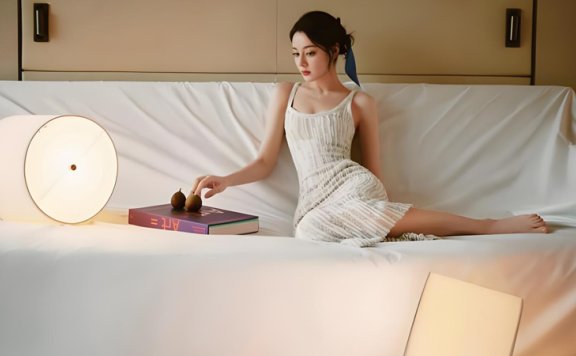
A Technical Breakdown of Dilraba's Makeup Transformation
Dilraba's evolution from a celebrated beauty to a veritable makeup muse encapsulates a fascinating journey of artistic refinement. While her striking features initially captivated audiences, early makeup styles often relied more on her natural assets than on technical finesse, leaving admirers unable to replicate her look. This changed profoundly through her collaboration with visionary makeup artist Jin Helong (金鹤龙). His expertise ushered in a new era of sophistication, transforming her face into a canvas of intentional, impactful design. The hallmark of this refined "Dilraba-Style Makeup" is a series of strategic, deliberate choices: dimensional contouring that sculpts without heaviness, masterful textural contrast between luminosity and matte elements, and saturated color placed with precision. This approach, prioritizing skin clarity and soft, natural arches, has made her looks both aspirational and remarkably reproducible. The following analysis delves into the specific architectural shifts—in facial contouring, nasal refinement, eye reshaping, and lip enhancement—that define this iconic style, illustrating how technical mastery can elevate even the most innate beauty into a universally emulated art form. What is Dilraba-Style Makeup? Dilraba's status as a visual icon is undisputed, yet her journey to makeup mastery reveals a fascinating transformation. Early in her career, her looks often relied heavily… -
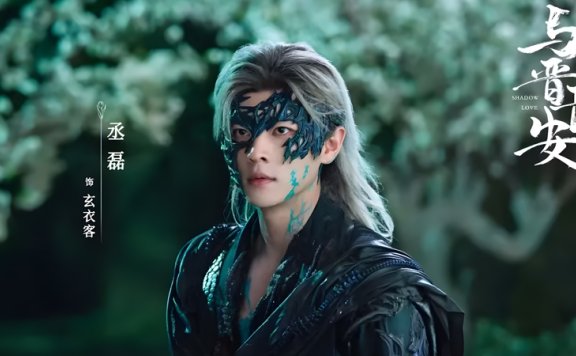
Who Can Resist Cheng Lei's Triple Charm in Shadow Love?
If you're craving a drama that blends heart-fluttering romance, intense action, and stunning visuals, look no further than Shadow Love (与晋长安). This show has taken viewers by storm, thanks to Cheng Lei's (丞磊) captivating portrayal of a character with three distinct personas, each offering a different flavor of love and excitement. Paired with Song Yi's (宋轶) strong-willed general, their chemistry ignites the screen, making it impossible to look away. Fans are raving about how the series perfectly balances sweet moments with adrenaline-pumping scenes, proving that a great story doesn't need fluff—it just needs authenticity and passion. Dive in, and you'll find yourself grinning from ear to ear, swept up in a world where every episode delivers pure, unadulterated joy. Triple Identity Thrills At the heart of Shadow Love is Cheng Lei's character, Jin An (晋安), who masterfully switches between three identities, each embodying a unique boyfriend archetype. First, as the amnesiac "puppy dog," he's adorably clingy and devoted to Li Shuang (黎霜), played by Song Yi. He lights up at any chance to be near her, like when they pretend to be a married couple, and he sweetly coaxes her through tough times, such as patiently feeding her medicine with… -
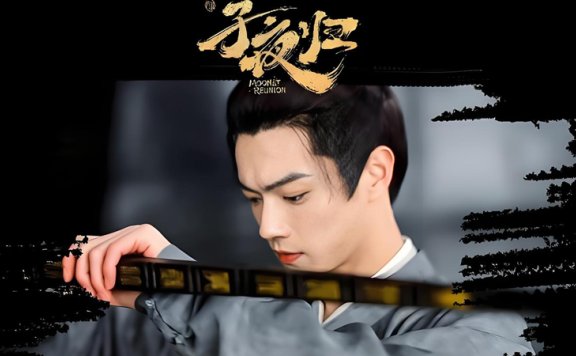
Moonlit Reunion: Can Wu Zhen Escape Her Fateful Death Trap?
In the captivating drama Moonlit Reunion (子夜归), Wu Zhen's (武祯) life hangs by a thread, haunted by a secret buried eighteen years ago. Once a mortal saved by the Previous Cat Lord, she now faces a cruel dilemma: embrace full demonhood or perish. This tale weaves supernatural intrigue with human bonds, as Wu Zhen's struggle against the malevolent Gui Ying (诡婴) threatens to unravel her world. Her love for Mei Zhuyu (梅逐雨) and loyalty to allies clash, revealing a truth that could save or doom her. As the story unfolds in ancient Chang'an, viewers are drawn into a battle where destiny and choice collide, leaving us questioning if she can outwit her own demise. The Hidden Truth Why did the Previous Cat Lord pass his essence core to Wu Zhen as a child? It wasn't mere chance. He owed a debt to her mother, who once saved his son, Mei Zhuyu. But the deeper reason lay in escaping the vile Gui Ying, who sought the First Cat Lord's remains for power. By giving his core to Wu Zhen, he fled Chang'an, hoping to protect his family. Yet, tragedy struck when Gui Ying found him years later, killing him and his… -
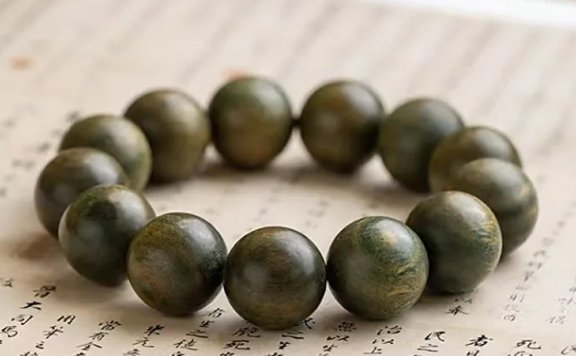
Green Sandalwood: Your Ancient Path to Peace and Vitality!
In today's fast-paced world, finding natural ways to soothe stress is crucial. Green Sandalwood, revered for centuries as a sacred wood, offers a timeless remedy. This ancient treasure, sourced from deep forests, brings harmony to modern life. Its subtle fragrance and elegant design make it a perfect companion for wellness seekers. Dive into the wonders of this "holy wood" and unlock a journey to inner calm and renewed energy. The Ancient Lore Green Sandalwood has been cherished since ancient times as a symbol of protection and prosperity. Chinese texts like the Compendium of Materia Medica highlight its ability to ward off negative energies and invite good fortune. This wood, known as "holy timber," was used in rituals for its purifying qualities. Its rich history connects us to nature's wisdom, making it more than just an accessory—it's a bridge to tranquility. Sourced from remote mountains, sink-grade Green Sandalwood stands out for its density and rich organic content. When exposed to sunlight, it transforms from a pale yellow to a deep emerald green, earning the name "jade incense." This natural color shift isn't just beautiful; it reflects the wood's vitality. Each piece features unique grain patterns, like fine silk or rippling waves,… -
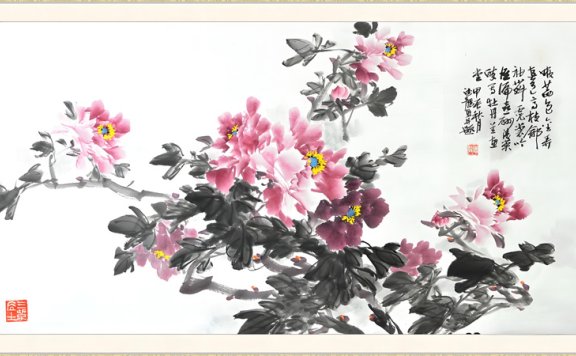
The Complete Step-by-Step Guide to Ink Peony Painting for Beginners
Capturing the essence of a peony in ink and color transcends mere botanical illustration, becoming a dynamic dance between the artist's intention and the fluidity of traditional materials. The flower's charm lies in its organic, almost chaotic bloom, demanding not replication but deep interpretation. This art requires mastering core techniques: the expressive potential of specialized brushes, the alchemy of mineral pigments interacting with paper, and the courage to embrace imperfection as beauty. The journey begins with confident strokes that suggest life, allowing the flower's spirit to emerge through practiced skill and mindful observation. 1. Painting Peonies Beyond Petals Capturing the essence of a peony in ink and color transcends mere botanical illustration. It becomes a dynamic dance between the artist's intention and the fluidity of traditional materials. Unlike rigidly defined flowers, the peony's charm lies in its organic, almost chaotic bloom – layers of petals unfolding in unpredictable ways. This demands not replication, but interpretation. Mastering this art requires understanding core techniques: the expressive potential of specialized brushes, the alchemy of mineral pigments interacting with paper, and the courage to embrace imperfection as beauty. The journey begins not with a perfect outline, but with confident strokes that suggest life and… -

A Guide to Chongqing's Wild Heart and Fiery Plate
Chongqing, a metropolis renowned for its pivotal historical role and modern urban energy, reveals its truest essence not in its cityscape but in the breathtaking natural and cultural landscapes that surround it. This guide ventures beyond the urban sprawl to uncover ten exceptional natural escapes, each offering a unique window into the region's soul. 1. Chongqing's Wild Heart: 10 Natural Escapes Chongqing, shaped by three historic capitalships and pivotal wartime resistance, reveals its soul beyond the urban sprawl. While the revolutionary spirit of Hong Crag resonates, the surrounding landscapes offer profound tranquility and awe. This guide highlights ten natural wonders within reach for enriching day trips. Each presents a distinct facet of the region's diverse beauty, from mist-shrouded peaks echoing ancient battles to vibrant ethnic traditions thriving in mountain towns. Discover these escapes, where nature's grandeur meets enduring culture. 1.1 Borderless Horizons Xiushan's (秀山) Chuanhegai Scenic Area (川河盖风景区) sits just 15 kilometers from the county town. Its unique plateau landscape borders Hunan Province, with the Yezhuping (野竹坪) area reaching into Chongqing like a peninsula. The historic Taiping Township (太平乡场) market street literally straddles the provincial line, a century-old symbol of connection. On clear days, the plateau offers breathtaking views across… -
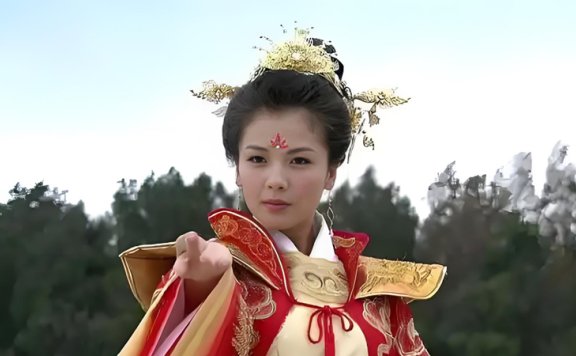
Liu Tao's Qipao Stroll Through Guzhen
On a tranquil evening in an ancient town, under the soft glow of lanterns, Liu Tao (刘涛) emerges in a traditional Qipao, her presence transforming the scene into a timeless tableau of grace and resilience. This moment in Guzhen (古镇) isn't just about beauty—it's a window into her journey as an actress who defies fleeting trends with unwavering authenticity. Her story, rooted in hard work and quiet strength, resonates far beyond the screen, offering a powerful narrative of perseverance in the face of life's challenges. As we delve into her world, we uncover how this night symbolizes her essence: a blend of elegance and grit that captivates without clamor. Guzhen Night Picture this: the ancient town of Guzhen bathed in dim, golden light, with the gentle murmur of a nearby river setting a serene backdrop. Liu Tao appears, clad in a flowing Qipao, her steps light and deliberate, as if stepping out of a classic painting. The atmosphere shifts instantly to one of hushed reverence, where onlookers pause, drawn not by spectacle but by an ethereal charm that feels both distant and intimate. Her movements—subtle gestures like a turn of the head or a soft smile—carry an effortless poise, evoking… -
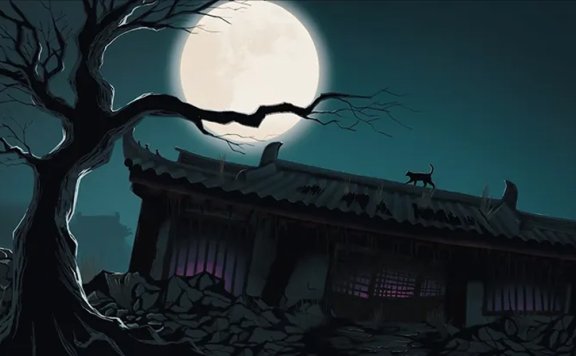
Is Moonlit Reunion Truly Haunting? A Stunning Yet Shallow Chinese Fantasy Saga
Chinese television has embraced a thrilling wave of horror-fantasy, and Moonlit Reunion (子夜归) stands at the forefront with its breathtaking visuals and eerie atmosphere. Starring Tian Xiwei (田曦薇) as the formidable Wu Zhen (武祯) and Xu Kai (许凯) as the reserved Mei Zhuyu (梅逐雨), this series plunges viewers into a supernatural Tang Dynasty world where humans and demons clash. Set in the mystical Chang'an, it weaves elements of folklore, mystery, and romance into a tale that promises much but often falters under its own ambition. While the show dazzles with artistic craftsmanship, its narrative depth feels disappointingly thin, leaving audiences torn between admiration and frustration. This review unpacks the highs and lows of Moonlit Reunion, revealing why it's a visual feast that struggles to satisfy the soul. Visual Brilliance Moonlit Reunion excels in its aesthetic execution, crafting a world that's both opulent and ominous. The costumes and sets are meticulously designed, reflecting distinct character identities. For instance, Wu Zhen's regal attire contrasts sharply with Mei Zhuyu's modest robes, emphasizing their social divide. Key locations like the demon-run Yao Market (妖市) glow with gilded splendor yet drip with ghostly dread, creating a parallel universe to the bustling Chang'an. This attention to… -
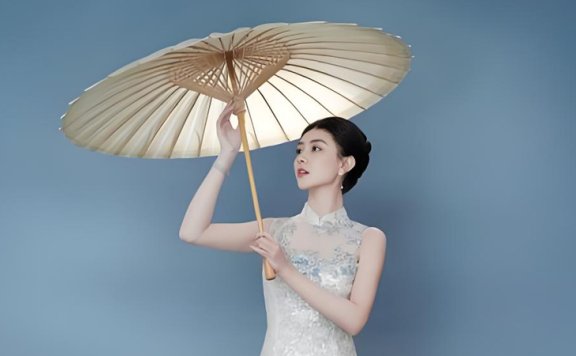
How Liang Jie's Qipao Stole the Spotlight at 2025 Gala
As the camera flashes erupted on the red carpet, one vision halted every lens: Liang Jie (梁洁), bathed in an ethereal silver glow. Her appearance wasn't just beautiful; it was a masterclass in modern elegance, instantly becoming the defining fashion moment of the evening. Stepping beyond the expected gowns, her choice spoke volumes – a gleaming Qipao that seemed sculpted onto her frame, announcing a confident blend of heritage and contemporary star power. This wasn't merely an outfit; it was a statement piece, radiating sophistication and capturing the essence of Liang Jie's own journey: from rising talent to an actress whose presence, both on-screen and off, commands attention. The Gleaming Vision Liang Jie's gown was a triumph of subtle luxury. Crafted from a foundation of lustrous, muted satin, its true magic lay in the intricate layer of countless shimmering sequins meticulously applied across its surface. These weren't garish embellishments; they were delicate points of light, catching and reflecting illumination like scattered moonbeads on water. Every subtle shift in her posture ignited a constellation of soft sparkles, creating an aura of dynamic elegance. The light didn't just fall on the dress; it danced with it, creating a mesmerizing play of luminosity… -

The Chaoshan's Feeding the Hungry Ghosts Tradition
The Chaoshan region in Guangdong Province stands as a remarkable repository of ancient Chinese customs, with the "Shi Gu" (施孤) ritual—commonly translated as "Feeding the Lonely Ghosts"—serving as a profound embodiment of its cultural values. Rooted in folk beliefs, Confucian ethics, and Buddhist philosophy, this tradition highlights the region's enduring emphasis on compassion, communal harmony, and historical remembrance. Historical and Cultural Foundations Chaoshan's cultural heritage, including its renowned Yingge (英歌) dance, intricate embroidery, wood carving, and traditional architecture, is deeply intertwined with ancient rituals. The "Shi Gu" custom, closely associated with the Buddhist Ullambana Festival (also known as the Ghost Festival), can be traced back to the Northern and Southern Dynasties (420-589 AD). Historical texts such as the Jingchu Suishiji (荆楚岁时记) document the practice of making offerings to spirits and deities on the fifteenth day of the seventh lunar month. By the Song Dynasty (960-1279 AD), these observances had evolved into elaborate rituals involving lantern floating, communal feasts, and public ceremonies aimed at appeasing wandering spirits. In Chaoshan, the seventh lunar month is traditionally believed to be a period when the gates of the underworld open, allowing spirits who died without descendants, in disasters, or during wars to wander the… -

Yunnan Summer Travel Handbook: Dive Into Nature and Culture Magic
Forget the standard tourist checklist. Yunnan is not a destination to be simply seen; it is a sensory awakening waiting to be experienced. This is a land where nature writes poetry across dramatic landscapes—from stone forests clawing at the sky to serene lakes mirroring snow-capped peaks. It's a place where ancient towns hum with centuries of stories, and vibrant traditions are woven into the very slopes of the mountains. To travel here is to step into a living tapestry, a breathtaking dance of earth, water, and sky. Pack your curiosity, leave your expectations behind, and prepare to be surprised by the wild heartbeat of eternal spring. 1. Yunnan's Wild Heartbeat Forget guidebooks. Yunnan isn't a checklist; it's a sensory awakening. Imagine stone forests clawing skyward, ancient towns humming with stories, lakes mirroring snow-capped giants, and traditions woven into mountain slopes. This isn't just travel; it's stepping into a living tapestry where earth, water, and sky perform an ancient dance. Pack curiosity, leave expectations behind, and let the land of eternal spring surprise you. 1.1 Shilin (石林) Step into a world sculpted by epochs. Shilin isn't merely rocks; it's a petrified ocean frozen mid-storm. Towering limestone pillars, resembling mythical beasts or…