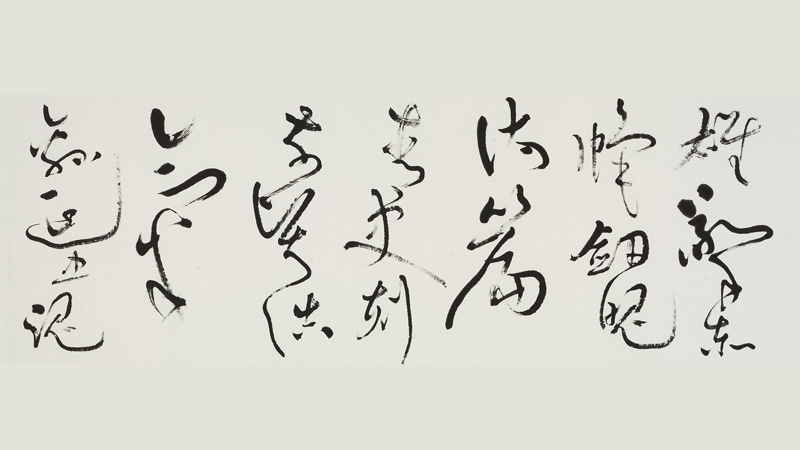
The story of Chinese calligraphy is not merely one of artistic evolution but a profound narrative of cultural transformation. Nowhere is this more evident than during the pivotal Qin and Han dynasties, when writing transcended its practical function to become a consciously practiced art. This period witnessed the standardization of characters under the First Emperor and the subsequent flourishing of artistic expression during the Han, culminating in theoretical frameworks that would guide calligraphic practice for millennia.
The Qin Foundation: Order Through Uniformity
When Qin Shi Huang unified China in 221 BCE, he faced a kingdom divided not just politically but linguistically. The Warring States period had produced numerous regional scripts that hindered communication and administrative efficiency. The solution, proposed by Chancellor Li Si, was radical standardization: the imposition of Small Seal Script as the official writing system across the empire.
This administrative decision had profound artistic consequences. Small Seal Script represented a dramatic shift from earlier irregular forms. Its characters were elongated, symmetrical, and composed of evenly weighted curved lines without sharp angles. The surviving stone inscriptions, such as those at Mount Tai and Mount Yi, demonstrate this aesthetic perfectly—their solemn, dignified forms mirroring the imperial authority that commissioned them.
Yet beneath this imposed uniformity, innovation continued. While Small Seal Script served ceremonial purposes, clerks and administrators developed a more practical form known as Ancient Clerical Script. This utilitarian style transformed the graceful curves of the Seal Script into straighter, more efficient strokes, enabling quick writing. This unofficial evolution would eventually blossom into one of China's most artistically significant scripts.
Han Transformation: The Artistic Awakening
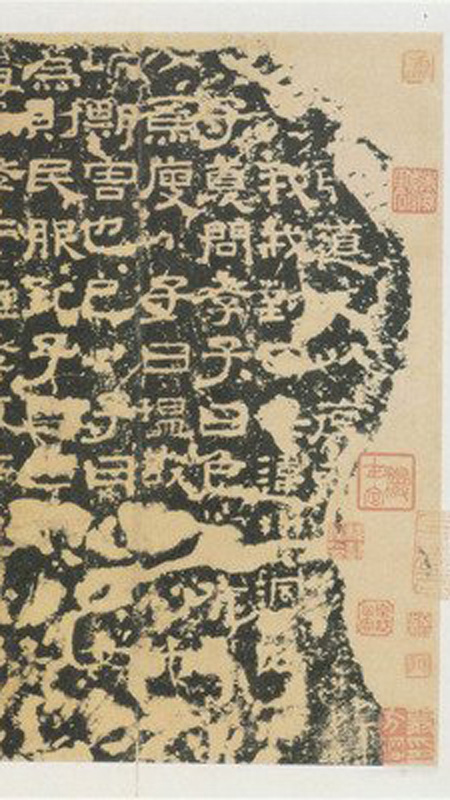
The Han Dynasty witnessed nothing less than a calligraphic renaissance. As society stabilized and culture flourished, writing shed its purely practical constraints and embraced artistic expression. The Clerical Script evolved from its crude beginnings into a mature artistic medium characterized by its distinctive "silkworm head and swallow tail" strokes—so named for their distinctive starting and ending forms.
Regional styles emerged across the Han territory. The northwest produced bold, unrestrained inscriptions like the Stone Gate, while the eastern heartland around Shandong created meticulously precise works such as the Yiying Monument (乙瑛碑) that reflected Confucian ideals of order. The central plains developed a balanced style that blended both approaches, as seen in the Zhangjing Monument (张景碑).
Concurrently, cursive script emerged as another revolutionary development. Born from the need for rapid notation, this style maintained the Clerical Script's basic structure but connected strokes with flowing movements that emphasized rhythm and energy. This book explains how this practical script gains artistic value through its dynamic "power"—not the pressure of the body, but the visual impression of strength and vitality in the brushstrokes.
Cai Yong's Theoretical Legacy
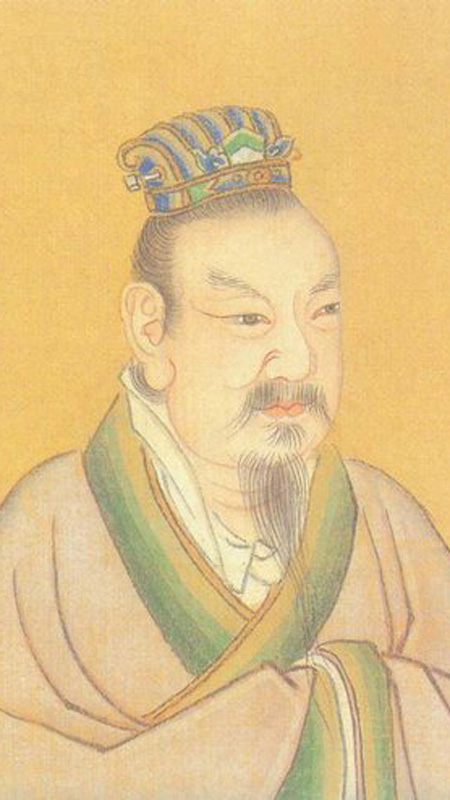
The most significant development of Han calligraphy theory came from scholar Cai Yong, whose essays "Pen Theory" and "Jiushi" (九势) established the conceptual framework that would define Chinese calligraphy as an art form.
He articulated three essential qualities: dynamic momentum, internal strength, and resonant harmony. Cai Yong described how skilled calligraphers could capture nature's dynamic energy in their brushwork—making a horizontal stroke resemble "cloud formations stretching thousands of miles" or a dot appear like "a falling stone from a high peak."
His concept of "li" (力) referred not to physical force but to the visual impression of vitality and structural integrity within each stroke. This quality emerged from proper brush technique and the calligrapher's mental focus. Most profoundly, his notion of "rhyme" described the overall harmonious spirit that unified a work, transcending technical mastery to achieve emotional and aesthetic resonance.
These principles established calligraphy as more than skilled writing—it became a means of self-cultivation and artistic expression that would dominate Chinese aesthetic theory for centuries.
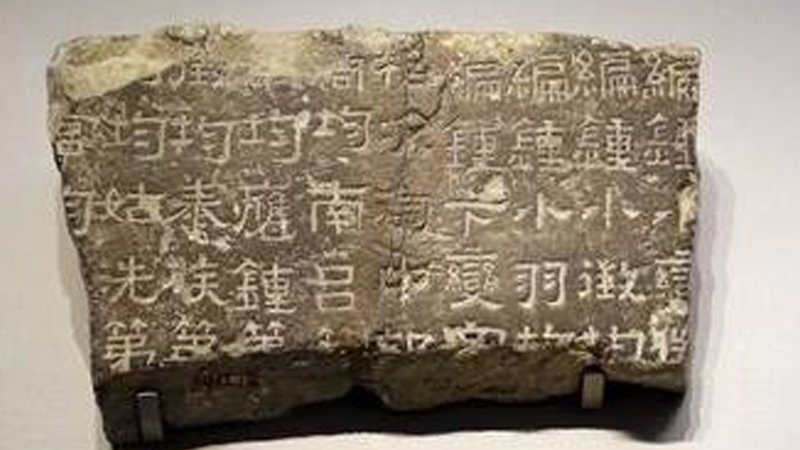
Enduring Influence
The Qin-Han calligraphic revolution established patterns that would recur throughout Chinese art history. The tension between standardization and innovation, between tradition and individual expression, continues to inform calligraphic practice today.
Contemporary calligraphers still study Han-era stele inscriptions to understand brush techniques and compositional balance. Cai Yong's theoretical framework remains essential for understanding how visual elements create aesthetic and emotional impact. The scripts developed during this period—particularly Clerical and Cursive styles—continue to be practiced alongside later developments.
Most importantly, this period established calligraphy as China's quintessential art form, one that integrates practical function, artistic expression, and spiritual cultivation. The silent revolution that occurred between the Qin standardization and Han artistic flourishing created a foundation that would support centuries of artistic innovation while maintaining continuity with China's cultural origins.